
Iran's museum landscape is dominated by the grand institutions of Tehran and Isfahan, the National Museum, the Abbasi Carpet Museum, the vast palaces of the Safavid and Qajar dynasties. But some of the most rewarding museum experiences in the country are found in smaller cities, where local institutions tell stories that the national museums overlook. The Museum of Honors in Arak, also known as the Museum of Mafaker, is one of these. Housed in a magnificent Qajar era mansion at the end of Shahid Beheshti Street, it celebrates the scholars, poets, scientists, religious figures, and martyrs of Markazi Province, the region of central Iran that has produced an extraordinary number of the country's most influential minds.
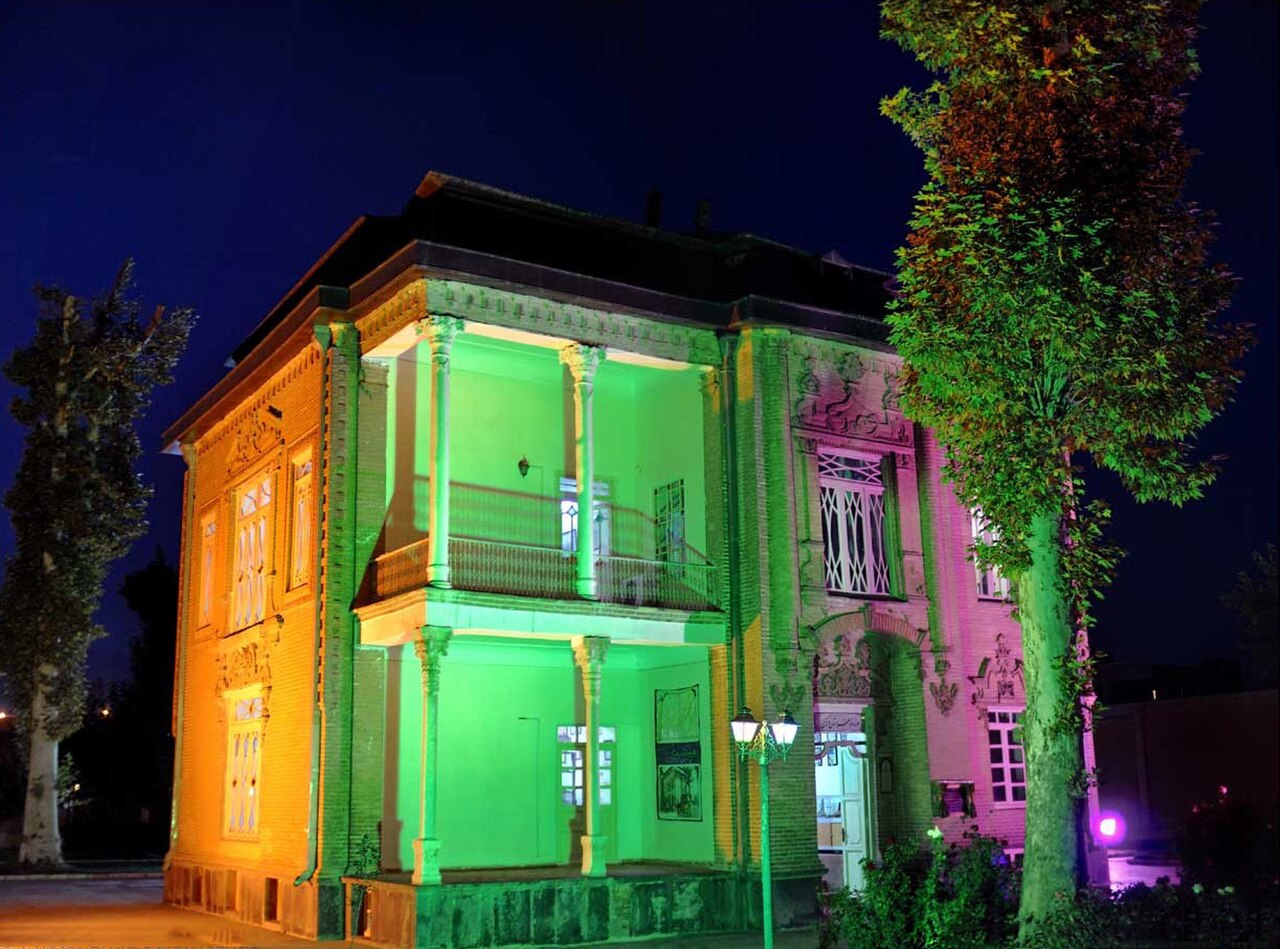
The building itself is half the attraction. Completed in 1929, the mansion was commissioned by Haj Hossein Khakbaz, a local merchant and philanthropist, and it stands as one of the finest surviving examples of late Qajar domestic architecture in central Iran. The structure was registered as a national heritage site in the year 2000 and opened as a museum in 2009, after a careful restoration that preserved the original decorative elements while creating exhibition spaces suitable for a modern museum.
The Building: A Masterpiece of Qajar Architecture
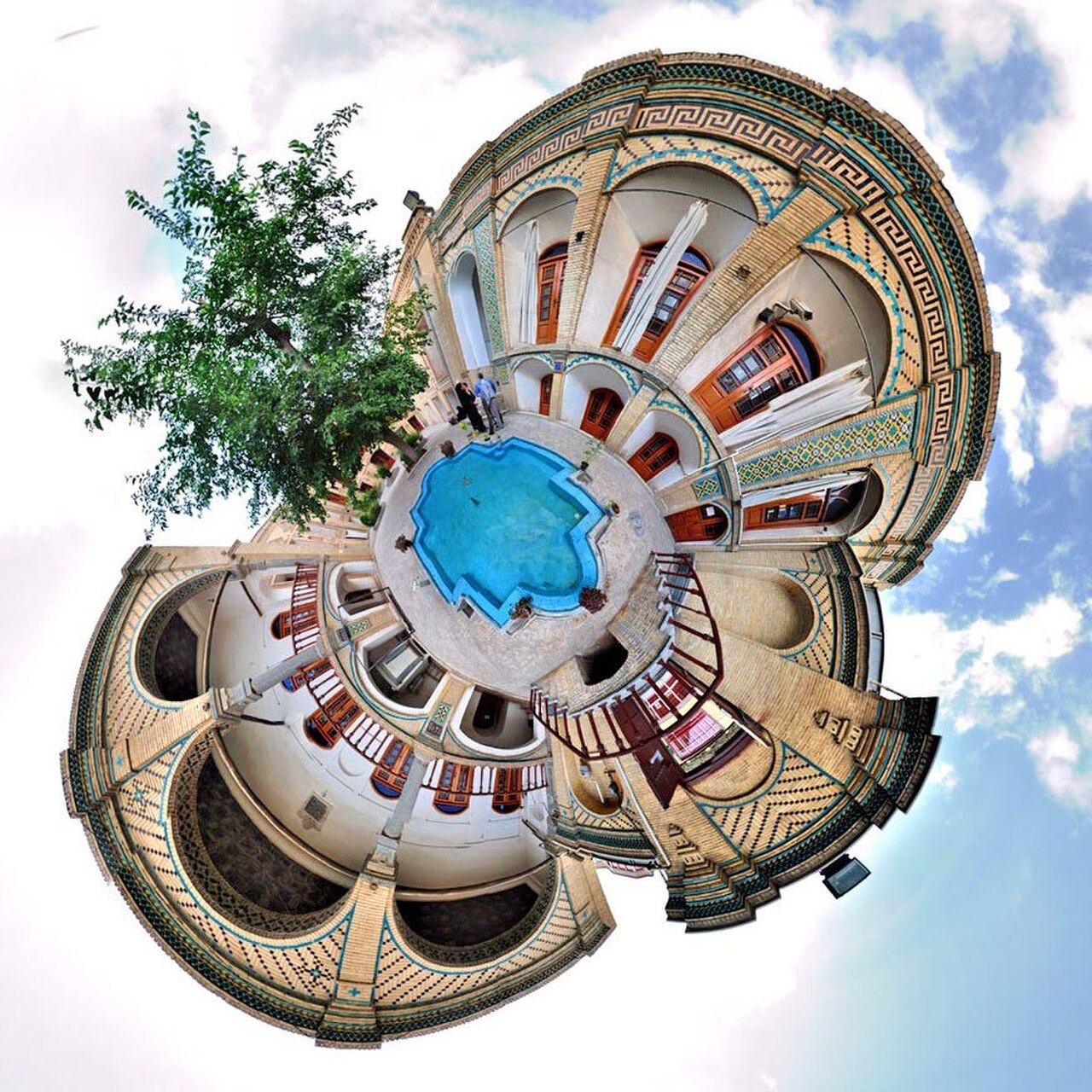
The mansion is organised around a central courtyard, following the traditional plan of wealthy Iranian homes from the late nineteenth and early twentieth centuries. Thick brick walls keep the interior cool in summer and warm in winter. The rooms open onto the courtyard through tall windows and arched doorways, framed by decorative brickwork, stucco carving, and painted wooden elements.
What makes this building special is the quality of its surviving original features. The old hammam, the underground water cistern, and the qanat system that once supplied the house with water are all still visible and accessible. These utilitarian spaces, normally hidden from view in other historic houses, are here presented as part of the museum experience, giving visitors a sense of how a wealthy Qajar family lived and managed its daily needs.
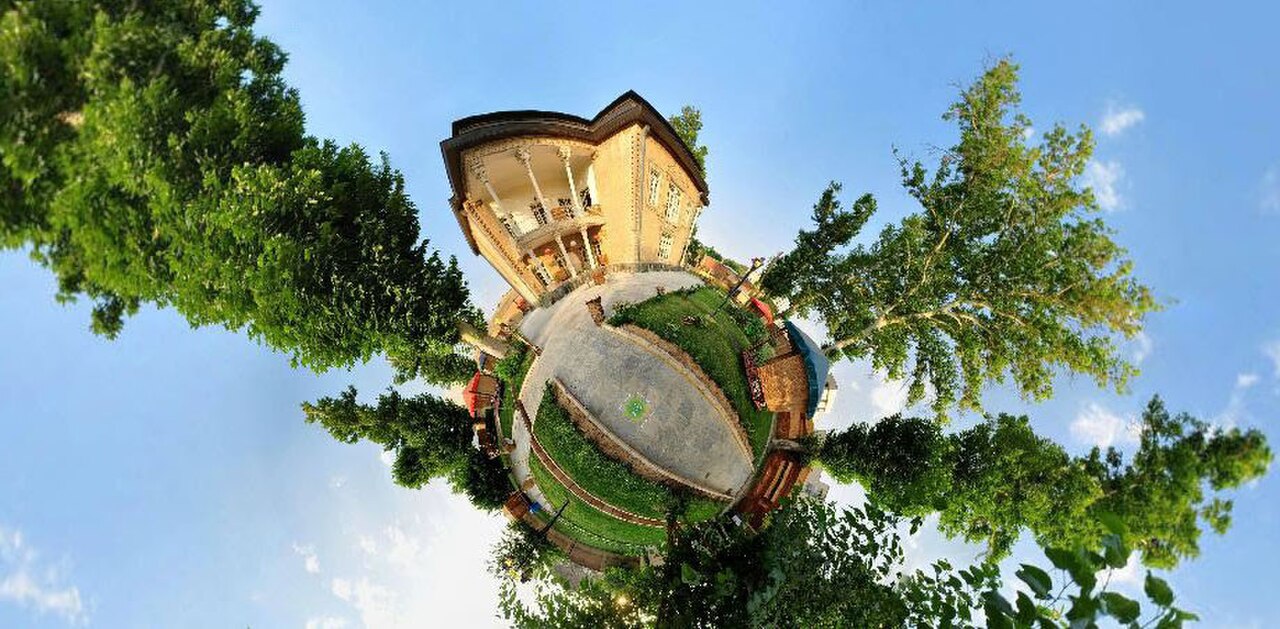
The garden surrounding the house, once a private retreat, has been opened to the public and provides a quiet space to sit and reflect after exploring the exhibition halls.
The Exhibitions: Celebrating Markazi Province's Finest
The museum's permanent exhibition is organised into several thematic halls, each dedicated to a category of achievement. The effect is like walking through a who's who of Iranian intellectual and cultural history, with the specific focus on figures who were born in or connected to Markazi Province.
The hall dedicated to scientific figures is particularly strong. Markazi Province has produced a remarkable number of Iran's leading scientists, engineers, and academics, and their portraits, personal documents, and professional achievements are displayed with care. The museum honours figures whose contributions shaped modern Iran, from the field of engineering to medicine and beyond.
The literary hall celebrates poets and writers. Markazi Province has a strong literary tradition, and the museum gives space to both classical and modern voices. Manuscripts, first editions, and personal effects create a sense of the creative worlds these writers inhabited.
The religious hall honours scholars and clerics who played important roles in the spiritual and intellectual life of the region. Busts and biographical panels provide context for visitors who may not be familiar with these figures, though the museum's explanatory texts are most useful for those with some background in Iranian history.
The martyrs' hall commemorates those from Markazi Province who died in the Iran-Iraq War. This is a deeply moving section, with photographs, personal letters, and belongings of young men and women who lost their lives in the conflict. The tone here is respectful and somber, and it is clear that the museum takes this responsibility seriously.
Amir Kabir and the Other Giants
Among the many figures honoured at the museum, certain names stand out for their impact on the course of Iranian history. The museum gives particular prominence to Amir Kabir, the visionary Qajar prime minister whose reform programme in the mid nineteenth century laid the foundations of the modern Iranian state. Born in Hazaveh, a village in what is now Markazi Province, Amir Kabir founded Dar al-Funun, Iran's first modern university, reformed the tax system, curtailed foreign interference, and attempted to build a professional army. His assassination in 1852 on the orders of the Shah remains one of the great tragedies of Iranian history.
Parvin Etesami, one of Iran's most celebrated poets, is also honoured here. Born in Tabriz but with family connections to the region, her powerful feminist poetry and her mastery of the classical Persian poetic forms make her one of the most important literary figures of the twentieth century.
Professor Mohammad Hassan Ganji, the father of modern Iranian geography and meteorology, and other prominent academics from the province also feature in the museum's collection. Their inclusion reflects the museum's broader mission, which is not just to honour the past but to inspire future generations of Markazi Province's young people.
The Old Hammam and Underground Spaces
One of the most unusual features of the Museum of Honors is its preserved hammam. Traditional Iranian bathhouses were social as much as hygienic institutions, places where news was exchanged, business was discussed, and community bonds were reinforced. The hammam here follows the standard two room plan, with a cold room and a hot room, both decorated with typical Qajar era tilework and stucco.
Below the hammam, the water cistern, a large underground chamber designed to store cool water through the hot summer months, is open to visitors. The qanat channel that fed the cistern can be traced partway into the hillside, offering a glimpse of the ancient water engineering that sustained settlements across the Iranian plateau for thousands of years.
Practical Information for Visitors
Getting there. The Museum of Honors is located at the end of Shahid Beheshti Street in central Arak, within walking distance of the city's main commercial area. Arak is connected to Tehran by road and rail. The drive from Tehran takes roughly three and a half hours via the Saveh freeway. Arak also has bus connections to Isfahan, Shiraz, and other major cities.
Opening hours. The museum is typically open Saturday through Wednesday, from morning until early afternoon. Hours may vary on public holidays, so it is worth checking locally before visiting.
Best time to visit. Arak has a cold mountain climate, with harsh winters and mild summers. The best time to visit is during spring, from March to May, or early autumn, when the weather is pleasant and the surrounding countryside is green. Winter visits are possible but expect cold temperatures and occasional snow.
Tips. The museum's explanatory panels are primarily in Persian. Visitors who do not read Persian may benefit from hiring a local guide or asking the museum staff for assistance. Photography is generally permitted, but ask before using flash. The garden is a pleasant place to rest, and there is a small gift shop selling local crafts.
Beyond the Museum
Arak itself is an industrial city, the capital of Markazi Province, and not traditionally a tourist destination. But it has a quiet dignity and a number of historical sites worth exploring alongside the museum. The city's bazaar, a Qajar era structure, is one of the largest covered bazaars in central Iran and a good place to experience everyday Iranian commercial life. The Friday Mosque, with its Seljuk era origins, is another historical highlight.
For travellers with an interest in the intellectual and cultural history of Iran, the Museum of Honors in Arak is an essential stop. It tells the story of a region that has contributed disproportionately to Iran's scientific, literary, and political life, and it does so in one of the most beautiful historic buildings in the country.