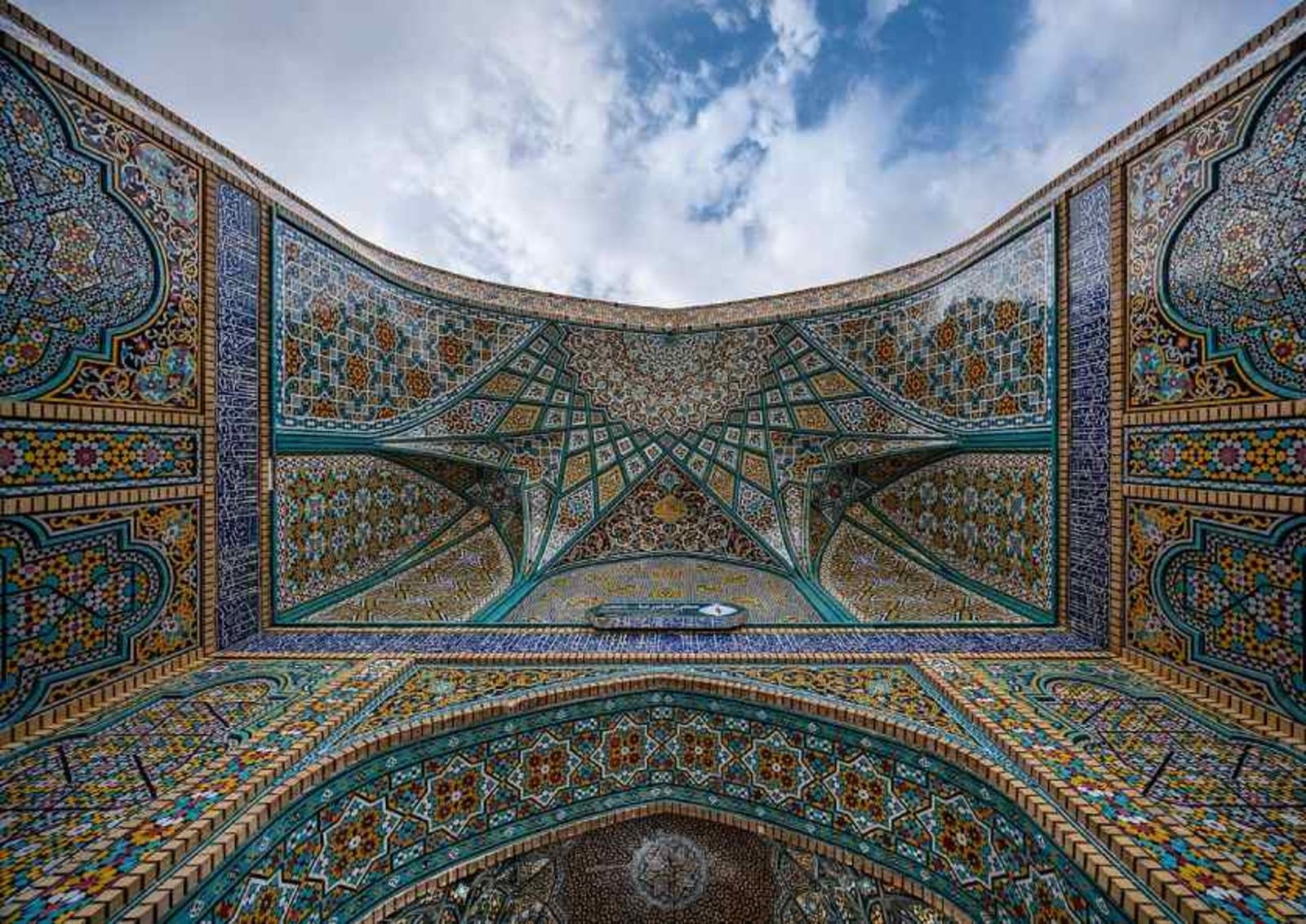
Where the Desert Meets Devotion: A Traveler's Guide to Qom
Just south of the sprawling capital, where the cool heights of Tehran give way to the arid plains of central Iran, lies a city that beats with a different kind of rhythm. Qom is not a place of casual tourism; it is a destination of profound spiritual significance, a city that has been a center of Shia scholarship and pilgrimage for over a thousand years. For the international visitor, a journey here is an opportunity to witness the living heart of Iran's religious life, to stand in the shadow of a magnificent golden dome, and to understand a culture that has shaped the nation's identity. This guide will walk you through everything you need to know for a respectful and enriching visit, from navigating the journey from Tehran to understanding the etiquettes of its most sacred site.
Where is Qom?
Qom is the capital of Qom Province and is situated approximately 125 to 150 kilometers south of Tehran . Its location is strategically important, placing it on the main north-south highway and railway corridor that connects the capital to the historic cities of Kashan and Isfahan . This makes it an incredibly accessible destination, whether as a dedicated day trip from Tehran or a significant stop on a longer journey through central Iran. The city itself sits on a flat, semi-desert plain, with the arid landscape contrasting sharply with the lush, manicured gardens and intricate tilework of its religious complexes.
How to Get to Qom from Tehran
Traveling to Qom from Tehran is straightforward, with several options to suit different budgets and schedules. The most convenient and stress-free way to manage your journey is to plan it through Mehyar. You can check bus and train schedules and even book a private taxi directly in the app, all with transparent pricing.
By Train:
The train is a comfortable and reliable option. Trains depart frequently from Tehran's main railway station, and the journey takes around two and a half to three hours . The train ride itself is a pleasant way to see the landscape change from the mountains to the desert. You can book tickets in advance through the Mehyar app to avoid any last-minute hassle at the station. Upon arrival at Qom's railway station, which is a short distance from the city center, you can easily use Mehyar Taxi to reach your hotel or the shrine.
By Bus:
Buses are the most frequent and often the cheapest form of intercity transport in Iran. They depart from several terminals in Tehran, such as the Southern Terminal (Terminal-e Jonub), with departures running throughout the day. The journey takes about two to two and a half hours. You can browse and book bus tickets through the Mehyar Buses feature, securing your seat before you even arrive in Iran. This is a great way to travel like a local.
By Private Taxi:
For the ultimate convenience, especially if you are traveling with family or luggage, a private taxi is an excellent choice. The drive from Tehran to Qom takes roughly 1.5 to 2 hours via the Tehran-Qom Freeway . Booking a private transfer through Mehyar Taxi means a driver will pick you up directly from your hotel or the airport, handling all the logistics and dropping you at your precise destination in Qom. This door-to-door service is particularly valuable if you are arriving at Imam Khomeini International Airport and want to head straight to Qom.
A Journey Through Time: The History of Qom
Qom's history is deeply intertwined with Shia Islam. The city gained its preeminent status in the 9th century when Fatima Masumeh, the sister of the eighth Shia Imam, Ali al-Rida, fell ill and died here while traveling to reunite with her brother . She was buried in the city, and her shrine has since become one of the most significant pilgrimage sites in the Shia world, second only to the shrine of Imam Reza in Mashhad . This event transformed Qom from a modest settlement into a major center of learning and pilgrimage. Over the centuries, particularly during the Safavid era, the shrine was expanded and embellished, becoming the magnificent complex we see today . The city also became a renowned center for Shia seminaries, attracting scholars and students from across the globe and earning it the title of Iran's "religious capital" .
The Heart of Qom: The Holy Shrine of Fatima Masumeh (Haram)
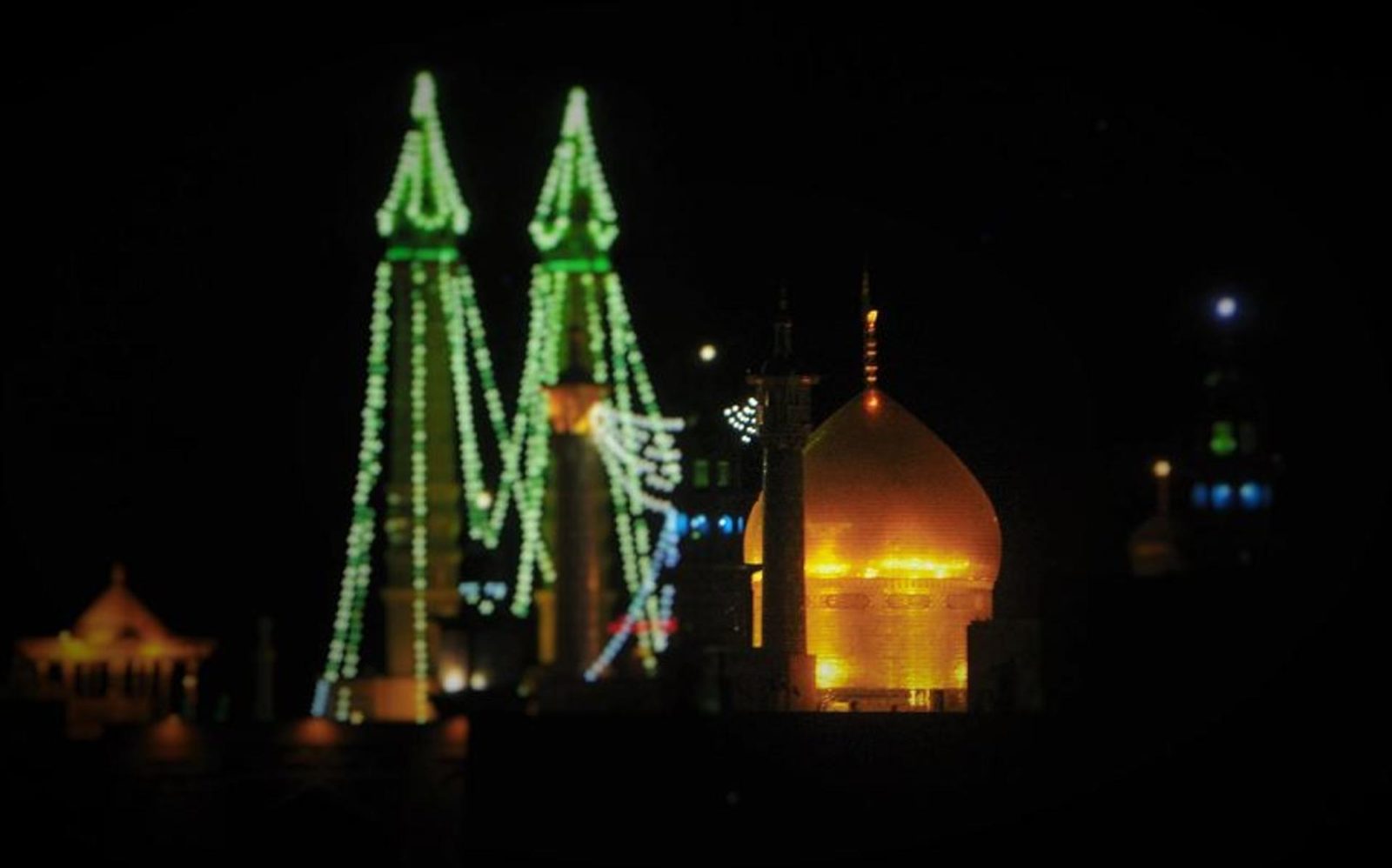
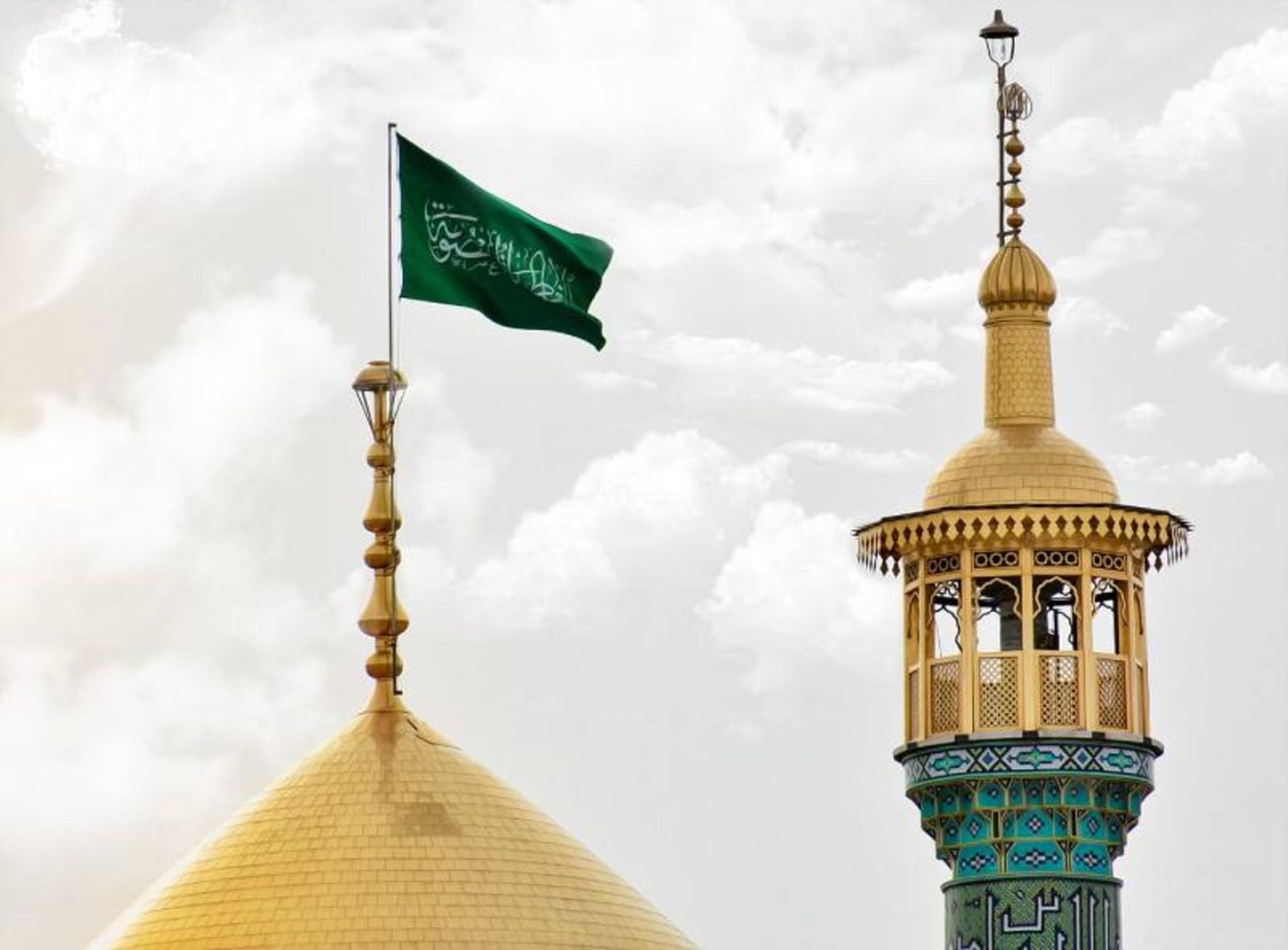
The Haram, or Holy Shrine of Fatima Masumeh, is the focal point of Qom and the reason for its spiritual prominence. The complex is a breathtaking masterpiece of Islamic architecture, featuring a stunning golden dome, towering minarets, and expansive courtyards adorned with intricate tilework .
Visiting the Shrine: Etiquette and Access
A visit to the Haram is a profound experience, but it is important to approach it with respect. The site is not a museum but a place of active, deep worship.
Dress Code: Modest dress is mandatory for everyone. Women must cover their hair and body with loose-fitting clothing. A chador, a full-body cloak, is required to enter the inner shrine areas. These are available free of charge at the entrance gates (Gate No. 1 is often mentioned for this purpose) . Men should also dress modestly, avoiding shorts and sleeveless shirts.
Non-Muslim Access: Non-Muslim visitors are generally welcome to enter the expansive courtyards of the shrine, which are themselves architecturally stunning . However, access to the innermost sanctum, the room containing the tomb, is restricted to Muslims. Official guidelines suggest that non-Muslims visit in groups accompanied by a guide approved by the shrine authorities, though in practice, individual travelers are often granted access to the courtyards with discretion . It is always best to be respectful and ask at the entrance.
Photography: Discreet photography with a mobile phone is often permitted in the courtyards, but large cameras are discouraged. Always be mindful of the worshippers around you and avoid taking photos of people without their permission .
What to See and Do
Beyond the central tomb, the shrine complex includes three large prayer halls, several courtyards, a museum, and a library . Take time to sit in the courtyards, observe the pilgrims, and appreciate the serene yet powerful atmosphere. The Astaneh Moqaddaseh Museum (Qom Central Museum) is located within the complex and houses a fascinating collection of historical Qurans, manuscripts, and artifacts related to the shrine .
Jamkaran Mosque
After the main shrine, the most significant religious site in Qom is the Jamkaran Mosque. Located about 6 kilometers east of the city, this mosque is believed by Shia Muslims to have been founded on the orders of the Hidden Imam, making it a place of special veneration . The mosque is particularly famous for its Tuesday evening prayers, where a special ceremony is held. It is open 24 hours a day, and a visit at night, when the mosque is beautifully illuminated, is highly recommended . The atmosphere here is different from the Haram, more intimate and filled with a sense of popular devotion. You can see people writing their prayers and wishes on small pieces of paper and placing them in special boxes, a unique and touching tradition . Mehyar Taxi can easily take you there and back.
Beyond the Shrine: Other Things to See and Do in Qom
While the shrine is the centerpiece, Qom has other attractions that offer a glimpse into its history and daily life.
Qom Old Bazaar: Located near the shrine, this historic market is a maze of covered alleys. It's the perfect place to buy local souvenirs, especially religious artifacts, textiles, and the city's most famous sweet, sohan. The bazaar is divided into an old and a new section, and its architecture is a testament to Iran's trading history.
Feyzieh Religious School: This is one of the most important seminaries in Qom. While you may not be able to enter all parts, seeing the building and its surroundings gives you a sense of the city's scholarly atmosphere .
Imam Khomeini Historical House: This is a small, free museum located in the city center, offering a look into the life of the founder of the Islamic Republic .
The Flavors of Qom: Local Food and Sweets
No trip to Qom is complete without tasting its famous local specialties.
Sohan: This is Qom's signature souvenir. It is a rich, crunchy brittle made from wheat sprout, butter, saffron, and pistachios or almonds. You will find hundreds of shops selling it, especially around the shrine. The best place to buy it is directly from a factory or a reputable shop.
Local Dishes: Qom has a distinct culinary tradition with hearty, traditional Iranian dishes. Be sure to try Abgoosht-e Havij Barge (a meat and carrot stew) or Kofteh-ye Qomi (Qomi-style meatballs). For a quick and delicious meal, the many kebab shops near the shrine serve excellent grilled meats and fresh bread .
Practical Information for Your Visit
Where to Stay
Most visitors choose to stay near the shrine. There is a wide range of accommodation options, from simple mosaferkhanehs (traditional inns) and budget hotels to more comfortable 4-star hotels. The closer you are to the Haram, the higher the demand. Using the Mehyar Hotels feature, you can compare prices and book a hotel that fits your budget and needs, ensuring a comfortable stay just a short walk from the shrine's entrance.
Best Time to Visit
The best time to travel to Qom is during the spring (March to May) and autumn (September to November). During these months, the weather is mild and pleasant, perfect for walking and exploring . Summers are extremely hot and dry, while winters can be cold.
Getting Around
Getting around Qom is easy. For short trips within the city center, walking is the best way to soak in the atmosphere. For longer distances, like going to Jamkaran Mosque, Mehyar Taxi is the most convenient option. The app allows you to book a ride quickly and pay using the Mehyar Wallet, avoiding the need to carry cash.
Money and Payments
While some smaller shops may still prefer cash, digital payments are becoming increasingly common. The easiest way to manage your expenses is to set up the Mehyar Wallet and use your tourist card. This allows you to pay for taxis, hotels, and even your bus tickets seamlessly within the app.
Conclusion: A Journey of the Soul
Qom is more than a city; it's an experience that stays with you. It offers a rare and authentic glimpse into the spiritual heart of Iran. Standing in the vast courtyard of the Haram, surrounded by the quiet murmur of prayers and the stunning beauty of Islamic art, you connect with a history and a faith that is profoundly moving. Plan your visit with Mehyar to ensure a respectful, comfortable, and deeply enriching journey to this extraordinary city. For your next steps, consider exploring our guides to the historical wonders of Kashan or Tehran. And to prepare for your entire journey in Iran, be sure to read our essential tips on what to wear.