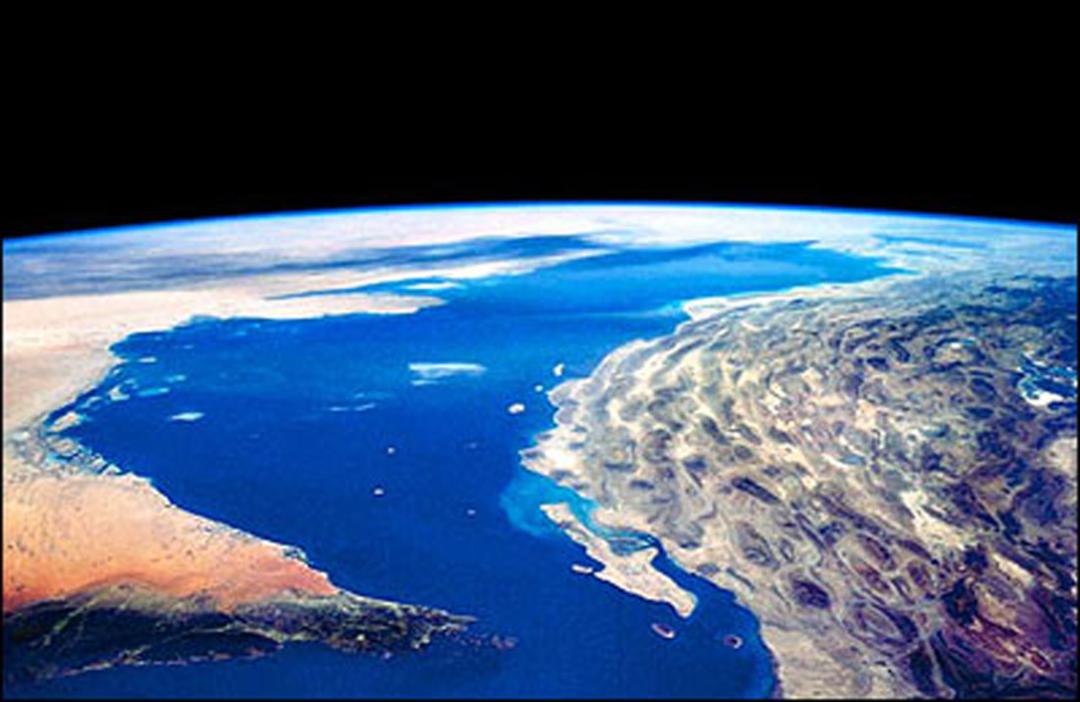
Between the sun-scorched coast of Hormozgan Province and the Musandam Peninsula of Oman lies a corridor of water so narrow, and so consequential, that the global economy bends around it. The Strait of Hormuz is the only sea passage linking the Persian Gulf to the Gulf of Oman and the open waters of the Indian Ocean, and roughly thirty percent of all seaborne oil in the world passes through it. Yet for all its geopolitical weight, the strait is also one of the most rewarding corners of Iran for travelers: a realm of rainbow mountains, mangrove forests, salt caves, and fishing villages where dhows still set out at dawn. This guide walks you through what the strait is, why it matters, and how to experience it yourself.

Geography of a Vital Waterway
The strait runs for about 167 kilometers between Iran's Hormozgan Province and Oman's Musandam exclave. At its narrowest it is only 39 kilometers wide, while its widest stretch reaches 96 kilometers. Despite the enormous tonnage it carries, it is a surprisingly shallow passage: depths near the Iranian island of Lark average around 36 meters, plunging to more than 100 meters only close to Musandam. The navigable shipping lane in either direction is just 3.7 kilometers wide, and inbound and outbound traffic is separated so that tankers pass within a few kilometers of both the Iranian and Omani coasts.
Jurisdictionally, the strait is a marvel of compromise. Iran and Oman each claim a 12-nautical-mile territorial sea from their shores, and between the two zones remains a corridor of international waters about 3 kilometers wide, through which every ship on earth is legally free to pass. This arrangement follows the United Nations Convention on the Law of the Sea concluded in 1982, the framework that still governs passage through the strait today.
The name has a romantic origin. Most scholars trace "Hormuz" to the island of the same name that once dominated the passage; others say it derives from the local Persian word "Hoormoogh," meaning a palm grove, a fitting tribute to the date gardens that once lined these shores. Either way, the name has been spoken by sailors, merchants, and emperors for more than six centuries, because for all that time this has been the main trade artery between the East and the West.
Why the World Watches This Strait
The numbers behind the strait are staggering. The Persian Gulf region holds roughly 60 percent of the world's proven oil reserves and about 40 percent of its natural gas reserves, and almost every barrel and cubic meter bound for distant markets must exit through this single passage. If the strait were ever closed, global markets would face a shortfall of around 20 million barrels per day, a gap no pipeline system on earth could fully replace. The dependence is not evenly shared: Iraq routes about 98 percent of its oil exports through the strait, Iran about 90 percent, and the United Arab Emirates nearly all of its seaborne crude. Japan imports around 75 percent of its oil along this route, and Asian economies in general are by far the largest customers of Gulf energy.
That is why the Strait of Hormuz is commonly ranked the third busiest shipping chokepoint in the world, after the Strait of Malacca and the Suez Canal. Every day, dozens of enormous crude carriers, liquefied natural gas tankers, and container ships thread the narrow channel, escorted by naval vessels from many nations. Standing on a hilltop on Qeshm or Hormuz island in the evening and watching the parade of lights move slowly eastward is one of the great, unexpected travel spectacles of southern Iran.
Islands on the Iranian Side
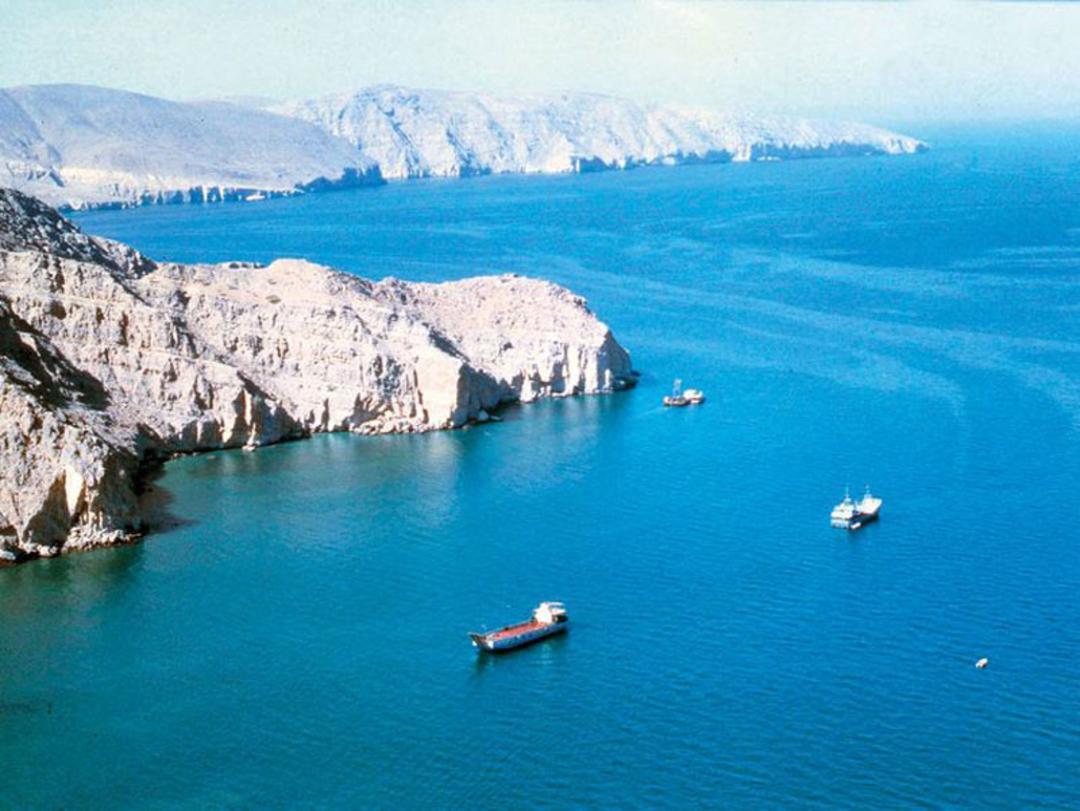
Four islands anchor the Iranian side of the strait, and each rewards a visit. Qeshm, the largest island in the Persian Gulf, stretches over 100 kilometers and packs in a lifetime of natural wonders: the contorted rock of Stars Valley, the salt caves of Namakdan, the mangrove forest of Hara, and the port of Laft with its ruined watchtowers and wind catchers. Hengam, a short boat ride south of Qeshm, is a small, quiet island with silver beaches where dolphins gather offshore.
Hormuz island itself, only a few kilometers from Bandar Abbas, is the strait's jewel. Its soil is so rich in iron oxide that the beaches and cliffs glow red, ochre, and gold, and local artists have turned that palette into a flourishing community of murals and eco-lodges. The Rainbow Valley and the Valley of the Statues are easy half-day walks. Lark, the fourth island, is a low coral-and-sand platform largely uninhabited, ringed by the shallow water where the strait's depth barely exceeds 36 meters. Between these islands, ferries, speedboats, and traditional lenj boats shuttle constantly, making island-hopping one of the signature experiences of any trip to the southern coast.
The Persian Gulf Along Iran's Coast
Beyond the strait, the Persian Gulf unfolds along 900 kilometers of Iranian coastline, from Bushehr's palm groves in the west to the mangroves of Sistan-Baluchestan in the east. Water temperatures stay warm for most of the year, and the region's winter climate, sunny and mild while the rest of the country freezes, makes the south Iran's great cold-season destination. Bandar Abbas, the provincial capital, offers the Hindu Temple, the old bazaar, and fish restaurants where the catch arrives from the boat in the morning. Farther along the coast lie the unique geological formations of Kharg and the Lavan islands, the beaches of Kish, and the traditional ports where Persian, Arab, Indian, and African influences blend into a culture found nowhere else in the country.
History Written in Salt and Trade
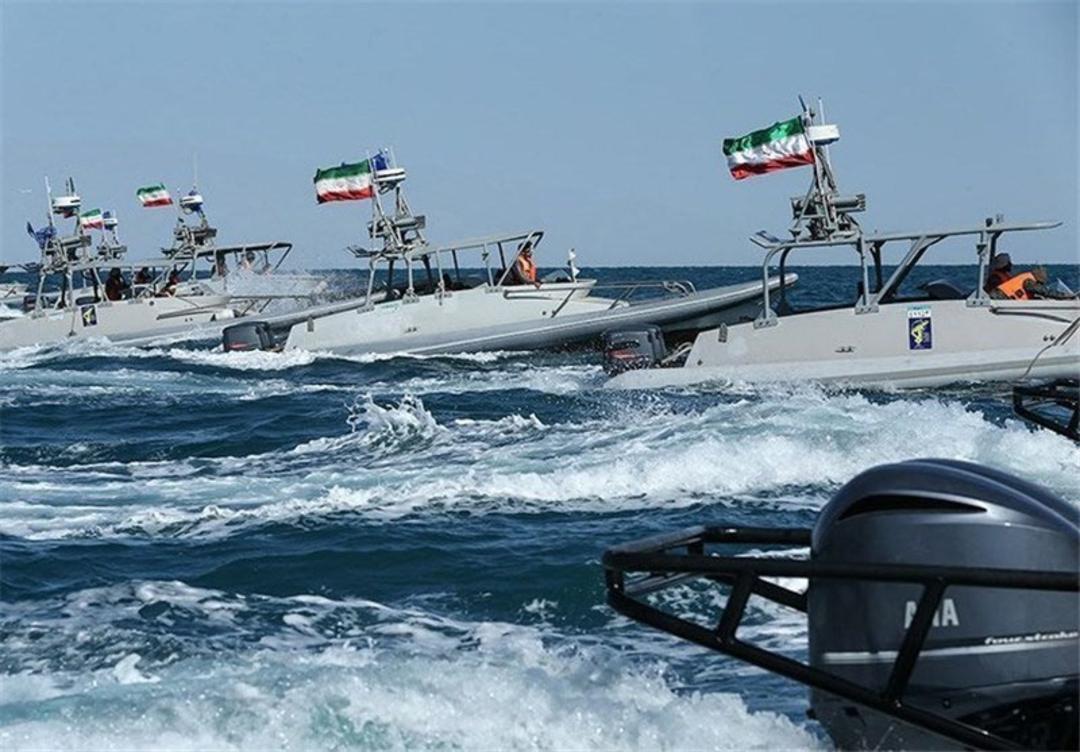
For six centuries and more, the strait has been the hinge of world commerce. Portuguese fleets seized Hormuz island in the early sixteenth century and held it for over a hundred years, building the fortress whose ruins still stand above the modern village. Before them, the passage carried the trade of the Ilkhanid and Timurid eras, and Marco Polo described the port's crowded bazaars. After the Portuguese were expelled, the center of gravity shifted to Bandar Abbas, named for Shah Abbas I, and the goods of Asia flowed through it toward Isfahan, the Safavid capital. Every fort, cistern, and mosque along these shores is a footnote to that long story.
Planning Your Visit
The best months are November through March, when temperatures stay in the comfortable twenties and the humidity is bearable. Summer is punishingly hot, with heat and moisture that can make midday activity dangerous. Bandar Abbas is the main gateway, with daily flights from Tehran, Shiraz, and Isfahan, plus rail connections. From the city, boats leave regularly for Hormuz island, and the 45-minute ferry or short flight reaches Qeshm. Local drivers and small tour operators on both islands arrange circuits of the natural sights, and seafood in the ports is among the freshest in the country. Carry sun protection and plenty of water at all times, and build at least three days into your itinerary if you want to see both Qeshm and Hormuz properly.

Why the Strait of Hormuz Belongs on Your Itinerary
Few places on the planet let you stand at the meeting point of geology, history, and global commerce the way the Strait of Hormuz does. You can walk a rainbow-colored valley in the morning, watch dolphins off Hengam at noon, and end the day watching supertankers glide through the world's energy lifeline, all within a few dozen kilometers. The strait is a reminder that Iran's south is not a footnote but a headline, a region whose landscapes and cultures are unlike anything in the rest of the country. Come for the story the world tells about it, and stay for the beauty it keeps to itself.