
You land in Tehran after a long flight. Before you even think about currency exchange or finding your hotel, you reach for your phone. Will it work here? Can you message your family? Can you open a map? The answer is yes, but with a few important caveats that every visitor to Iran should understand before arrival. This guide walks you through everything: how to get a local SIM card or use your existing eSIM, what data actually costs, why some websites behave differently here, and which apps will genuinely make your trip smoother. By the end, you will know exactly how to stay connected from the moment you step off the plane.
Where Is This Information Most Useful?
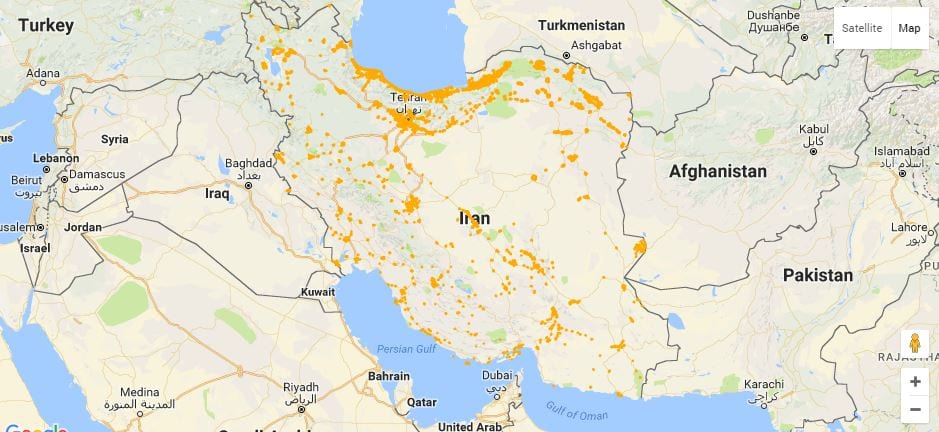
Connectivity matters everywhere in Iran, from the bustling streets of Tehran to the quiet alleys of Yazd and the shores of the Persian Gulf islands. The guidance below applies nationwide, though you will find the strongest signals and the fastest data in major cities like Tehran, Isfahan, Shiraz, Mashhad, and Tabriz. Rural areas and long desert stretches between cities can have weaker coverage, so plan accordingly if your itinerary takes you off the main tourist routes.
How to Get Online: Your Options
Airport SIM Cards
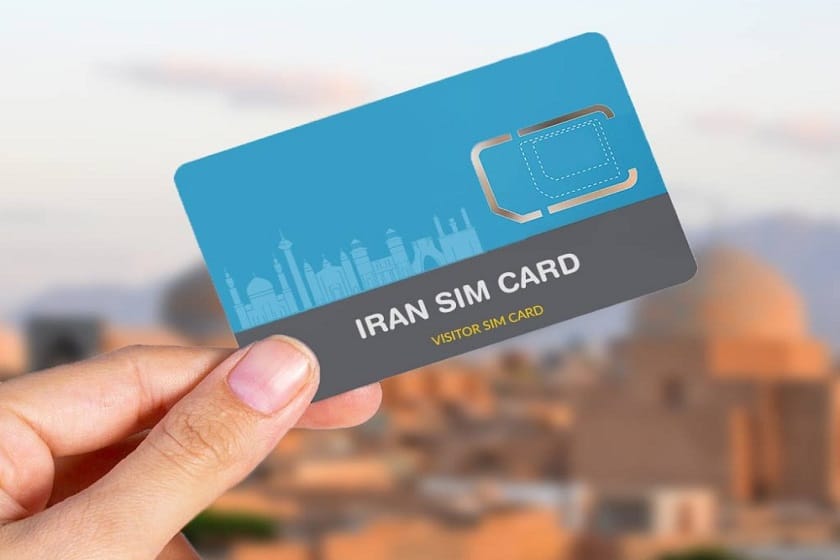
The most traditional way to get connected is to buy a local prepaid SIM card upon arrival. Major international airports, including Imam Khomeini International Airport in Tehran, have kiosks where you can purchase a SIM from one of Iran's main operators. You will need your passport, and the registration process, while straightforward, involves a brief form and identity verification. Expect to pay somewhere between two and five US dollars for a prepaid SIM with a reasonable data package, often around ten gigabytes to start . The two dominant operators are Irancell and MCI (Hamrah-e Aval), both offering 4G coverage in populated areas and decent speeds for messaging, maps, and browsing.
The advantage here is immediate connection. The disadvantage is that airport kiosks sometimes have limited hours, and if your flight arrives late at night, you may find them closed. Also, while the SIM itself is cheap, you will need to top up later, which means finding a vendor or using an app.
Mehyar SIM: A Smoother Path
If you would rather not deal with the airport kiosk scramble, Mehyar offers a SIM solution designed specifically for international visitors. Through the Mehyar app, you can arrange your connectivity before you even land, or shortly after arrival, with clear pricing and English-language support. This removes the guesswork around which operator to choose, how much to pay, and how to activate. The Mehyar SIM integrates naturally with the rest of the Mehyar ecosystem, so your data, your rides, and your bookings all live in one place. It is worth checking availability for your arrival city when you plan your trip.
eSIM: Convenient but Complicated
eSIM technology has grown popular among travelers worldwide, and you might wonder if it works in Iran. The answer is: sometimes, with caveats. International eSIM providers do offer Iran plans, typically routing your data through foreign networks . This can be convenient because you set it up before you travel and activate it upon landing. However, there are real limitations. First, not all phones support eSIM, so check your device compatibility carefully. Second, because your traffic is routed internationally, you may still encounter restrictions on certain services, and speeds can vary. Third, eSIM plans for Iran tend to be more expensive per gigabyte than a local SIM. For a short trip where convenience outweighs cost, an eSIM can work well. For longer stays or heavy data use, a local SIM or the Mehyar SIM is usually the better value.
Public Wi-Fi
Hotels, cafes, and many restaurants in Iranian cities offer free Wi-Fi. The speed varies, and you should not rely on it for anything critical like a work video call, but it is perfectly adequate for checking messages or looking up a restaurant menu. Do not expect to stream video smoothly on public networks.
Understanding Data Costs and Top-Ups
Data in Iran is genuinely inexpensive by international standards. A prepaid SIM with a generous data package costs just a few dollars, and topping up is similarly cheap. You can purchase top-up cards from convenience shops, supermarkets, and mobile phone stores throughout the country. The official operator apps, such as MyIrancell, also allow you to buy data packages directly if you have a local payment method . For most tourists, the Mehyar wallet is the simplest way to manage top-ups without needing a local bank card. You load funds into your Mehyar wallet, and from there you can pay for data, rides, and other services seamlessly. This avoids the hassle of carrying cash for small purchases and the confusion of navigating unfamiliar payment systems.
The Reality of Filtering and VPNs

Here is the part that surprises many visitors: the internet in Iran is filtered. This means some websites and apps that you use daily may not be accessible without additional tools. Popular social media platforms, messaging apps, and some international news sites are commonly affected. This is not a technical glitch; it is a deliberate policy.
Many travelers use a VPN (Virtual Private Network) to access these services. A VPN routes your internet traffic through a server in another country, which can bypass local restrictions. If you plan to use a VPN, install it before you arrive, because downloading one from inside Iran can be difficult. Once installed, you activate it when needed and turn it off when you want to save data and battery.
It is important to be honest about the current situation: VPN usage is monitored, and the effectiveness of any particular VPN can change quickly . Some services that worked reliably a few months ago may slow down or stop working. There is no guaranteed solution, and you should not expect the same level of unrestricted access you enjoy at home.
That said, for most tourists, the essential functions work fine without a VPN: local maps, ride-hailing through Mehyar Taxi, hotel bookings through Mehyar Hotels, and communication with your accommodation. Plan your connectivity around what you actually need, and you will be fine.
The Apps You Actually Need
Mehyar: Your Travel Hub
The Mehyar app is designed to be the central tool for your trip. Within it, you will find:
Mehyar Taxi: Request a ride with upfront pricing, similar to ride-hailing apps you know. This works well in major cities and is integrated with your Mehyar wallet for seamless payment.
Mehyar Wallet: Top up once and pay for rides, data, and more without fumbling for cash.
Mehyar Hotels: Browse and book accommodation with clear pricing and no language barrier.
Mehyar Buses and Flights: Plan intercity travel and book tickets directly.
Mehyar Planner: Organize your itinerary, save places, and get suggestions based on your interests.
Using Mehyar consolidates your travel tools into one place, which reduces the number of apps you need to manage and keeps your payments and bookings organized.
Maps and Navigation
Google Maps works in Iran, but its traffic estimates can be unreliable, especially in congested cities like Tehran. For accurate traffic data, consider using Waze, though you will need a VPN to use it. Alternatively, local map apps like Neshan and Balad are designed for Iranian roads and work without a VPN . They are in Persian, but the interface is intuitive enough for basic navigation. Download offline maps before you travel, especially if your itinerary includes rural areas or long drives between cities.
Translation
Google Translate is invaluable, particularly the offline dictionary feature. Download Persian before you arrive so you can translate signs and menus even without a data connection. The camera translation feature is also helpful for reading Persian text on signs or documents.
Communication
WhatsApp is widely used in Iran, and many Iranians rely on it for messaging. However, it may be filtered, so you will likely need a VPN to use it reliably. Instagram is also popular, particularly for businesses like restaurants and guesthouses, but again, access may require a VPN. For staying in touch with family and friends back home, plan for the possibility that you may need a VPN for these services.
Payments and Ride-Hailing
Beyond Mehyar, the local ride-hailing apps are Snapp and Tapsi. These are useful fallbacks if Mehyar Taxi is not available in a particular area, but Mehyar should be your first choice because of its integration with the wallet and its English-language support. For payments, the Mehyar wallet is the most tourist-friendly option. Carrying cash is still necessary in some situations, particularly in smaller towns or for small purchases, but Mehyar reduces how often you need to dig for bills.
Registration Rules for Your Phone

Iran requires mobile phones to be registered to work on the local network. For tourists, there is usually a grace period. If you enter with a foreign phone and use a local SIM, your device will typically work for about one month without registration . If you plan to stay longer than a month, you will need to register your phone, which involves paying a fee based on the phone's value. This process can be done at customs upon arrival or at authorized locations. For most visitors on shorter trips, this is not something you need to worry about. Just be aware of the rule if your plans extend beyond the typical tourist stay.
Practical Tips for Staying Connected
Download offline resources before you travel. Maps, translation dictionaries, and any documents you might need should be saved to your phone so they are available without data.
Charge your phone whenever you can. Long days of sightseeing with GPS and camera use will drain your battery quickly. A portable power bank is a wise investment.
Do not rely on public Wi-Fi for sensitive tasks. If you need to access your bank or make important transactions, use your mobile data and consider whether a VPN is appropriate for that service.
Keep your Mehyar wallet topped up. Running out of funds mid-ride or mid-booking is frustrating. A quick top-up through the app takes seconds and ensures you are never stuck.
Be patient with speeds. Internet in Iran is functional but not always fast. Adjust your expectations, especially if you are used to fiber-optic speeds at home.
A Final Word on Connectivity
Staying connected in Iran is entirely manageable with a bit of preparation. The combination of a local SIM or Mehyar SIM, the Mehyar app for rides and payments, and a clear understanding of filtering will keep you online and stress-free. Do not let connectivity worries overshadow your trip. Iran is a country of remarkable hospitality, stunning landscapes, and deep history. With your phone sorted, you can focus on what matters: experiencing it all.
When you are ready to plan your journey, open Mehyar, top up your wallet, and let the app handle the logistics. For more practical guidance, see our articles on paying in Iran and booking hotels and rides.