
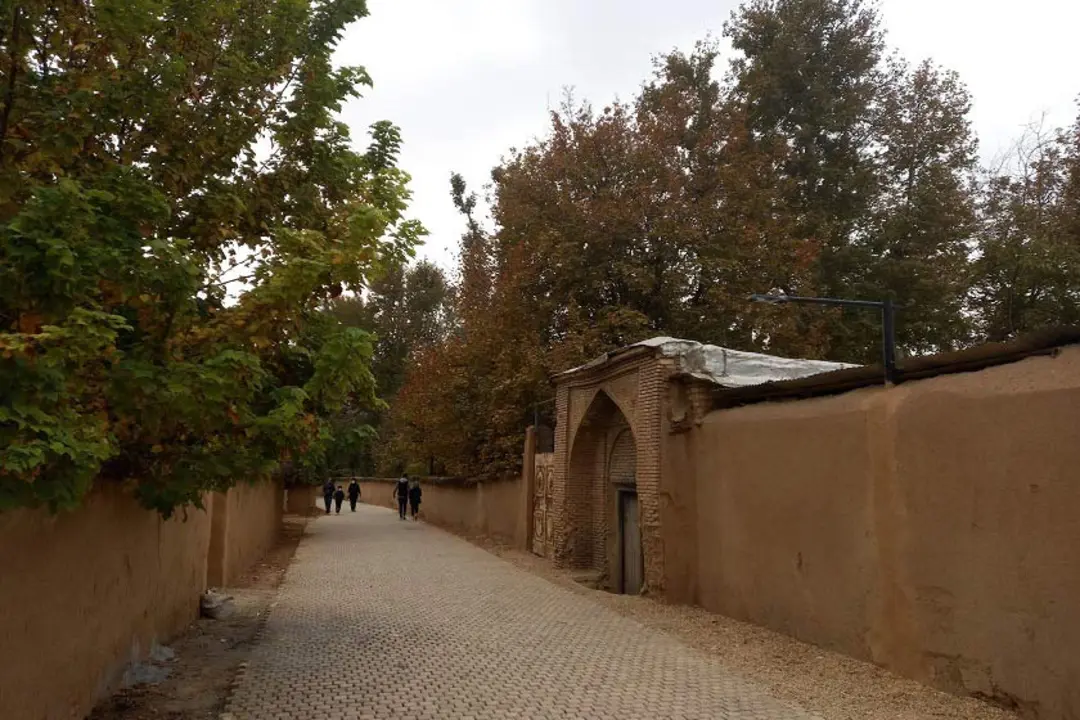
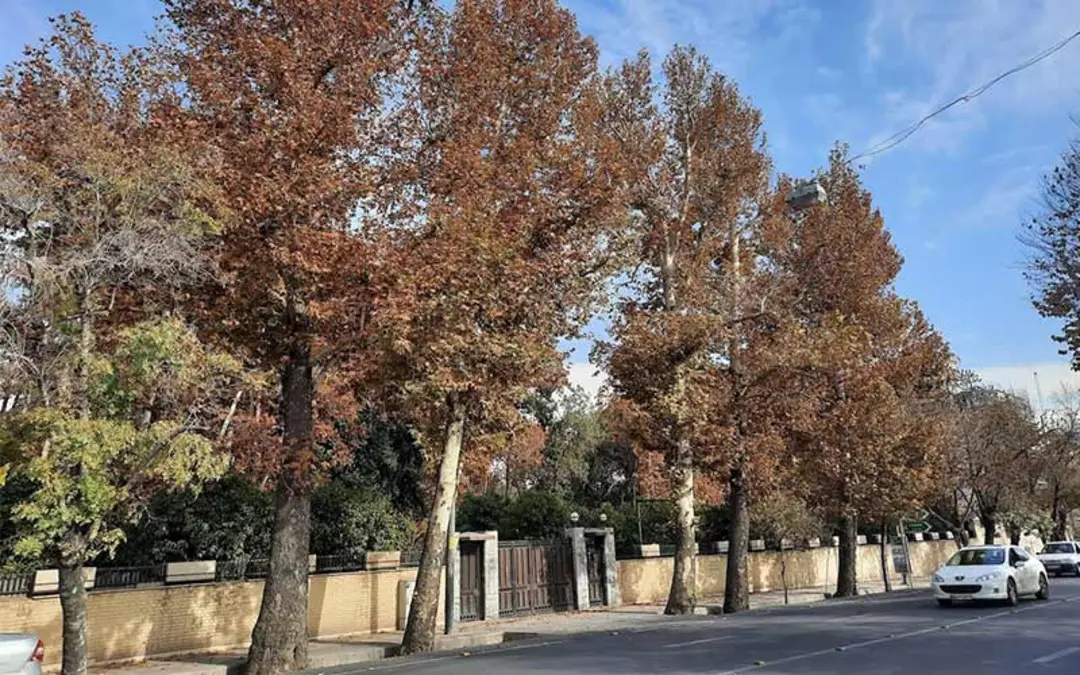
In the northwest corner of Shiraz, past the traffic and the noise of a modern Iranian city, there lies a neighborhood that feels like a village caught inside an expanding metropolis. Qasr Dasht is one of the oldest and most beloved districts of Shiraz, a place where tall plane trees lean over mud walls, pomegranate branches peek above garden fences, and the pace of life slows to a stroll. For visitors who know Shiraz only through Hafez and Persepolis, this green quarter offers something different, a living Shirazi neighborhood where locals still gather in garden alleys and young couples pose for wedding photographs beneath ancient trees.
Where Is Qasr Dasht?
Qasr Dasht sits in District 1 of Shiraz municipality, in Fars Province in southern Iran. The main Qasr Dasht Street runs from the southeast, beginning at the intersection known locally as Chaharah-e 15 Khordad (formerly called Paramount), and stretches northwestward to Qasr Dasht Square. The entire neighborhood lies roughly four kilometers from the Maaliabad commercial district, and the wider area is bounded by Chamran Boulevard to the east, Motahhari Boulevard (also called Zargari) to the north, and the Kosar highway to the west.
Historically, when Shiraz was a much smaller city, Qasr Dasht functioned as a rural retreat, a summer escape for wealthy families who wanted to leave the heat and bustle of the urban core. Over the centuries, the city grew outward and swallowed these gardens whole, but the essential character of the place has survived. Today it stands as one of the few remaining green belts within Shiraz, and locals treat it with the affection reserved for a place that has witnessed centuries of change.
A Brief History
The origins of Qasr Dasht trace back to the Zand dynasty, specifically the reign of Karim Khan Zand in the eighteenth century. In those days the area was known by two names: Masjed Bardi and Sharbat Khaneh Shiraz. It served as a pleasure garden and retreat for the ruling elite. The gardens flourished under the Zand rulers and their successors, producing fruits such as grapes, persimmons, and pomegranates. The mud-wall construction style and the layout of narrow garden alleys date from this era and remain visible today.
Unfortunately, unregulated development in recent decades has threatened the historic fabric. Some old gardens have been replaced by apartment blocks, and preservation remains an ongoing challenge. Still, the core of the neighborhood retains its character, and walking through its older sections feels like stepping into a Shiraz that most guidebooks do not mention.
What to See and Do
Qasr Dasht Main Street
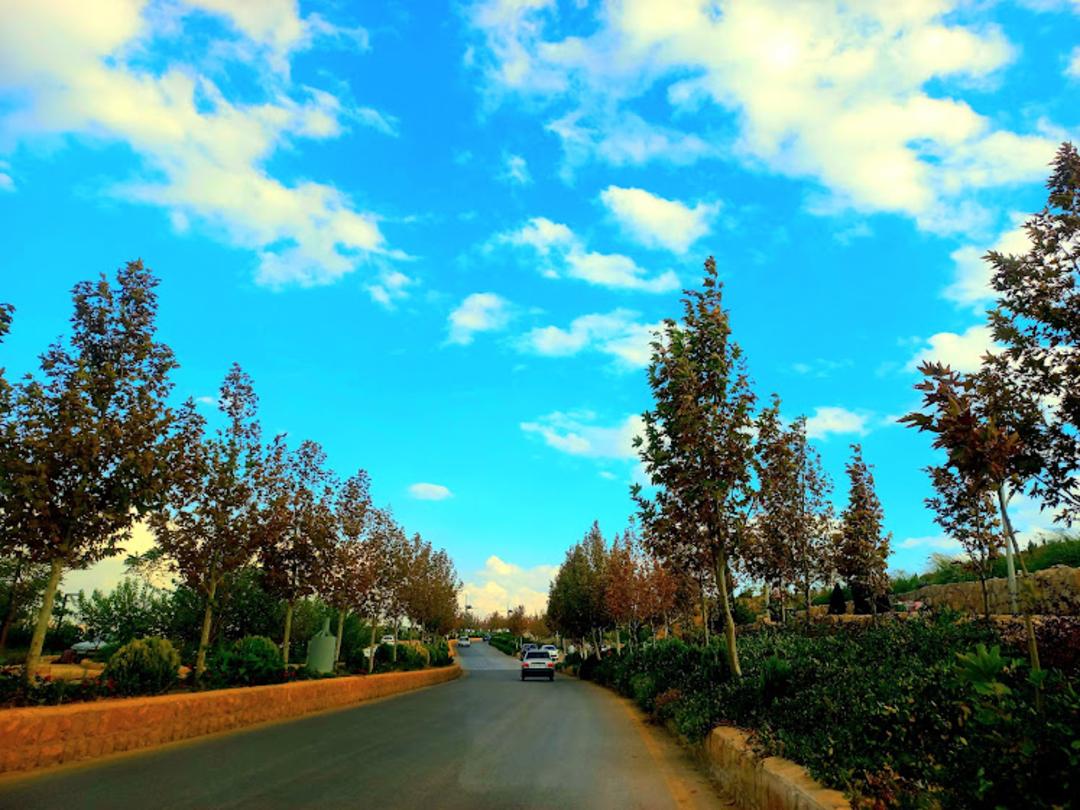
The main thoroughfare is a tree-lined avenue that runs the full length of the neighborhood. In its northern sections, tall trees arch over both sides of the road, creating a natural tunnel of green. The street is popular for evening walks, especially in spring and early summer when the weather is mild and the trees are in full leaf.
Shah Parivon Alley
One of the most photographed spots in the entire neighborhood is Shah Parivon Alley, located off Qasr Dasht Street 82. This narrow lane is famous for its overhanging trees and the dappled light that filters through the canopy. Photographers, wedding parties, and casual visitors all come here to capture the timeless atmosphere. It is perhaps the most evocative single spot in Qasr Dasht and a reminder of what Shiraz looked like before modernization.
Afifabad Garden and Street
The Afifabad area, just south of the main Qasr Dasht axis, takes its name from the historic Afifabad Garden, one of the oldest gardens in Shiraz. The garden now houses a military museum, but the surrounding streets retain a leafy, residential quality. Cafes and small shops line the road, making it a good place to pause for tea or a light meal.
Roya Park
Located on Chamran Boulevard within the Qasr Dasht district, Roya Park is one of the older green spaces in the neighborhood. It offers walking paths, shaded benches, and a calm atmosphere. Families gather here on weekends, and the park serves as a pleasant rest point for visitors exploring the area on foot.

Shahzadeh Mohammad Imamzadeh
Within the Qasr Dasht neighborhood stands the Imamzadeh Shahzadeh Mohammad, a shrine dedicated to a descendant of the Shia Imams. The building features traditional Iranian architectural elements, including tilework and a peaceful courtyard. Visitors are welcome, and the site offers a moment of spiritual calm amid the garden walks.
Shajarian Pedestrian Way
Named in honor of the legendary Iranian musician Mohammad Reza Shajarian, this pedestrian promenade is a more recent addition to the neighborhood. It provides a car-free corridor for walking, jogging, and socializing. The walkway is particularly lively in the evenings when residents come out to enjoy the cool air.
Valiasr Street and Zargari Boulevard
For visitors interested in the modern side of the neighborhood, Valiasr Street offers a mix of cafes, boutiques, and parks. It is sometimes compared to Valiasr Street in Tehran for its popularity and energy. Further north, Zargari Boulevard (officially Motahhari Boulevard) is known as an upscale area with fine restaurants and elegant shops. If you want a high-quality Shirazi dining experience, this is where many locals would send you.
Rahmat Abad
One of the oldest and most nostalgic sub-neighborhoods within Qasr Dasht, Rahmat Abad is where the garden character is at its most pronounced. The trees here are particularly tall and ancient, and the garden alleys feel more secluded than anywhere else in the district. For a quiet, reflective walk, Rahmat Abad is the section to seek out.
How to Get There
Qasr Dasht is well integrated into the Shiraz transport network. From the city center, the distance is approximately 20 kilometers by road, which takes about 30 minutes in normal traffic. From Shiraz International Airport, the drive is roughly 25 kilometers and 35 minutes. From the Shiraz bus terminal, it is about 15 kilometers and 20 minutes.
By car or taxi: The most flexible option. From the city center, take Chamran Boulevard northward, or use the Kosar Highway. You can book a Mehyar Taxi from anywhere in Shiraz for a comfortable ride directly to the neighborhood. Parking is available along the main streets, though the narrower garden alleys are best explored on foot.
By metro: The Qasr Dasht metro station on Shiraz Metro Line 1 is located at the beginning of Golkhun Street, at the southeastern edge of the neighborhood. From the station, it is a pleasant walk northwestward through the garden streets.
By bus: The Qasr Dasht urban bus terminal operates 12 routes connecting the neighborhood to various parts of Shiraz, including terminals for Shahrak-e Bazin, Shahrak-e Javadieh, Shahrak-e Golestan, and Masjid-e Goym.
On foot: Once inside the neighborhood, the best way to explore is on foot. The garden alleys are narrow, shaded, and designed for walking, not driving. Plan for at least two to three hours to see the main highlights at a relaxed pace.
Hours and Tickets
Qasr Dasht is an open residential neighborhood, so there are no entrance fees or opening hours for the streets and garden alleys themselves. The area is accessible at all times. Individual sites within the neighborhood, such as Roya Park, Afifabad Garden, and the Imamzadeh, may have their own schedules. Afifabad Garden typically operates during daytime hours and charges a modest entrance fee. Most gardens and streets are best visited in the morning or late afternoon, when the light is soft and the temperature is comfortable.
Best Time to Visit
Spring is the ideal season for Qasr Dasht. In March and April, the fruit trees are in blossom and the gardens are vividly green. Early summer (May and June) is also pleasant, though temperatures begin to climb. Autumn brings golden leaves and a quieter atmosphere. Winter is mild in Shiraz, but some gardens lose their foliage and the neighborhood feels more subdued. Evening visits in any season are rewarding, as locals come out for walks and the street lighting adds a warm glow to the old mud walls.
Nearby Attractions
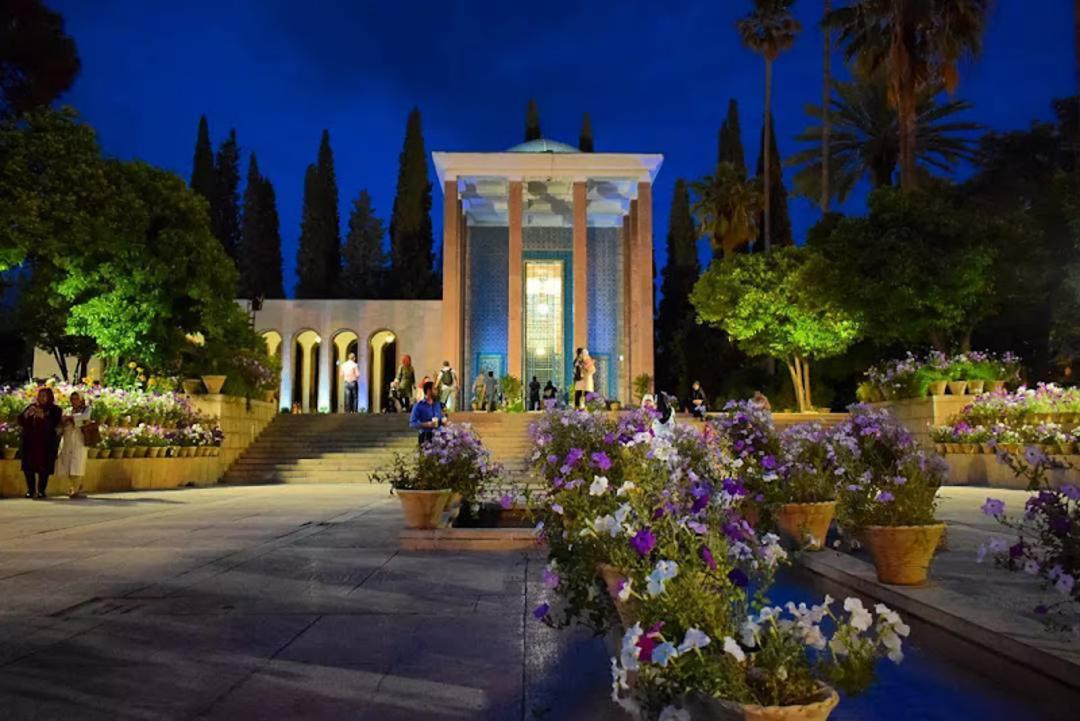
Qasr Dasht is close to several major Shiraz landmarks. The Shapouri Mansion, a beautifully restored Qajar-era house with a Persian garden, is a short drive to the southeast. The Tomb of Saadi, the beloved Persian poet, lies about five kilometers away in the western part of the city. The Shiraz Flower Garden (Bagh-e Golha) is also nearby, worth a visit for its seasonal displays. For a more active excursion, Mount Derak rises to the east of Shiraz and offers hiking trails with panoramic views over the city and its gardens.
Practical Tips
- Wear comfortable shoes. The garden alleys are uneven in places, and you will want to wander freely.
- Carry water, especially in summer. Shiraz can be hot, though Qasr Dasht is shadier and cooler than the open city squares.
- The neighborhood is residential. Respect private property and keep noise levels low in the garden alleys.
- Photography is welcome, but ask permission before photographing residents or private homes.
- Use Mehyar Wallet to pay for small purchases at local cafes and shops, as many vendors in the area accept digital payments.
- If you are staying in Shiraz for several days, return to Qasr Dasht more than once. The neighborhood reveals different moods at different times of day and in different seasons.
Qasr Dasht is not a monument or a museum. It is a living part of Shiraz, a neighborhood where the city remembers what it was before the highways and high-rises. For travelers who want to see Shiraz beyond the famous tombs and palaces, a walk through these garden alleys is essential.