
Tucked between the dense Hyrcanian forests and the shimmering Caspian Sea, Galugah is one of Mazandaran's most rewarding yet least visited destinations. Known across Iran as the "City of Rosewater," this small city in eastern Mazandaran offers travellers a rare combination of ancient history, untouched natural beauty, and living cultural traditions that have endured for over a thousand years. Far from the crowds of Ramsar and Namak Abroud, Galugah delivers an authentic Iranian Caspian experience that rewards those who venture off the beaten path.
Where is Galugah?
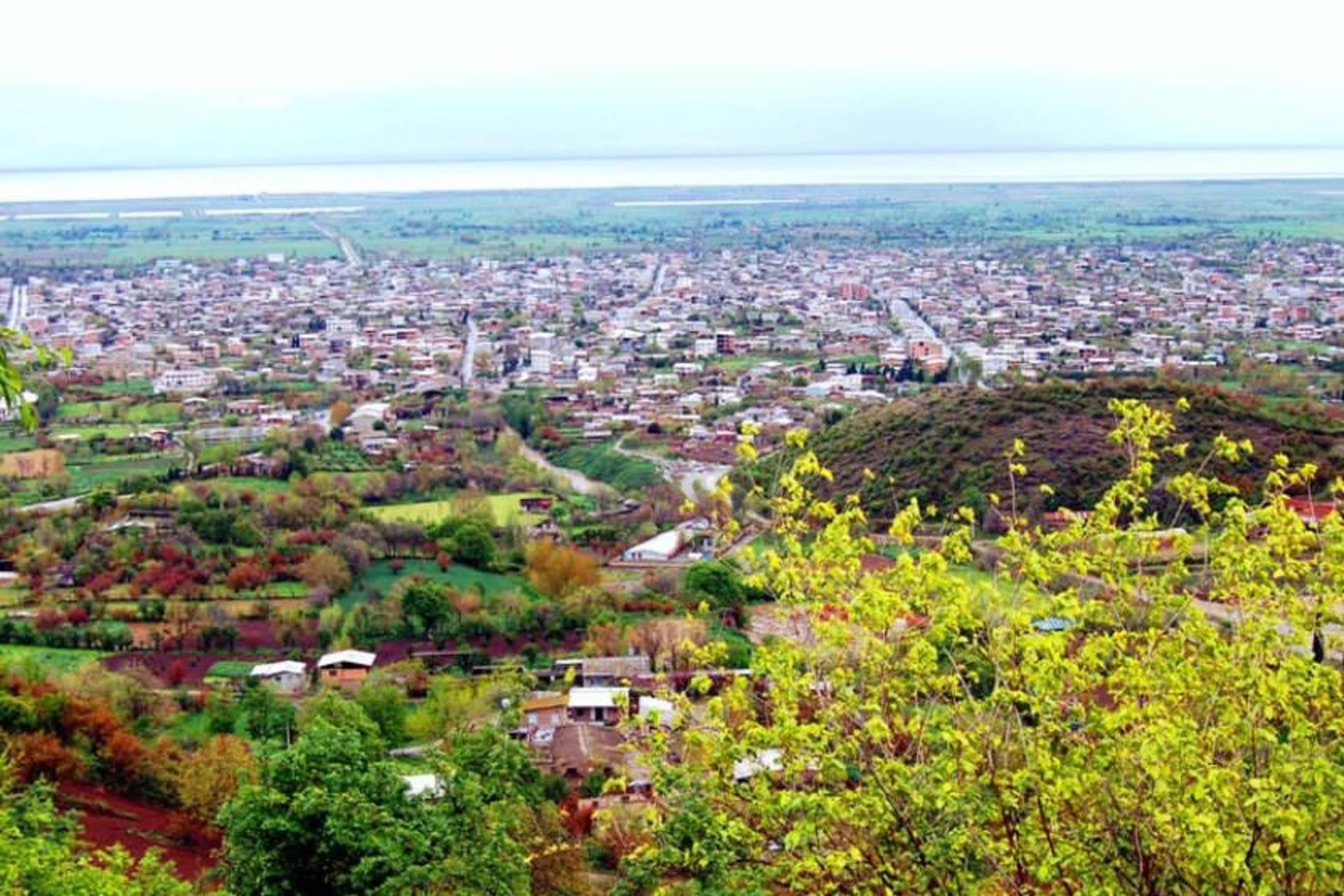
Galugah sits in the southeastern corner of Mazandaran province, just east of Behshahr and roughly 5 kilometres from the Caspian coast. The city lies at the foothills of the Alborz mountain range where the forested slopes give way to the coastal plain. Administratively, it belongs to Behshahr County and occupies a region that was historically known as Kabud Jameh (the "Blue-Garbed Land") during the early Islamic centuries. Before Galugah rose to prominence, the area was home to the ancient city of Namieh, once the largest settlement in the region during the first century of the Hijri calendar.
The city is reachable from Sari, the provincial capital, in about an hour's drive eastward, or from Behshahr in just fifteen minutes. From Tehran, the journey takes roughly four hours via the Haraz Road, one of the most scenic routes across the Alborz.
A Thousand Years of History
Galugah's story stretches back well over twelve centuries. Archaeological evidence, including ancient coins and tools uncovered at the site, places continuous habitation here as far back as 1,254 years ago. The original city of Namieh was destroyed during the Mongol invasion of the thirteenth century, and its inhabitants scattered across the region. What emerged in its place eventually became Galugah.
The area's strategic importance became clear during the rise of the Qajar dynasty. In the mid-eighteenth century, Aqa Mohammad Khan Qajar relocated the Omrānlu tribe, Turkic speakers originally from the Qarabagh and Qaradagh regions (in present-day Azerbaijan and East Azerbaijan province), to Galugah to guard the Caspian frontier against Turkmen raids. The tribe built fortifications along the coast of the Gorgan Gulf and established a citadel on the Miankaleh Peninsula, remains of which can still be traced today.
Two pivotal moments in Iranian history unfolded in this very area. The first was the defeat of Mohammad Hasan Qajar near the Garāvdin Hill in 1171 AH at the hands of Karim Khan Zand, which led to the founding of the independent Zand dynasty. The second was the consolidation of Qajar power, when Aqa Mohammad Khan's alliance secured control over all of Mazandaran, Gilan, Azerbaijan, and the Caucasus.
Tuskā Chashmeh: The Heart of Galugah's Natural Beauty
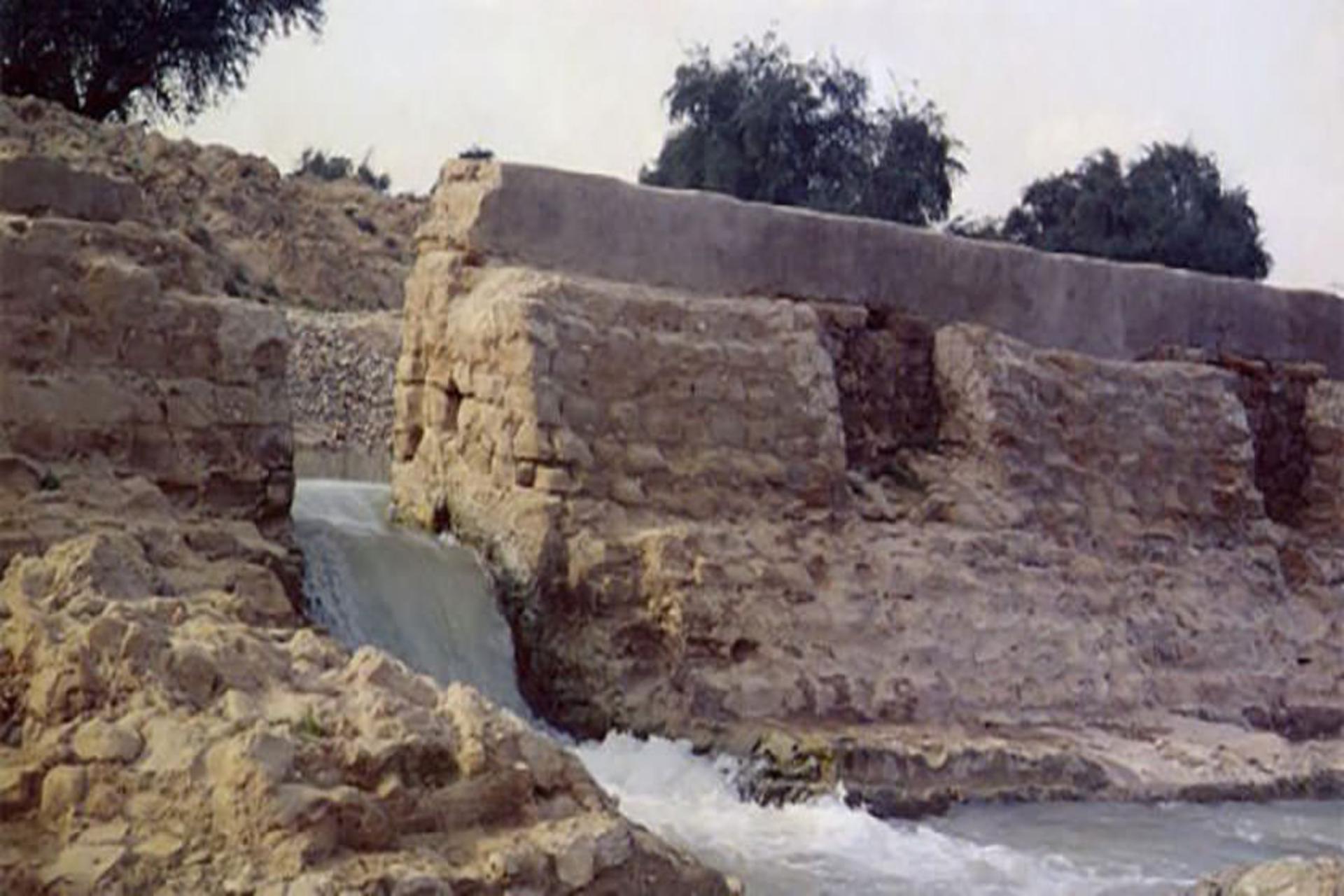
The crown jewel of Galugah's natural attractions is Tuskā Chashmeh (Alder Spring), located in the southern highlands of the city along the road toward Damghan. This spring produces crystal-clear water that has drawn visitors for centuries. The name itself comes from the alder trees (tuskā in Persian) that line the waterway and give the area its distinctive green canopy.
Tuskā Chashmeh sits in the upper reaches of Galugah's mountainous zone, where natural ice formations persist even through warm months and temperatures can drop to zero degrees Celsius even in summer. During spring and summer, the spring area welcomes roughly 15,000 visitors each month from across Mazandaran, Golestan, and the Khorasan provinces. The cool climate, pristine water, and dense forest cover make it one of the most refreshing natural retreats in northern Iran.
Beyond Tuskā Chashmeh, the broader Galugah area contains several other natural attractions worth seeking out. The Van Spring offers another glimpse of the region's hydrological wealth, while the villages of Nilā, Bārikolā, and Mohammad Bahi provide scenic viewpoints over the forested valleys. The mineral waters scattered throughout the highlands have long been valued for their therapeutic properties.
The Caspian Shore and Arām Sea
Just 5 kilometres north of the city centre, Galugah's coastline opens onto the Caspian Sea. The Arām (Calm) Sea area near Galugah is known for its gentle shoreline, clean sands, and relatively undeveloped character compared to the resort beaches further west. The coastal zone of Jar Kalbād, with its thousand-year history, blends archaeological interest with natural beauty.
The nearby Jaghīkhūr Wetland, part of the larger Miankaleh Protected Area, is a Ramsar-listed wetland of international importance. This lagoon system hosts migratory birds from Siberia and Central Asia each autumn and winter, making Galugah an underrated destination for birdwatchers and nature photographers. Flamingos, swans, and various species of ducks and herons can be observed here during the migration season.
The Rosewater City
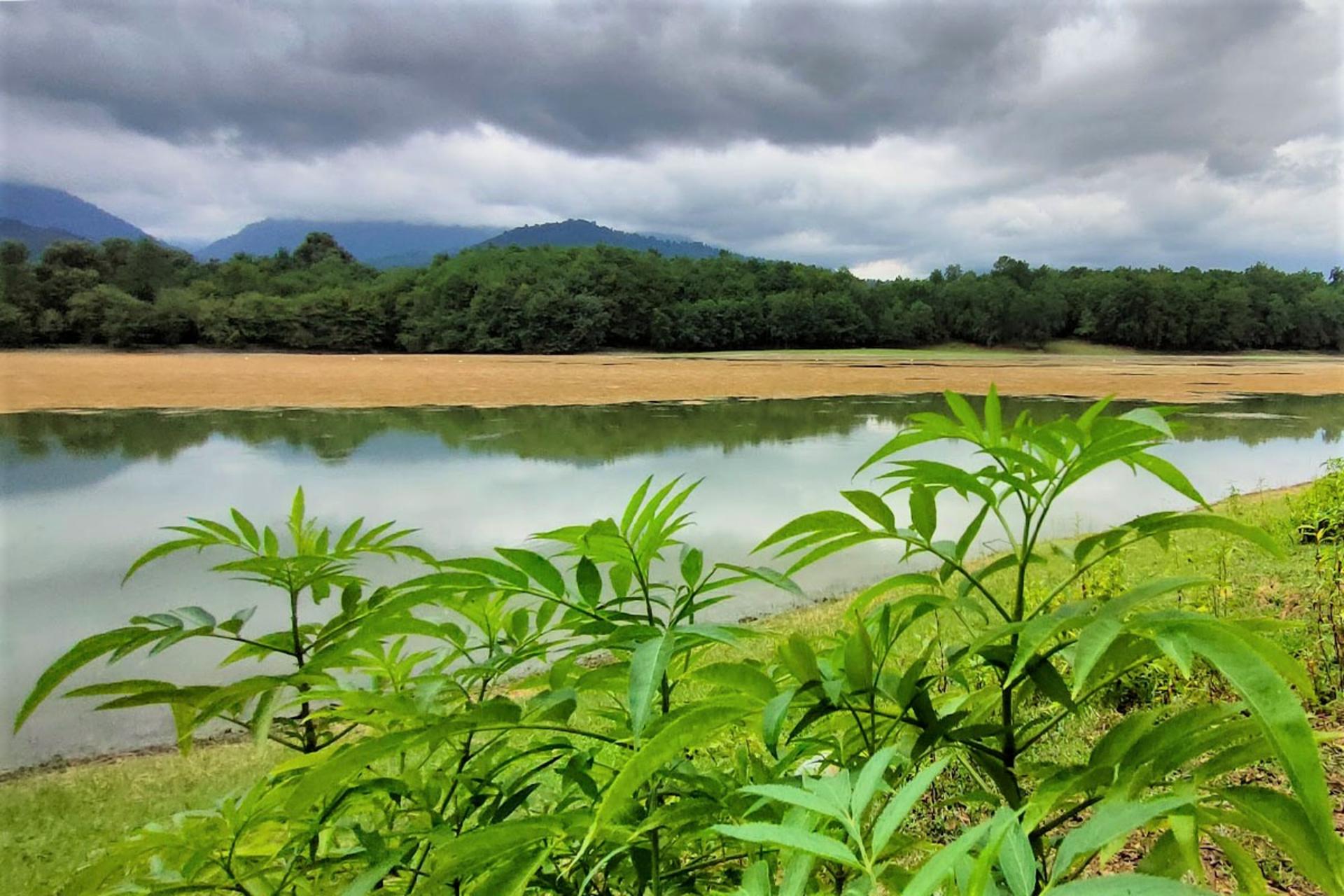
Galugah's nickname, the "City of Golab" (rosewater), is not merely decorative. The production of rosewater from fragrant damask roses is a living tradition here, with local gardens producing some of the finest rosewater in Mazandaran. Visitors arriving in late spring and early summer can witness the rose harvest and distillation process, much as they might in the famous rosewater centres of Kashan, though on a more intimate and less commercialised scale.
The Omrānlu tribe's long presence in the area has shaped the local culture in distinctive ways. Unlike most of Mazandaran, where Mazani (Tabari) languages dominate, the majority of Galugah's residents speak Turkish, a legacy of the tribe's Qarabagh origins. This linguistic distinctiveness adds a fascinating cultural layer to any visit.
Garāvdin Hill and the Shah Abbasi Road
For history enthusiasts, Garāvdin Hill to the northwest of Galugah is an essential stop. This archaeological site was the setting of the decisive battle between Mohammad Hasan Qajar and Karim Khan Zand that reshaped Iran's political landscape in the eighteenth century. The hill itself offers panoramic views over the surrounding plains and forests.
To the south of the city, remnants of the historic Shah Abbasi Road wind through lush Hyrcanian forest, passing springs, small waterfalls, and mineral pools before reaching the Sheshari mountains. This Safavid-era route is a favourite among hikers and provides an atmospheric way to experience the Hyrcanian forest, a UNESCO World Heritage Site that represents one of the oldest forest ecosystems on Earth.

Getting to Galugah
By Mehyar Taxi. The most comfortable way to reach Galugah is through Mehyar's taxi service. A private car from Sari or Behshahr gives you the freedom to stop at viewpoints along the forested roads and explore at your own pace. The drive from Sari through the Alborz foothills is itself a scenic experience.
By Mehyar Buses. Inter-city buses connect Galugah to Sari, Behshahr, and Gorgan. For budget-conscious travellers, Mehyar Buses offers scheduled services with advance booking through the app.
By Organised Tour. Nature tourism agencies in Tehran and Sari occasionally run tours to Galugah and the Miankaleh wetlands, particularly during the bird migration season. These tours typically include transport, a local guide, and visits to Tuskā Chashmeh and the coastal areas.
Best Time to Visit
Galugah is at its finest from late spring through early autumn. May and June bring the rose harvest and mild temperatures ideal for forest hiking. July and August offer the coolest retreat at Tuskā Chashmeh, where mountain springs keep the air refreshingly cold even when the lowlands are warm. September and October are excellent for birdwatching at the Jaghīkhūr Wetland as migratory species arrive from the north. Winter, while quiet, can bring heavy rain and cold winds from the Caspian, making outdoor activities less enjoyable.

Practical Tips for Visiting Galugah
- Stay in Behshahr. Galugah itself has limited accommodation options, but Behshahr, just 15 minutes away, offers hotels and eco-lodges. Use Mehyar Hotels to find and book the best available stays in the area.
- Bring cash. ATMs are limited in Galugah. Withdraw money in Behshahr or Sari before heading east.
- Pack for the forest. If you plan to hike the Shah Abbasi Road or visit Tuskā Chashmeh, bring sturdy shoes and a light rain jacket, even in summer.
- Combine with Miankaleh. The Miankaleh Peninsula and Gorgan Gulf are only a short drive north and offer some of Iran's finest wildlife viewing opportunities.
- Try the local food. The Turkic cultural influence means you will find excellent kebabs and dough-based dishes alongside the standard Mazani cuisine of the region.
- Use Mehyar Wallet. Pay for local purchases, transport, and entrance fees conveniently through the Mehyar digital wallet, accepted at vendors throughout Mazandaran.
Galugah is not a destination that shouts for attention. It does not appear on most tourist itineraries, and you will not find it featured in glossy travel brochures. But for travellers who seek the real Iran, where ancient forests meet a thousand-year heritage and the Caspian breeze carries the scent of rosewater, Galugah delivers an experience that lingers long after the journey ends.