
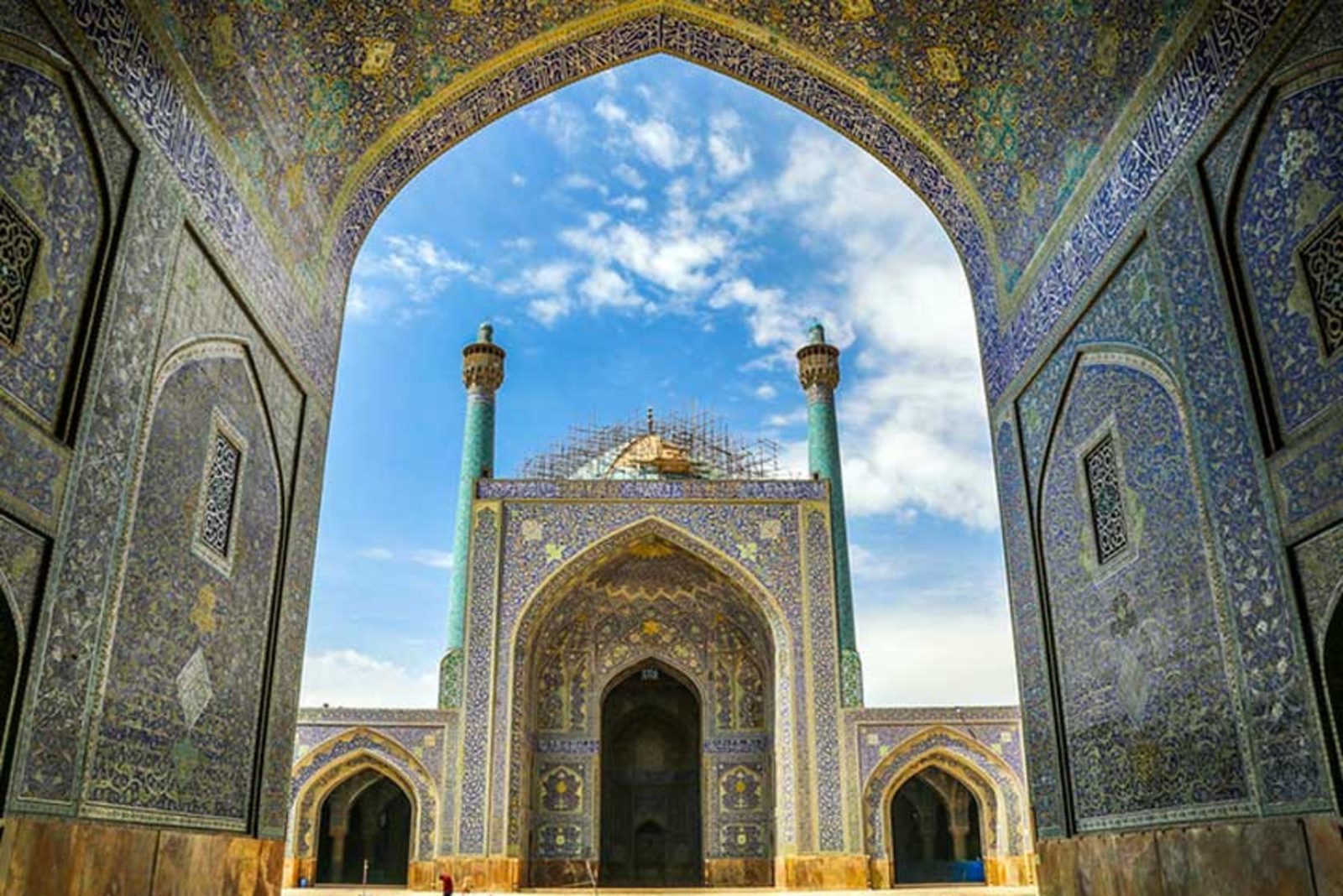
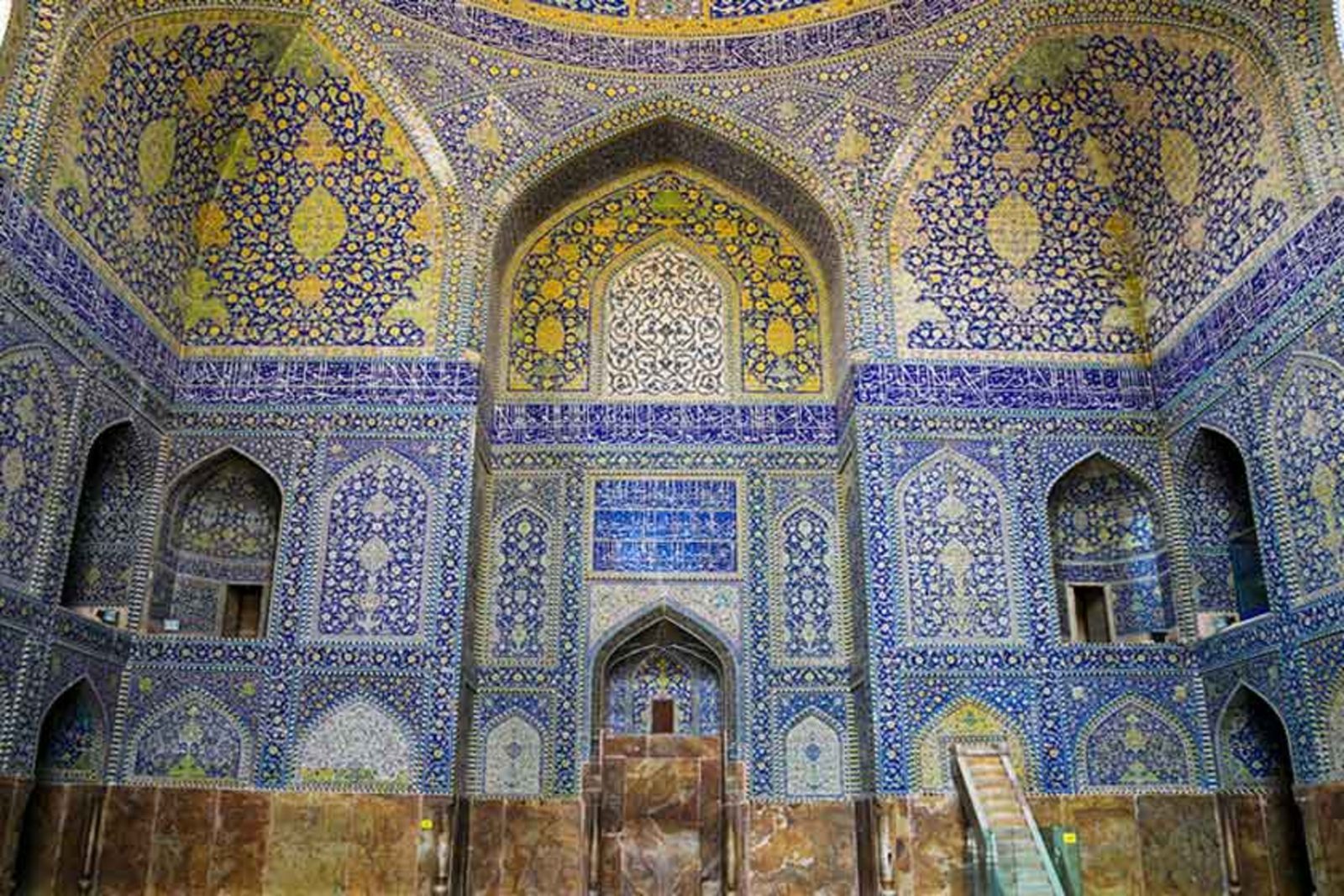
Isfahan is a city you taste as much as you see. The same care that went into the tiles of Sheikh Lotfollah Mosque shows up in a plate of beryani, in the balance of sweet and sour in khoresht mast, and in the thread of saffron pulled through a piece of gaz. For international visitors, food is one of the most direct ways into Isfahani culture, and it rarely requires a reservation or a guide. It requires curiosity, a little planning, and a willingness to eat what the city has been perfecting for centuries.
This guide covers the dishes you should not leave without trying, the neighborhoods and bazaars where locals eat, the sweets worth carrying home, and the practical logistics of paying, getting around, and pairing meals with sightseeing. Open Mehyar before you land, and you will have most of what you need in one place.
Where Isfahan sits on Iran's culinary map
Isfahan is the capital of Isfahan Province and the third-largest city in Iran, positioned in the center of the country roughly 430 to 450 kilometers south of Tehran. It was the Safavid capital from 1598 to 1722, and that imperial history left behind not only the UNESCO-listed Naqsh-e Jahan Square but also a courtly food tradition. Isfahani cooking is often described as measured and harmonious, less about heat and more about balance, which fits a city whose architecture is famous for proportion and color.
The surrounding landscape shaped the pantry. The Zagros foothills to the west and south supply the angebin sap used in traditional gaz, along with walnuts, almonds, and pistachios. Trade routes that once crossed the city brought spices, dried fruits, and rice from across the Persian world, and the Armenian community of Jolfa added its own layers to the local table. The result is a cuisine that feels both refined and everyday, served in century-old bazaars and in simple shops where a single dish has been made the same way for generations.
How to get to Isfahan and how to eat your way around it
Most international travelers reach Isfahan by air or by road from Tehran. Isfahan International Airport sits outside the city and has 24-hour taxi service; the ride to the center takes roughly 30 minutes depending on traffic. From Tehran, the drive is about 450 kilometers and takes around five hours on the freeway, while trains take roughly seven hours and buses run daily from Tehran's main terminals to Isfahan's Kaveh and Soffeh terminals.
Once you are in the city, food and sightseeing are easiest to combine on foot in the historic core. Naqsh-e Jahan Square, the Grand Bazaar, and the Chaharbagh axis are all walkable from one another, and many of the city's traditional restaurants sit in restored houses or beside the bridges. For anything beyond walking distance, open Mehyar and choose Taxi. Mehyar Taxi lets you set your pickup and destination in the app, which removes the language barrier and the guesswork about fares. It is the simplest way to get from your hotel to a beryani shop across town, or to return from a late dinner near Si-o-se-pol when the buses have thinned out.

If you prefer public transport, Isfahan has a metro line and an extensive bus network, with separate men's and women's sections on buses. Fares are low, but routes can be confusing if you do not read Persian. For food-focused days, when you may be hopping between the bazaar, a sweets shop, and a restaurant across the river, ride-hailing through Mehyar Taxi is usually the better trade of time against cost. For longer trips, such as a day out to Varzaneh or the surrounding villages, you can arrange a car through the app and confirm the return time with your driver.
Paying for food: Mehyar Wallet and cash
Money is the practical side of eating well, and it is worth sorting out before you are hungry. International credit and debit cards generally do not work in Iran, so the old advice to carry cash still applies. The smoother path for most visitors is to set up Mehyar Wallet, top it up, and use it for meals, taxis, and small purchases. You can top up through the app, and the wallet keeps your spending in one place rather than leaving you to hunt for an exchange office between meals.
Small shops, bazaar stalls, and traditional eateries often prefer cash, especially for amounts under a few hundred thousand rials, so keep some notes on you even if you are using the wallet. Prices move with inflation, so treat any figure you read online as a rough guide rather than a fixed cost, and confirm the total before you order in places without a printed menu. For a fuller picture of cards, wallets, and cash norms, see our guide to paying in Iran.
The dishes you should not leave Isfahan without trying
Beryani
Beryani is Isfahan's signature dish and the one locals will name first. Despite the similar spelling, it is not the rice dish you may know from South Asia. Isfahani beryani is finely minced lamb, sometimes mixed with lamb lungs, seasoned with saffron, cinnamon, mint, and onion, then shaped into patties and seared in a shallow pan until browned outside and tender within. It is served on sangak bread rather than rice, usually with raw onion, fresh herbs such as basil and tarragon, walnuts, and a bowl of simple broth or abgoosht on the side. Some shops add a spoonful of the rendered fat over the top.
The dish dates to the Safavid period, when Isfahan was the capital and its kitchens served court and dignitaries. Families and shops guard their recipes closely, and several beryani shops in the bazaar have been making it the same way for decades. Locals often eat it as a midday meal, and it is heavy enough that you may not need much dinner afterward. Look for shops that specialize in beryani rather than restaurants that list it among dozens of dishes; a single-dish shop is usually a sign of focus and quality.
Khoresht mast
Khoresht mast, sometimes translated as yogurt stew, is the dish that most surprises visitors. It sounds like a main course and looks like a dessert, and in practice it is a cold, sweet, saffron-scented dish made with beaten yogurt, sugar, saffron, and pieces of cooked lamb, finished with rose petals and pistachios. It balances sweet and savory in a way that is unusual outside Iran, and it was historically served at the tables of kings and nobility.
Order it as a side or a dessert rather than a main, and try it at least once even if the idea sounds strange. It is one of the clearest examples of the Isfahani approach to contrast and balance, and it pairs well with tea at the end of a meal.
Fesenjan
Fesenjan is a Persian classic rather than an Isfahan exclusive, but it is made well here and worth ordering. It is a thick stew of ground walnuts and pomegranate molasses cooked with chicken, duck, lamb, or beef, and served with rice. The sauce is rich, tart, and faintly sweet, and the quality depends heavily on the walnuts and the patience of the cook. In Isfahan you will find it in traditional restaurants around Naqsh-e Jahan Square and in the restored houses that have become cafe-restaurants.
Halim bademjan and the comfort dishes
Halim bademjan is the comfort food of the bazaar: fried eggplant, lentils, and meat, topped with fried onions and whey. It is soft, smoky, and warm, and you will catch its scent in the alleys around the Jameh Mosque and in the Joubareh neighborhood. It is a good choice for a cool morning or a light lunch between sights.
Kaleh joosh is another rustic dish, an eggplant soup with whey, dried mint, walnuts, and onions that traces back to Iran's nomadic tribes. Yakhmeh torsh is a sweet-and-sour stew of rice, lamb, apricots, and quince, traditionally considered good for anemia and bone health. These dishes are less common in Iranian homes than they once were, so eating them in Isfahan is a way to taste the city's older layers.
Gush-e fil with doogh
Gush-e fil, whose name means elephant's ear, is a crisp, syrup-soaked pastry fried in hot oil. It is sweet and rich, and Isfahanis traditionally drink cool, sour doogh alongside it to balance the sugar and fat. It is a snack rather than a meal, and it is a good thing to try with tea in the late afternoon.
Where to eat: bazaars, neighborhoods, and food areas
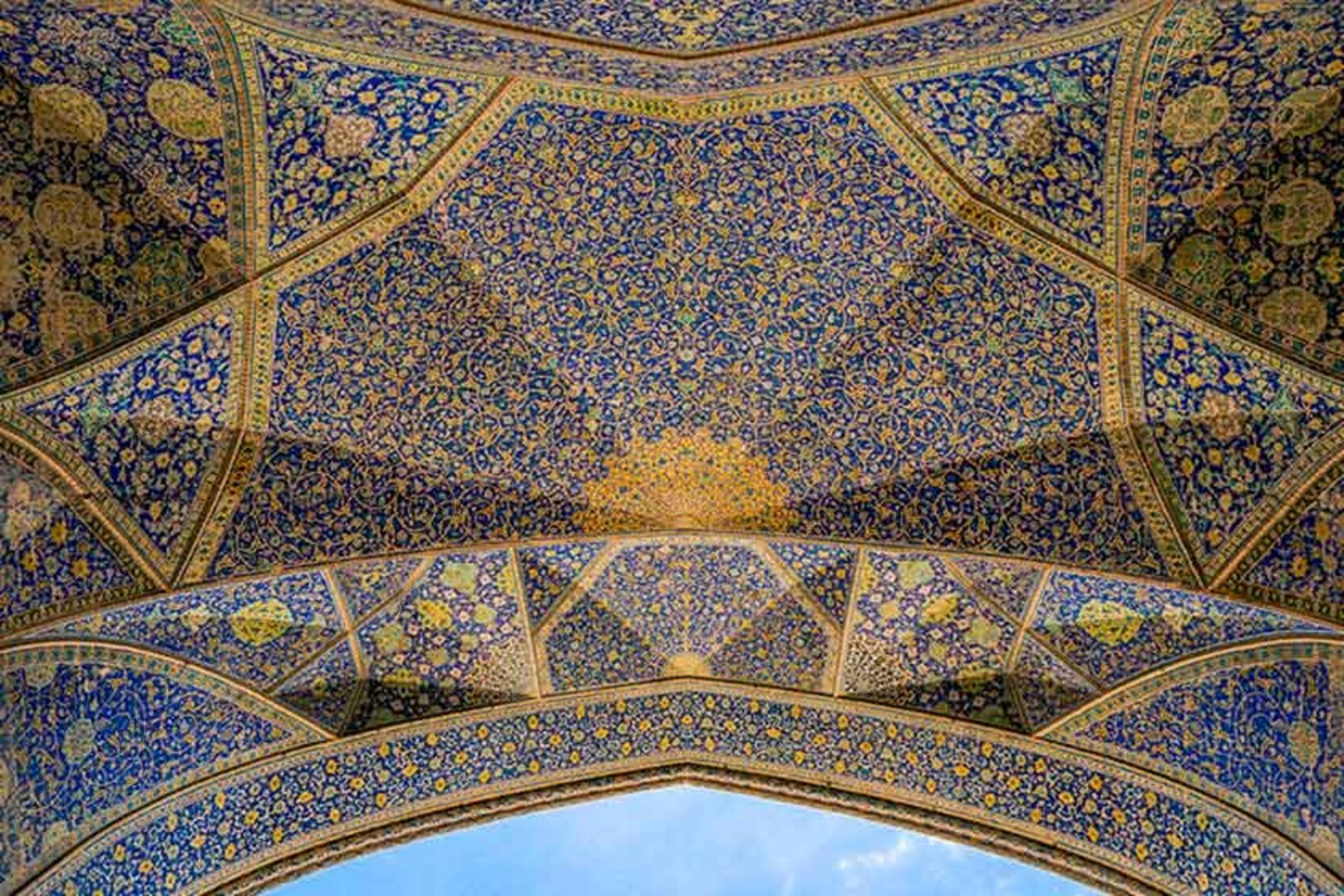
The Grand Bazaar and around Naqsh-e Jahan
The Grand Bazaar, known locally as the Qeysarriyeh Bazaar, is the heart of Isfahan's food culture as well as its trade. It stretches for kilometers, connecting mosques, old schools, caravanserais, and hidden courtyards, and it is not a souvenir market built for tourists. Locals still shop, work, and drink tea here. As you walk, you will pass spice sellers with towers of saffron, cardamom, dried lime, and rose petals, copper and brass workshops, and small shops selling gaz.
This is where you will find some of the city's beryani shops, often tucked into alleys off the main routes and serving the dish hot from the pan. The practical approach is to wander without a fixed route, follow a smell or a cluster of locals, and stop when something looks good. Mornings are calmer and afternoons are livelier, and the bazaar is generally busiest in the late morning and mid-afternoon.
Around Naqsh-e Jahan Square you will find traditional restaurants in restored buildings, some with views of the mosques and courtyards. These are convenient for a break between sightseeing and are a good introduction to Isfahani dishes, though they can be busier and pricier than the bazaar shops.
Jolfa and the Armenian quarter
Jolfa, the historic Armenian quarter south of the river, has its own food character. The Jolfa market is known for saffron, dried fruits, nuts, and fragrant herbs, and the neighborhood's cafes and restaurants reflect the Armenian influence on the city. It is a pleasant area to combine a meal with a visit to Vank Cathedral and the surrounding streets, and it is close enough to the river bridges to walk off a heavy lunch.
Around the bridges and Chaharbagh
The area along the Zayandeh River, near Si-o-se-pol and Khaju Bridge, has a concentration of cafes and restaurants, many in traditional houses with central courtyards. These are good for an evening meal, and the bridges themselves are at their best after dark when they are lit. Chaharbagh, the historic avenue, is another axis where you will find restaurants and sweets shops within walking distance of each other.
Sweets and souvenirs: what to carry home
Gaz
Gaz is Isfahan's most famous sweet and its most common souvenir. It is a nougat made with angebin, a natural sap harvested from tamarisk shrubs in the Zagros foothills, mixed with rose water, pistachios, almonds, and sometimes saffron. It comes in two main forms: bite-sized pieces and the flour-coated type, where pieces are stored between layers of flour to keep them fresh. The amount of pistachio and almond varies and directly affects price and quality, and pistachio-rich versions are usually the most popular.
Gaz has been made in Isfahan since the Safavid period, and it remains the city's signature confection. It keeps well, travels easily, and is a safe gift if you are unsure what someone would like. Buy it from a shop in the bazaar or a dedicated sweets shop rather than a tourist stall, and check the packaging for how much nut content you are paying for.
Poolaki
Poolaki is a thin, crisp candy, often flavored with saffron, that is served with tea across the city. It is made by heating sugar with saffron water and a little vinegar until the mixture thickens, then pouring it over ice so it hardens into thin shards. It is light, intensely sweet, and a good companion to the strong black tea you will drink throughout your trip.
Sohan asali
Sohan asali is a brittle made from honey, sugar, and nuts, sometimes with saffron and cardamom. It is thinner and firmer than the softer sohan made with wheat sprout flour, with a clean honey flavor and a nutty crunch. It is often prepared in large batches before Nowruz, and it is packed into decorative boxes as a gift. It is a good choice if you want something that feels more like a confection than a nougat.
Other sweets and desserts
Fereni is a light milk pudding, often served with date syrup or grape molasses, and it is widely available in local sweet shops. Korki is a cookie traditionally made for Yalda, Chaharshanbe Suri, and Nowruz, with rice flour, almond powder, and saffron or cocoa. Bereshtok is a popular sweet made from wheat and chickpea flour with cardamom and cocoa, often found at celebrations. And for something unusual, look for kuku qandi, a fragrant potato-based dessert with rosewater and saffron, and kachi haft dokhtaroon, a souffle-like dessert with pistachios, almonds, and rosewater that is tied to an old ritual.
Pairing food with sightseeing
The easiest way to eat well in Isfahan is to let your sightseeing route do the work. Start a morning at Naqsh-e Jahan Square, walk into the Grand Bazaar for a beryani lunch, and spend the afternoon on the Chaharbagh axis and the bridges. In the evening, head to Jolfa for dinner and a walk past Vank Cathedral. This gives you a natural mix of historic sights and food stops without long detours.
If you want a deeper dive, consider a cooking workshop. Several local cooks run classes in their homes where you prepare dishes such as fesenjan and gheymeh bademjan from scratch, then eat what you made. These classes are a good option for travelers who want to understand the techniques behind the dishes and are often happy to accommodate dietary restrictions if you ask in advance. For more on the city's sights and how to structure a visit, see our Isfahan guide.
Practical notes: weather, timing, and dining customs
Isfahan has a semi-arid climate with hot summers and cold winters, and the best times to visit for both eating and walking are spring and autumn, especially April and October. Summer afternoons can be very hot, which makes indoor bazaar time and long lunches appealing, while winter evenings are cold and best paired with a warm bowl of halim bademjan or kaleh joosh. Many traditional restaurants serve lunch from around noon to mid-afternoon and dinner from early evening, and some close between services.
Tipping is not obligatory but is appreciated, and a small note left on the table is fine. In traditional restaurants, you may be offered tea after the meal, and accepting is a normal part of the experience. If you are unsure what to order, ask for the house specialty rather than working through a long menu, especially in single-dish shops. And if you are visiting during Ramadan, expect some restaurants to adjust their hours and serve mainly in the evening.
Closing thoughts
Isfahan rewards travelers who treat food as part of the itinerary rather than an afterthought. The city's signature dishes are not hard to find, and the bazaar, the riverside, and the old neighborhoods put them within easy reach of the sights you came to see. Set up Mehyar and its Wallet before you arrive, use Mehyar Taxi to move between meals and monuments without the language barrier, and let the city feed you slowly. When you are ready to plan the rest of your trip, our Isfahan guide and our food guides to Tehran and Shiraz will help you build a route that holds together.