
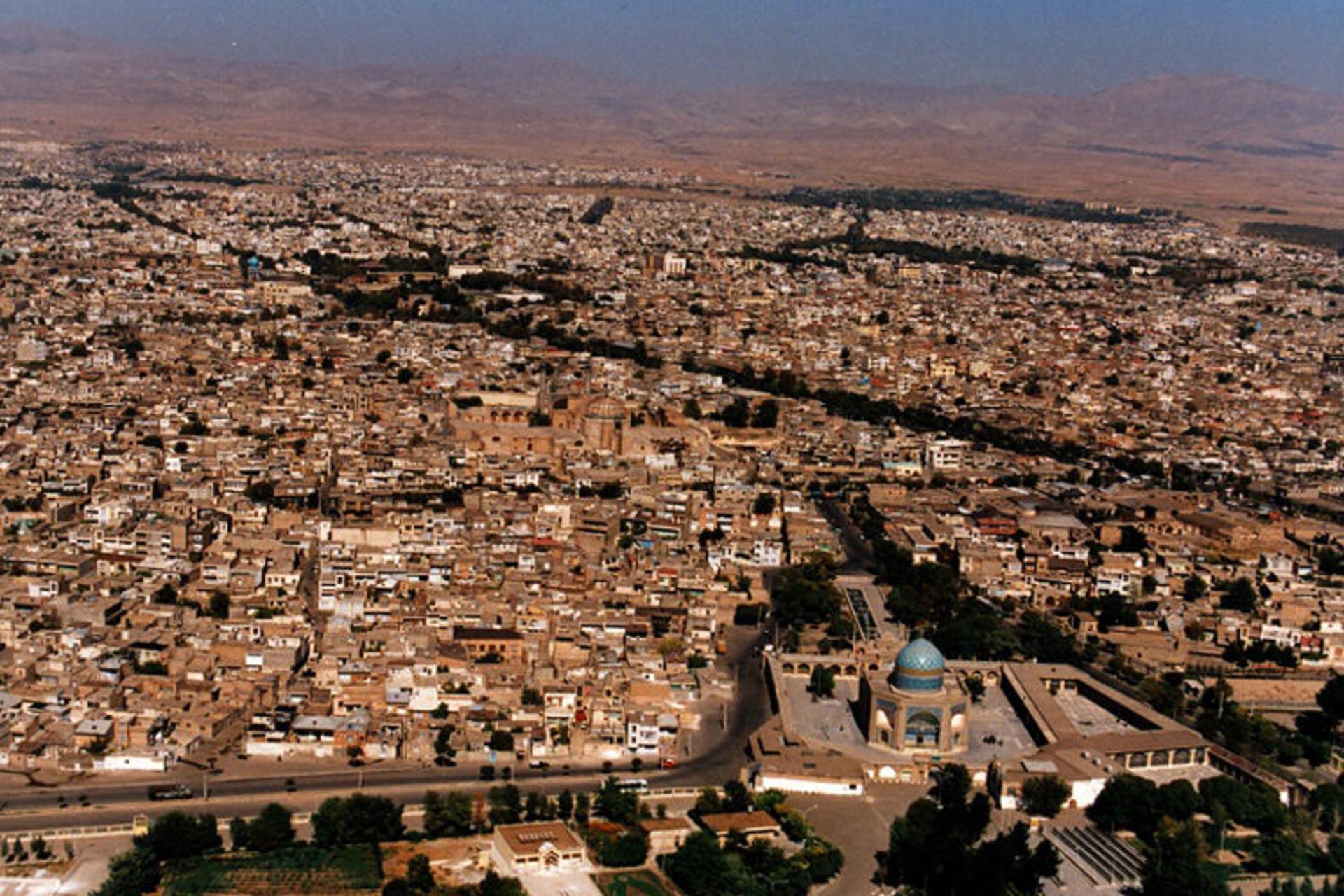
In the heart of Qazvin, a quiet revolution in kindness has taken root on the city's streets. The Charity Wall, known locally as "Divar-e Mehrabani," is a beautifully simple concept that has spread across Iran and captured the imagination of communities well beyond Qazvin's historic center. Citizens hang clothes on hangers attached to a designated wall, offering them freely to anyone who needs them. The slogan painted beside the wall says it all: "If you need it, wear it. If you don't need it, help someone else wear it." This initiative speaks to a tradition of generosity that runs deep in Iranian culture, where the act of giving is woven into daily life.
What is the Charity Wall?
The Charity Wall is a public installation designed to connect those who have spare clothing with those who need it. Typically set up on a wall in a busy pedestrian area, the wall is fitted with hooks or hangers where people can hang garments they no longer need. The concept is open and dignified. There are no forms to fill, no intermediaries to go through. Anyone passing by who sees something they need can simply take it. The idea strips away the bureaucracy of traditional charity and replaces it with a direct, human exchange. It restores agency to the recipient and makes giving effortless for the donor.
The movement began in the northeastern city of Mashhad in late 2015 and quickly went viral across social media. Within weeks, walls appeared in cities throughout Iran, including Tehran, Shiraz, Isfahan, Tabriz, and Qazvin. In Qazvin, a group of civic-minded residents took the initiative to set up their own Charity Wall on Heydari Street, one of the city's well-known thoroughfares. The wall became an immediate success, drawing both donors and recipients from across the neighborhood.
Where to find the Charity Wall in Qazvin
The Qazvin Charity Wall is located on Heydari Street in the central area of the city. Heydari Street is one of Qazvin's older, more atmospheric streets, lined with shops, cafes, and pedestrian traffic throughout the day. The location was chosen deliberately. A busy street ensures visibility and foot traffic, which means the clothes cycle quickly and the wall stays active. Visitors to Qazvin can combine a walk past the wall with sightseeing at nearby landmarks such as the Sardar Mosque and School, the Chehelston Palace, or the traditional Qazvin bazaar.
For travelers exploring Qazvin, the city is compact enough to cover much of the center on foot. Open Mehyar and use Taxi to navigate between sites if you prefer not to walk, or simply enjoy the stroll through streets that layer centuries of Persian history in a single block.
How the movement works
The mechanics are deliberately simple. Citizens bring clean, wearable clothing, whether new or second-hand, and hang them on the hooks provided. The wall operates on trust and mutual respect. There are no locks, no attendants, and no cameras monitoring who takes what. The social contract is clear: donate what you can, take what you need. In Qazvin, the wall quickly became a community project. Local residents took it upon themselves to maintain the wall, ensure it remained tidy, and encourage others to contribute.
Before the Charity Wall, Qazvin's charitable citizens had already pioneered another grassroots initiative: the Charity Refrigerator. Set up on a downtown street, this shared fridge allows people to leave food and drinks for those in need, particularly the city's homeless population. Together, the Charity Wall and the Charity Refrigerator represent a model of urban compassion that relies on civic engagement rather than institutional structures.
The cultural roots of generosity in Iran
The Charity Wall did not emerge from nowhere. It draws on deep cultural traditions that have shaped Iranian social life for centuries. The concept of "nazr" (votive offering), "khayrat" (charitable deeds), and "waqf" (religious endowment) are embedded in the fabric of Iranian society. Across the country, traditions of sharing food during Muharram, distributing clothes during Eid, and supporting neighbors through difficult times are commonplace. The Charity Wall modernizes these traditions for a new generation, using public space and social media to amplify the impulse to give.
The slogan beside the Qazvin wall, "If you need it, wear it. If you don't need it, help someone else wear it," resonates because it echoes a Persian proverbial wisdom that values modesty in giving and dignity in receiving. There is no shame in taking from the wall, and no expectation of recognition for donating. This mutual respect is what gives the movement its emotional power.
Why Qazvin embraced the movement
Qazvin has long been a city where civic pride and social consciousness intersect. As a former Safavid capital, the city carries a strong sense of cultural identity. Its residents are active participants in public life, and local initiatives like the Charity Wall reflect a community that takes ownership of its social challenges. The wall also speaks to the economic realities many Iranians face. With inflation and economic pressure affecting households across the country, a free, accessible source of clothing fills a genuine need. At the same time, it allows middle-class families to donate items they have outgrown rather than letting them go to waste.
The wall has become more than a functional installation. It has become a landmark, a talking point, and a symbol of what ordinary people can achieve when they organize around a shared value. Visitors to Qazvin often seek it out, not only to donate or take, but to witness a living expression of the city's character.
The spread of the idea beyond Qazvin
From its origins in Mashhad, the Charity Wall concept spread to dozens of Iranian cities within months. Each city adapted the idea to its own context. In some places, the walls featured shelves for shoes or books alongside clothing. In others, communities added seasonal items like blankets in winter or school supplies before the academic year began. The movement also attracted international attention, with similar walls appearing in countries across the Middle East, Europe, and beyond.
What makes the Charity Wall remarkable is not its complexity but its accessibility. Anyone with a wall, some hangers, and a willingness to share can start one. The Qazvin example shows how a small act of civic imagination can ripple outward and become part of a larger story about community resilience and human connection.
Tips for visitors
If you are visiting Qazvin and want to see the Charity Wall, bring a bag of clean clothes you no longer need. The wall is active year-round, though it tends to be most vibrant in the colder months when the demand for warm clothing increases. Take a moment to read the slogan, observe the exchanges that happen in real time, and reflect on how a simple idea can reframe the relationship between strangers in a city.
While you are in the area, Qazvin offers rich rewards for the culturally curious traveler. The city's Safavid heritage is visible in monuments like the Chehelston Palace and the Ali Qapu gatehouse. The nearby Alamut Valley, once home to the legendary Assassin fortress, is a dramatic day trip into the mountains. For travelers exploring Iran's quieter, more authentic cities, Qazvin delivers history, warmth, and a reminder that the most memorable encounters often happen on the street.
For more on planning your trip to Qazvin and the wider region, explore Mehyar's Qazvin guide and discover how Mehyar can help you book hotels, taxis, and intercity buses for your journey through Iran.