
Most travellers arriving in Chabahar pass through the free zone without realising they have entered something quite unusual. The Chabahar Free Trade and Industrial Zone is not a typical tourist destination. It is, first and foremost, a place of commerce, a vast economic corridor carved from the arid coastal plain of southeastern Iran and positioned to connect the country to the Indian Ocean. Yet the free zone is increasingly a place that visitors pass through, shop in, and use as a base for exploring the remarkable natural attractions scattered along the greater Chabahar coastline. With duty-free allowances, modern infrastructure, and a waterfront setting on the Gulf of Oman, the zone occupies a distinctive position in Iran's economic landscape, and its story reveals as much about the country's ambitions as any museum exhibit in Tehran could.
A Strategic Position on the Ocean
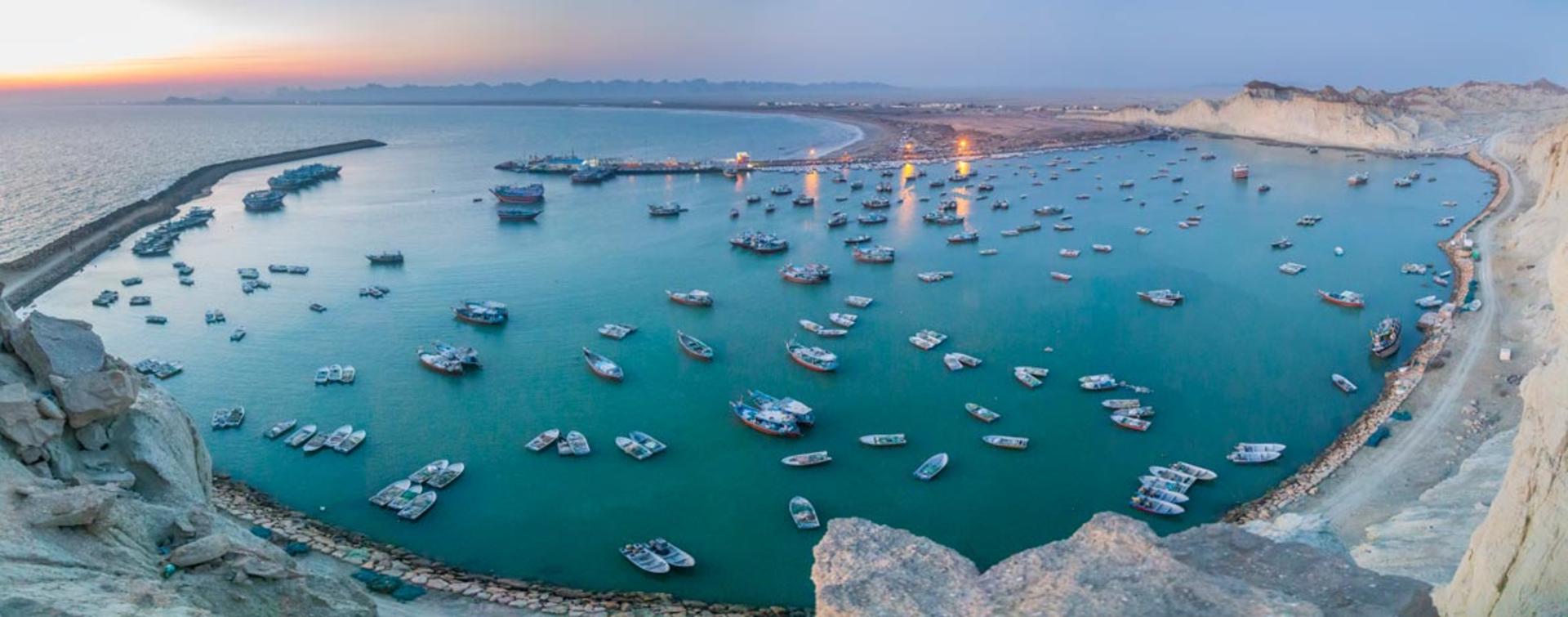
Chabahar holds a distinction no other Iranian port can claim. It sits directly on the Gulf of Oman with unobstructed access to the Indian Ocean, making it the country's only oceanic port. Ocean-going vessels dock here, and Central Asian nations route their maritime trade through Chabahar toward the Indian subcontinent and beyond. The ancient Silk Road of the sea, the busy international corridor connecting East Asia to the West, passes through these waters.
The free zone was established in 1992 as one of Iran's two major free trade areas, alongside Kish Island in the Persian Gulf. Covering roughly ten thousand hectares along the coast west of Chabahar city centre, it encompasses commercial districts, industrial plots, tourist facilities, and residential areas. The strategic importance of this location has driven investment in road networks, port infrastructure, and air connections, transforming what was once a quiet fishing coast into a hub of regional trade.
The Name and the Story Behind Chabahar
Three different stories circulate about how Chabahar received its name. The most popular holds that the region's year-round mild climate earned it the nickname "four springs" in Persian, which over time contracted to Chabahar. Another account suggests that merchants travelling this route since ancient times would ask "che bar" meaning "what cargo" when approaching the port, and the phrase stuck as a place name. A third version points to early residents who dug wells around their settlements; locals called the people near the wells "chah bar," and the name evolved over centuries.
Whatever its true origin, the name fits. Chabahar's climate remains mild through every season, with summer temperatures often cooler than Tehran's, and winter averages hovering around nineteen degrees Celsius.
What the Free Zone Offers Visitors
The commercial heart of the free zone is its duty-free shopping area, where visitors find goods unavailable elsewhere in Iran at prices that reflect the zone's tax-exempt status. Electronics, cosmetics, textiles, and imported household items line the shelves of shops and malls scattered through the zone. The shopping experience here differs from the traditional bazaars of Iranian cities; instead of carpet-lined indoor corridors, you encounter modern retail buildings with wide corridors and international brands alongside regional imports.
Beyond shopping, the free zone has developed tourist infrastructure that supports visits to the wider Chabahar region. Hotels, including the well-known Lipar Hotel, sit within or near the zone, and restaurants serve both Iranian and regional cuisine. The waterfront location means you can walk along the shore and watch cargo ships moving through the Gulf of Oman, a reminder that this is a working economic zone as much as a visitor destination.
The Monsoon Season and Cultural Festivals
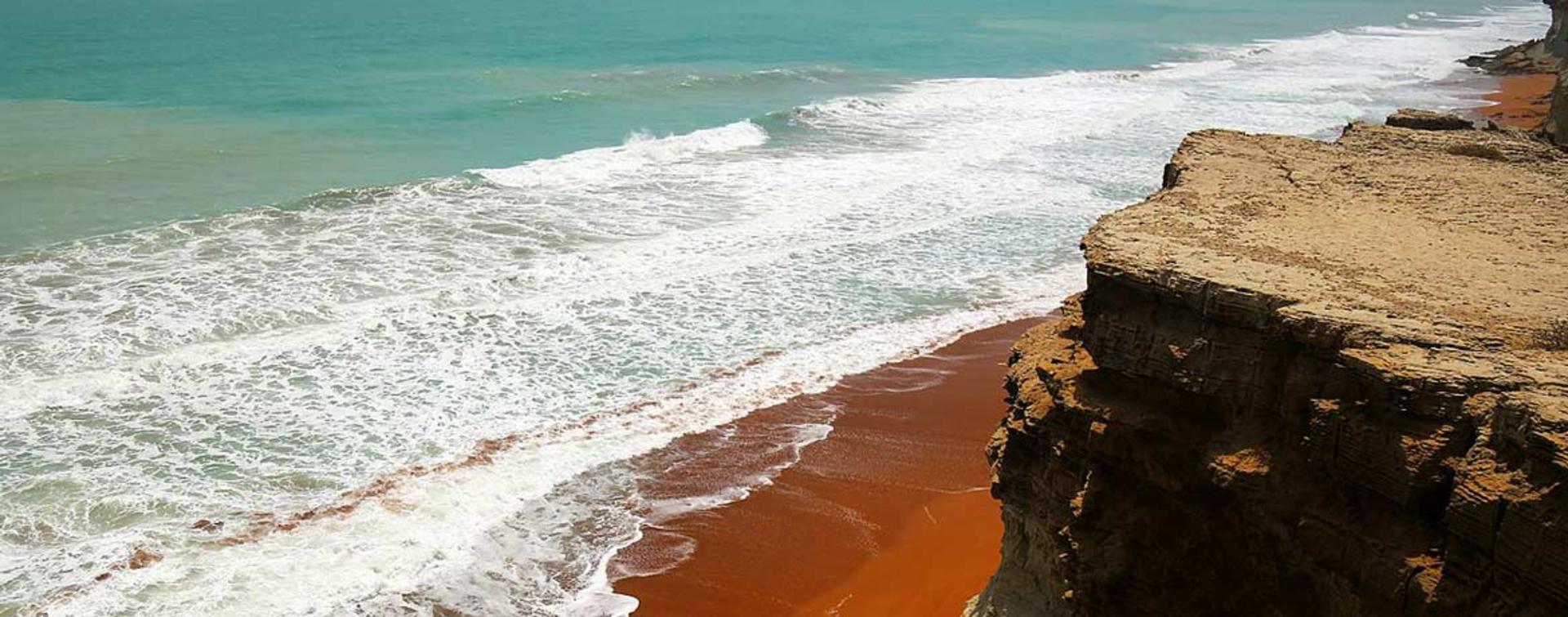
Chabahar experiences a phenomenon unusual for Iran. During the monsoon season, which runs from mid-June through mid-September, the wind direction reverses and blows from the sea toward the coast, bringing rainfall that cools the air and creates dramatic water-spout effects where waves crash against the rocky shoreline. The annual Monsoon Festival, held each year from late August through early September, celebrates local culture with traditional music, dance, regional cuisine, and handicraft exhibitions. Evening programmes during the festival feature performances by local artists and comedians.
International film, music, and traditional costume festivals also take place during the first half of the year, adding cultural depth to what might otherwise seem like a purely commercial stop. For surfers, the monsoon months bring waves reaching four metres in height along the coast, creating conditions that attract water sports enthusiasts from across the country.

Nearby Attractions Worth Combining
Most visitors to the free zone combine their shopping and commercial visits with excursions to the natural attractions that make Chabahar one of Iran's most distinctive destinations. The Martian Mountains, with their surreal eroded formations resembling an alien landscape, sit forty to fifty kilometres east along the coastal road. The pink Lipar Lagoon, where high salinity and specific algae create a vivid rose-coloured body of water, is only twenty kilometres from the city centre and easily reached from the free zone.
The rocky shoreline near the free zone, known locally as the Great Sea Coast, produces spectacular water spouts during the monsoon when waves crash against the rocks and throw spray fifteen metres into the air. Mangrove forests grow in the tidal zones near the village of Tis and farther east near Gwatar, sheltering bird species and marine life in an ecosystem found in very few places in Iran.
Getting to the Free Zone
By Mehyar Flight. Chabahar is served by Konarak Airport, located about fifty kilometres from the city. Mehyar Flights connects Chabahar with Tehran and other major Iranian cities. From the airport, a Mehyar Taxi reaches the free zone in roughly forty-five minutes.
By Mehyar Bus. Long-distance buses from Tehran, Isfahan, Mashhad, and other cities reach Chabahar's bus terminal. The journey from Tehran takes approximately twenty-one hours by road. From the terminal, a short taxi ride brings you to the free zone.
By Mehyar Taxi. Within Chabahar, Mehyar Taxi is the most convenient way to move between the city centre, the free zone, and outlying attractions. A ride from central Chabahar to the free zone takes about fifteen minutes.

Practical Details
Location: The Chabahar Free Trade and Industrial Zone lies west of Chabahar city centre, along the Gulf of Oman coast in Sistan and Baluchestan Province.
Entry: No special permit is required for Iranian or foreign visitors to enter the free zone. Duty-free shopping allowances apply to certain goods.
Best time to visit: The period from October through March offers the most comfortable temperatures and calmest sea conditions. The monsoon season from June through September brings cooler weather and dramatic coastal phenomena but also higher humidity.
Currency and payments: Standard Iranian currency applies. ATMs are available within the free zone. The Mehyar Wallet provides a convenient way to pay for purchases, meals, and transport without carrying large amounts of cash.
On the map: OpenStreetMap / Google Maps
Commercial regulations and duty-free allowances can change. Check current rules before making major purchases.
Plan Your Chabahar Visit with Mehyar
Whether you are visiting the free zone for duty-free shopping, using it as a base to explore the Martian Mountains and Lipar Lagoon, or passing through on a broader tour of southeastern Iran, Mehyar makes the journey smoother. Book Mehyar Flights to reach Chabahar quickly from anywhere in Iran. Reserve Mehyar Hotels within or near the free zone for convenient access to shops and attractions. Use Mehyar Taxi for rides between the airport, your hotel, and nearby natural sites. A Mehyar SIM keeps you connected across the region, and the Mehyar Wallet handles payments for shopping, dining, and excursions.
Plan your Chabahar free zone visit at mehyar.app.