
In the far north of Razavi Khorasan Province, just two kilometers south of the Turkmenistan border, lies Bajgiran, a tourism area that surprises visitors with its green valleys, flowing waterfalls, and cool mountain climate. Bajgiran is part of Quchan County and sits 78 kilometers north of Quchan city. The historic town of Bajgiran is only 30 kilometers from Ashgabat, the capital of Turkmenistan, making it one of Iran's most strategically placed border destinations. For travelers seeking landscapes that feel a world away from the deserts and cities of central Iran, Bajgiran delivers forests, rivers, and mountain air in a region that remains refreshingly undiscovered.

Where Is Bajgiran?
Bajgiran is located in the Bajgiran District of Quchan County in Razavi Khorasan Province, in northeastern Iran. The tourism area is reached by road from Quchan, which is itself connected to Mashhad, the provincial capital, by a highway that covers roughly 130 kilometers. The region sits at a higher elevation than much of Khorasan, and this altitude gives it a cooler, more temperate climate than the surrounding lowlands.
Open Mehyar and book transport from Mashhad to Bajgiran for a comfortable day trip or overnight stay. Mehyar Buses run regular services from Mashhad to Quchan, and from there local taxis and minibuses cover the remaining distance to Bajgiran.
Natural Attractions
The mountainous terrain around Bajgiran produces a wealth of natural beauty. Several valleys and waterfalls draw visitors, particularly during spring and early summer when the snowmelt feeds the streams and the hillsides turn vivid green.
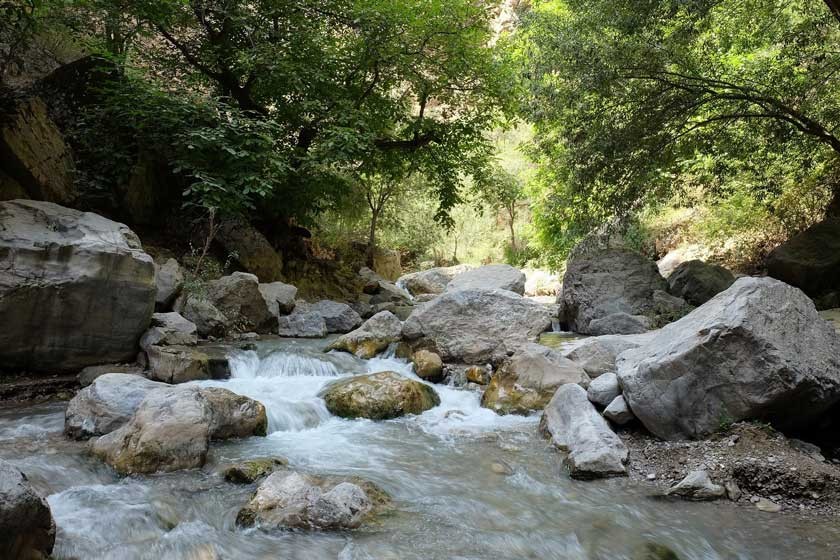
The Bajgiran Waterfall is the most accessible of these natural features. Located just two kilometers from the town, the waterfall drops 18 meters over a rocky face into a pool surrounded by lush vegetation. The setting is ideal for a short hike, a picnic, or even a refreshing swim during the warmer months.
Darbadam Valley lies 20 kilometers from Bajgiran and is one of the area's most scenic destinations. A river runs through the valley floor, flanked by tall trees and steep slopes. The valley is popular with nature trekkers and photographers, particularly in autumn when the foliage turns gold and crimson.

Armaq Valley, 30 kilometers away in the village of the same name, is another attractive destination with a permanent river and dense vegetation. Golmakan Valley, eight kilometers from town, offers pristine natural surroundings and the chance to spot native wildlife in its undisturbed habitat. The mountainous terrain supports a variety of plant species, including wild pistachio, almond, and oak, and birdwatchers may observe raptors, partridges, and migratory species that pass through the region. Fish farming ponds in the area provide a quiet recreational option and a chance to observe local aquaculture practices. The climate here is noticeably cooler than in Mashhad or Quchan, and the mountain air carries a freshness that visitors find invigorating, especially during the hot summer months on the Khorasan plain.
Historical Sites
Bajgiran is not only about natural beauty. The area carries traces of significant historical events, most notably from the Second World War. A series of concrete bunkers and trenches, built during the war along the old road, survive in good condition about 15 kilometers from Bajgiran. These fortifications were part of the defensive preparations along Iran's northeastern frontier during the period when Allied forces occupied the country. For history enthusiasts, these bunkers offer a tangible link to a chapter of Iranian history that is rarely discussed in tourist literature.
The shrine of Shahid Abbasali Irandoost is another notable site. Irandoost was an Iranian gendarme who stood alone against a Russian advance in the area and was killed when his position was bombarded. His memorial is a place of local pride and remembrance.
The Border Market
One of the liveliest attractions in Bajgiran is the border market, or bazaarcheh marzi, which sits at the zero point of the border crossing. This small but active market offers goods from both Iran and Turkmenistan, including textiles, carpets, spices, dried fruits, and handicrafts. The atmosphere is distinctly frontier, with traders and travelers from both sides mingling in a space where commerce crosses national boundaries. The customs office is adjacent to the market, and the crossing itself is an operational international border gate.

The Longest Tunnel in Eastern Iran
Eight kilometers from Bajgiran, bored through the mountainside, is the longest tunnel in eastern Iran, stretching 1,080 meters. The tunnel is an engineering landmark on the road to Bajgiran and offers a dramatic driving experience as vehicles pass through the mountain in near-darkness. The tunnel significantly shortened travel times between Quchan and the border region when it was completed.
Accommodation and Facilities
Bajgiran has guesthouses and a local eco-lodge that cater to visitors who wish to spend more than a day exploring the area. The accommodations are modest but comfortable, and staying overnight allows time to visit the more distant valleys and to enjoy the cool mountain evenings, which are a relief from the heat of the Khorasan lowlands. Local restaurants serve regional Khorasani cuisine, including dishes based on lamb, herbs, and the area's fresh mountain water. Traditional bread baked in clay ovens, local dairy products, and wild herbs gathered from the surrounding hills feature prominently in meals offered to guests. The hospitality of the local community, which has a distinct cultural identity shaped by centuries of border life, adds warmth to the visit. Evening temperatures drop pleasantly even in summer, and the clear sky above the mountains offers excellent conditions for stargazing.
How to Get There
The most common route to Bajgiran is from Mashhad, the capital of Razavi Khorasan and home to the Imam Reza Shrine, which draws millions of pilgrims each year. The drive from Mashhad to Quchan takes about ninety minutes on a good highway, and from Quchan to Bajgiran another hour on a scenic mountain road.
Book your Mashhad hotel through Mehyar Hotels and arrange transport through Mehyar Taxis for the journey to Bajgiran. Mehyar Buses connect Mashhad to Tehran, Bojnurd, and other cities across northeastern Iran, making it straightforward to combine a visit to the Imam Reza Shrine with an excursion to the quieter landscapes of the northern border. The Aslameh recreational area and the shrine of Imamzadeh Abd al-Rahman are additional stops that round out a day in the Bajgiran district, and the lakes used for fish farming provide a calm, scenic setting for a late afternoon visit before heading back to Quchan or Mashhad.
Best Time to Visit
Bajgiran is at its most appealing from late March through June, when spring rains keep the valleys green and the waterfalls at full flow. Autumn, particularly October, brings spectacular colors to the forests and a pleasant coolness to the air. Winter can be cold and snowy, which limits access to some of the higher valleys but gives the landscape a stark, beautiful quality that appeals to photographers and adventurous travelers.