
Urmia is the largest city in northwestern Iran and the capital of West Azerbaijan Province, sitting at about 1,300 metres above sea level on a fertile plain between Lake Urmia and the Turkish border. The city has been a meeting point for Azerbaijani, Kurdish, Assyrian and Armenian communities for centuries, and that diversity still shows in its churches, mosques and bazaar quarters. Lake Urmia, one of the largest salt lakes in the world, draws visitors for its striking landscape, while the city itself offers a slower pace and a bazaar that rivals the great covered markets of Tabriz and Isfahan. Two days covers the city, and a third opens the lake shore and the valley to the west.

Where is Urmia?
Urmia sits in the far northwest of Iran, roughly 60 kilometres west of Lake Urmia and about 20 kilometres east of the border with Turkey. The city is about 700 kilometres from Tehran by road, or a one-hour flight from the capital. Lake Urmia, a vast salt lake that was once the largest in the Middle East, lies to the east, and the mountains of the Turkish border rise to the west. The altitude and the lake effect give Urmia a dry continental climate with cold winters and warm, pleasant summers.
How to get to Urmia
Mehyar Flights connects Tehran and Tabriz to Urmia, and the airport is just south of the city, a short Mehyar Taxi ride from the centre. Mehyar Buses run the Tehran to Urmia route, taking roughly ten hours, and the Tabriz to Urmia road journey takes about two and a half hours. For travellers coming from Tabriz, Mehyar Taxi is the fastest and most flexible option, since you can stop at the Lake Urmia bridge and viewpoint on the way. Inside the city the main sights are clustered in the bazaar quarter and along Imam Street, and walking covers most of them; for Marmisho Valley and the lake shore a Mehyar Taxi with a driver for the day is the standard choice.
What to see in Urmia
Start at the Urmia Bazaar, at the heart of the city near Meydan-e Shah (Imam Square). The bazaar is one of the oldest covered markets in Iran, with roots in the Safavid period and major expansion under the Qajars. Its covered alleys stretch for several hundred metres, and the carpet section, the gold quarter and the spice sellers each occupy their own traditional zone. The architecture, with brick vaults and small courtyards, is less touristy than the Tabriz bazaar and gives a more authentic trading atmosphere. Morning is the best time for the carpet and textile quarters; the whole bazaar quietens after the afternoon prayer.

A short walk from the bazaar brings you to the Hedayat School, one of the first modern schools in Iran, founded in the early twentieth century and now a cultural centre. The building is a fine example of Qajar-era institutional architecture, with a symmetrical plan, brick detailing and a central courtyard. It is often used for exhibitions and cultural events, and it gives a sense of the early modernisation of the city.
The Shahrbani Mansion, in the centre of Urmia, is one of the finest surviving Qajar-era civic buildings in the city. Built as the police headquarters in the late nineteenth century, the mansion has a symmetrical façade with brick ornament, a central iwans and interior rooms with painted ceilings and plaster carving. It has been restored as a cultural centre and is worth a visit for its architecture alone.
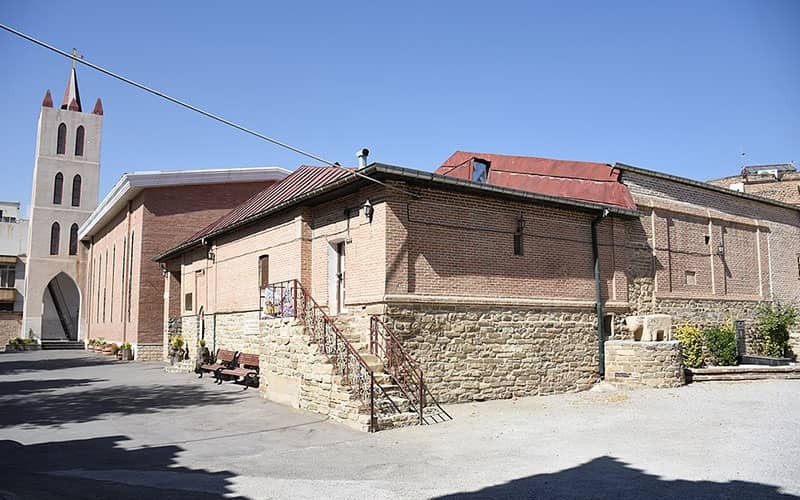
For religious architecture, the St. Mary Church, also called Naneh Maryam, is one of the oldest churches in Iran and is said to date back to the early centuries of Christianity in the region. The church has been rebuilt and restored several times, most recently after damage in the twentieth century, and its interior holds frescoes and a historic altar. It is an active church for the local Assyrian community and a quiet stop away from the bazaar crowds.
What about Lake Urmia and the surrounding nature?
Lake Urmia is one of the largest salt lakes in the world and a designated UNESCO biosphere reserve. The lake's surface has fluctuated dramatically in recent decades, and while parts of it have shrunk, the salt flats and the remaining water still create a striking landscape, especially at sunset when the salt crystals reflect the light. The Lake Urmia Causeway Bridge, which crosses the lake, is one of the longest in Iran and offers panoramic views from the road. The best viewpoint is from the rest area on the eastern approach, where the salt formations and the distant mountains create an otherworldly scene. Wear shoes you do not mind salting, carry water in summer, and do not walk out onto the flats alone.
Marmisho Valley, about 45 kilometres west of Urmia on the road toward the Turkish border, is the natural escape. A river runs through a narrow valley lined with plane trees and fruit orchards, and the road climbs through small villages to a lake at the head of the valley. The drive takes about an hour, and the valley is at its greenest in spring and early summer. Mehyar Taxi or a private driver is the usual way to reach it, and the valley is often combined with a visit to a nearby Kurdish village for tea and local bread.

Are there flights and air access?
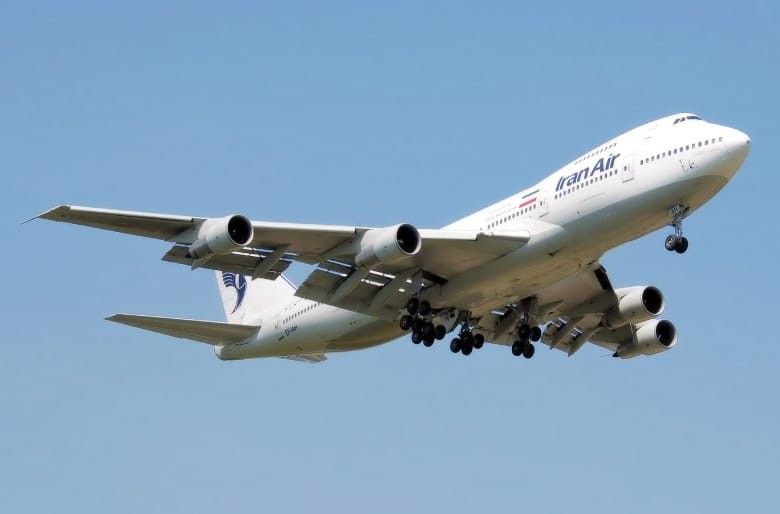
Urmia Airport handles regular flights to Tehran and occasional services to other Iranian cities. Mehyar Flights is the best way to check current schedules and book tickets. The airport is small and close to the city, so transfer is straightforward by Mehyar Taxi.
Best time to visit Urmia
Late spring to early autumn, from May to October, gives the most comfortable weather. Summer is warm but not as hot as central or southern Iran, thanks to the altitude and the lake effect. Spring brings wildflowers to the Marmisho Valley and green hills around the lake. Winter is cold, with frequent frost and snow, and many rural attractions are less accessible. September and October give clear skies and good light on the lake.
Where to stay and what else Mehyar offers
Book through Mehyar Hotels in the city centre near the bazaar for easy access to the main sights. Mehyar Buses and Mehyar Flights connect Urmia with Tehran, Tabriz and other cities, and the Mehyar app bundles taxi, bus, flight and hotel into a single booking. A day in the bazaar and the city, a half-day at Marmisho and a sunset visit to the lake bridge makes a full two-day itinerary.