
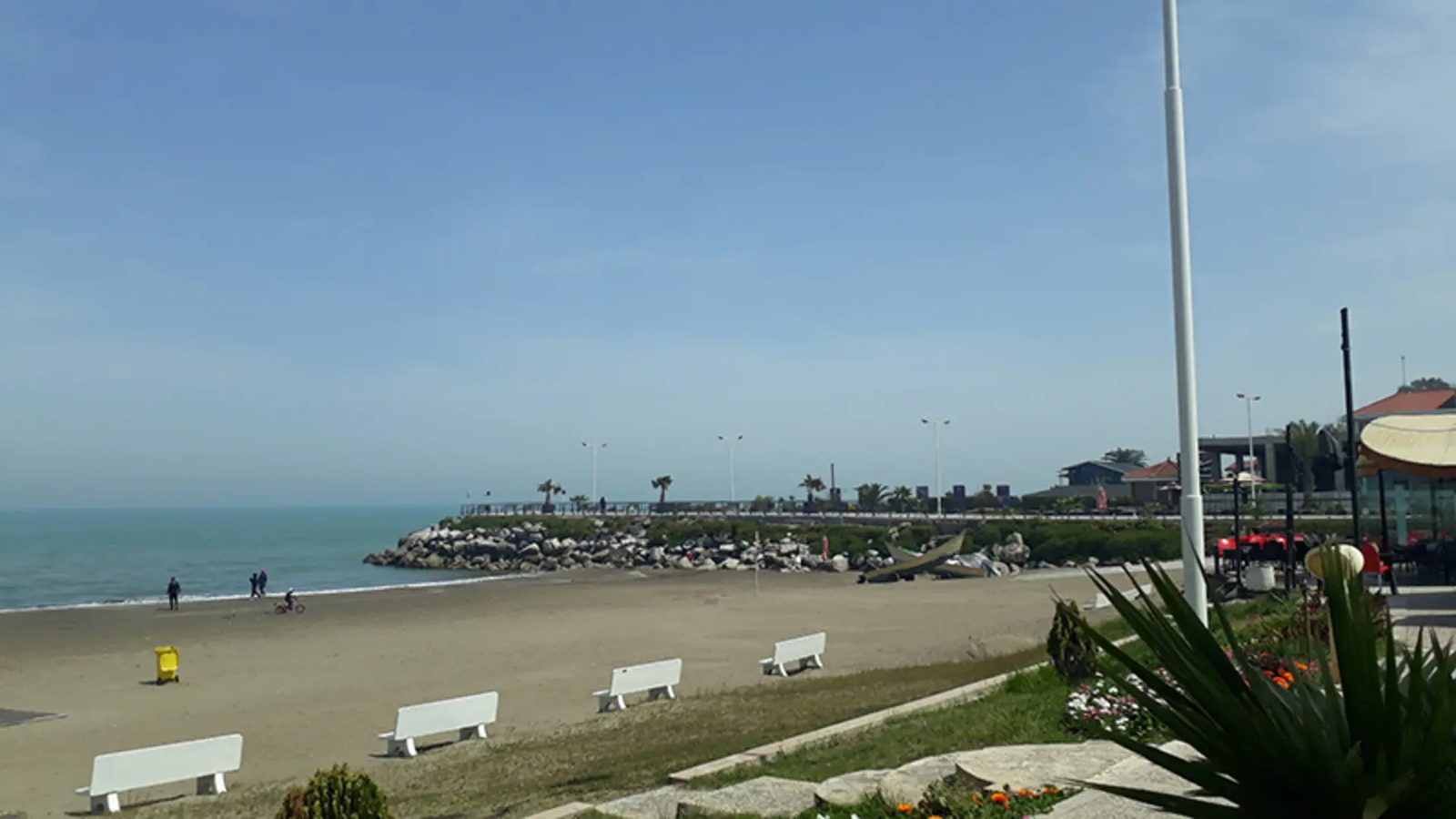
Babolsar has been a seaside resort for as long as anyone can remember, and in the old days it carried a different, holier name: Mashhad Sar. Today the city is split neatly in two by the Babelrud river, which winds down from the Alborz to the Caspian and turns the place into something rarer than a strip of beachfront hotels. On its banks sit suspension footbridges, boat piers, an Imamzadeh shrine said to be six centuries old, and one of the densest collections of Pahlavi-era civic architecture on the northern coast.
For a family weekend or a relaxed few days off the main Tehran-to-Rasht route, Babolsar is easy and generous: the sea on one side, green parkland along the river, and a scattering of historic buildings, colonial villas turned schools and offices, all within a short walk of one another. This guide covers what to see, where to sleep, when to come, and how to actually get there without a car becoming a problem.
Where is Babolsar?
Babolsar is a coastal city in Mazandaran province, in northern Iran, on the shore of the Caspian and just west of the provincial capital, Sari. It sits along the main coastal road, with the Babelrud river dividing the urban area and the forested Alborz foothills rising a short drive to the south. Because it is closer to Tehran than most of the eastern Caspian resorts, it stays busy through summer and the Nowruz holidays.
How to get to Babolsar
From Tehran. Babolsar is roughly 270 to 300 kilometres from the capital, about four to five hours by road in normal traffic. The common route takes the Haraz freeway through Firuzkuh to Amol and then follows the coast road east to Babolsar. Book long intercity coach seats in Mehyar Buses in advance for holiday weekends, or arrange a private door-to-door run with Mehyar Taxi if you are travelling with family and luggage.
From Sari and the coast. The provincial capital Sari is a short drive to the east along the coastal road, and the nearby Dasht-e Naz airport serves the region. If you are flying into the northern coast, arrange the final leg to Babolsar in Mehyar Taxi from the airport or from your first hotel rather than relying on shared taxis, which drop you on the main road and not at your door.
Getting around the city. Most of Babolsar's heritage sights, the clock tower, the historic school, the administrative villas and the riverfront, cluster around the centre and the suspension bridge and can be walked or hopped in a short Mehyar Taxi ride. For the beaches to the west (Miroud, Korfoun) you will want a car or a hired driver.
The river and its sights
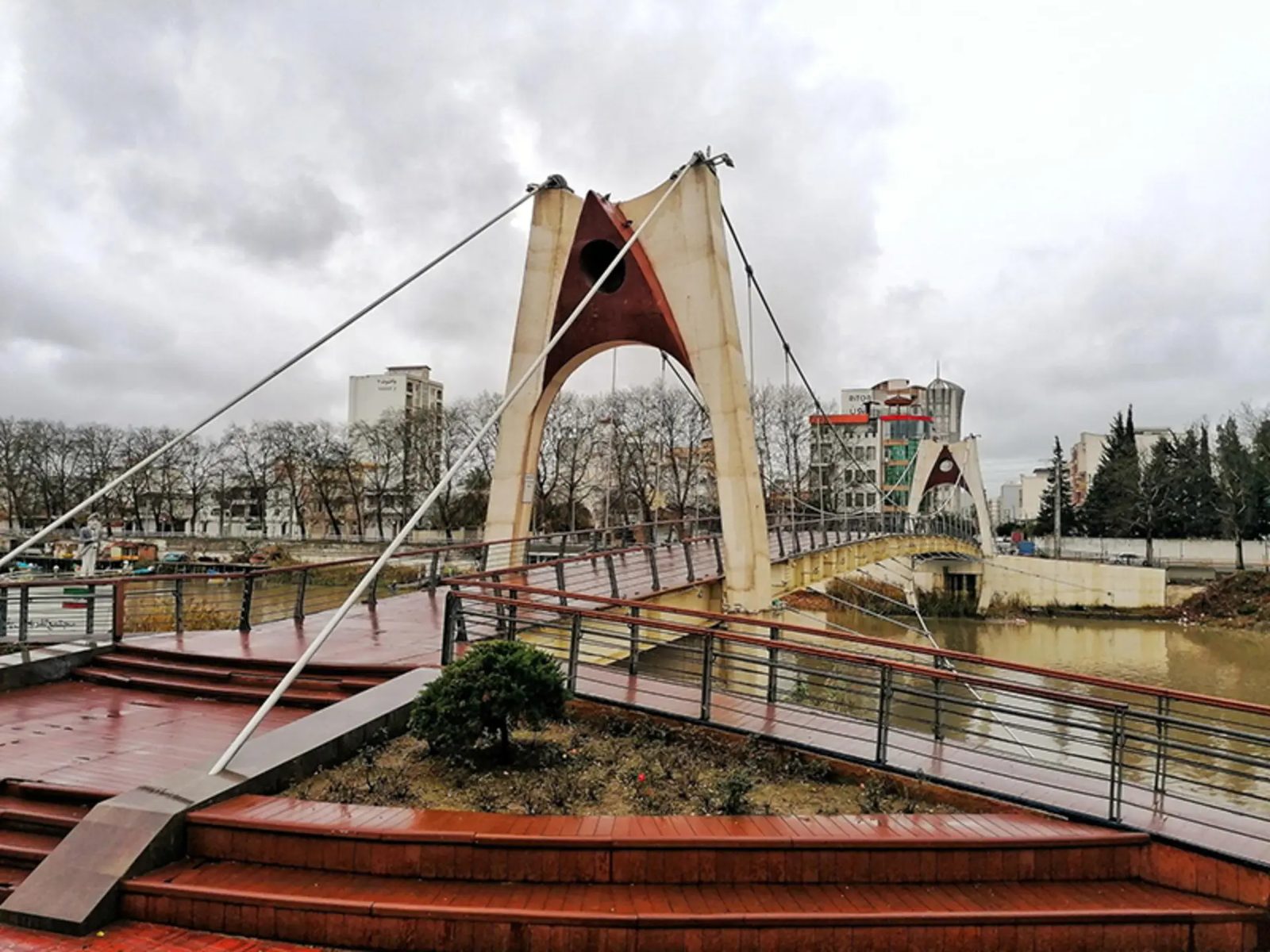
Babelrud river and the boat piers. The river is the city's spine, and the parkland that has been built along its banks, with piers for pleasure boats, teahouses, restaurants and coffeehouses, is where Babolsar spends its evenings. A boat trip up the Babelrud is the most popular single activity and is pleasant at almost any hour.
The suspension bridge. A metal suspension footbridge spanning the Babelrud, the Pol-e Moallaq is among the city's oldest and most photographed landmarks. It was built in 1934, before the Second World War, by Swedish and German engineers, and measures roughly 80 metres long, 16 metres high and 8 metres wide. Crossing it at dusk, with the river lights below, is a small and reliable pleasure.
The historic and religious sites

Imamzadeh Ibrahim. On a side street off Meydan-e Bilal, the shrine of Imamzadeh Ibrahim draws pilgrims as a descendant of Imam Musa al-Kadhim and is known locally as Abu Javad. Tradition holds that he was buried in the old Mashhad Sar quarter together with his sister. The shrine building is octagonal, crowned by a striking pyramidal dome, and is thought to date back to around the ninth century AH; it preserves fine carved doors, a wooden reliquary box and several inscriptions.
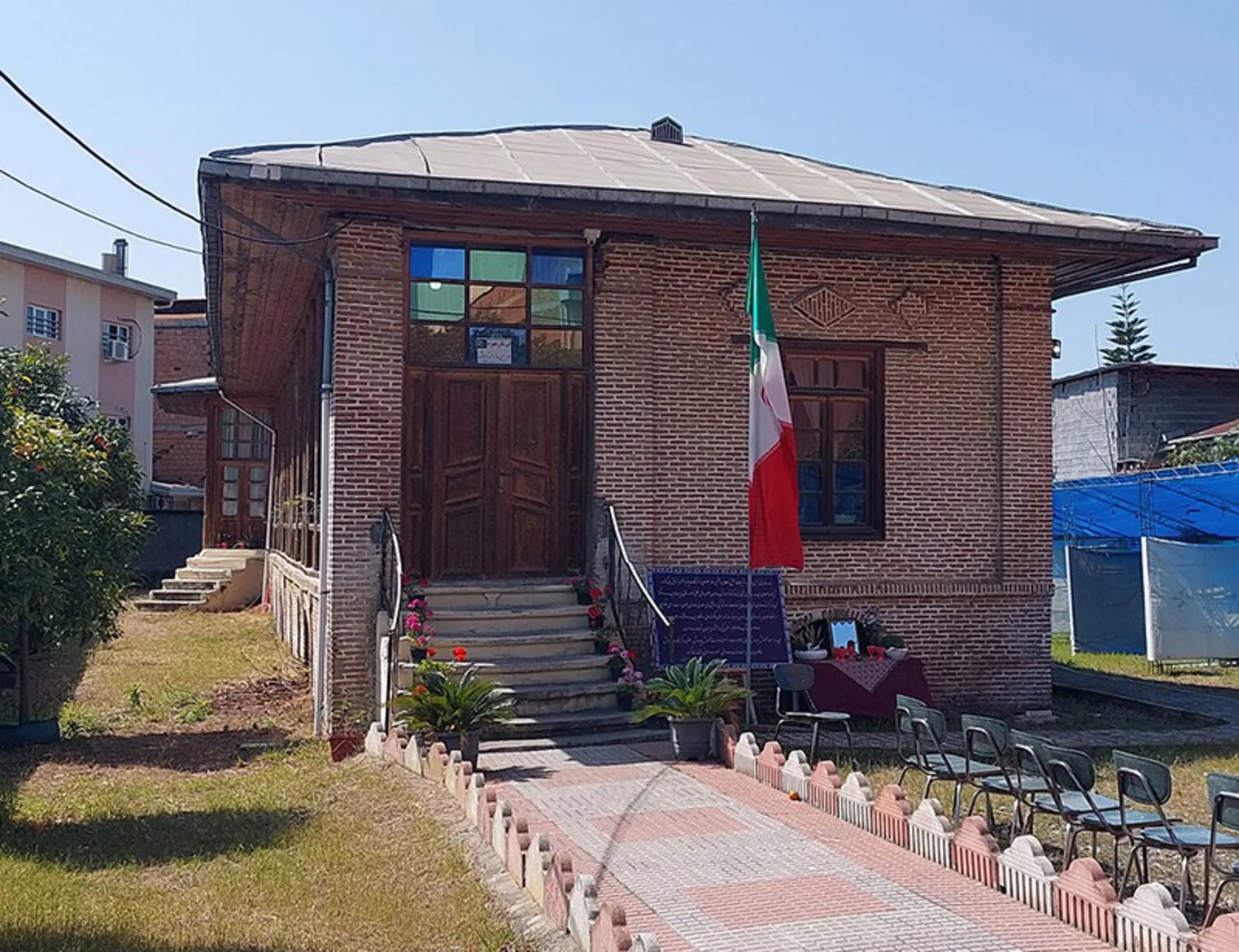
The Pahlavi city core. What makes Babolsar distinctive among the Caspian resorts is how many of its 1930s and 1940s civic buildings survive in everyday use. The clock tower on Shariati street, attributed to the local notable Sheikh Seyyed Saleh Salehi, is a registered national monument and stands in the courtyard of a hotel that took its name; it has become the symbol of the city. Narjes school, also called Ahmadiyeh, is the oldest school in Babolsar, built in the Pahlavi I era and raised on a half-storey to keep damp from the floor. The Behdari health-office building, the electricity office, the meteorology office beside the suspension bridge and the University of Mazandaran (once Reza Shah Kabir University, at Meydan-e Khalij-e Fars) all date from the same period, many of them registered national buildings that you can still walk past and photograph.
Beaches, forest and family days out

Miroud beach. About 11 kilometres west of Babolsar, near Dehnamir, Miroud is a designated model tourism area, a green pocket where the forest meets the sea, with gazebos, tent platforms, a restaurant, toilets and a children's park. It is one of the easiest half-day family trips from the city.
Korfoun. A little further out, around 18 kilometres away, Korfoun is a quieter beach zone known for its sunsets and the sound of the waves, good for an unhurried afternoon.
Khazar Shahr. This planned seaside resort town, divided into north and south sections close to the water, is one of the most sought-after holiday addresses near Tehran; entry is regulated and visitors need an access card, so factor that in if you plan to stay or spend a day there.
Babolsar Wildlife Park. A privately run park holding wolves, lions, camels, ostriches, bears, monkeys and more, popular with children. Entrance is ticketed; the local fee was around 70,000 tomans at the time of writing, but confirm on arrival as prices move.
Where to stay
Babolsar offers everything from beach hotels and riverside guesthouses to the apartments of the Khazar Shahr resort belt. For first-time visitors, staying near the riverfront or the seafront puts the bridges, boat piers and evening walks within reach, and keeps you close to Mehyar Hotels properties for booking ease. The coastal city fills fast in July, August and the Nowruz break, so reserve early; shoulder months give you the same rooms at a fraction of the crowd.
The best time to visit
- Spring is gentle and green, the Babelrud runs high, and the river and beach parks are at their freshest, with fewer crowds than in summer.
- Summer is peak season: warm sea, boat trips, lively evenings along the river, and the busiest beaches and resorts.
- Autumn brings cooler air and thinner crowds, ideal if you want quiet walks on the promenade and cheaper rooms.
- Winter is cold and damp, the beaches empty, but the city is calm, the hotels are quiet, and the riverfront on a clear afternoon has its own grey-sea charm.
Where to go next
Babolsar works beautifully as one stop in a northern loop. Pair it with Amol and the Haraz mountain villages to the west, or continue east to Sari and the Caspian coast beyond. If you are planning the wider region, see the Mazandaran travel guide for the coastal context and the Sari destination page for the provincial capital a short drive away, and let Mehyar Taxi handle the short hops between the resorts.