
Amol is one of the oldest settlements on Iran's Caspian shore, a city where the Alborz mountains lean down to meet green river valleys and where, locals say, people lived long before the arrival of the Aryans. Today that deep history sits quietly behind a more immediate draw: Amol is a gateway to the wilder half of Mazandaran. From its centre you can be walking into a primeval forest within half an hour, soaking in a natural hot spring above the roaring Haraz river, or staring up at the snow-cone of Damavand from a trailhead most visitors pass without stopping.
What makes Amol rewarding is range. In a single trip you can stand among centuries-old trees in a protected forest park, climb to a 2,510-metre summit with the highest volcano in the Middle East in full view, wander hand-cut caves thousands of years old, and finish the day in a steaming mineral pool that has been run by the same family for around 160 years. This guide covers the sights that matter, the honest logistics of reaching them, and the seasons that change what Amol looks like.

Where is Amol?
Amol sits in eastern Mazandaran province, in northern Iran, where the southern foothills of the Alborz give way to the flat coastal plain of the Caspian. The Haraz road, the great crossing that links Tehran to the Caspian through a tunnel beneath the Damavand massif, passes close by, which is why so many travellers moving between the capital and the northern resorts stop here or branch off into the mountains. The city itself is spread along the banks of the Haraz river, and almost every major sight described below lies to the south and west of town, climbing into the forest and up toward Damavand.
How to get to Amol from Tehran
Amol is about 180 kilometres northeast of Tehran, and most visitors approach it along the Haraz road (Road 77) through Firuzkuh. In clear weather the drive from the capital takes roughly two and a half to three hours, though weekend and holiday traffic around the Tehran end can add substantially to that. From Rasht and the western Caspian, Amol is reached via the coastal road through Babol, about an hour to the west.
By Mehyar Taxi. For travellers without a car, booking a private Mehyar Taxi from Tehran or from a nearby Caspian city is the most flexible way to use Amol as a base, because several of its best sights, the forest villages and the trailheads, sit on narrow roads that public transport does not serve well. A hired driver can wait while you walk, take the mountain turnoffs in one loop, and bring you back the same evening. Book the hop in Mehyar before you set out so you are not negotiating on the roadside in a language you do not share.
By Mehyar Buses and intercity taxi. Amol has a regular flow of buses and shared intercity taxis along the Haraz corridor and the coast road. These are economical for getting as far as the city, but treat them as the way to arrive, not the way to explore; the last mile into the forest and up to the hot springs still needs a private car or a hired driver. For onward legs around the city, keep Mehyar Taxi as your default and ask your hotel desk for a trusted driver as a fallback.
On the map. Amol centre sits around latitude 36.47 and longitude 52.35. The mountain sights fan out to the south and west of that point along the Haraz and Larijan roads.
The natural sights
The heart of Amol's appeal is the forest and water country to the south.
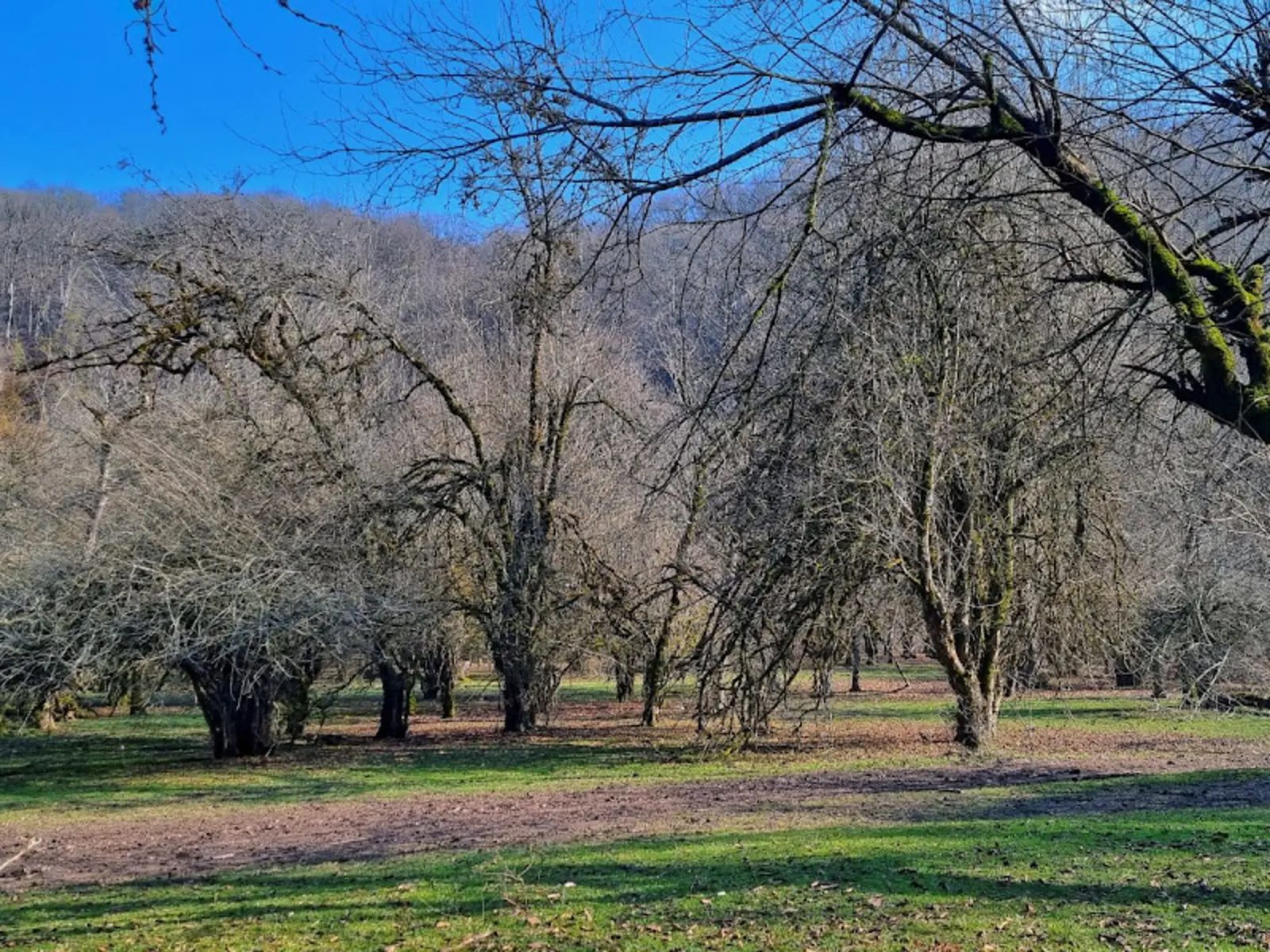
Alimestan forest and village. Alimestan is a celebrated tourist village in the central district of Amol county, reached at the 20-kilometre mark on the Haraz road from Amol. Its forest takes its name, by one account, from a plant called yalima that grows thick each spring. Getting there is part of the pleasure: leave the Haraz road at the sign for Imamzadeh Qasem, also known as Imamzadeh Hahash, keep left at the fork, and follow a narrow, winding paved road for around seven kilometres past Hahash village, then about five kilometres of track to Alimestan itself, where the forest begins.
The village also gives access to Alimestan peak, about 2,510 metres high, one of the best winter and early-spring climbs in the region, with Damavand in front of you the entire way up the eastern flank.
Sahoon Lake. On the southwestern slopes below Damavand, near the village of Nava and above 3,000 metres, lies Lake Sahoon. It once covered more than 1,000 hectares and held water until well within living memory; human intervention drained much of it over the last half century. What remains is a high, windswept basin that rewards the effort of the climb with a sense of standing at the roof of the province.
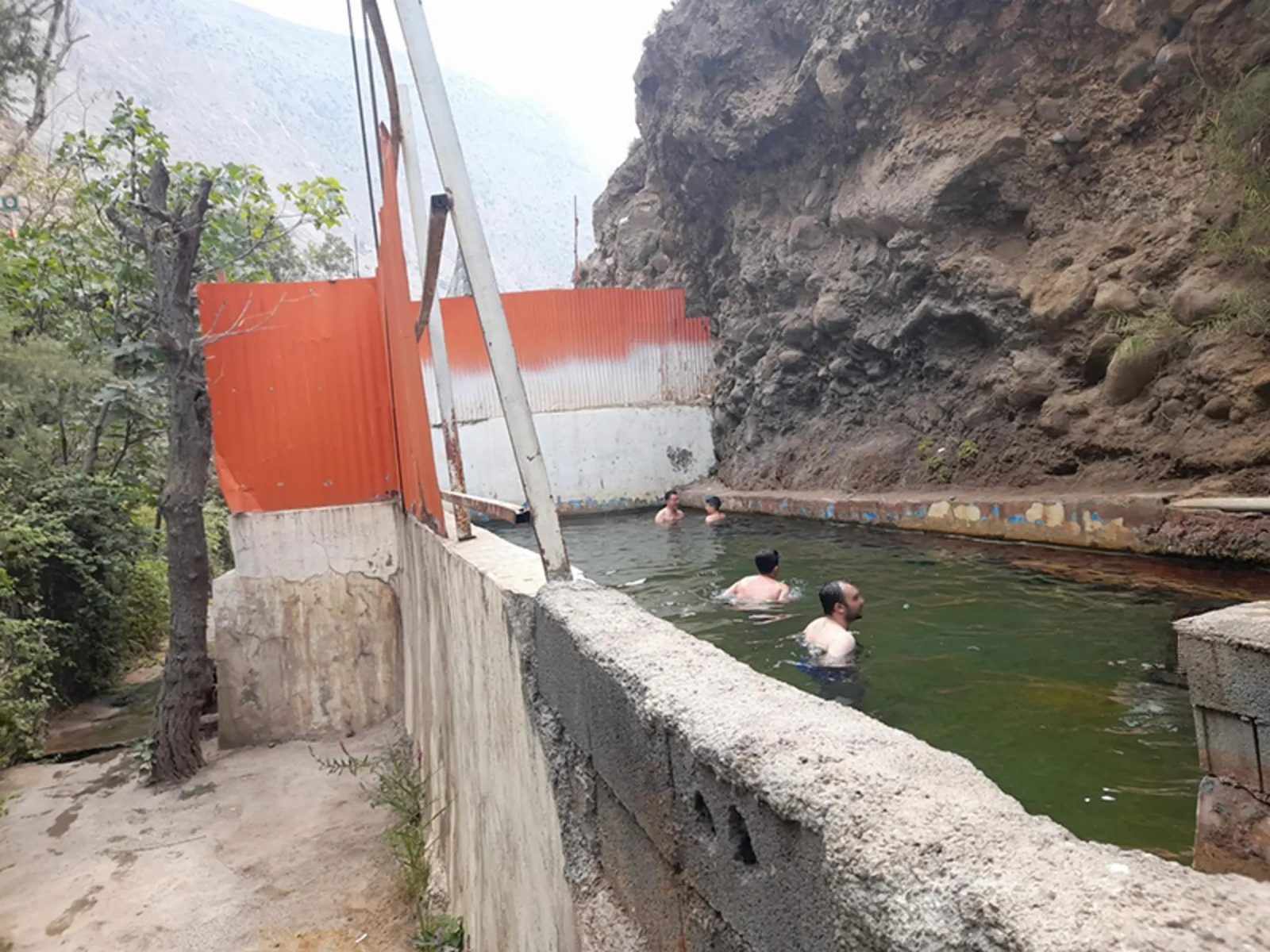
Sarabako Hot Spring. Further up the Haraz road, around 110 kilometres from Tehran and 55 kilometres from Amol in the Larijan district, the mineral waters of Sarabako burst from the mountain at about 34°C and run after a few metres into the Haraz river. The spring has fed two large pools for roughly 160 years and is still operated by the descendants of the family who first built them. The approach crosses an old bridge over the torrent and continues on a short mule path beneath the cliffs, the sound of the river and the birds in the wild trees all around you. It is a modest, working bath rather than a resort, and that is precisely its charm.
Forest parks within the city
Amol keeps several large green spaces that are easier to reach than the mountain sights.
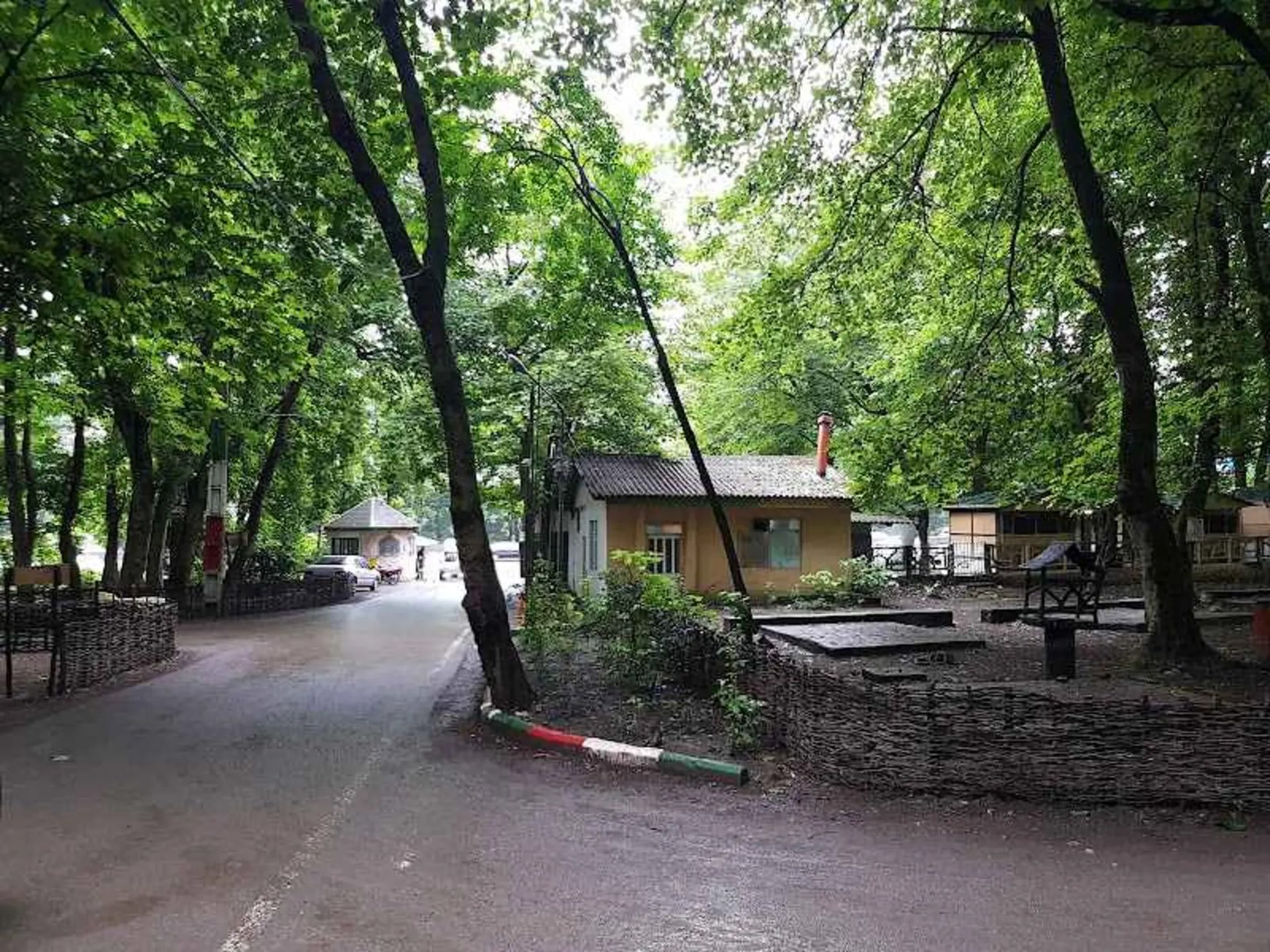
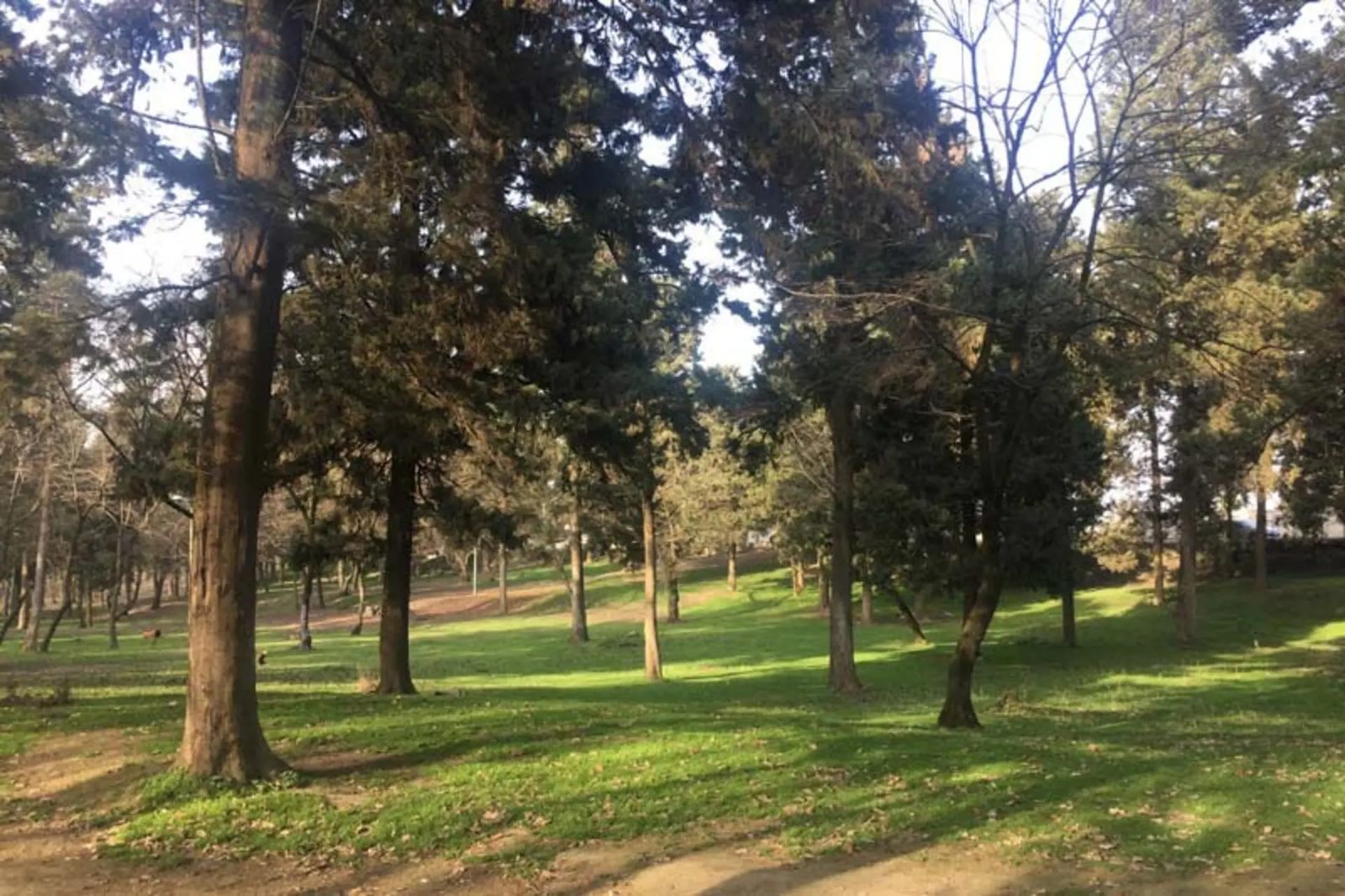
Mirza Kuchek Khan Forest Park. Named for the great Mazandarani forest resistance leader, this 440-hectare park on the Amol to Tehran road, at the 18-kilometre mark, is among the largest forest parks in the Middle East and the second biggest in Mazandaran. It is densely wooded, threaded by a scenic forest road, and well equipped with gazebos, drinking water, toilets, stoves, tables, a restaurant and coffeehouse, tent platforms, children's play areas and a horse-riding ground. Inside you will find Mahan waterfall, a stepped trail known as Hezar Pelleh (the Thousand Steps), a cold spring and stands of old and fruit-bearing trees.
Holumsar Forest Park. At the entrance to the road leading to Imamzadeh Abdullah, Holumsar is a 67-hectare park developed in stages and now designated a model tourism zone, with sanitation blocks, gazebos, waste bins, a coffeehouse, a prayer hall and play equipment.
Dehkadeh Talaei Park. Better known as the Golden Village, this is the largest park in Mazandaran and is counted among the most beautiful urban parks in Iran, an easy green escape inside the city itself.
Where to stay
Most visitors sleep in Amol town, where hotels range from simple roadside inns to comfortable city properties, or in the coastal resorts a short drive to the north. If your plan is early starts in the mountains, book near the Haraz road rather than on the coast, so that you are already positioned for the turnoffs to Alimestan and Sarabako. Browse Amol and wider Mazandaran properties in Mehyar Hotels before you travel, especially in Nowruz and July and August, when the northern resorts fill quickly and rates move up.
The best time to visit
Amol changes character with the year, and the "right" season depends on what you came for.
- Spring brings the fullest rivers, fresh green on the Alborz slopes and the yalima growth that gives Alimestan its name, and is the best all-round season for nature walks and open-air sightseeing.
- Summer offers cool highland air and easy access to the mountains, making it the peak escape season for families fleeing the heat of the central plateau.
- Autumn repaints the forest in layered colour and is the quietest, most photogenic time for unhurried travel.
- Winter turns the upper villages and peaks white and makes climbs such as Alimestan especially beautiful, though snow can close or slow the mountain roads.
Evenings are mild and calm through most of the year, ideal for walking the city's parks and riverfront after a day in the hills.
Where to go next
Amol sits usefully between Tehran and the Caspian, so it pairs naturally with a stop in the coast towns to the north or a continuation up the Haraz into Larijan toward Damavand. If you are building a longer northern loop, treat Amol as the mountain day and one of the beach resorts as the recovery day, and let Mehyar Taxi handle the short transfers between the two. For the wider context of the region, see the Mazandaran travel guide and plan the drive from the capital with the Tehran city guide.