
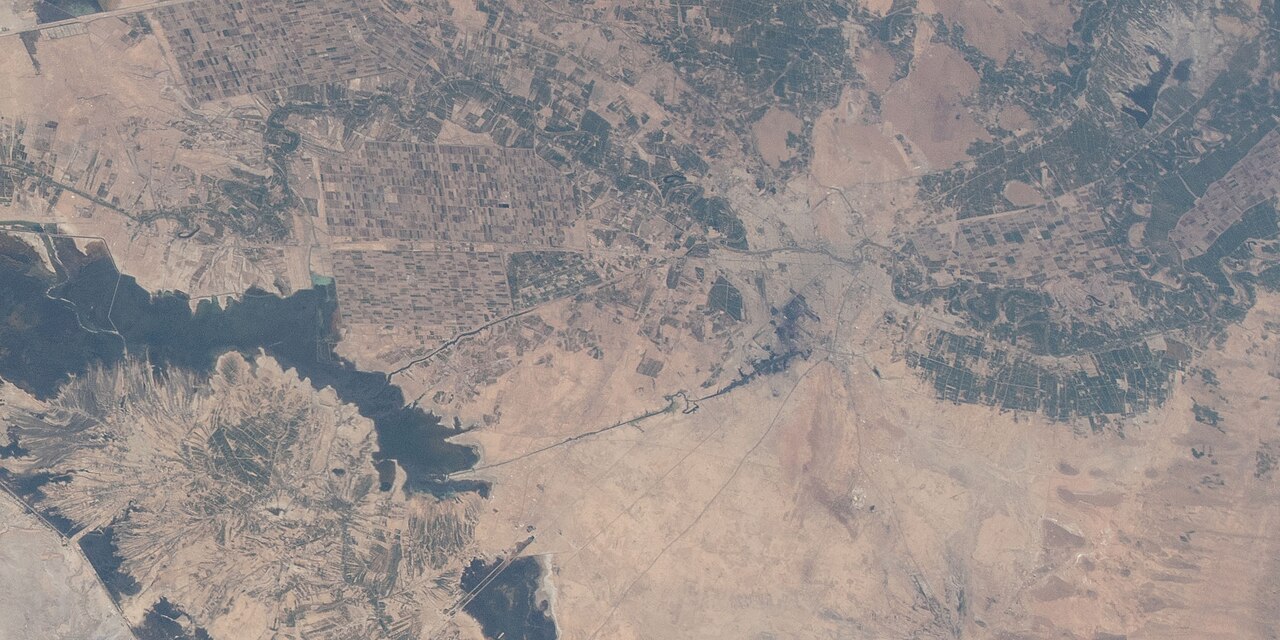
The flat alluvial plains of Khuzestan stretch from the Zagros foothills to the head of the Persian Gulf, and they have been a crossroads of civilisations for more than four thousand years. This is the land of ancient Elam, where the ziggurat of Chogha Zanbil still stands after three millennia, and where the Karun River, the only navigable river in Iran, cuts a lifeline through the desert. It is also home to one of the largest Arab communities in Iran, a population of roughly two to three million people whose presence in this region predates the modern borders of the Middle East by centuries.
The Arab tribes of Khuzestan are not a recent arrival or a migrant community. They are an indigenous population with deep roots in the land, speaking Arabic as their first language and maintaining social structures, customs, and traditions that connect them to the broader Arab cultural world while also reflecting the distinct character of the Iranian southwest. For travellers interested in the cultural mosaic of Iran, a visit to Khuzestan offers an experience you will not find anywhere else in the country.

The Major Tribes
Three tribal confederations dominate the social landscape of Khuzestan. The Bani Kaab, also written Banu Kab, are the largest and most widespread. Originally from the marshlands of southern Iraq, they migrated into the Karun basin and the Shadegan wetlands over several centuries, becoming expert farmers, fishermen, and buffalo herders. Their dialect of Arabic carries traces of Mesopotamian influence, and their social organisation revolves around extended family clans, each with its own recognised sheikh.
The Bani Tamim, a branch of one of the oldest and most widely distributed tribal names in the Arab world, have a strong presence in the eastern parts of Khuzestan and around the city of Behbahan. Historically nomadic pastoralists, many Bani Tamim families have settled in towns and villages while maintaining their tribal identity and gathering annually for social occasions.
The Bani Lam occupy the central and western areas of the province, particularly around the city of Shushtar and the Karun corridor. Their history is closely tied to the river and its seasonal flooding, which shaped both their agricultural practices and their relationship with neighbouring communities. Bani Lam poetry, music, and oral storytelling remain vibrant, particularly in rural areas where the tribal structure is still the primary social framework.
Life Along the Karun
The Karun River is the defining geographical feature of Khuzestan, and it has shaped the lives of the Arab communities here in ways that go well beyond simple agriculture. Before the construction of modern dams and irrigation networks, the river flooded annually, depositing rich silt across the plains and creating seasonal marshlands teeming with water buffalo, wild boar, and migratory birds. The Arab tribes of the Karun basin developed a way of life perfectly adapted to this rhythm, building elevated reed houses, cultivating date palms on the natural levees, and fishing in the flood channels with techniques passed down through generations.
Today, the Shadegan wetlands, downstream from Ahvaz, remain one of the most ecologically important areas in Iran and a place where traditional Arab marsh culture survives. Visitors can take boat trips through the reed channels, visit floating villages where families still live in reed houses, and observe the water buffalo herding that has defined this landscape for centuries. The wetlands are also a major bird watching destination, with over two hundred species recorded, including herons, egrets, and the endangered marbled teal.
Culture and Traditions
The Arab communities of Khuzestan maintain a rich cultural life that blends Arab traditions with the local Iranian context. Music is central. The neyanban, a type of bagpipe made from goatskin, is the signature instrument of Khuzestani Arab music, and its haunting sound accompanies celebrations, weddings, and seasonal festivals. At weddings, which can last several days, you will hear the neyanban alongside drums and choral singing, while guests perform the ardah, a traditional group dance performed in lines with linked arms.
Food is another gateway into the culture. Khuzestani Arab cuisine is distinct from mainstream Persian cooking. Ghalieh mahi, a fish stew flavoured with tamarind, coriander, and fenugreek, is considered the signature dish of the region. Falafel, served in fresh flatbread with tahini and pickles, is ubiquitous street food in Ahvaz, reflecting the city's Arab identity. Sabok, a dish of spiced fish wrapped in banana leaves and cooked slowly, is a speciality of the Shadegan area. Date syrup, known as dibs, is used as a sweetener and condiment, and Arabic coffee with cardamom is served to guests as a matter of honour.
Palm weaving is a craft closely associated with the Arab communities of Khuzestan. Artisans weave palm fronds into baskets, mats, fans, and decorative objects, a skill that has been passed down for generations. In the bazaars of Ahvaz and the smaller towns along the Karun, you can still find craftsmen at work, shaping the stiff fronds into intricate patterns.
What to See and Do
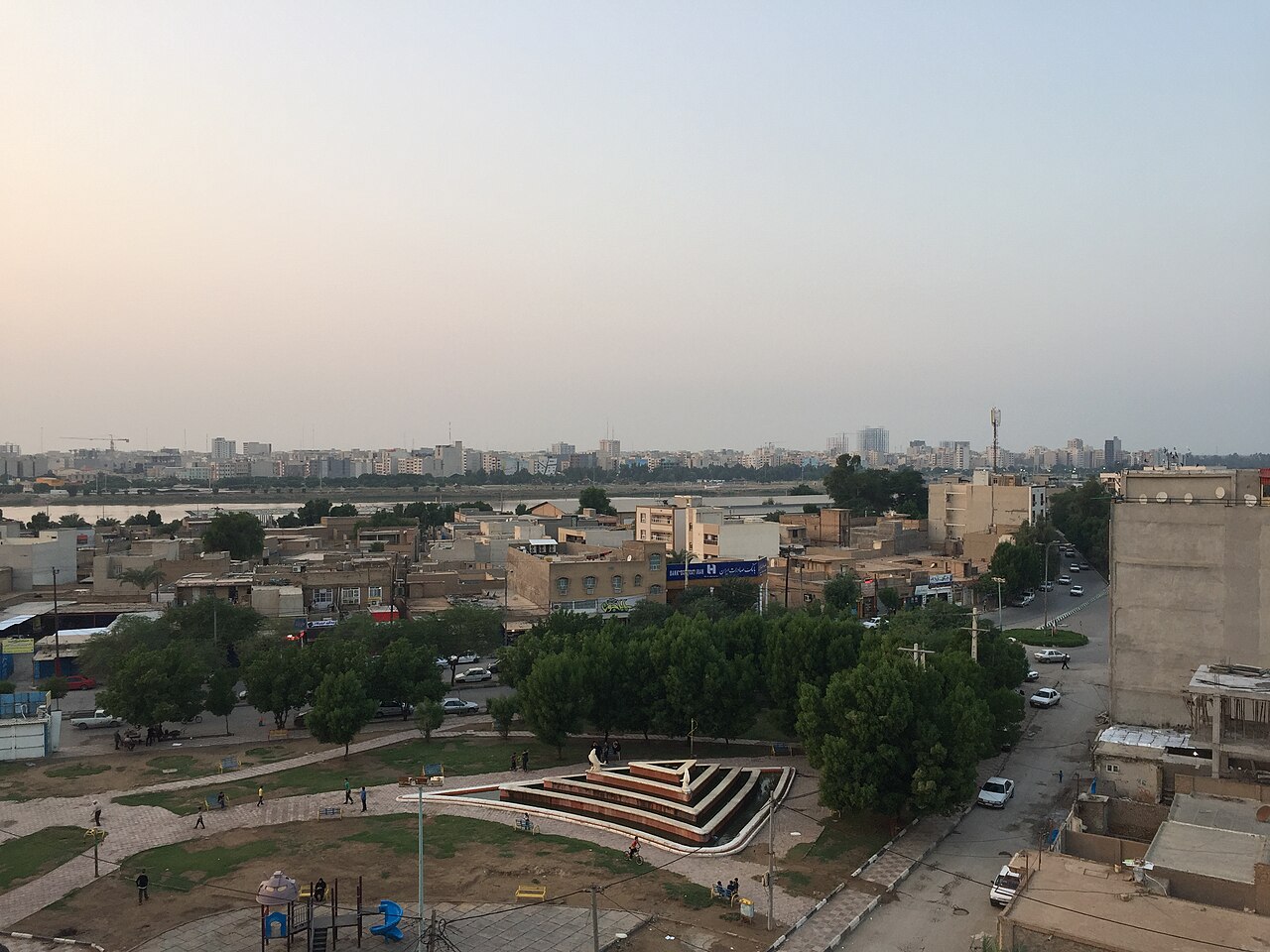
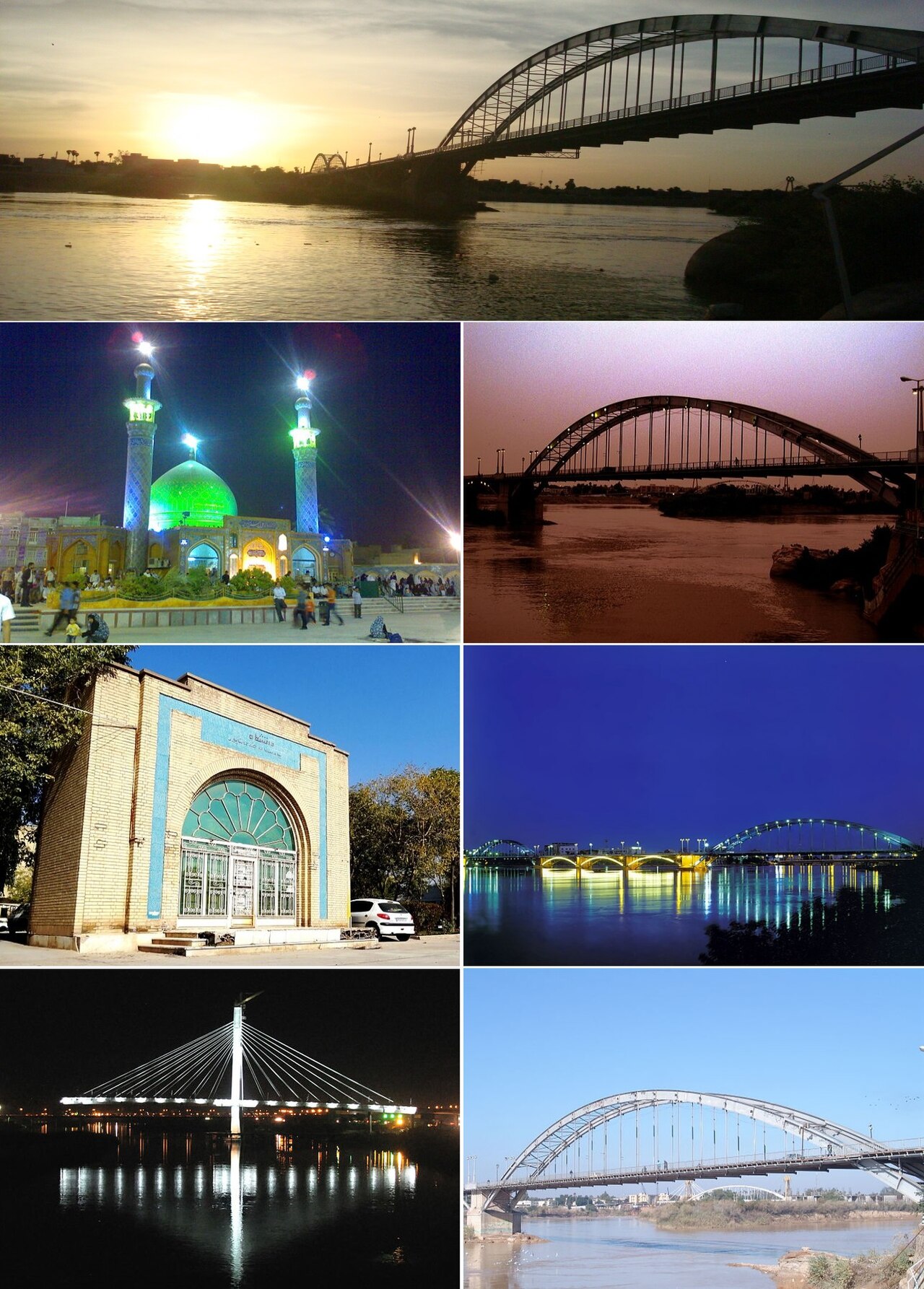
Ahvaz. The provincial capital sits on the Karun River and is the best base for exploring the Arab cultural landscape. The city's waterfront corniche comes alive in the evenings, when families gather along the river to eat, drink tea, and socialise. The White Bridge, a steel arch structure from the 1930s, is the city's landmark. The traditional bazaar is worth exploring for its spices, dates, and handwoven palm goods.
Chogha Zanbil. This UNESCO World Heritage Site, located about forty kilometres southeast of Susa, is the best preserved ziggurat in the world. Built around 1250 BCE by the Elamite king Untash-Napirisha, it predates the Arab presence but provides essential context for understanding the deep history of the region that the Arab tribes now call home.
Shadegan Wetlands. A two hour drive south of Ahvaz takes you to the largest wetland system in Iran. Local Arab guides operate boat tours through the reed channels, offering a glimpse into the traditional marsh lifestyle. The best time to visit is November through March, when migratory birds are present and the temperatures are comfortable.
Shushtar. This ancient hydraulic system, also a UNESCO site, is a short drive from Ahvaz. The Sassanid era water mills and canal network demonstrate the engineering genius of the ancient peoples who lived along the Karun, and the surrounding area has a significant Arab population.
Practical Information
Getting there. Ahvaz has an international airport with regular flights from Tehran, Isfahan, Shiraz, and Mashhad. The journey from Tehran takes about an hour by air. By road, Ahvaz is connected to the rest of Iran by good highways. The drive from Isfahan takes roughly six hours through the Zagros Mountains.
Best time to visit. Khuzestan has one of the hottest climates in Iran. Summer temperatures regularly exceed 45 degrees Celsius, and humidity from the Persian Gulf makes conditions oppressive. The best time to visit is from late October through early April, when daytime temperatures are pleasant and the wetlands are at their most vibrant.
Cultural sensitivity. The Arab communities of Khuzestan are warm and hospitable. Visitors who show interest in local customs, try the food, and make an effort to greet people in Arabic will be welcomed enthusiastically. Dress modestly, ask permission before photographing people, and be aware that this is a deeply traditional society.
The Living Heritage
The Arab tribes of Khuzestan are not a museum exhibit. They are a living, breathing community, navigating the tensions between tradition and modernity just as communities everywhere do. Young people in Ahvaz study at university, use social media, and work in the oil industry, while still attending tribal gatherings, speaking Arabic at home, and maintaining the social bonds that have held their communities together for generations.
For travellers, this makes Khuzestan one of the most rewarding destinations in Iran. It is a place where you can eat extraordinary food, hear music that sounds unlike anywhere else in the country, sleep in reed houses on the wetlands, and engage with people whose hospitality is legendary. The Arab tribes of Khuzestan have survived here for centuries, adapting to floods, wars, and political upheavals, and their resilience and warmth are the true attractions of a visit to this extraordinary corner of Iran.