
Nowruz, the Persian New Year, falls at the spring equinox, usually around 20 or 21 March. For Iranians it is not a single day but a season: schools close, offices empty, and millions of people travel at the same time. For a visitor, this is both a gift and a challenge. The gift is a country in full celebration, with flowers, poetry, and family warmth. The challenge is that flights, hotels, and buses fill up faster than at any other time of year. This guide explains what Nowruz is, how the travel system behaves during the holiday, which regions reward a spring visit, which ones to approach carefully, and how to use Mehyar to book transport and accommodation before the rush.
What exactly is Nowruz?
Nowruz means "new day" in Persian. It marks the first day of Farvardin, the opening month of the Iranian solar calendar, and it begins at the exact moment the sun crosses the celestial equator. That moment, called tahvil-e sal, is announced on television and radio, and families gather around a table called the Haft-Seen to hear it.
The Haft-Seen holds seven symbolic items whose names begin with the letter sin in Persian: sabzeh (wheat sprouts), sib (apple), senjed (dried oleaster), samanu (sweet wheat pudding), sir (garlic), somaq (sumac), and serke (vinegar). Each carries a meaning such as rebirth, health, patience, or sweetness. A mirror, a bowl of goldfish, and a copy of the Quran often join the arrangement. The table stays up for the length of the holiday.
The holiday officially runs for four days, but in practice most of the country takes roughly two weeks. The thirteenth day, Sizdah Bedar, is spent outdoors. Families spread picnic blankets in parks and beside rivers to close the season. In 2010 the United Nations recognised Nowruz as an international day of cultural heritage, and today more than 300 million people across Iran, Afghanistan, Central Asia, the Caucasus, and the wider diaspora mark it.
For a traveler, the key point is simple: this is not a quiet cultural festival you can drop into. It is a national movement.
Where does Nowruz fit in the Iranian year?
The Iranian calendar is solar, so Nowruz always lands near the spring equinox in the Gregorian calendar. That means late March and early April. The weather across most of Iran is at its most forgiving in these weeks: mild in the cities, green in the north, still comfortable on the southern coast, and warm but not yet punishing in the central desert.
The holiday also sets the rhythm of the whole year. Prices, school terms, and family plans all turn around it. If you understand how Iran moves during Nowruz, you understand how to move with it rather than against it.
Why Nowruz is both the best and hardest time to visit
The best reason to come is the atmosphere. Cities are decorated, bazaars are busy, and traditional music and poetry readings appear in public spaces. In Tehran, many residents leave for the provinces, so the capital's notorious traffic thins out and its museums become unusually calm. In Isfahan and Shiraz, the historic sites are full but lively. In Kashan, the rose fields begin to stir. In Mashhad, pilgrims gather at the Haram of Imam Reza for the turn of the year.
The hardest reason is logistics. Domestic tourism peaks, and so do prices. Flights between major cities sell out weeks in advance. Hotels in popular destinations raise rates and often require multi-night minimums. Buses on northern routes fill quickly, and the mountain roads toward Gilan and Mazandaran can slow to a crawl. A traveler who arrives without reservations may spend the first days of the trip solving problems instead of enjoying them.
The solution is not to avoid Nowruz. It is to plan early, choose your region with care, and keep your bookings in one place. That is where Mehyar helps.
The regions that shine during Nowruz, and the ones to approach carefully
Iran is large enough that Nowruz feels different depending on where you stand. Some regions are at their absolute best. Others become crowded, expensive, or logistically difficult.
Regions that reward a Nowruz visit
Tehran empties out as residents travel, so the museums, palaces, and cafes of the capital are calmer than usual. The Golestan Palace, a UNESCO site, and the National Museum of Iran are pleasant in the mild air. Use Mehyar Taxi to move between districts without hunting for street rides.
Isfahan is at its most photogenic. The Naqsh-e Jahan Square, the Sheikh Lotfollah Mosque, and the bridges over the Zayandeh River draw crowds, but the city handles them well. Spring weather is ideal for walking.
Shiraz fills with the scent of orange blossom. The tombs of Hafez and Saadi, the Nasir al-Mulk Mosque, and the Eram Garden are all at their best. The city is a natural base for day trips to Persepolis and Pasargadae.
Kashan sits between Tehran and Isfahan and becomes a focal point for rose water season. The historic houses, the Fin Garden, and the rose fields of nearby Qamsar are the draw. Book accommodation early because the town is small.
Yazd offers desert architecture without the summer heat. The windcatchers, the old city, and the Amir Chakhmaq complex are comfortable to explore in late March and early April.
Mashhad is the spiritual heart of the country during Nowruz. Pilgrims gather at the Haram of Imam Reza, and the city has a serious, joyful energy. Expect full hotels and busy transport.
Qeshm and Hormuz in the Persian Gulf are still pleasant before the real heat arrives. The mangrove forests, the salt caves, and the colored soil of Hormuz are unusual landscapes that reward the trip. Use the Persian Gulf name when you plan, and book ferries and flights through Mehyar.
Regions to approach carefully
The Caspian coast, meaning Gilan and Mazandaran, is the single most popular domestic destination during Nowruz. The roads from Tehran over the Alborz mountains can be jammed for hours. Hotels in Rasht, Ramsar, and Babolsar raise prices and fill early. If you want the north, book months ahead and travel on weekdays.
Kish Island is a duty-free resort destination and becomes expensive and busy. It is still enjoyable if you book through Mehyar Hotels early, but it is not a spontaneous choice.
Small desert towns such as Tabas can be lovely in spring, but services are limited and many family-run guesthouses are booked by domestic travelers. Confirm availability before you commit.
How to get there and how to move around
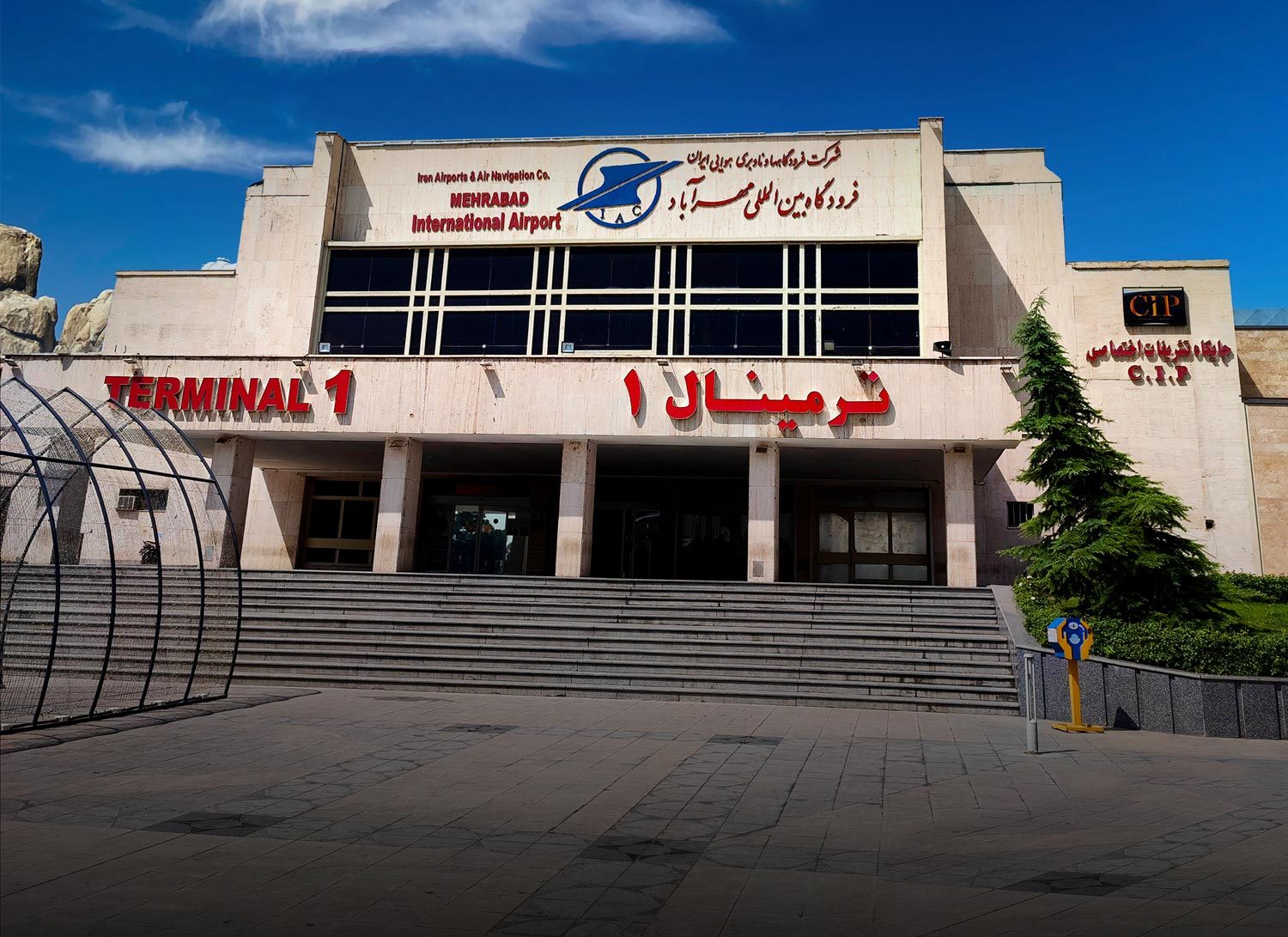
Iran's main international gateways are Imam Khomeini International Airport in Tehran, Mashhad International Airport, Shiraz International Airport, and Isfahan International Airport. During Nowruz, international arrivals spike, and domestic connections from Tehran to Shiraz, Mashhad, Isfahan, and the Persian Gulf islands are the busiest routes in the country.
The practical approach is to lock in your international flight first, then immediately book any domestic flight or train you need. Mehyar Flights lets you compare and reserve these legs in one place. For intercity buses, Mehyar Buses covers the main routes, including the popular Tehran to Isfahan and Tehran to Shiraz corridors. Trains are comfortable but sell out early, especially the night trains.
Once you are in a city, use Mehyar Taxi for airport transfers and daily rides. This avoids the uncertainty of negotiating with street taxis during a holiday when demand is high. For metro systems in Tehran, Isfahan, Shiraz, and Tabriz, buy a rechargeable card at station kiosks, or use the Mehyar wallet to keep small payments simple.
Booking early is not advice, it is the strategy
The single most important Nowruz rule is to book early. Domestic flights for the two weeks around the equinox routinely sell out four to six weeks ahead. Hotels in Shiraz, Isfahan, Kashan, and Mashhad follow the same pattern. Buses on northern routes can be full a week before departure.
Here is a simple sequence that works:
- Decide your arrival city and your first three nights. Do not try to plan the whole trip at once.
- Open Mehyar and book your international flight, then your first domestic connection if needed.
- Reserve your first hotel through Mehyar Hotels before you book anything else. Accommodation is the tightest constraint.
- Add intercity transport with Mehyar Buses or Mehyar Flights once your nights are confirmed.
- Keep one day unplanned for rest, especially if you are crossing time zones.
If you are still deciding on dates, the article on the best time to visit Iran explains how Nowruz compares with autumn and winter. If this is your first trip, the first-trip guide covers visas, money, and etiquette.
Weather and what to pack
Late March and early April bring mild, changeable weather across most of Iran. Tehran and Isfahan sit around 15 to 22 degrees Celsius during the day. Shiraz is similar, with cool evenings. Yazd and Kashan are dry and pleasant. Mashhad is cooler, especially in the evenings near the Haram. The Persian Gulf coast, including Qeshm and Hormuz, is warm but not yet oppressive, often in the mid to high twenties.
Pack layers. A light jacket is useful in the evenings, and a scarf or shawl is handy for visiting mosques and shrines. Comfortable walking shoes matter more than formal clothing. If you plan to visit the north, bring a rain shell, because Caspian spring weather is genuinely wet.
Money, connectivity, and practical notes
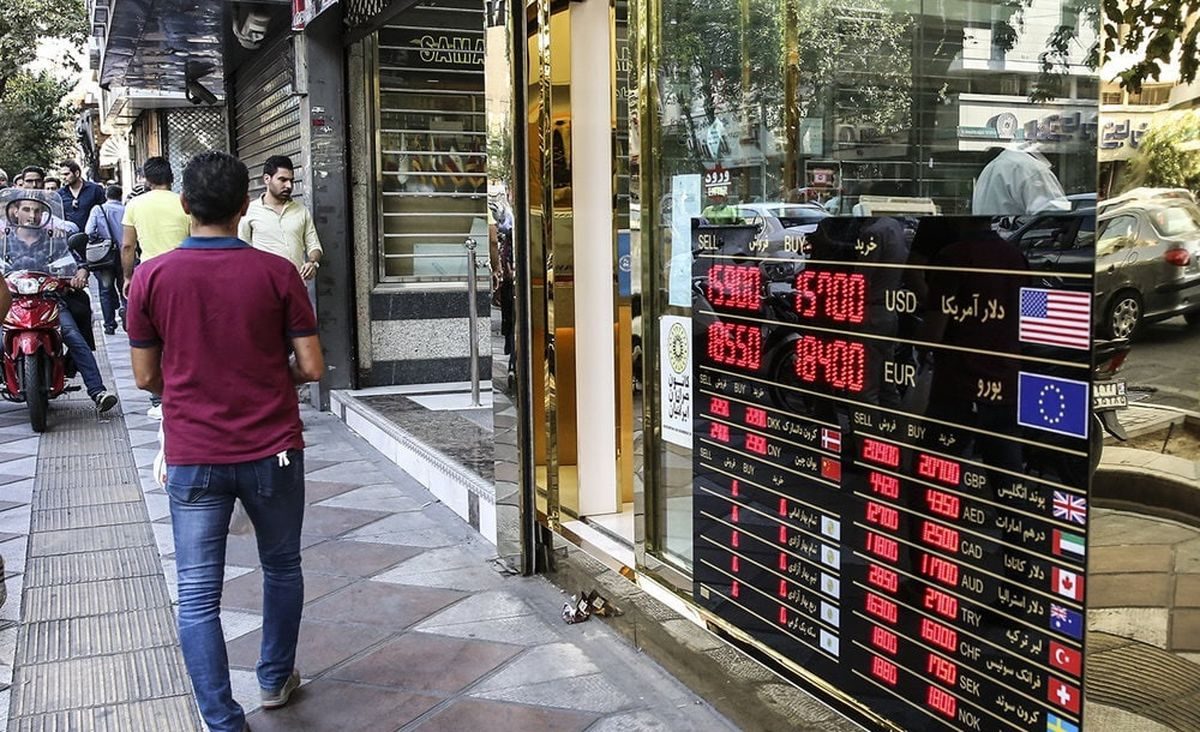
Iran runs on cash and domestic cards, and foreign cards generally do not work. The Mehyar wallet is the simplest way for a visitor to hold and spend money. Top up in the app, pay for taxis, hotels, and small purchases, and avoid carrying large amounts of cash. If you need a local SIM, Mehyar SIM is the first option to check. If you prefer to buy at the airport, that remains possible as a fallback.
Nowruz is a family holiday, so some small shops and restaurants close for a few days. Larger hotels, chain restaurants, and bazaars stay open. Museum hours can shift, and some sites close on the first two days of the year. Check current hours locally, because holiday schedules change.
A gentle first itinerary for Nowruz
If you want a route that balances culture, weather, and transport, consider this shape:
- Days 1 to 3: Tehran. Arrive, rest, and visit the Golestan Palace and the National Museum. The city is quiet because residents are away.
- Days 4 to 6: Kashan. Travel by bus or private car. See the historic houses and the Fin Garden. If you are there in rose season, visit Qamsar.
- Days 7 to 9: Isfahan. Continue south. Walk the Naqsh-e Jahan Square and the bridges in the mild spring air.
- Days 10 to 12: Shiraz. Fly or take the train. Visit Hafez, Saadi, and the Nasir al-Mulk Mosque. Take a day trip to Persepolis.
- Day 13: Sizdah Bedar. Join the outdoor picnics if you are invited, or enjoy a park in Shiraz. It is a joyful, informal end to the holiday.
This route uses the main transport corridors, which means more frequent departures and easier rebooking if plans shift. Book each leg through Mehyar as soon as your dates are firm.
Common mistakes to avoid
The most common mistake is arriving without accommodation. Nowruz is not the time to improvise. The second is underestimating domestic transport demand. A flight you assume will be available next week may already be full. The third is trying to see too much. Roads and airports are busy, and a relaxed pace suits the holiday better. The fourth is forgetting that some businesses close. Plan your meals around hotels, bazaars, and larger restaurants for the first two days.
A final mistake is treating Nowruz as a passive sightseeing period. It is a living celebration. If a family invites you to share tea or a Haft-Seen photo, accept. Those moments are the real reason to come.

Start your Nowruz trip with Mehyar
Nowruz in Iran is one of the great travel experiences of the year, but it rewards preparation. Open Mehyar, set your dates, and book your flights, hotels, buses, and taxis in one place. Top up your wallet, check Mehyar SIM for connectivity, and keep your first three nights firm before you add the rest.
When you are ready to choose your season, read our guide to the best time to visit Iran. When you are ready to lock in rooms and rides, read booking hotels and rides in Iran. And if this is your first visit, start with the Iran visa guide and the first-trip-to-Iran planner. Nowruz will be waiting, and with a little planning, it will be generous.