
Tehran stretches north until it cannot stretch any further, and then it hands the ground over to the Alborz mountains. At the point where the last neighborhoods give way to rocky slopes and juniper trees, you find Darabad, a district in the northeast of the capital that holds one of the most unusual combinations of wildlife, hiking, and cultural institutions in the entire country. Darabad is not a single park or a single attraction. It is a valley, a river, a wildlife refuge, a cluster of museums, and a trailhead for routes that climb into the mountains and do not come back down until they reach the high ridges of the Darabad protected area.
The valley runs roughly from the northeast edge of Tehran's twenty-second and first districts upward into the Jajrud highlands. The Darabad River, a seasonal waterway that flows from the Alborz foothills, cuts through the area and gives it its name. The landscape changes within a few kilometres from urban streets to dense tree cover to bare rock and alpine pasture, and that compressed transition is what makes Darabad worth a full day when you have only a few hours to spare in Tehran.
This guide covers where Darabad sits in Tehran, how to reach it by car or taxi, the wildlife refuge and its history, the hiking trails and what you will see on each, the museums and cultural sites nearby, the best time to come, and how to combine a Darabad visit with other destinations in northeast Tehran.
Where is Darabad?
Darabad occupies the northeast corner of Tehran, straddling the boundary between the city and the Jajrud protected area. Administratively it falls within Tehran Province, in the Shemiranat area north of the city, though the lower reaches of the valley are firmly inside the urban fabric. The coordinates are approximately 35.8065 north and 51.5048 east. The elevation at the valley entrance is roughly 1,700 metres above sea level, and the trails climb to over 2,500 metres on the upper ridges, which means the air is noticeably cooler than in central Tehran even in midsummer.
The Darabad River flows from the Jajrud highlands southward through the valley and eventually feeds into the Jajrud River system. The protected area that bears the valley's name, the Darabad Wildlife Refuge, covers several thousand hectares of forest, scrub, and rocky terrain and is one of the last significant wildlife habitats within the Tehran province boundary. The area is home to leopards, foxes, jackals, wild goats, and a wide variety of bird species, though the more elusive predators are rarely seen by casual visitors.
How to get there
Darabad is reachable by car, taxi, and city bus, though the options narrow as you move deeper into the valley.
By car
From central Tehran, take Sayyad Shirazi Highway northeast, then connect to the Babai Highway and follow it to the exit toward Darabad and Jajrud. Signs for the Darabad area and the wildlife refuge appear on the right. The drive from central Tehran takes roughly forty to sixty minutes depending on traffic. Once you reach the valley, a paved road continues uphill through the residential sections and past the museum complex. Parking is limited near the trailheads, so arriving early on weekends is advisable.
By taxi
Open Mehyar, choose Taxi, and set your destination to Darabad. The app covers rides across Tehran, including the northeast districts and the mountain roads, and gives you a fare estimate before you confirm. A taxi from central Tehran to Darabad typically takes forty to seventy minutes depending on traffic. The convenience of a taxi is particularly useful if you plan to hike one of the upper trails and want to avoid waiting for a shared taxi at the end of the day.
By bus and shared taxi
Several bus lines run from central Tehran toward the Shemiranat area and the Jajrud road. From the terminal at Tajrish Square, shared taxis and minibuses depart for Darabad and the surrounding villages throughout the day. The journey from Tajrish to the Darabad valley entrance takes about twenty to thirty minutes. This is the most affordable option and a good way to see the transition from the dense city to the open valley.
From other cities
If you are visiting Tehran as part of a wider trip, Mehyar Buses and Mehyar Flights connect the capital to all major Iranian cities. From Isfahan, the bus takes roughly five to six hours and the flight about an hour. From Mashhad, the bus is a long overnight journey and the flight is about an hour and a half. From Shiraz, the bus takes eight to nine hours or you can fly in one hour. Once in Tehran, Mehyar Taxi handles the last stretch from your hotel or the bus terminal to Darabad.

What to see
Darabad offers a layered set of attractions that reward a full morning or afternoon. The sites fall into three categories: the natural landscape, the wildlife refuge, and the cultural institutions.
The Darabad Wildlife Refuge
The Darabad Protected Area, often called the Darabad Wildlife Refuge, is one of the oldest conservation zones in Tehran Province. Established to protect the remaining wildlife populations in the Alborz foothills, the refuge covers a large area of mixed forest and rocky terrain. Visitors who drive the main road through the valley can often spot wild goats on the rocky slopes above the road and hear the call of pheasants in the tree cover below. The more elusive species, including the Persian leopard and the brown bear, are present but are almost never seen by visitors outside of research contexts.
The refuge is not a zoo or a fenced park. It is a functioning ecosystem, and visitors are expected to stay on marked trails, avoid feeding wildlife, and carry out any waste. Dogs are generally not permitted inside the core refuge area. If you want to learn more about the species that live here, the Natural History Museum nearby provides detailed exhibits and context.
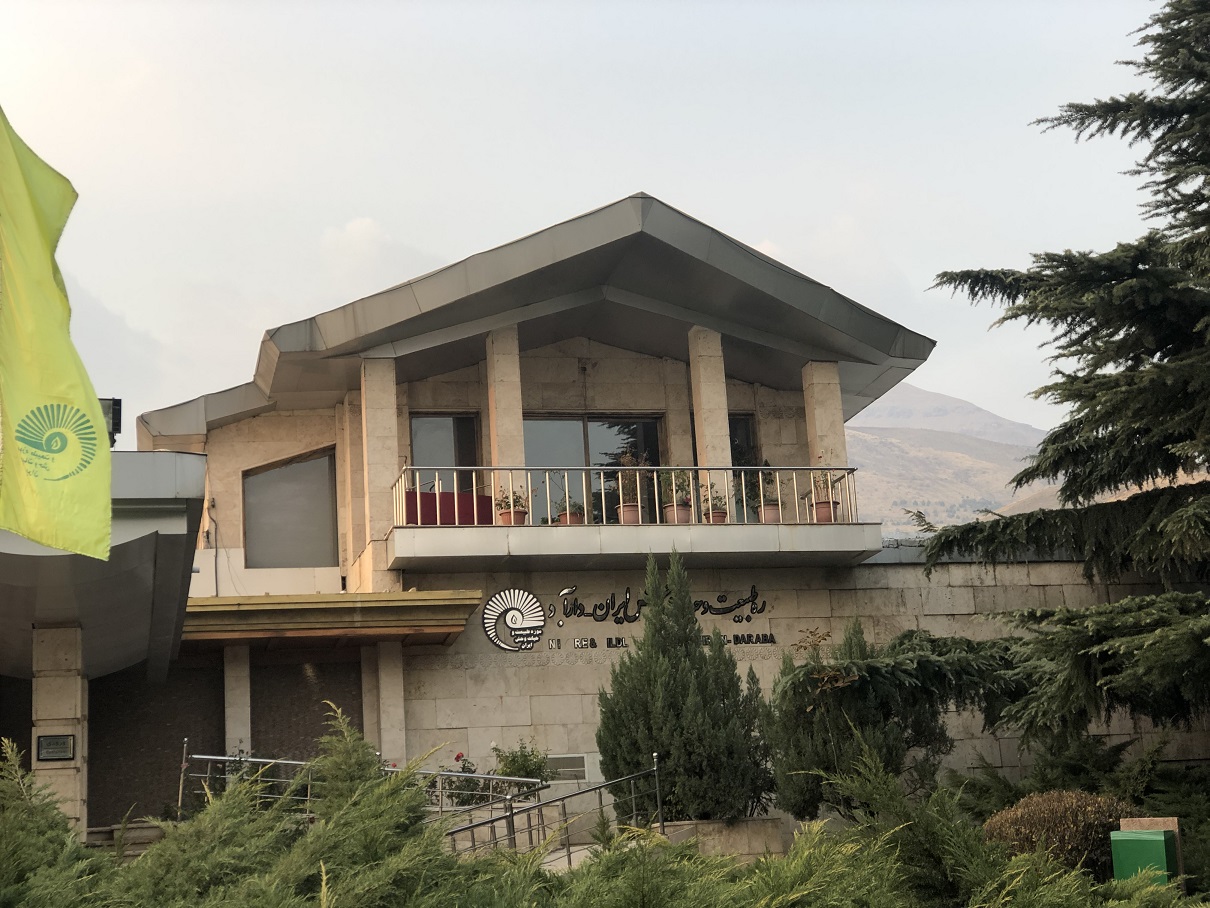
The Natural History Museum of Iran
One of the most visited sites in the Darabad area is the Natural History Museum, sometimes referred to as the Darabad Museum. The museum is run by the Department of Environment and contains exhibits on Iranian wildlife, geology, and ecology. The displays include taxidermied specimens of animals found across Iran, from the Caspian tiger to the Asiatic cheetah, along with geological samples, mineral collections, and dioramas that reconstruct the habitats of different regions.
The museum is particularly useful for families travelling with children. The exhibits are accessible, well labelled, and provide a good introduction to the biodiversity that you will encounter on the hiking trails outside. Plan for roughly one to two hours inside the museum. The building is set within a garden that contains native plantings and offers a quiet place to sit before or after the exhibit halls.
The Hiking Trails
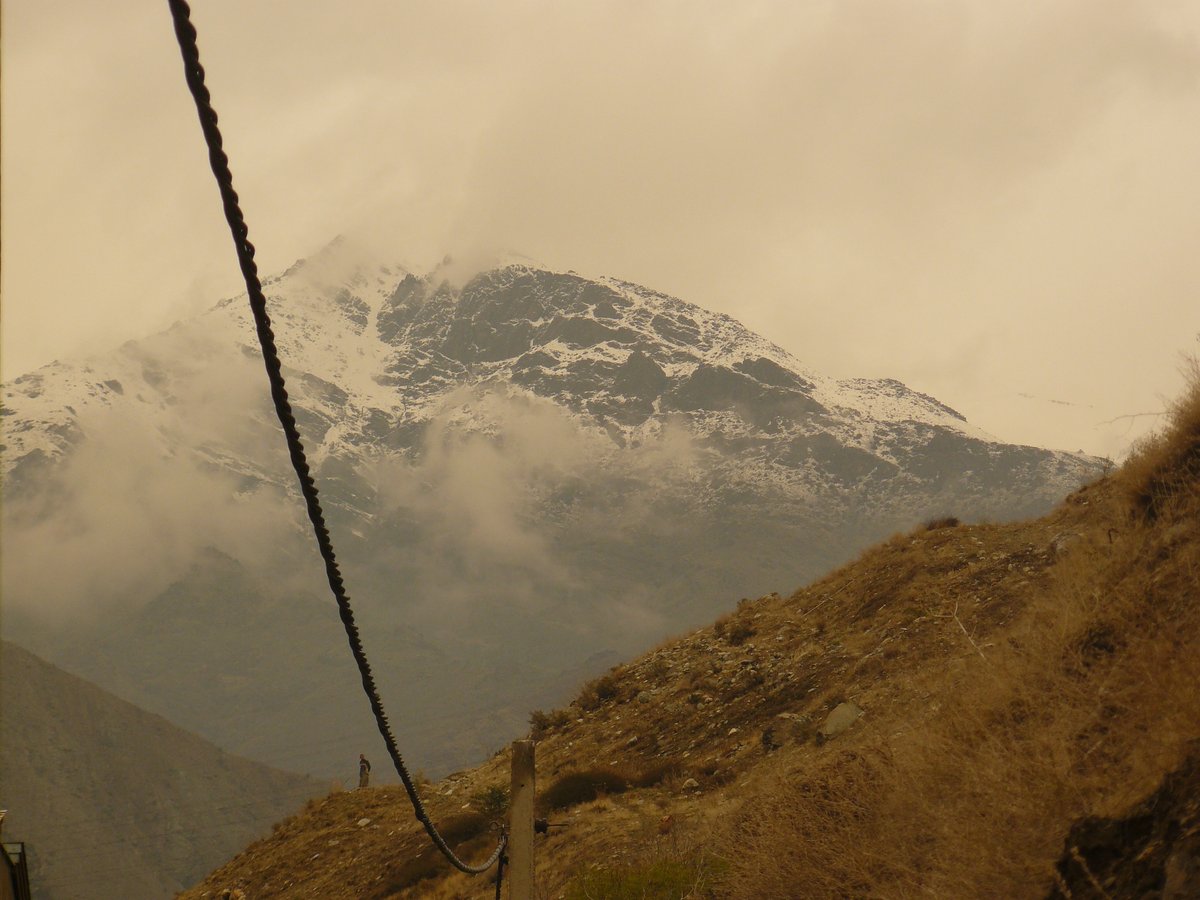
Darabad is a trailhead for several routes that climb into the Alborz foothills. The most popular path follows the Darabad River upstream through a forested valley, passing small waterfalls and pools before reaching a saddle at roughly 2,500 metres. The trail is moderate in difficulty and suitable for people with basic fitness. The lower section is shaded by juniper and pistachio trees, and the upper section opens onto bare rock and alpine grassland with views across the Jajrud valley to the south and the central Alborz peaks to the north.
Other trails branch off toward the Palang Darreh valley and the Tochal range. These routes are longer and more strenuous, and they are best attempted with a local guide or at least a detailed map. The trails are most crowded on Thursday and Friday mornings, when Tehran residents come out to hike, and most peaceful on weekday mornings, when you may have the forest to yourself.
Best time to visit
The best time to visit Darabad depends on what you want to do. For hiking, the ideal window runs from mid-April through early June, when the wildflowers are in bloom, the air is warm but not hot, and the trails are dry. September and October also offer pleasant conditions, with cooler temperatures and autumn colour in the tree canopy. Summer visits are possible but the trails get hot in the lower sections by midday, and the museum is the better option during the peak heat. Winter brings snow to the upper trails and the valley becomes a cross-country skiing destination for those who come prepared.
The wildlife refuge is most active in spring, when the animals are moving after winter and the bird populations are at their highest. Early mornings offer the best chance of sightings. The museum is open year round and makes a good destination on a cold or rainy day.
Hours and tickets
The Natural History Museum of Iran is typically open from Saturday to Thursday, roughly 9:00 AM to 5:00 PM, though hours can shift seasonally and on holidays. A small admission fee applies. The outdoor areas, including the hiking trails and the valley road, are open at all times and free to access. The Darabad Wildlife Refuge core zone may require a permit for entry beyond the marked trails. Contact the Department of Environment office or check locally before planning a deep visit.
As with all sites in Iran, hours and ticket prices change. Confirm before you travel, especially around public holidays when schedules may shift.
Nearby destinations
A Darabad visit combines easily with other destinations in northeast Tehran.
Jajrud Valley
Beyond Darabad, the road continues into the Jajrud valley, a popular weekend destination for Tehran residents. The valley holds several restaurants, riverside picnic spots, and the Latyan Dam reservoir. The drive from Darabad to Jajrud takes about thirty minutes and passes through some of the most scenic mountain roads in the Tehran area.
Fasham and Oshan
Further up the Jajrud road, the villages of Fasham and Oshan offer a cooler climate, traditional architecture, and some of the best kebab restaurants in the Tehran hinterland. Many Tehran families spend their Friday afternoons in these villages, and the mountain restaurants along the Jajrud River are a Tehran tradition.
Tajrish and Saadabad
On the way back from Darabad into central Tehran, stop at Tajrish Square to visit the historic Tajrish Bazaar and the Saadabad Palace Complex. The palace museum and its gardens provide a cultural contrast to the natural landscapes of Darabad, and the bazaar offers a chance to pick up supplies or souvenirs before heading back to the city centre.
Getting to your next destination
When you are ready to leave northeast Tehran and continue your journey, Mehyar Taxi covers rides across the city, and Mehyar Buses connects Tehran to every province. If you are heading to the Caspian coast, the drive from Darabad through the Alborz tunnels to the northern slopes takes roughly three to four hours and passes through some of the most dramatic mountain scenery in Iran.

Read more
- [Tehran hiking trails and mountain escapes](../drafts/tehran-hiking.md)
- [Jajrud valley weekend guide](../drafts/jajrud-valley.md)
- [Tajrish bazaar and Saadabad palace](../drafts/tajrish-bazaar.md)
- [Alborz mountain day trips from Tehran](../drafts/alborz-day-trips.md)