
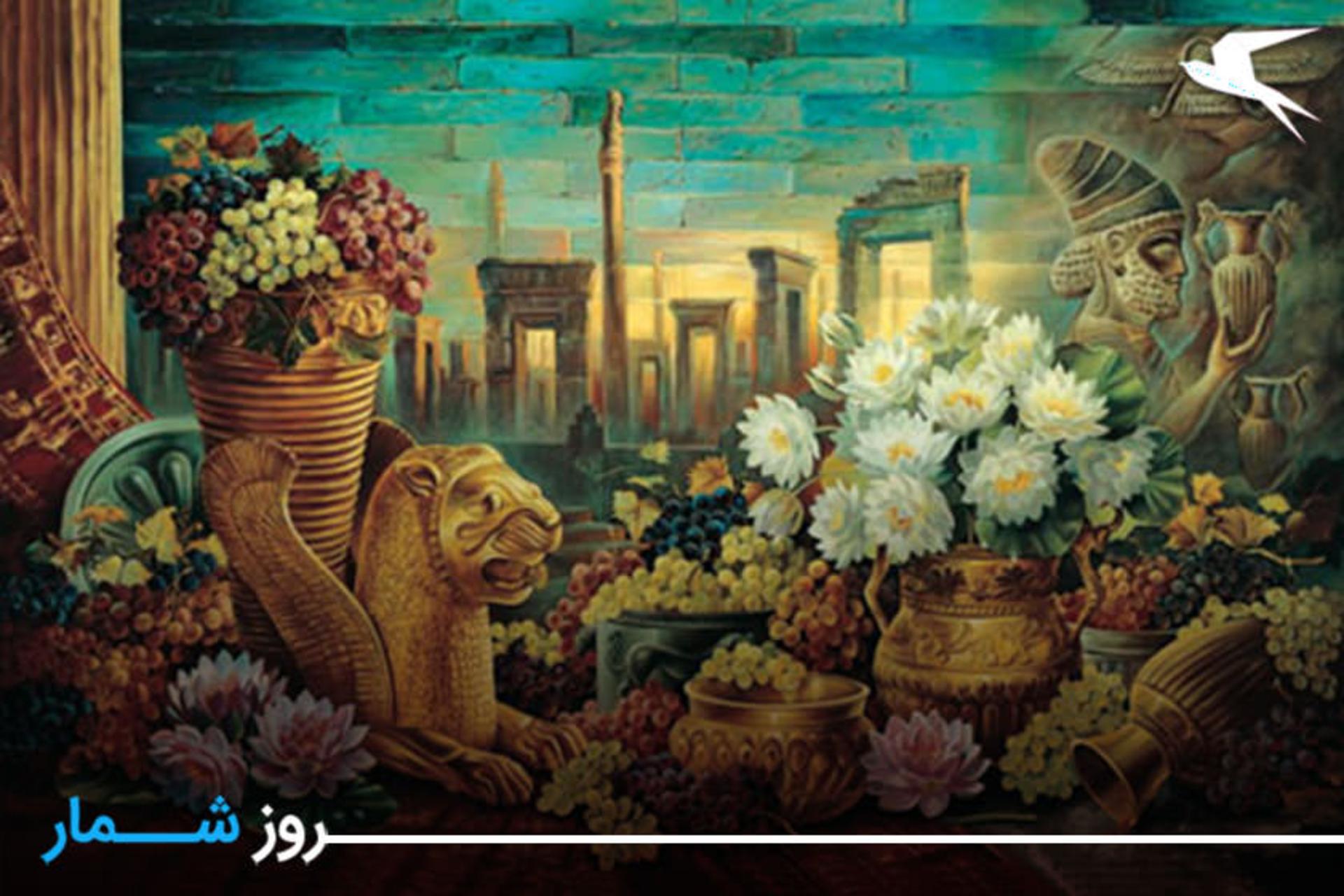
Among the many celebrations that once punctuated the calendar of ancient Iran, the festival of Vakhshenkam occupies a place of particular fascination. Observed on the tenth day of the month of Esfand, the last month of the Persian calendar year, Vakhshenkam was a day of reverence dedicated to the great rivers of the Iranian world, and above all to the Oxus, known in Persian as the Jeyhun. This was no ordinary festival. It was a recognition of the fundamental truth that water, in the form of mighty rivers, is the lifeblood of civilisation, and that the peoples who have lived along these waterways for millennia owe their existence, their culture, and their prosperity to the ceaseless flow of the currents that shaped their landscapes and their destinies.
The Name and Its Meaning
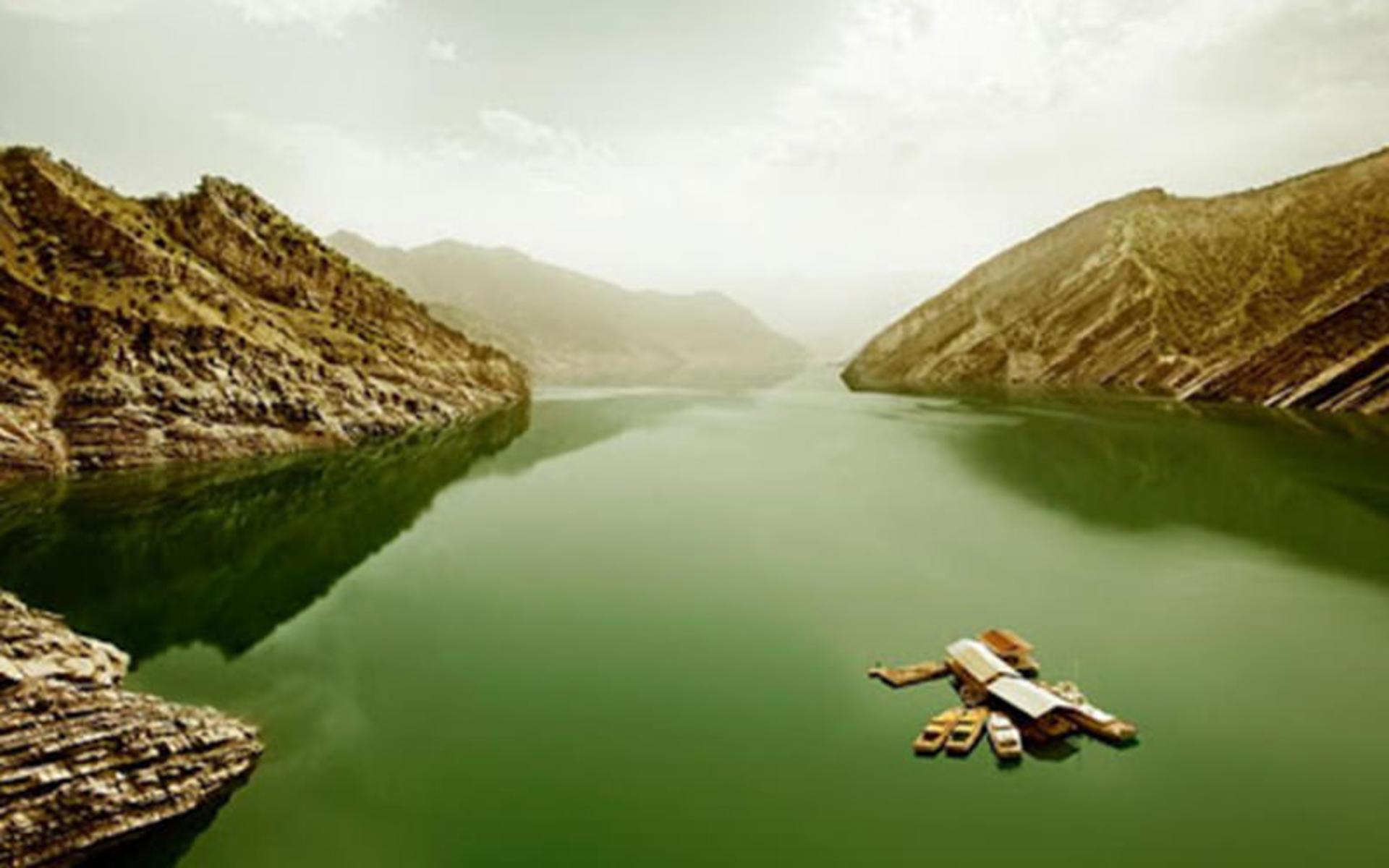
The name Vakhshenkam derives from the Vakhsh, the largest and most important tributary branch of the Oxus River. The Vakhsh River itself, known in European languages as the Oxus, is a waterway of tremendous significance in the history and geography of Central Asia. Flowing for 524 kilometres through Tajikistan, with its headwaters rising in the mountains of Kyrgyzstan, the Vakhsh is one of the great rivers of the region. Its drainage basin covers more than 32,000 square kilometres, and its average discharge reaches approximately 631 cubic metres per second. Cities including Narak, Sarband, and Qurgonteppa have grown along its banks over the centuries, their fortunes tied to the river's seasonal rhythms.
The connection between the name Vakhsh and the European designation Oxus is linguistically fascinating. The Persian and Central Asian name Vakhsh evolved through Greek and Latin transmission into the form Oxus, by which the river became known in Western geographical and historical literature. This linguistic journey mirrors the cultural transmission that has carried the legacy of Iranian river worship far beyond its original geographic boundaries.
Abu Rayhan Biruni and the Angel of the Jeyhun
One of the most important sources for our understanding of the Vakhshenkam festival is the great polymath Abu Rayhan Biruni, the eleventh-century scholar whose encyclopaedic works encompassed astronomy, mathematics, geography, and the comparative study of religions and calendars. Biruni identified the Vakhshenkam festival with the veneration of what he called the "angel of the Jeyhun," the guardian spirit associated with the great river. Scholars have noted that this angel likely corresponds to Anahita, the ancient Iranian water deity who was among the most widely worshipped figures in the pre-Islamic Persian pantheon.
Anahita, whose name means "the immaculate one" in Old Persian, was the goddess of waters, fertility, healing, and wisdom. Her cult was enormously popular throughout the Achaemenid Empire and continued to flourish under the Parthians and Sasanians. Temples dedicated to Anahita were established near major rivers and water sources across the Iranian world, and her association with the life-giving properties of water made her a natural focus for festivals celebrating rivers and their vital role in sustaining human civilisation. The Vakhshenkam festival, with its explicit connection to the Jeyhun and its tributaries, fits squarely within this ancient tradition of water veneration.

The Oxus: River of Empires
The Oxus, or Amudarya as it is also known, is not merely a river but a geographical and historical phenomenon of the first order. Formed by the confluence of several major tributaries, including the Vakhsh and the Panj, the Oxus has served for millennia as a boundary, a trade route, and a source of agricultural wealth. In ancient times, it marked the eastern frontier of the Iranian world, separating the settled civilisations of the Persian plateaux from the nomadic peoples of the Central Asian steppes.
The river's importance is reflected in the countless references to it in Persian literature, geography, and history. It appears in the Shahnameh of Ferdowsi, the great Persian epic, as a boundary marker and a site of heroic encounters. It features in the accounts of Greek historians who described the campaigns of Alexander the Great in Central Asia. It served as a corridor for the Silk Road, carrying goods and ideas between China, India, Persia, and the Mediterranean world. For the peoples who lived along its banks, the Oxus was not simply a resource but a living entity, a presence that demanded respect and gratitude, and the Vakhshenkam festival was their way of expressing that recognition.
The River's Geography and Hydrology
Understanding the Vakhshenkam festival requires some appreciation of the river system it celebrated. The Vakhsh River originates in the eastern reaches of the Alay mountain range, flowing initially under the name Qurso and then Qizil-Su through high mountain terrain. In its middle reaches, it is joined by the Mogh-Su tributary, which rises from the northeastern Pamir region. The confluence of these waters creates the river known as Sorkh-Ab before it eventually takes the name Vakhsh in its lower stretches.
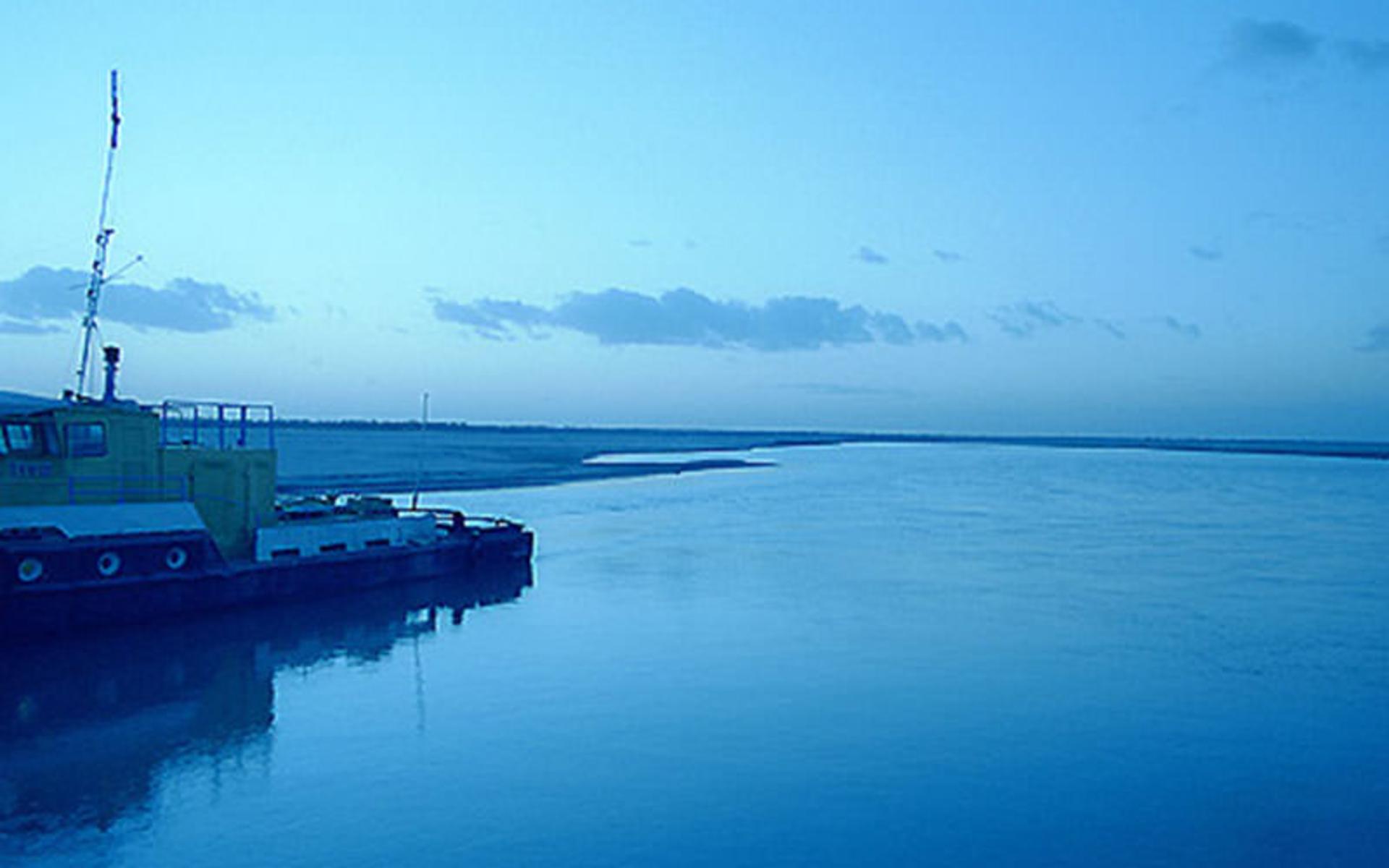
The hydrology of the Vakhsh is characterised by dramatic seasonal variations. During the high-water period in June and July, the river carries approximately 836 cubic metres of water per second, accounting for more than twenty percent of the annual discharge. The low-water period, extending from December through March, sees dramatically reduced flows. These seasonal patterns would have been intimately familiar to the ancient peoples who celebrated Vakhshenkam, and the timing of the festival in Esfand, near the end of the winter low-water period, may have carried particular significance as a moment of anticipation for the spring floods that would renew the agricultural cycle.
The Legacy of Vakhshenkam in Modern Context
Today, the Vakhshenkam festival is no longer celebrated in its original form, joining the ranks of many ancient Iranian festivals that have faded from living memory. The rivers it honoured continue to flow, however, and their importance to the peoples of Central Asia has only grown. The Vakhsh River is critical to irrigation agriculture in Tajikistan, supporting vast cotton fields and other crops. It is also central to the country's hydroelectric power generation, with major dams and power stations harnessing its flow. Together with the Panj River, the Vakhsh accounts for more than 75 percent of Tajikistan's hydroelectric reserves.
The rediscovery of festivals like Vakhshenkam is part of a broader effort to recover and celebrate the rich ceremonial heritage of ancient Iran. These festivals reveal a civilisation that understood the fundamental interconnectedness of human life and the natural world, that recognised the sacred dimension of the rivers and water sources upon which survival depended, and that developed elaborate rituals to express gratitude and ensure the continued flow of these vital resources.

Why Ancient Festivals Matter
The study and remembrance of festivals like Vakhshenkam serve purposes beyond mere antiquarian interest. They provide insight into the values and worldviews of past civilisations, revealing how ancient peoples understood their relationship to the environment and to the forces of nature that shaped their lives. They demonstrate the sophistication of pre-modern ecological thinking, in which the health of rivers and the prosperity of human communities were understood as inseparable. And they offer a reminder that the challenges of water management and environmental stewardship that face the modern world are not new, but have deep roots in human history.
For travellers and scholars interested in the cultural heritage of Iran and Central Asia, the story of Vakhshenkam opens a window onto a world in which rivers were not merely geographical features but sacred entities, in which the changing of seasons was marked by rituals of profound significance, and in which the relationship between humanity and the natural world was characterised by reverence rather than exploitation. The festival may be forgotten, but the rivers still flow, and the lessons they embody remain as relevant as ever.