
There are many ways to see a country, but few compare to the intimacy of experiencing it from the saddle of a bicycle. You smell the dust on the road, taste the mountain air, feel every change in gradient through your legs, and watch the landscape unfold at a pace that allows you to truly absorb the world around you. In Iran's Alborz Mountains, the great chain that runs along the country's northern frontier like a wall between the Caspian Sea and the central plateau, all of these sensations are amplified to an extraordinary degree. This is a landscape of staggering contrasts, where snow-capped peaks tower above wildflower meadows, where remote villages cling to valley walls, and where the hospitality of the people you meet along the way can turn a day's ride into a lifelong memory.

The Alborz Range: A Landscape of Extremes
The Alborz Mountains stretch for roughly 900 kilometres along the southern coast of the Caspian Sea, forming a natural barrier between the humid, lush lowlands of the north and the arid expanses of central Iran. The range includes some of the highest peaks in the Middle East, most notably Mount Damavand, a dormant volcano standing at 5,610 metres that dominates the skyline to the east of Tehran. But the Alborz are not simply about altitude. The range encompasses dense Hyrcanian forests, some of the oldest in the world, alpine meadows that burst with colour in spring, deep gorges carved by ancient rivers, and high passes that have served as trade routes for millennia.
For cyclists, the Alborz offer terrain that ranges from gently rolling foothills perfect for those seeking a more relaxed pace to punishing mountain passes that will test the fittest riders. The roads themselves vary from well-paved highways with smooth tarmac to rough tracks that demand mountain bikes and considerable nerve. What unites all cycling in the region is the sheer scale of the scenery and the almost constant presence of dramatic geological formations that provide a backdrop of extraordinary beauty.
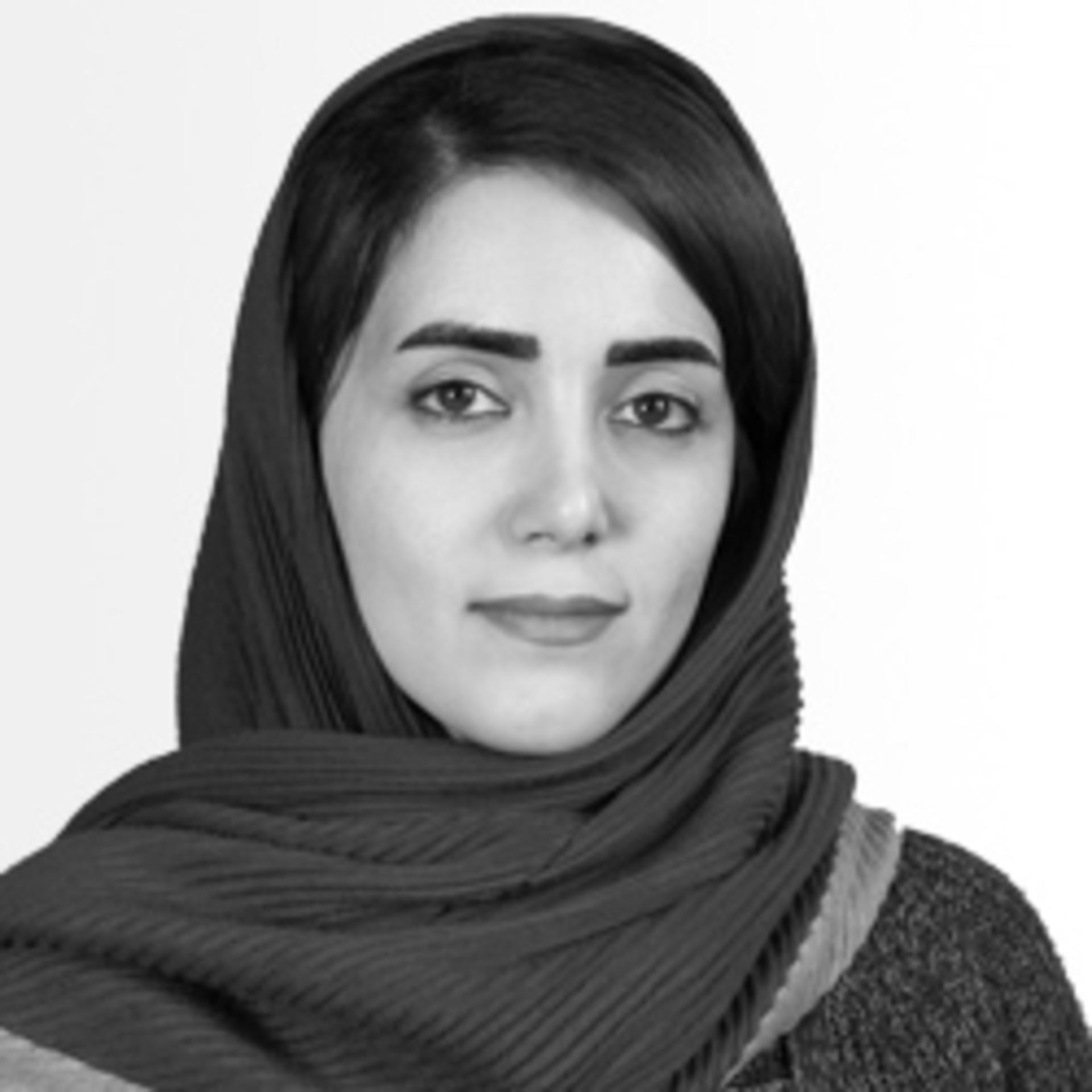
Shannon Galpin and the Vision of Cycling in Iran
One of the most vocal advocates for cycling as a way of experiencing Iran has been Shannon Galpin, a Colorado-based mountain biker and activist who founded the organisation Mountain2Mountain in 2006. Galpin, who became the first woman to ride a bicycle in Afghanistan, has spoken eloquently about the potential for cycling tourism in Iran and the unique qualities that make the country so compelling for two-wheeled exploration.
"The best way to see a country is by bicycle," Galpin has said, reflecting on her experiences across the region. "On a bike, you are so much closer to everything. You smell everything, taste everything, and the dust in the air settles on you. It is a full sensory experience and unlike other sports which tend to isolate you from the population. On a bicycle, you have the ability to be a cultural ambassador."
Galpin's observations about Iran are particularly striking. She has described the country as "breathtakingly beautiful" with "incredible mountains" and "amazing culture." For Galpin, the Alborz represent one of the great untapped cycling destinations in the world, a place where the combination of physical challenge, natural beauty, and cultural richness creates an experience that is difficult to replicate elsewhere.

The Villages and the Hospitality of the People
One of the most remarkable aspects of cycling in the Alborz is the experience of passing through the small villages that dot the mountain slopes and valley floors. Iranian villages, particularly those in mountainous regions, are renowned for the warmth and generosity of their inhabitants. Cyclists who have ridden through these communities report being greeted with enthusiastic welcomes and invariably invited in for hot tea, fresh bread, and whatever food the family can offer.
This hospitality is not performed for tourists or outsiders in expectation of payment. It is a cultural tradition rooted in the ancient Iranian concept of mehman-navazi, the sacred duty of welcoming and caring for guests. For a cyclist arriving tired and thirsty after a long climb, the experience of being welcomed into a village home, offered tea and dates, and treated as an honoured visitor is one of the most moving aspects of travel in Iran. It transforms a physical endeavour into a human connection that transcends language barriers and cultural differences.
The villages themselves are often architectural treasures, with houses built from local stone and wood, narrow winding lanes, and terraced gardens that make the most of every available patch of soil. In spring, the hillsides around these settlements come alive with wildflowers, and the sound of mountain streams provides a constant accompaniment to any ride through the region.

Practical Considerations for Cyclists
Cycling in the Alborz requires careful planning, particularly regarding altitude, weather, and supplies. The riding season generally runs from late May through September, though the highest passes may remain snowbound into July. Riders should be prepared for significant temperature variations between valley floors and mountain summits, and weather conditions can change rapidly, particularly in the afternoon when mountain storms can develop with little warning.
Water and nutrition should be carried in sufficient quantities, as services between villages can be sparse. A basic repair kit, spare tubes, and a reliable pump are essential, as are lights for the longer tunnels that punctuate some mountain roads. Climbing gear is advisable for the steeper passes, while descent-oriented riders will find plenty of exhilarating downhill sections on well-graded roads with dramatic views.
The best approach for most cyclists is to plan a route that connects several villages, allowing for resupply and rest along the way. Several local operators have begun offering guided cycling tours in the Alborz, providing support vehicles, mechanical assistance, and local knowledge that can greatly enhance the experience. Whether riding independently or with a guide, the key is to allow sufficient time to enjoy not just the cycling but the cultural encounters that make this region so special.
A Journey Beyond the Pedals
Cycling in the Alborz Mountains is ultimately about more than the physical challenge or the scenic beauty, though both are ample. It is about the way that travelling slowly through a landscape allows you to connect with it in ways that are impossible from behind the window of a car or the seat of a bus. It is about the conversations struck up with villagers who have never seen a foreign cyclist before, the impromptu picnics beside mountain streams, the sense of achievement that comes with conquering a steep pass, and the profound quiet of a mountain evening when the only sounds are the wind and the distant call of a shepherd to his flock.
Iran's Alborz Mountains remain, for many cyclists, a revelation. This is not the Iran of headlines and political narratives but the Iran of ancient landscapes, of extraordinary natural beauty, and of a people whose generosity and warmth leave an indelible impression on all who visit. For anyone seeking a cycling adventure that combines physical challenge, cultural immersion, and some of the most spectacular mountain scenery on earth, the Alborz deserve to be at the very top of the list.