
Charak Port is one of the most strategically important maritime hubs in southern Iran, serving as the primary connection between the mainland and the famous resort island of Kish. Located in Bandar Lengeh County in Hormozgan Province, this busy port handles thousands of passengers and vehicles every day, making it an essential node in the transportation network of the Persian Gulf. For travelers heading to Kish Island by sea, Charak Port is often the first and last point of contact with the Iranian mainland, and its bustling docks offer a fascinating glimpse into the commercial life of the southern coast.
Where Is Charak Port?
Charak Port sits on the northern shore of the Persian Gulf, within the administrative boundaries of Bandar Lengeh County in Hormozgan Province. The port occupies a natural harbor along the coast, sheltered from the open waters of the gulf by the island-studded seascape that characterizes this stretch of the Iranian shoreline. Bandar Lengeh itself is a historic trading port with deep connections to the maritime cultures of the Arabian Peninsula, East Africa, and the Indian subcontinent, and Charak Port inherits something of this cosmopolitan commercial spirit.
The port is situated approximately 120 kilometers west of Bandar Abbas, the provincial capital, and roughly 25 kilometers from the city of Bandar Lengeh itself. For those traveling from other parts of Iran, the most practical approach is by road from Bandar Abbas (connected to the national highway network) or by air to one of the regional airports, followed by a ground transfer to the port.
The Connection to Kish Island
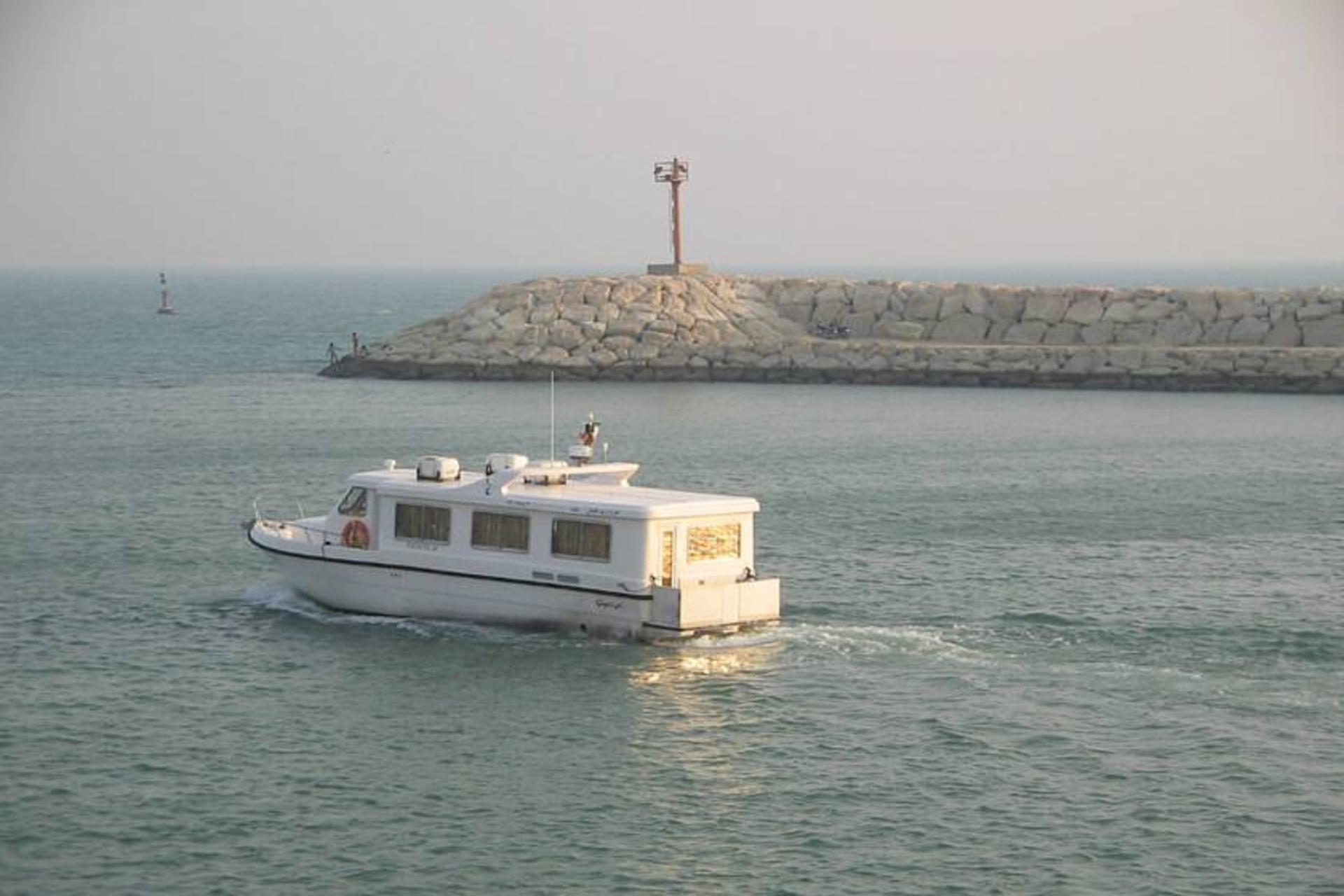
The primary function of Charak Port is to serve as the maritime link between the Iranian mainland and Kish Island, one of the most popular tourist and free-trade destinations in the country. The crossing spans approximately 22 kilometers of open water, a journey that takes roughly 45 minutes to an hour on a passenger ferry and somewhat less on the faster landing craft.
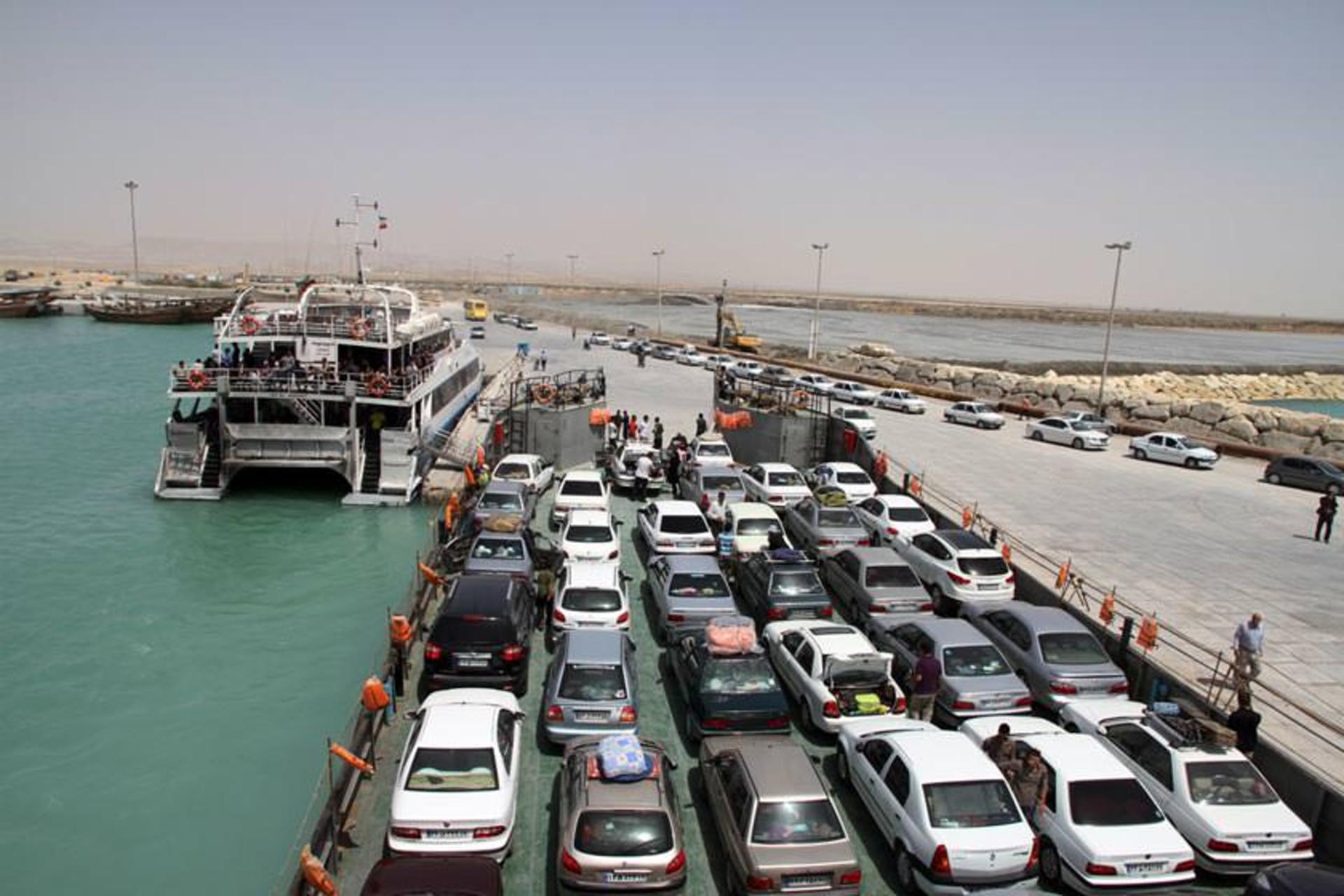
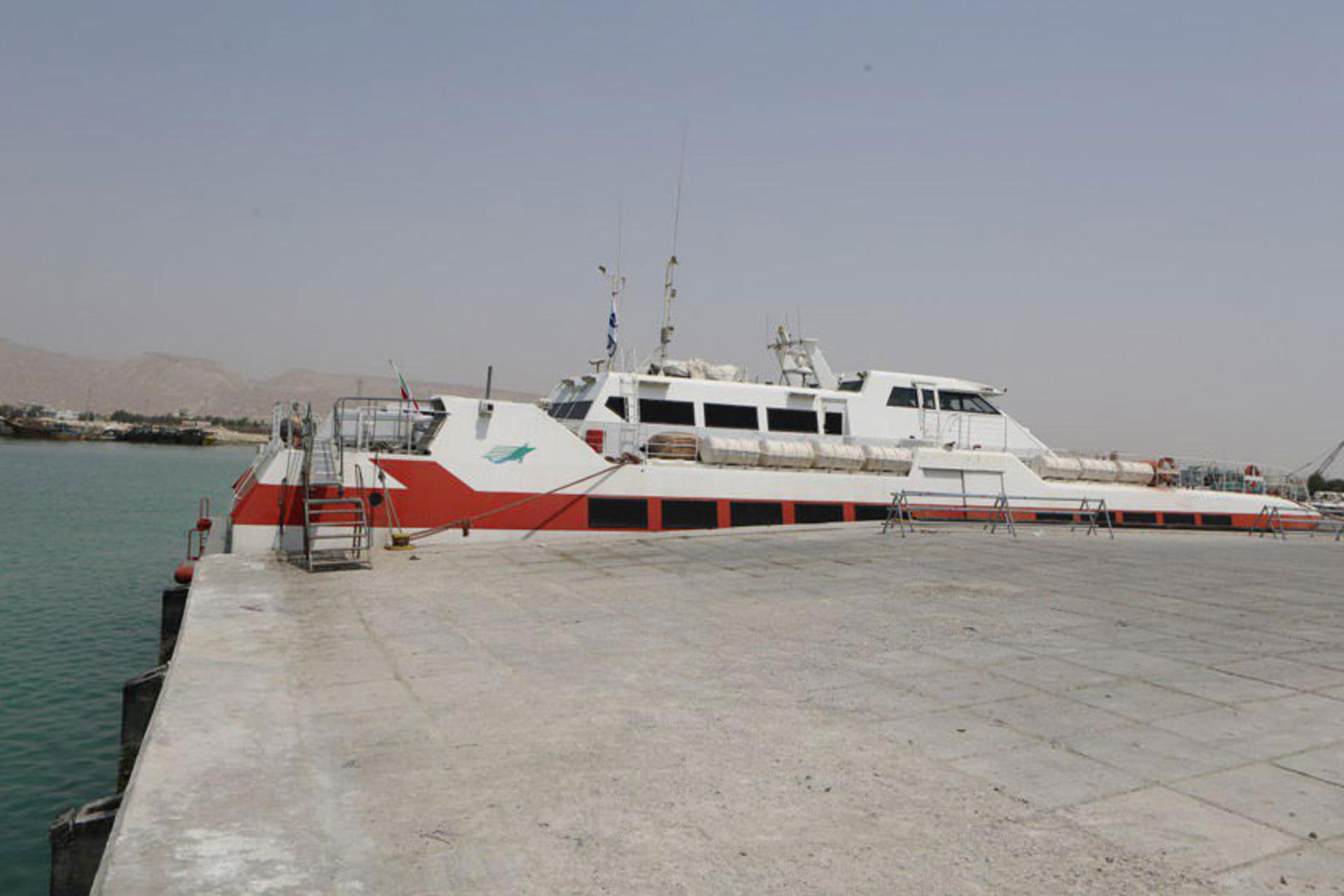
At any given time, the port operates a fleet of passenger ferries and landing craft vessels. Currently, nine passenger ferries and fifteen landing craft are active on the Kish route, ensuring frequent departures throughout the day. The passenger ferries offer comfortable air-conditioned cabins with seating areas, restrooms, and sometimes small snack counters. The landing craft, while designed primarily for vehicle transport, also carry passengers and offer a more utilitarian but no less effective crossing.
The frequency of departures increases during peak travel seasons, particularly around Iranian holidays such as Nowruz, summer vacation periods, and religious holidays. During these times, the port can become quite crowded, and advance planning is advisable. Outside peak periods, the atmosphere is more relaxed, and finding space on the next available vessel is rarely a problem.
Passenger Ferries and Landing Craft
Understanding the difference between the two types of vessels operating at Charak Port can help travelers choose the option that best suits their needs.
Passenger Ferries: These are the larger vessels, designed to carry hundreds of passengers in relative comfort. They feature enclosed seating areas with air conditioning, which is essential given the intense heat and humidity of the region for much of the year. The crossing takes approximately 45 to 60 minutes, depending on sea conditions. Passenger ferries are the most economical option and are well-suited for travelers without vehicles.
Landing Craft: These flat-decked vessels are designed to transport vehicles, including cars, trucks, and buses, between the mainland and Kish Island. There are currently fifteen landing craft operating on this route. While their primary purpose is vehicle transport, they also accommodate foot passengers. The crossing is somewhat faster than on the passenger ferries, but the experience is more industrial, with open decks and less in the way of passenger amenities. If you are bringing a vehicle to Kish, the landing craft is your only option.
Traveling with Vehicles
One of Charak Port's key advantages is its ability to handle vehicle transport to Kish Island. Travelers who wish to explore Kish at their own pace or who plan to venture onto neighboring islands can load their cars or motorcycles onto a landing craft at Charak Port. The process involves driving onto the vessel at the loading dock, securing the vehicle, and then proceeding to the passenger areas for the duration of the crossing. Upon arrival at Kish, vehicles disembark at the island's port facilities.
It is important to note that bringing vehicles to Kish involves certain administrative requirements, including permits related to the island's free-trade zone status. Checking current regulations before traveling is essential, as these requirements can change.
The Surrounding Area and Local Culture
Charak Port exists within a region rich in maritime culture and history. The coastal communities of Hormozgan have long depended on the sea for their livelihoods, whether through fishing, pearling, boat building, or long-distance trade. The distinctive architecture, cuisine, and social customs of this region reflect centuries of interaction with diverse cultures across the Indian Ocean.
Local cuisine along this stretch of coast is heavily influenced by the sea. Fresh fish, shrimp, and lobster feature prominently in the diet, prepared with a distinctive blend of spices that reflects the region's historical connections to the spice trade. Visitors to Charak Port and the surrounding towns should look for opportunities to try local seafood dishes, particularly the spicy fish curry known as ghelieh mahi and the shrimp preparation called meygoo polo.
The traditional dress of the region is also distinctive. Many local women wear colorful embroidered dresses and elaborate gold jewelry, while men may be seen in the traditional long white dishdasha and the characteristic headscarf of the southern coast. The musical traditions of Hormozgan, with their African-influenced rhythms and hypnotic melodies, are among the most unique in Iran.
Practical Information for Travelers
Getting to Charak Port: The most common approach is from Bandar Abbas, which has an international airport and is connected to Tehran and other major cities by road. The drive from Bandar Abbas to Charak Port takes approximately two hours. Intercity buses and shared taxis operate between Bandar Abbas and Bandar Lengeh, from which local transport can reach the port.
Ferry Schedules: Departures are frequent throughout the day, with intervals of approximately 30 minutes to one hour during normal operating periods. Schedules may vary seasonally and are subject to change based on weather conditions and demand. Arriving at the port early in the morning is the best strategy for securing a place on the first available crossing.
Tickets: Tickets can be purchased at the port terminal on the day of travel. Prices are modest and differ for passenger ferries and landing craft. Vehicle tickets are priced separately based on the type and size of the vehicle.
Climate and Comfort: The climate at Charak Port is hot and humid for most of the year. Summer temperatures regularly exceed 40 degrees Celsius with high humidity, making the air-conditioned cabins of the passenger ferries a welcome refuge. The most pleasant time to travel is between November and March, when temperatures are mild and the sea is generally calm.
Facilities at the Port: The port terminal offers basic amenities including restrooms, a small waiting area, and snack vendors. For more substantial food options, travelers are advised to eat in Bandar Lengeh or Bandar Abbas before arriving at the port.
Tips for a Smooth Journey
Plan your travel around the ferry schedule, especially during holidays when demand is high. Bring identification documents, as they may be required for ticket purchase and boarding. If you are traveling with a vehicle, arrive at the port well in advance of your intended departure to allow time for the loading process. Carry sufficient water and sun protection, as waiting areas at the port offer limited shade. Finally, be prepared for the possibility of rough seas during windy conditions; those prone to seasickness may wish to take preventive medication before boarding.
Charak Port may not be a tourist destination in itself, but it plays a vital role in the tourism ecosystem of the Persian Gulf. As the gateway between mainland Iran and the island of Kish, it is a place of arrivals and departures, of anticipation and farewell. For those passing through, a moment spent watching the landing craft load and the ferries glide out across the warm waters of the gulf is a reminder of the ancient maritime traditions that have connected these shores for millennia.