
Chabahar sits at the southeastern corner of Iran, where the Zagros Mountains meet the Arabian Sea and the air smells of salt and cardamom. It is Iran's only oceanic port, a city whose name means "Four Springs" and whose climate lives up to that promise, offering mild temperatures year-round while the rest of the country endures summer heat or winter cold. The Gulf of Oman laps at Chabahar's shores, and from its breakwaters you can see the shipping lanes that connect the Indian Ocean to the Persian Gulf. But Chabahar is far more than a commercial harbour. It is a gateway to some of Iran's most surreal landscapes, from Martian mountains that look like another planet to pink lagoons, from mud volcanoes that bubble with ancient gases to beaches where sea turtles nest under starlight. For travellers who want to see the Iran that few outsiders know, Chabahar is where the journey begins.
Where is Chabahar?
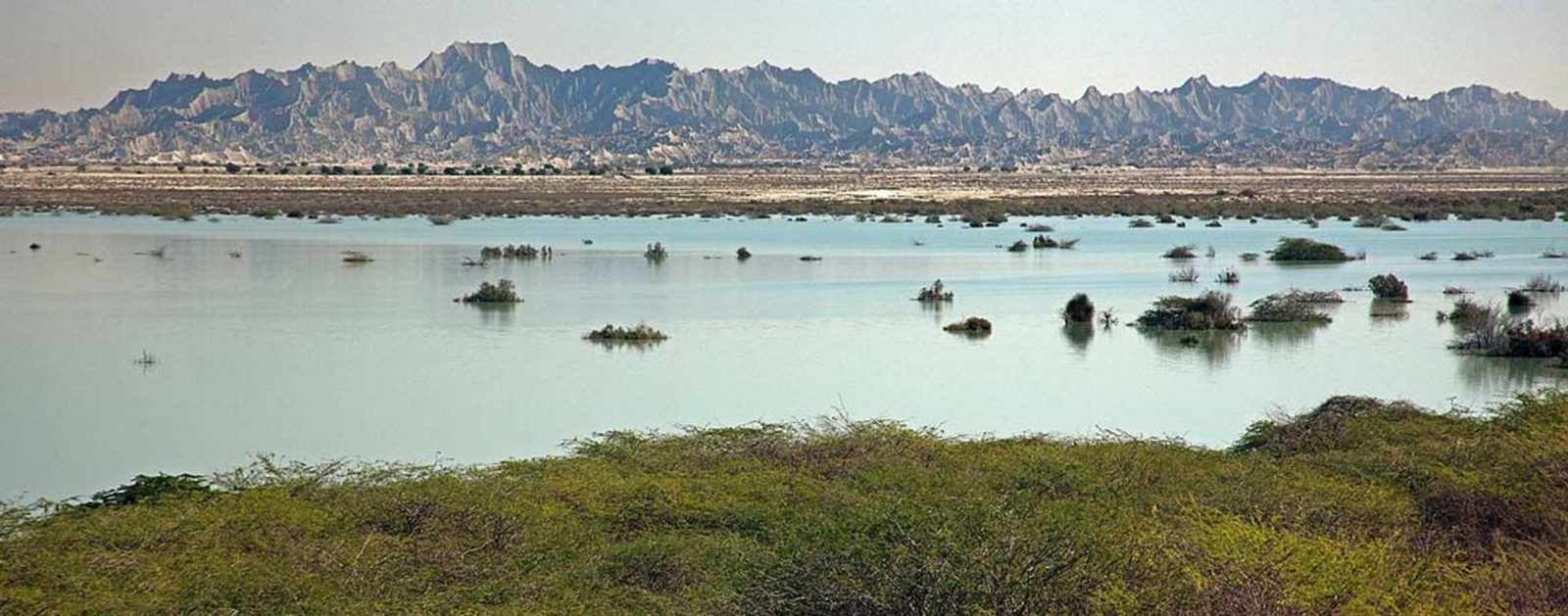
Chabahar is the southernmost city in Sistan-Baluchestan province, positioned on the Gulf of Oman at approximately 25.3 degrees north latitude. It borders Pakistan to the east, Hormozgan province to the west, and the Nik Shahr county to the north. The city is roughly 1,800 kilometres from Tehran by road, a distance that explains why it feels so different from the rest of Iran. The nearest major city is Zahedan, the provincial capital, about 370 kilometres to the north.
Chabahar's strategic position on the Indian Ocean has made it important for centuries. Arab, Indian, and East African traders anchored in its harbour long before the modern port was built. Today, the port handles commercial shipping from Central Asia, South Asia, and beyond, and the Chabahar Free Zone draws businesses from across the region. The city's code for domestic purposes is 054.
The Climate That Named a City
Chabahar's name, which literally translates to "Four Springs," reflects the remarkable evenness of its climate. Unlike most of Iran, where summers are scorching and winters bitter, Chabahar stays mild throughout the year. Winter temperatures average around 19 degrees Celsius, and summer highs rarely exceed 35 degrees, cooled by oceanic breezes from the Arabian Sea. This is the coolest port on Iran's southern coast in summer and the warmest in winter.
The monsoon season, from mid-June to mid-September, brings a shift in wind patterns and occasional rainfall. During the monsoon, the wind reverses direction, blowing from the sea toward the land. This creates dramatic wave action along the rocky coast, producing the natural water-spouts and wave-splashes that are among Chabahar's most photographed phenomena. The annual Monsoon Festival, held in late summer, celebrates this seasonal transformation with local music, dance, handicrafts, and food.
The Martian Mountains
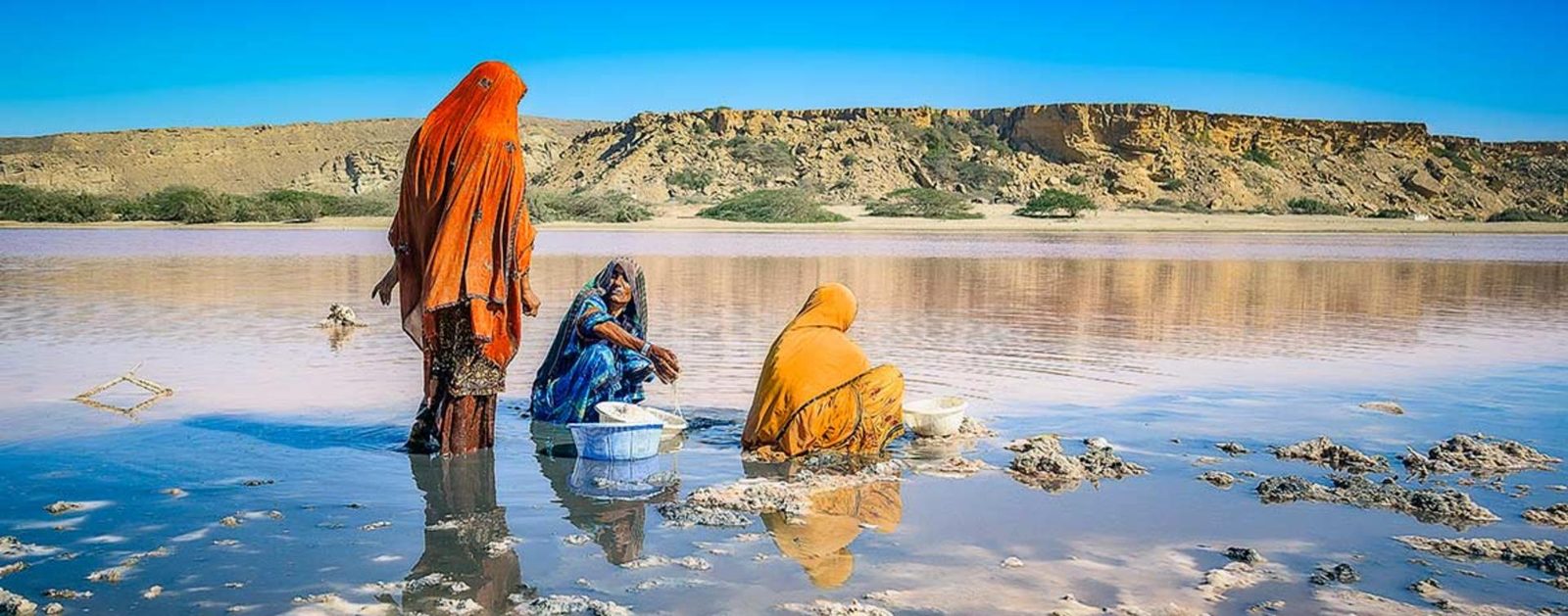
Perhaps the most iconic sight near Chabahar, the Martian Mountains stretch along the Makran coast between the town of Gachou and Bandar-e Gawater, roughly 40 to 50 kilometres east of the city. These hills, rising five to 100 metres above the coastal plain, look as though they were transported from the surface of another planet. Their layered slopes, carved by millions of years of erosion, display striations of grey, ochre, rust, and cream that shift colour with the light.
The mountains were once submerged under the Sea of Tethys, and their regular grooves are the result of limestone sediment deposited by the bodies of ancient marine organisms, compressed and then exposed by tectonic uplift and erosion. No vegetation grows on their barren slopes, though a few hardy raptors circle above. Walking among the Martian Mountains, the silence is almost absolute. The nearest sound is the wind over stone.
Pink Lagoons and Mud Volcanoes
Four kilometres past the fishing village of Ramin, east of Chabahar, lies Lipar Lagoon, one of the most unusual bodies of water in Iran. The lagoon's surface often takes on a vivid pink or reddish hue, caused by dense concentrations of plankton and microscopic organisms. The surrounding wetland supports a unique ecosystem of aquatic plants and birds found nowhere else on the Iranian coast.
Further east along the Makran coast, roughly 95 kilometres from the city of Konarak, the mud volcanoes of Chabahar offer one of the country's most entertaining geological spectacles. Several mud cones dot the landscape, though only one is currently active. Every few minutes, the active volcano burps a column of cool grey mud that flows down the cone's flanks. The mud is cold to the touch, despite the volcanic name, and locals attribute various medicinal properties to it. The site is free to visit and makes a memorable stop on the coastal drive.
Makran Beaches and the Luminous Shore
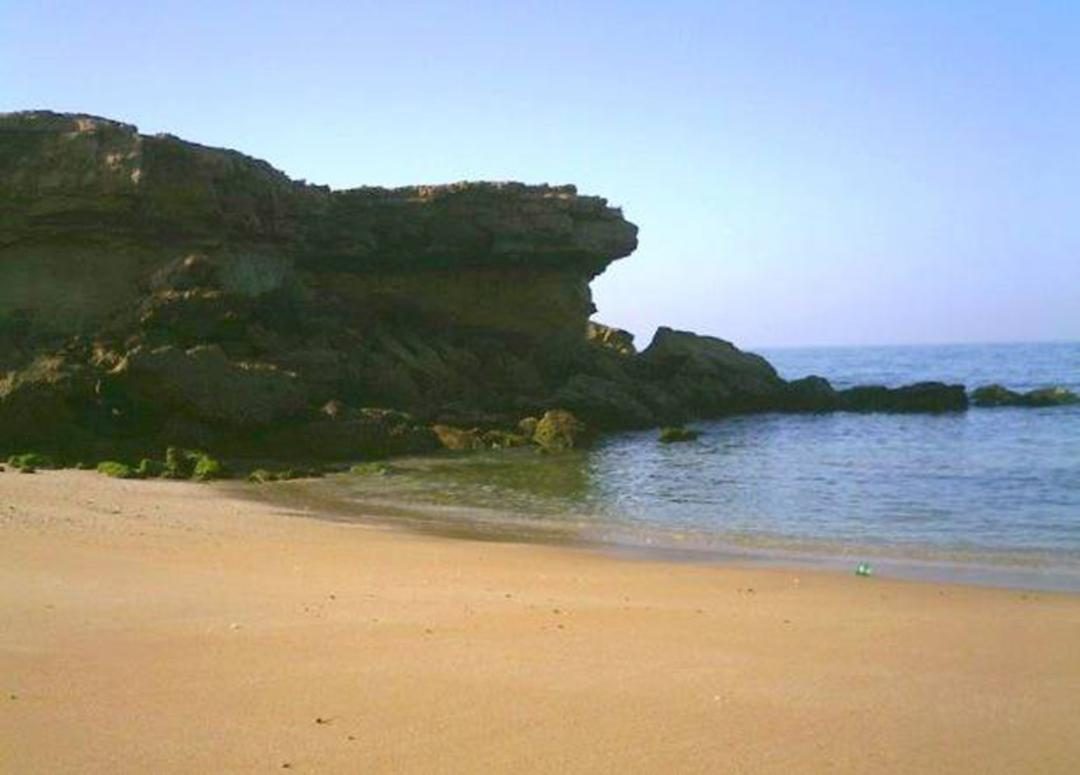
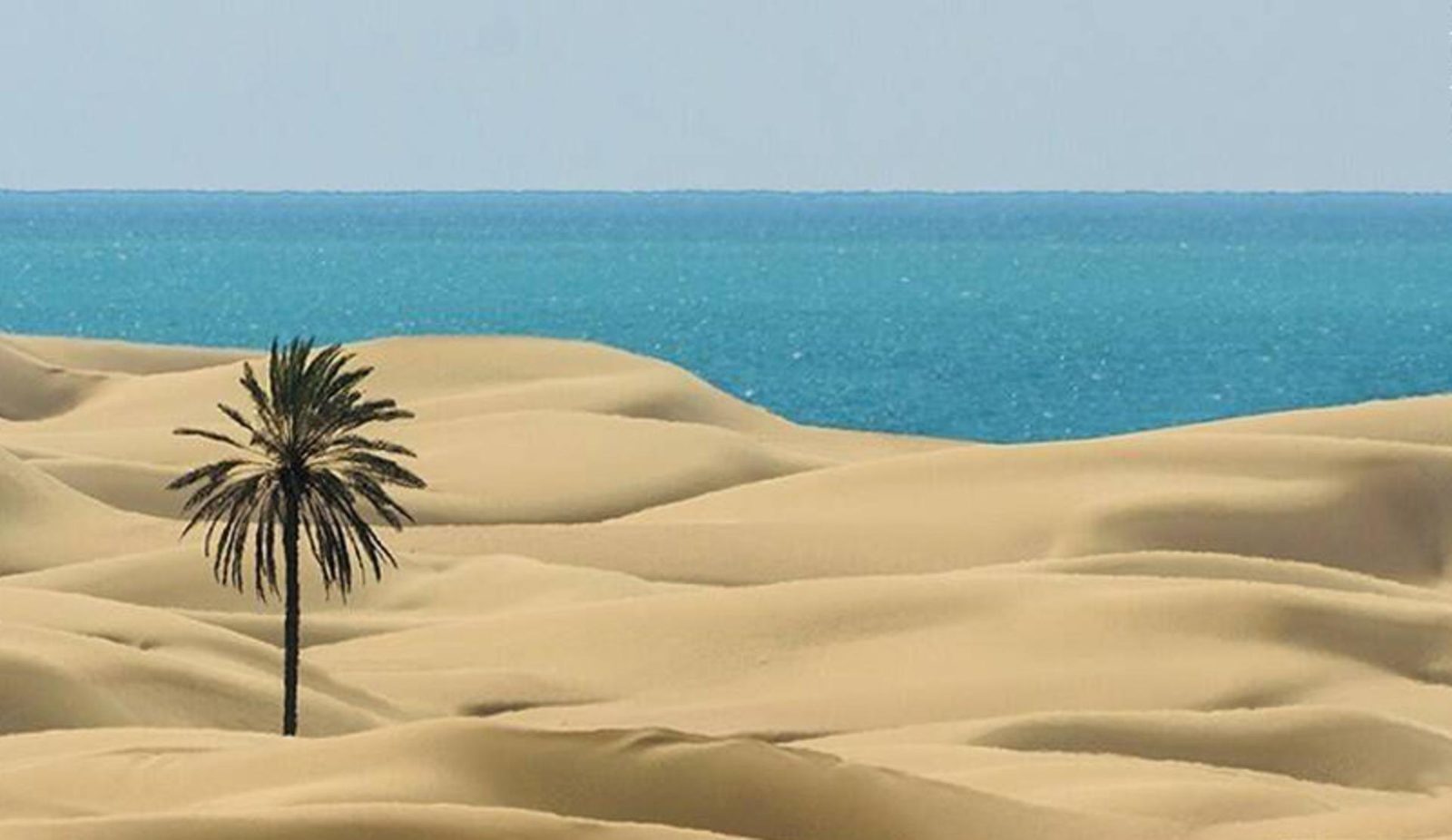
The Makran coast, stretching along the Gulf of Oman from Chabahar eastward to the Pakistani border, contains some of the most pristine beaches in the Middle East. The village of Darak, west of Chabahar, is where the desert literally meets the sea, with sand dunes tumbling directly into the ocean. This is among the cleanest coastlines in southern Iran, with no development and no pollution.
East of Chabahar, the coast near the village of Tang is famous for its luminous shoreline. On dark nights, particularly in autumn and winter, bioluminescent phytoplankton wash ashore and illuminate the beach with an ethereal blue glow. The effect lasts only briefly, as the organisms die quickly once separated from the sea, but those who witness it describe it as one of the most unforgettable natural sights they have ever seen.
The Gandu Crocodile Sanctuary, about 100 kilometres northeast of Chabahar, protects a population of mugger crocodiles, the only crocodiles native to Iran. The site also shelters green sea turtles and bird species more commonly associated with the Indian subcontinent.
Souvenirs and Handicrafts
Chabahar's crafts reflect its position at the crossroads of Persian, Indian, and Arab cultures. The most famous local craft is suzandoozi, or Baluchi needlework, an ancient embroidery tradition using warm, vibrant colours and geometric designs on fabric. Baluchi women also produce coin embroidery, incorporating buttons, mirrors, and sequins into decorative bedspreads and hangings. Zari bafi, embroidery with golden thread, adorns Quran covers and cushion covers. Shell painting, mat weaving from palm fibre, and the cutting of local gemstones round out the range of handmade souvenirs available in the city's bazaars and free zone shops.
Getting to Chabahar
By air. Chabahar has an airport with regular flights from Tehran and other Iranian cities. Flight time from Tehran is approximately two and a half hours. This is the fastest way to reach the city, though flights can be expensive during peak season.
By car. The road from Tehran to Chabahar covers roughly 1,800 kilometres and takes about 21 hours of continuous driving. Most travellers break the journey with stops at Kerman, Bam, or Iranshahr. The road passes through some of Iran's most dramatic desert scenery.
By Mehyar Taxi. Open Mehyar, choose Taxi, and arrange a ride from Zahedan, Kerman, or other regional hubs. For the full overland journey, a private car gives you flexibility to stop at Bam, the Lut Desert viewpoints, and Iranshahr along the way.
By Mehyar Buses. Regular bus services connect Tehran, Kerman, and Zahedan to Chabahar. Check the app for schedules and book your seat in advance. The journey from Tehran takes roughly 24 hours.
By bus from Zahedan. From Zahedan, buses and shared taxis run regularly to Chabahar. The journey takes about five to six hours on a paved highway.
When to Visit
Chabahar is a year-round destination, but the best time to visit is from November to early March, when temperatures are mild and the weather is most comfortable for outdoor exploration. The monsoon season from mid-June to mid-September offers a different experience, with dramatic wave action, cooler temperatures, and the annual Monsoon Festival. Summer, from June to August, is warm but moderated by oceanic breezes, making it more bearable than most Iranian destinations.
Practical details
Province: Sistan-Baluchestan
On the map: OpenStreetMap / Google Maps
Hours, tickets, and road conditions change. Confirm before you travel.
Start your Chabahar trip with Mehyar
Whether you are exploring the Martian Mountains, swimming in the Gulf of Oman, or shopping in the free zone, Mehyar helps you move through southeastern Iran with confidence. Use Mehyar Taxi for rides within Chabahar and to coastal attractions. Book intercity travel with Mehyar Buses. A Mehyar SIM keeps you connected along the Makran coast, where coverage can be patchy.
Plan your Chabahar adventure at mehyar.app.