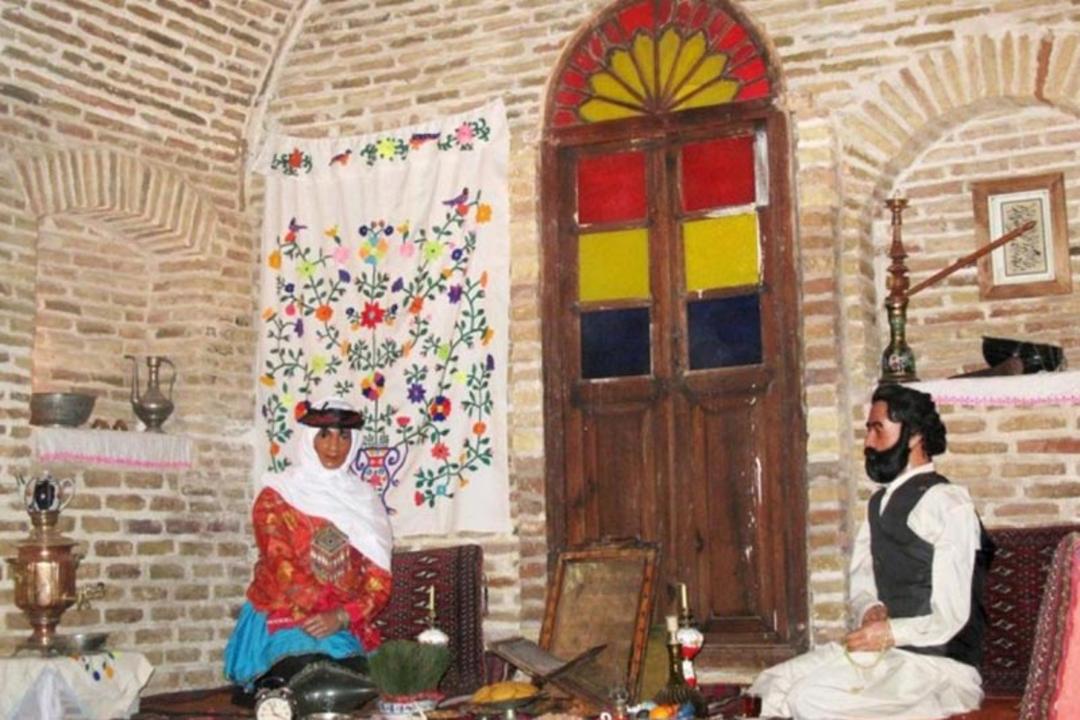
The birthday of Imam Ali ibn Abi Talib and Father's Day form one of the most cherished dual celebrations in Iran. Every year, millions of Iranians mark this occasion with religious gatherings, family feasts, and heartfelt tributes to fathers and grandfathers. The festival blends deep Shia spiritual devotion with a warm cultural appreciation for fatherhood, creating an atmosphere unlike any other public holiday on the Iranian calendar.
Where Does This Celebration Take Place?
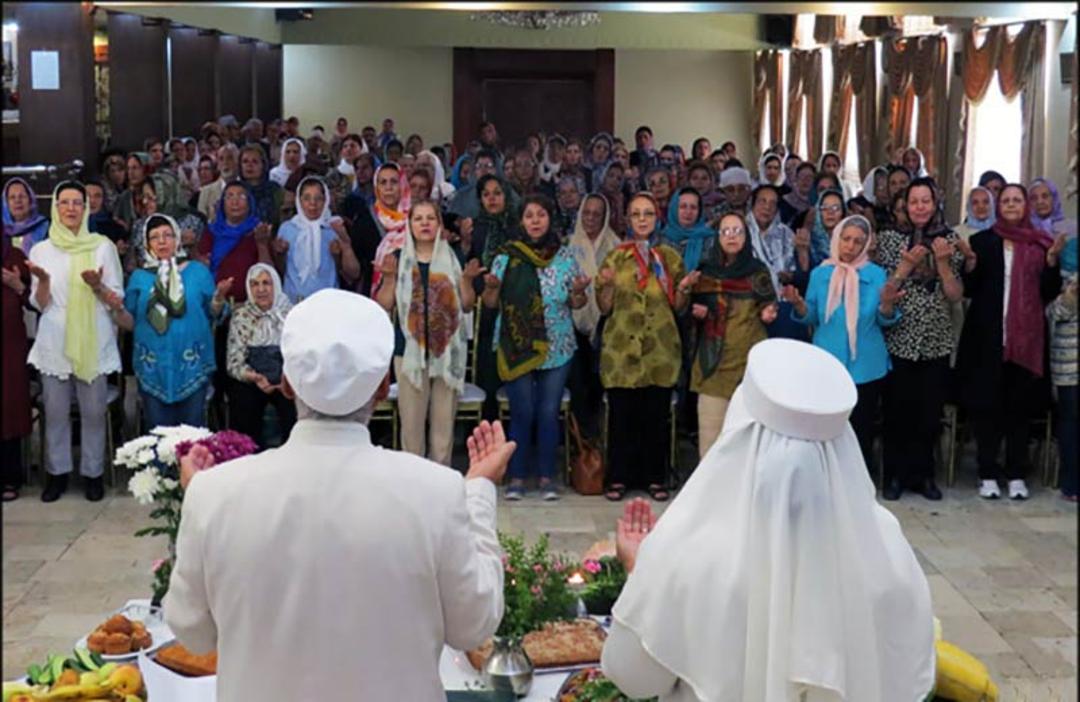
The birthday of Imam Ali is observed throughout Iran, with particularly vibrant celebrations in cities sacred to the Shia faith. Mashhad, Qom, Isfahan, and Tehran host the largest gatherings, though every town and village participates in its own way. The holiest observances center around mosques, husayniyyat, and imamzadeh shrines scattered across the country. In Mashhad, the area surrounding the Holy Shrine of Imam Reza becomes the focal point of joy and devotion, with processions, recitations, and communal meals filling the streets.
Imam Ali holds a supreme position in Shia Islam. He was born inside the Kaaba in Mecca, the only person in history to whom this distinction is attributed. As the cousin and son-in-law of Prophet Muhammad, and the first Imam according to Shia belief, his birthday on the thirteenth of Rajab in the Islamic lunar calendar carries enormous religious weight. The date shifts each year in the Gregorian calendar because the Islamic calendar is lunar, typically falling in late winter or early spring.
Father's Day in Iran was deliberately aligned with this blessed date by the late Imam Khomeini, who chose the birthday of Imam Ali as a symbolic occasion to honor fathers across the nation. The choice reflects the Shia reverence for Imam Ali as the epitome of justice, bravery, and compassionate fatherhood. Since then, the dual celebration has become deeply rooted in Iranian social life.
How Is the Day Observed?
Religious observance begins with dawn prayers and recitations of the Quran in mosques and holy shrines. Scholars deliver sermons recounting the virtues of Imam Ali, his generosity, his courage in battle, and his unwavering commitment to justice. The Nahj al-Balagha, a celebrated collection of Imam Ali's sermons, letters, and sayings, is read aloud in many households and community centers. These words, composed over fourteen centuries ago, continue to resonate with Iranians who see in them timeless guidance on ethics, governance, and personal conduct.
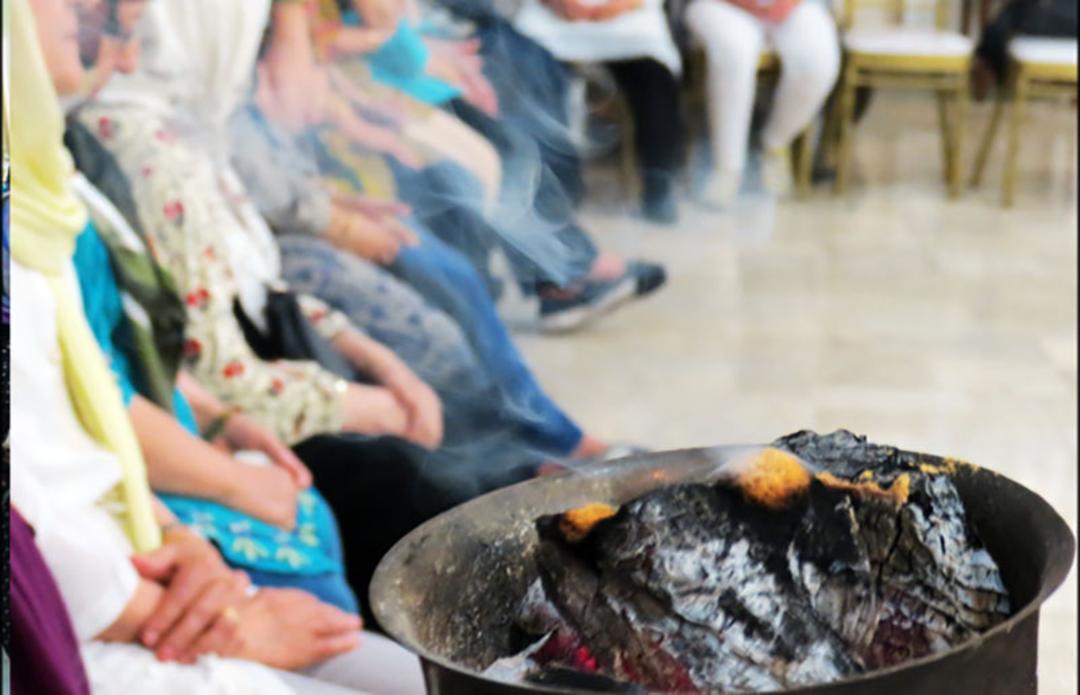
The spiritual dimension extends beyond the mosque. Families visit imamzadeh shrines, light candles, and distribute sweets and food to neighbors and the less fortunate. Charity is a central theme of the day, reflecting Imam Ali's legendary generosity. In many neighborhoods, communal meals are prepared and served to anyone who arrives, regardless of background or status. This tradition of open-table hospitality embodies the Shia principle that the table of the faithful should always have room for another guest.

The familial side of the celebration is equally vivid. Children present gifts to their fathers and grandfathers. Families gather for elaborate meals featuring traditional Persian dishes such as fesenjan, ghormeh sabzi, and saffron-infused rice. Restaurants across the country offer special menus and promotions for the occasion. It is common to see flower shops bustling with customers buying bouquets for their dads, and social media fills with tributes and heartfelt messages. The atmosphere is warm, affectionate, and distinctly Iranian in its blending of the sacred and the domestic.
The Significance of Imam Ali in Shia Islam
Imam Ali ibn Abi Talib was born in 599 CE in Mecca. He was the first male to accept the message of Islam, embracing the faith at just ten years of age. His life was defined by devotion to the Prophet, extraordinary bravery in defense of the Muslim community, and a commitment to justice that became legendary even among his adversaries. He served as the fourth caliph in the Sunni tradition and the first Imam in the Shia tradition, a distinction that shapes the theological foundations of Twelver Shiism.
For Shia Muslims, Imam Ali represents the ideal combination of spiritual authority and moral leadership. His sermons on justice, his letters to governors on ethical governance, and his sayings on humility and compassion are studied and quoted to this day. The shrine of Imam Ali in Najaf, Iraq, is one of the holiest sites in Shia Islam, and many Iranian pilgrims undertake the journey to visit it, especially around his birthday.
The alignment of Father's Day with this birthday carries symbolic depth. Imam Ali is viewed as the father of the Shia faithful, a paternal figure whose justice and kindness set the standard for all fathers to aspire to. Iranian culture, which places enormous emphasis on respect for parents and elders, found in this alignment a natural and powerful expression of its values.
Regional Variations in Celebration
While the core observance is national, each region of Iran adds its own flavor to the celebrations. In the Azeri-speaking cities of Tabriz and Ardabil, the day features traditional mugham music performances that recount the heroic deeds of Imam Ali. In the Kurdish regions of Kermanshah and Sanandaj, community gatherings blend Shia devotional poetry with Kurdish musical traditions, creating a unique cultural synthesis.
In the southern province of Khuzestan, Arab-Iranian communities observe the day with special processions through the streets, accompanied by traditional drums and chanting. The cities of Ahvaz and Abadan come alive with colorful decorations and communal feasts that bring together people of all backgrounds. In the Caspian provinces of Gilan and Mazandaran, the celebration merges with local harvest traditions, as families share seasonal foods and give thanks for the bounty of the land.
Traditional Foods and Customs
Food plays a central role in the celebrations. Special dishes are prepared in homes and communal kitchens. Ash-e reshteh, a hearty noodle soup, is commonly served, symbolizing the intertwining of fate and blessing. Halva, sholeh zard, and other sweet desserts are distributed as nazri, or votive offerings, in fulfillment of wishes and as acts of devotion. In Isfahan, the famous beryooni, a slow-cooked meat dish, is prepared in large quantities for communal meals.
The tradition of distributing nazri extends to workplaces, schools, and mosques. Individuals who have made vows or wishes in the name of Imam Ali prepare food and share it freely. This practice not only feeds the hungry but also reinforces social bonds, as neighbors and strangers alike share in the blessing. Children especially enjoy the festive atmosphere, receiving small gifts and sweets from elders.
Practical Tips for Visitors
If you are traveling in Iran during this period, expect a public holiday with banks, government offices, and many businesses closed. It is an excellent opportunity to witness authentic Iranian culture at its most heartfelt. Cities like Mashhad and Qom offer the most immersive religious experiences, while Isfahan and Shiraz provide a beautiful blend of religious observance and family celebration in stunning historical settings.

Visitors should dress modestly when attending public gatherings or visiting shrines. Women should wear a headscarf in religious spaces. Non-Muslim visitors are generally welcome to observe ceremonies from a respectful distance, and many Iranians will happily explain the significance of the rituals to curious travelers. If you are offered food or sweets, accepting is considered polite and appreciated.
Transportation can be busier than usual around this holiday, as many Iranians travel to be with their families. Booking hotels and transport through [Mehyar](/) in advance ensures you have a comfortable stay and reliable transfers during the festive period.
Best Time to Plan Your Visit
Because the date follows the Islamic lunar calendar, the birthday of Imam Ali shifts approximately eleven days earlier each year in the Gregorian calendar. It can fall in any season. When it coincides with the Iranian spring, the weather is pleasant for outdoor processions and family picnics. When it falls in the winter months, the celebrations move indoors to mosques and community halls, creating a cozy and intimate atmosphere. Check the lunar calendar before planning your trip to ensure you experience this wonderful celebration.
Nearby and Related Celebrations
The birthday of Imam Ali is part of a rich tapestry of religious and cultural festivals in Iran. It falls within the month of Rajab, which itself hosts several other significant occasions. Eid al-Mab'ath, celebrating the divine mission of Prophet Muhammad, is observed just days earlier. The broader Nowruz season, which marks the Persian New Year, often overlaps with these religious celebrations, creating a festive period that combines ancient Persian traditions with Islamic devotion.
For travelers interested in Iran's cultural calendar, related celebrations include the Nowruz festivities and the nights of Laylat al-Qadr during Ramadan. Each offers a unique window into the layered cultural identity of Iran, where pre-Islamic traditions and Shia Islamic observance exist side by side in harmonious coexistence.
Plan Your Cultural Journey with Mehyar
The birthday of Imam Ali and Father's Day is more than a public holiday in Iran. It is a living expression of faith, family, and the enduring values of generosity and justice. Whether you witness the spiritual grandeur of a shrine at dawn, share a meal with a local family, or simply enjoy the warmth of a nation honoring its fathers, this celebration offers an unforgettable glimpse into the heart of Iranian culture. Let [Mehyar](/) help you plan your visit to experience this and other cultural treasures of Iran with comfort and confidence.