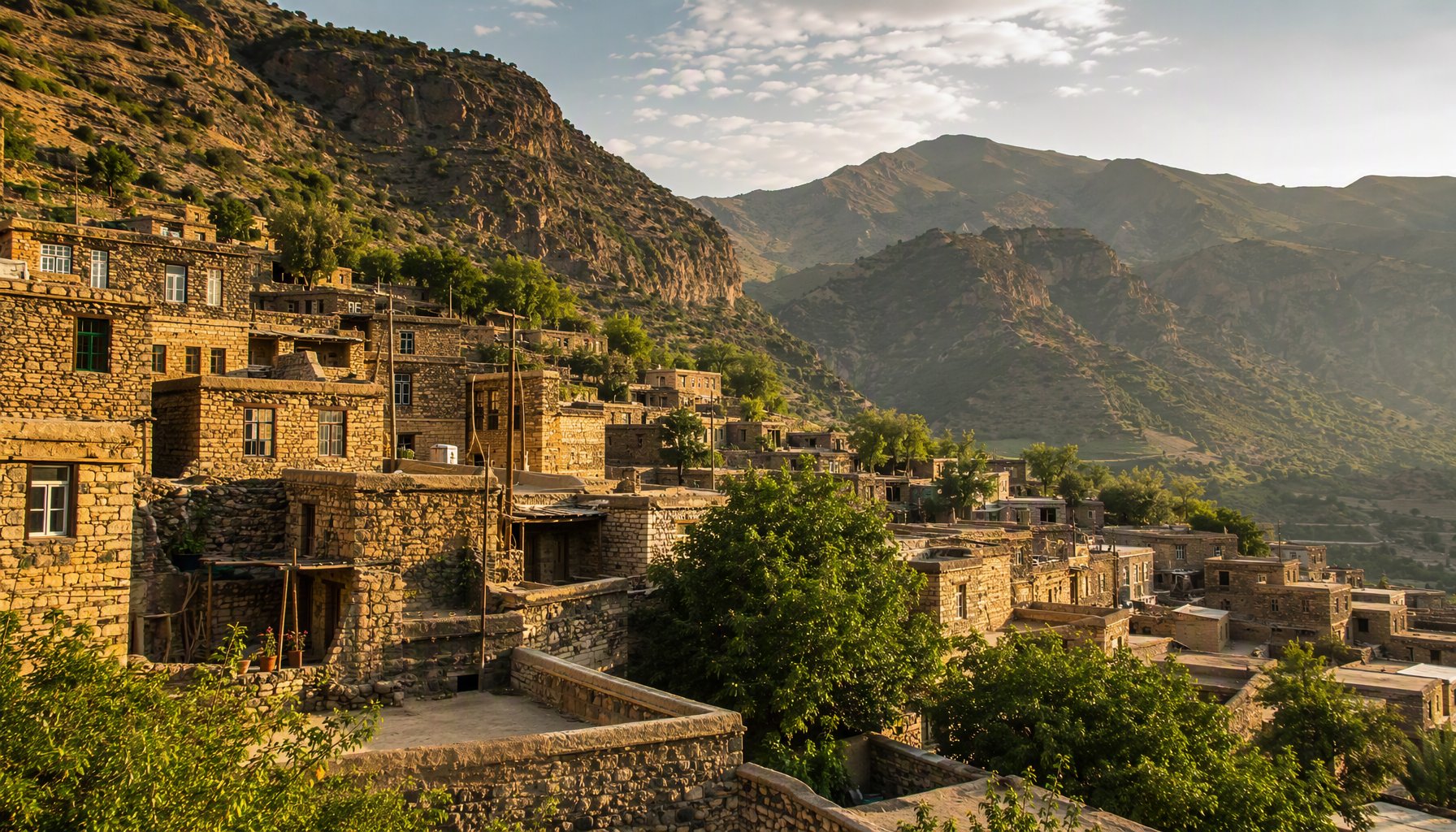
Kurdistan province sits in western Iran, cradled by the Zagros Mountains at elevations that range from 1,400 metres in the valleys to over 3,000 metres on the peaks. This topography creates a climate that shifts dramatically with the seasons, and choosing when to go can transform the experience from a pleasant mountain holiday into a struggle against snow or scorching heat. Whether you are headed for the capital city of Sanandaj, the stepped village of Palangan, or the UNESCO-listed landscape of Uraman Takht, understanding the seasonal rhythm is the first step toward a memorable journey.

Spring: The Province in Full Bloom
Spring, from late March through May, is widely considered the best time to visit Kurdistan province. The winter snow retreats from the mountain passes, and the valleys burst into life with wildflowers, running streams, and fresh greenery. Temperatures in Sanandaj during April typically range between 8 and 18 degrees Celsius, comfortable for walking and exploring. By May, daytime highs climb toward 25 degrees, making it ideal for sitting outdoors in the courtyards of Palangan or hiking the trails above Uraman Takht.
Spring is also the season when Kurdish culture is most visible. The Nowruz celebrations in late March bring music, dancing, and picnics to every village and city. Local families gather in the hillsides around Sanandaj, and the festive atmosphere extends well into the first week of April. If you want to see the province at its most vibrant, both in nature and in human spirit, this is the window.
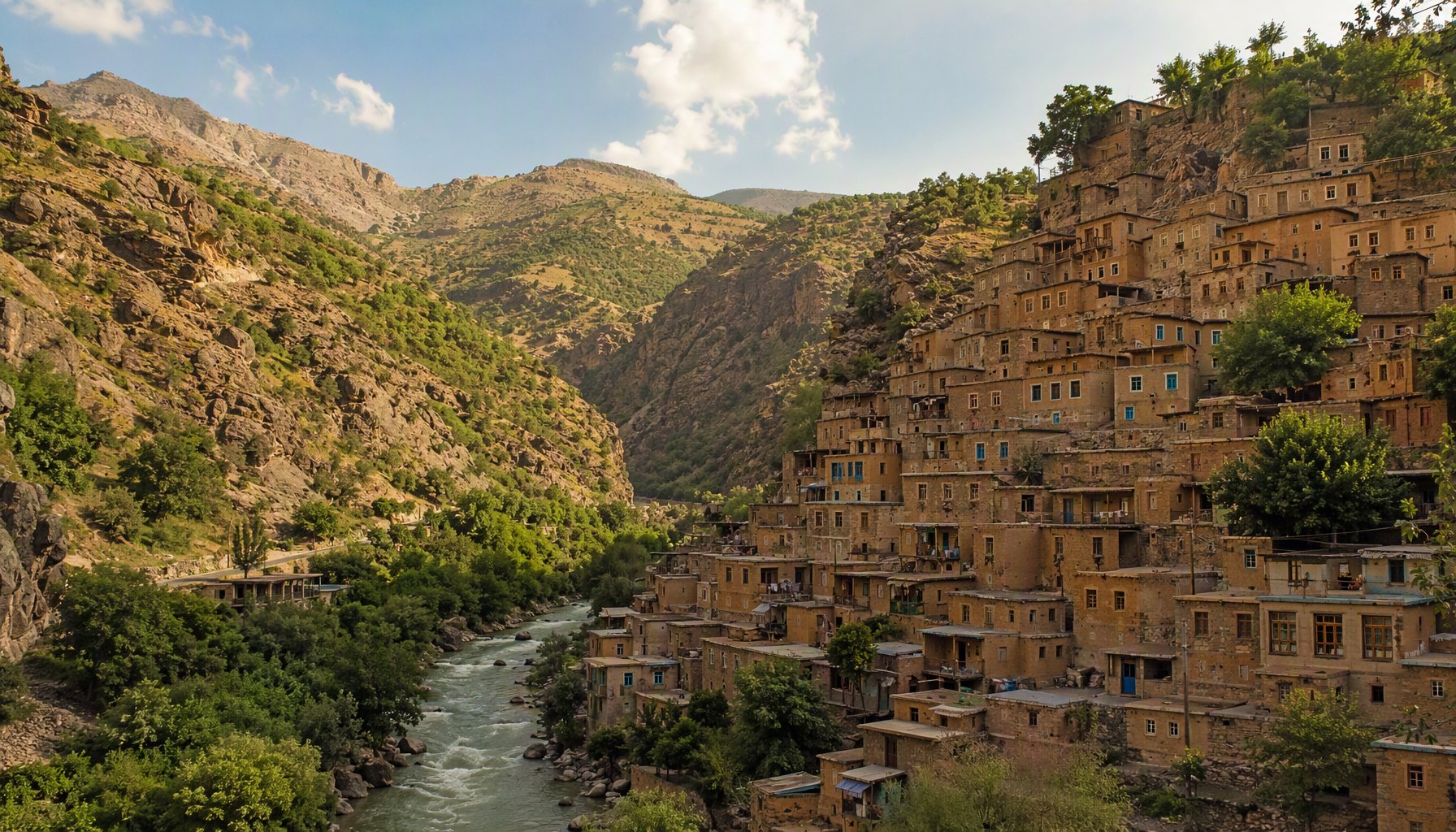
The waterfalls are at their peak flow in April and early May, fed by snowmelt from the higher Zagros ridges. The river that runs through Palangan village is swollen and energetic, and the stepped houses that climb the canyon walls are framed by lush vegetation. Photographers will find the light particularly appealing during these weeks, with clear skies and long golden hours.
Summer: Warm Days and Mountain Refuge
Summer in Kurdistan province, from June to August, is warm but far from oppressive, especially compared to the lowland cities of central and southern Iran. Sanandaj sits at roughly 1,480 metres above sea level, and daytime temperatures in July and August typically reach 30 to 34 degrees, dropping to a pleasant 15 to 18 degrees at night. You will not need air conditioning in the evenings. A light jacket for the cooler nights is a sensible addition to your bag.
The higher villages, including Palangan and Uraman Takht, are even cooler. Palangan sits at around 1,300 metres in a sheltered valley, and the microclimate created by the canyon and the river keeps temperatures moderate. Uraman Takht, at roughly 1,450 metres, benefits from forested slopes and persistent breezes. These villages become natural refuges during the hottest weeks of the Iranian summer, and many domestic tourists from Tehran, Isfahan, and other cities head west specifically to escape the heat.
Summer is the high season for domestic travel in Kurdistan, which means the popular spots can be busy, particularly on weekends and during Iranian school holidays. If you prefer quieter visits, aim for June rather than July or August. The early summer weeks also offer the tail end of the wildflower season, with alpine meadows above Uraman still in colour.
Autumn: Golden Landscapes and Harvest Season
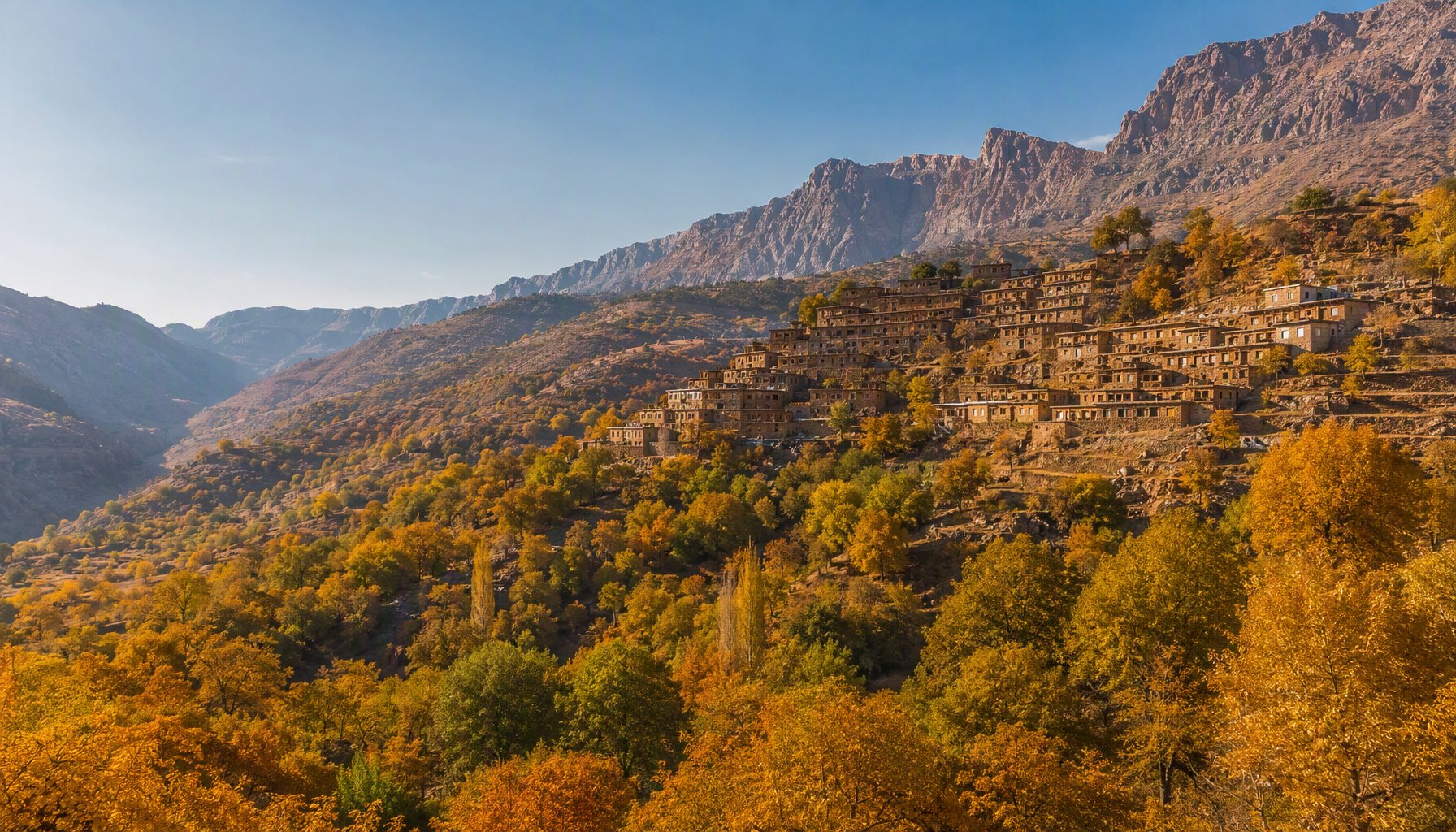
Autumn, from September to November, offers a different kind of beauty. The forests around Uraman Takht, dominated by oak and walnut trees, turn shades of amber and gold. The air is crisp, the skies are generally clear, and the temperatures are comfortable for hiking and sightseeing. September in Sanandaj still sees daytime highs near 28 degrees, but by November, daytime temperatures have dropped to around 12 to 15 degrees, with cold nights.
This is harvest season in the villages. Walnut trees are a defining feature of the Kurdish landscape, and the autumn harvest is a time of activity and celebration. In Uraman Takht and the surrounding Hawraman villages, you may encounter locals drying walnuts, pressing walnuts for oil, or preparing local dishes that feature the nut prominently. The markets of Sanandaj are stocked with fresh produce, dried fruits, and handmade Kurdish textiles during these months.
Autumn is also an excellent time for photography. The contrast between the golden forests, the stone architecture of the stepped villages, and the blue skies creates compositions that are hard to match in any other season. The tourist crowds thin out after the Iranian school year begins in late September, so you will have the trails and villages largely to yourself on weekdays.
Winter: Snow, Silence, and Kurdish Hospitality
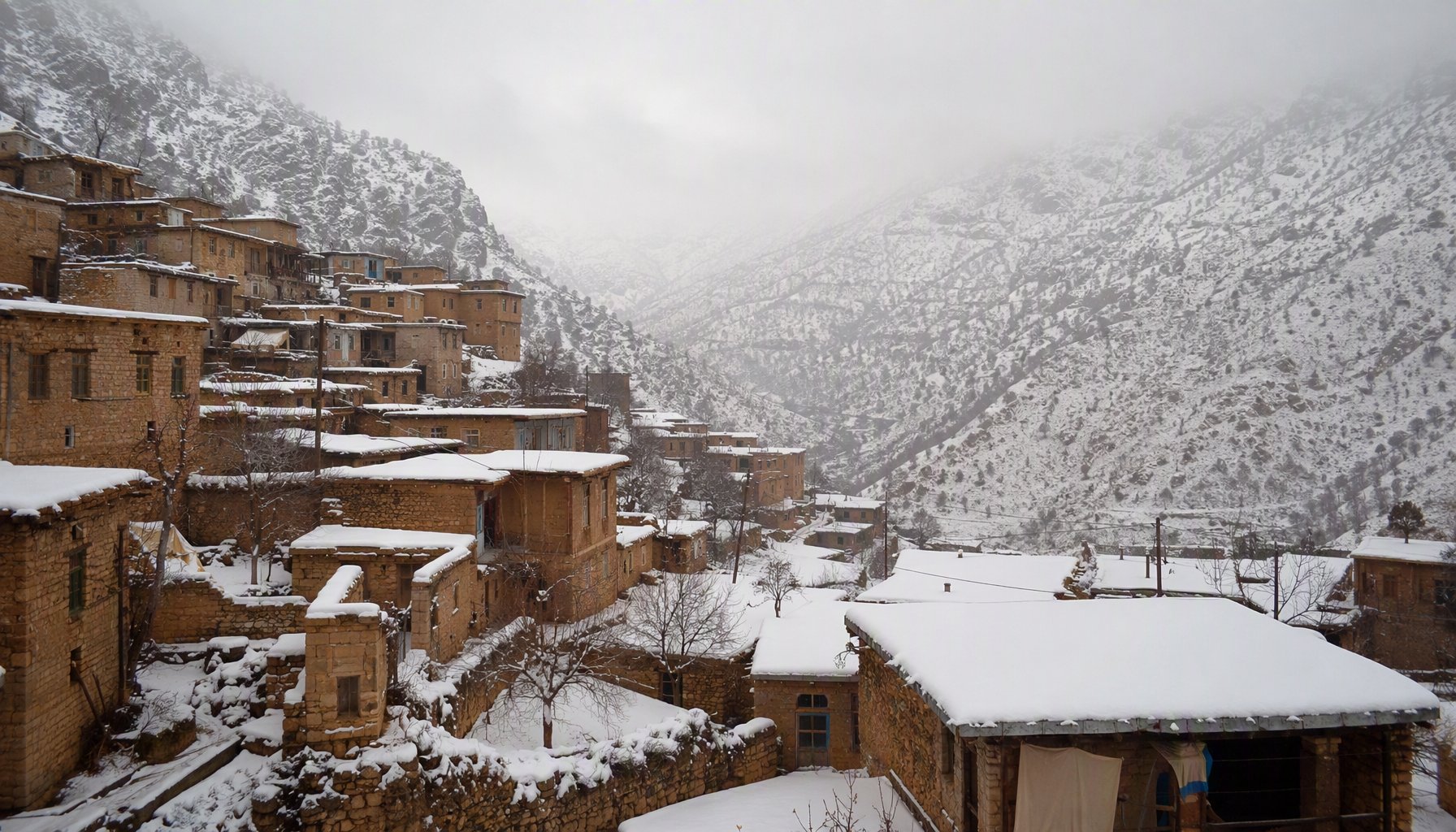
Winter in Kurdistan province is cold and snowy, particularly from December through February. Sanandaj regularly sees temperatures drop below freezing at night, and snowfall is frequent. The surrounding mountains are buried under deep snow, and some roads to the higher villages may become impassable or require chains and four-wheel drive.
That said, winter has its own appeal for the adventurous traveller. The Zagros Mountains around Kurdistan offer some of the best snowscapes in Iran, and the villages, dusted in white, present a picture of quiet beauty. The Kurdish hospitality is at its warmest in winter, when visitors are welcomed into homes for hot tea, hearty stews, and stories by the fire. If you are prepared for the cold and have the right gear, a winter visit can be deeply rewarding.
Keep in mind that some tourist facilities in Palangan and Uraman Takht reduce their operations or close entirely during the coldest months. Check road conditions and accommodation availability before planning a winter trip. The Mehyar app can help you verify current conditions and arrange transport with local drivers who know the mountain roads.
Sanandaj: The Gateway City in Every Season
Sanandaj, the provincial capital, is the most common starting point for trips into Kurdistan. The city itself has a continental mountain climate, with warm summers and cold winters. Spring and autumn are the most comfortable seasons for exploring the city's attractions, including the Kurdistan House of Culture, the traditional bazaars, and the surrounding hillsides.
In spring, the parks and gardens of Sanandaj are at their most beautiful, and the city hosts cultural events and outdoor concerts. Summer evenings are pleasant, with locals gathering in the parks and restaurants. Autumn brings cool, clear days ideal for walking through the city's older neighbourhoods. Winter transforms Sanandaj into a snowy mountain town, and the contrast between the cold outside and the warmth of the tea houses and restaurants is part of the charm.
Sanandaj is well connected by road to other major cities in western Iran. From Tehran, the drive takes approximately five to six hours via the Saveh-Hamadan road, or you can fly directly to Sanandaj Airport, which receives regular flights from the capital. Mehyar offers flights and transport options to help you reach the city comfortably.
Palangan: When to Visit the Stepped Village
Palangan is one of the most iconic villages in Kurdistan province, famous for its stepped architecture where the roof of each house serves as the courtyard of the one above. The village sits in a narrow valley along the banks of the Sirwan River, surrounded by steep mountain walls.
The best time to visit Palangan is from April to June and from September to October. During these months, the weather is mild, the river is flowing strongly, and the vegetation is either fresh and green or turning golden. The trail from the village down to the river is passable and scenic. Summer is also fine, though the village can be warm during midday. Winter visits are possible but require preparation, as the road from Sanandaj (approximately 75 kilometres) can be snowy and winding.
Uraman Takht: UNESCO Heritage Through the Seasons
Uraman Takht, part of the UNESCO World Heritage-listed Cultural Landscape of Hawraman/Uramanat, is the crown jewel of Kurdistan tourism. The village is built into the mountainside in a stepped formation, with stone houses rising tier by tier. The surrounding landscape includes ancient forests, high mountain passes, and a rich biodiversity that includes Persian leopards, wolves, and numerous bird species.
Late spring (May) and early autumn (September) are the ideal windows for visiting Uraman Takht. The mountain roads are clear, the weather is comfortable for hiking, and the village is alive with agricultural activity. The annual Pir Shalyar ceremony, a unique Kurdish-Sufi celebration that takes place in the nearby village of Uraman Takht in mid-February, draws visitors despite the cold. If you time your trip to coincide with this event, you will witness one of the most fascinating cultural traditions in western Iran, complete with music, dancing, and the sacrifice of lambs.
The road to Uraman Takht from Sanandaj passes through the scenic Hawraman valley, approximately 85 kilometres and about two hours of driving. The route itself is an attraction, winding through forests, past springs, and alongside terraced hillsides. In spring and early summer, the road is lined with wildflowers. In autumn, the forest canopy creates a tunnel of gold and red.
Packing for Kurdistan's Seasons
Regardless of when you visit, packing for Kurdistan province requires some preparation. The mountain climate means that temperatures can vary significantly between day and night, and between the valley floors and the higher elevations. Layered clothing is essential.
In spring, bring a waterproof jacket, sturdy walking shoes, and a warm layer for the evenings. The weather can change quickly in the mountains, and a sudden rain shower is always possible. In summer, light clothing for the daytime and a sweater or jacket for the cool evenings will suffice. Sunscreen and a hat are important, as the high altitude means stronger UV exposure.
Autumn calls for warm layers, a windproof jacket, and comfortable boots for walking on village paths. Winter requires serious cold-weather gear, including insulated boots, thermal layers, a heavy coat, gloves, and a hat. If you plan to hike in winter, bring crampons and check avalanche conditions with local authorities.
Final Thoughts on Timing Your Visit
Kurdistan province rewards travellers who choose their season wisely. Spring offers the most balanced combination of pleasant weather, natural beauty, and cultural vibrancy. Summer provides a cool mountain escape when the rest of Iran is sweltering. Autumn delivers golden landscapes and harvest traditions in a peaceful atmosphere. Winter is for the hardy adventurer who seeks snowscapes and authentic cultural encounters.
No matter when you come, the Kurdish people will welcome you with open arms, strong tea, and stories that connect you to centuries of mountain life. Use Mehyar to plan your route, book your transport, and find accommodation in Sanandaj and the surrounding villages. The province is waiting, and every season has something worth discovering.