
Isfahan sits on the edge of the central Iranian plateau at an elevation of roughly fifteen hundred metres, a height that gives its seasons a clarity you rarely find at lower altitudes. Spring arrives in a rush of blossom and green gardens. Summer is dry and hot but tempered by the altitude. Autumn paints the trees along the Zayandeh Rud in amber and gold. Winter brings cold nights and a quiet beauty to the tiled courtyards of the Safavid monuments. Choosing when to visit Isfahan is not just about avoiding heat or rain. It is about deciding which version of the city you want to see.
The Prime Windows: Spring and Autumn
The two seasons that most visitors and tour operators recommend for Isfahan are spring (March through May) and autumn (October through November). During these windows, daytime temperatures sit between eighteen and twenty-six degrees Celsius, the sky is usually clear, and the light in the late afternoon turns the turquoise domes and azure tilework of the Safavid mosques into something that photographs almost effortlessly.
Spring in Isfahan is famous for its gardens. The city was once called the garden capital of Persia, and even in its reduced modern form the green spaces along the Zayandeh Rud and around the palaces of the Safavid era bloom with tulips, narcissus, and the famous jasmine that the poets wrote about. The orange trees in the gardens behind Ali Qapu Palace scent the air in April and May. If you want to see Isfahan at its greenest and most fragrant, late March through mid-May is the window.
Autumn offers a different palette. The plane trees along Chahar Bagh Avenue and the banks of the Zayandeh Rud turn from green to deep gold and red. The weather is warm during the day but cool enough that you can walk from Naqsh-e Jahan Square to Si-o-se-pol Bridge at sunset without feeling overheated. Photographers favour October because the low autumn sun casts long shadows across the square and makes the tilework of the Sheikh Lotfollah Mosque glow with an intensity that summer light cannot match.
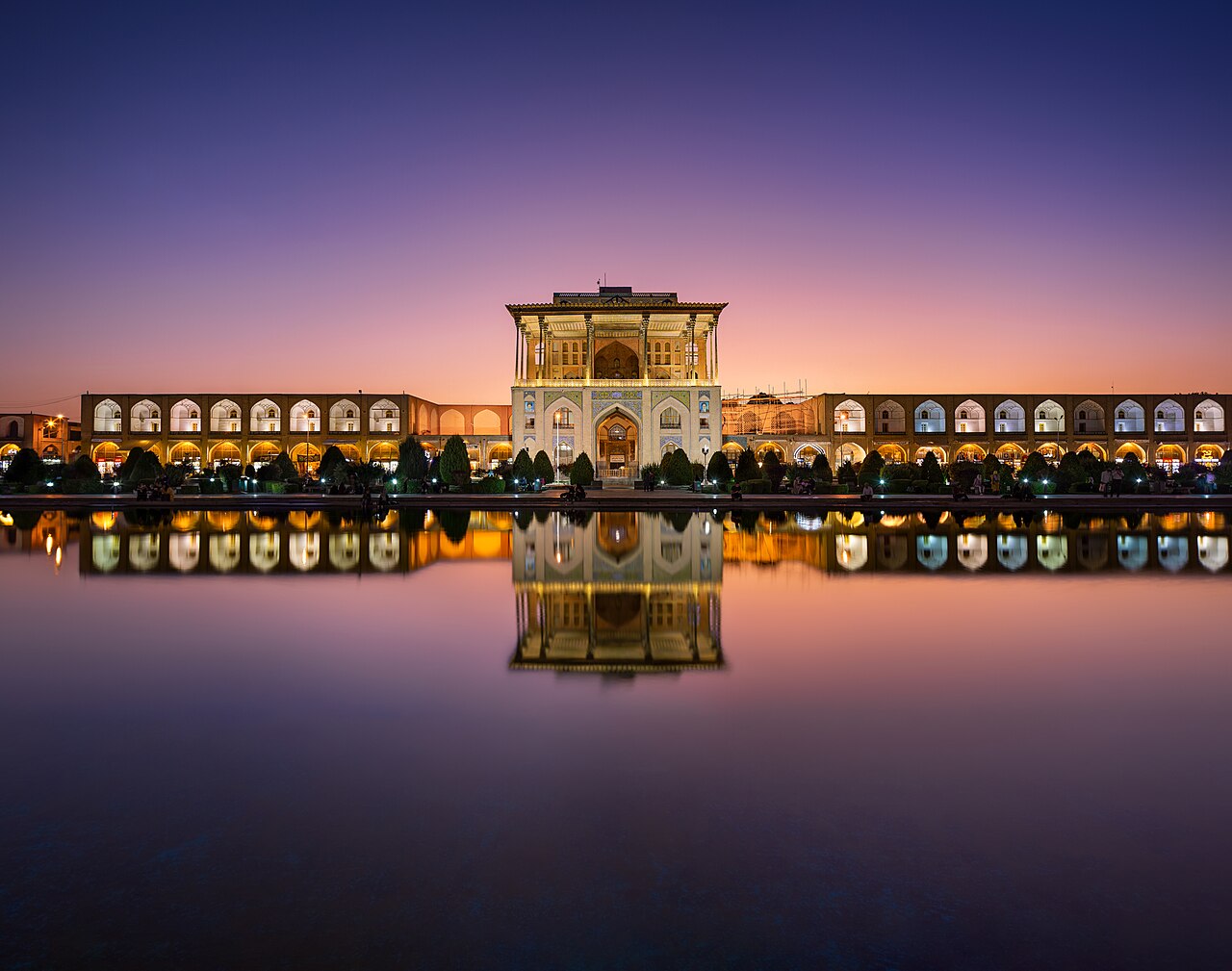
Summer: Hot, Quiet, and Manageable
Isfahan in summer is hot but not unbearable in the way that Yazd or the southern cities are. Daytime highs in July and August reach the mid-to-high thirties, occasionally touching forty degrees. The altitude of fifteen hundred metres keeps the worst of the desert heat at bay, and the evenings cool down enough that sightseeing after sunset is comfortable and even pleasant.
The main challenge of summer is the midday sun. Walking between monuments at noon is genuinely unpleasant, and the open expanse of Naqsh-e Jahan Square has almost no shade. Smart visitors restructure their days around the heat, visiting indoor sites such as the Chehel Sotoun Palace or the Vank Cathedral in the Armenian Quarter during the hottest hours, and saving the bridges and the square for early morning and late afternoon.
Summer in Isfahan is the low season for international tourism. Hotels offer their best rates of the year, and the crowds at major sites are thin. If you are travelling on a budget and can manage the heat, June through August is an excellent time to visit. The Zayandeh Rud, when it has water, is popular with local families in the evenings, and the bridges come alive after dark with people walking, playing music, and gathering along the riverbank.
Winter: Cold Nights and Empty Courtyards
Winter in Isfahan is cold, especially at night. December and January bring temperatures that can drop below freezing, and occasional snowfall dusts the domes and minarets in white. The Zayandeh Rud is at its fullest in winter, fed by snowmelt from the Zagros mountains to the west, though in recent drought years the river has often been dry or reduced to a trickle.
The major advantage of winter is solitude. Isfahan in January sees far fewer international visitors than in spring or autumn, and the great monuments feel almost private. Standing in the courtyard of the Imam Mosque on a cold January morning, with the turquoise dome reflected in a puddle of rainwater and no other tourists in sight, is one of the most atmospheric experiences the city offers.
Winter pricing is at its lowest. Hotels that charge premium rates in April may offer discounts of thirty percent or more in January. Tour operators run their cheapest departures, and private guides are easier to book at short notice. For travellers who prioritise atmosphere and value over warm weather, December through February is a worthwhile window.
Month by Month Guide
March. The city is waking from winter. Days are mild, around fifteen to twenty degrees, but nights are still cold. The gardens begin to green and the first flowers appear by late month. A good time for visitors who want to avoid peak spring crowds.
April. Isfahan at its peak. Gardens are in full bloom, the weather is warm but not hot, and the city feels alive. This is the busiest month for international tourism, and hotels near the square book well in advance. Plan and reserve early.
May. Still warm and pleasant, though the gardens begin to fade as the heat builds. The last of the spring flowers are still visible in the early weeks. A good alternative to April for those who want similar weather with slightly fewer crowds.
June. The transition to summer. Early June is still comfortable, but by late June daytime temperatures push past thirty-five degrees. Sightseeing must shift to early morning and evening. Hotel prices begin to drop.
July and August. Peak summer heat. Days regularly exceed thirty-eight degrees. Outdoor sightseeing is limited to the hours before nine and after five. The city is quiet, hotels are affordable, and the Zayandeh Rud bridges offer evening relief. Best for budget travellers who can handle heat.
September. The heat begins to ease, especially in the second half of the month. Daytime temperatures drop from the high thirties to the low thirties, and evenings become comfortable. A transitional month with good value and manageable conditions.
October. The second best month after April. Weather is warm and pleasant, the autumn colours are beginning, and the light is ideal for photography. The crowds are thinner than in spring. Highly recommended for all types of travellers.
November. Cooling down further. Days are pleasant at fifteen to twenty degrees, nights are chilly. The autumn colours in the trees along the river reach their peak in the first two weeks. Good value for money with fewer tourists than October.
December. Winter begins in earnest. Cold nights, clear skies, and very few tourists. The city is quiet and atmospheric. Ideal for visitors who prefer solitude and do not mind wrapping up warm.
The Zayandeh Rud: A Note on Water
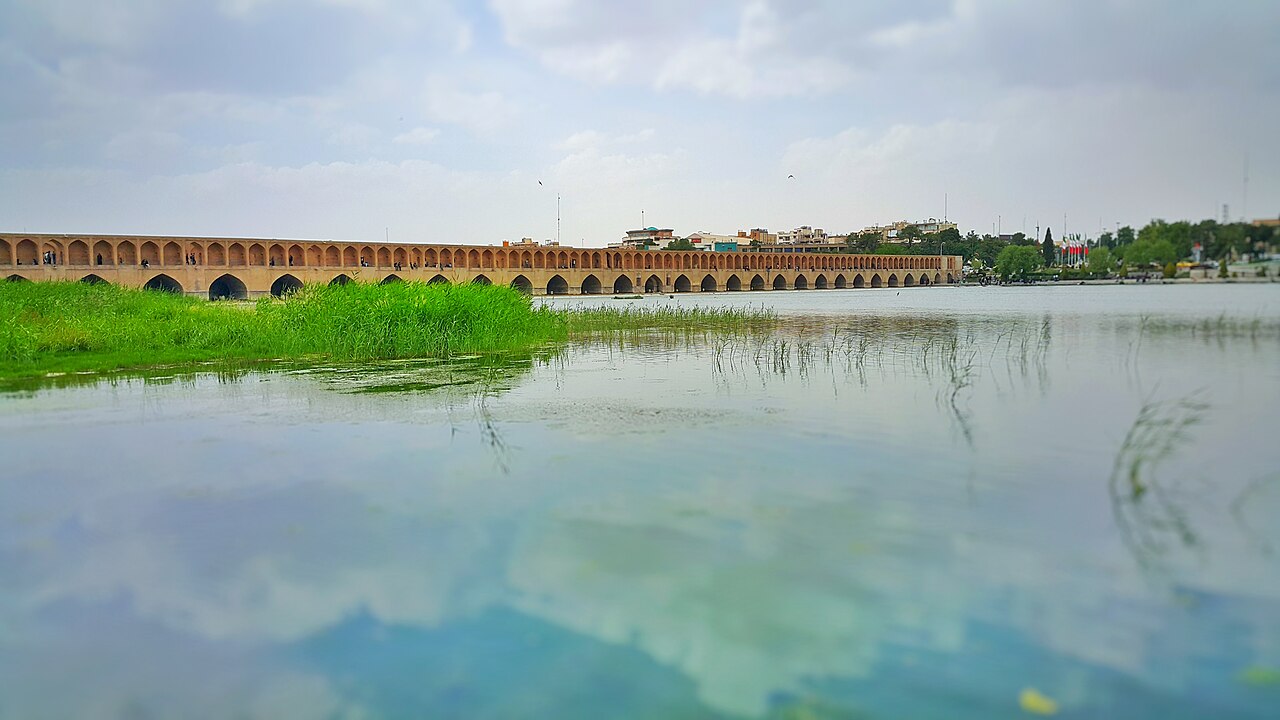
The Zayandeh Rud, the "River of Life," is the soul of Isfahan. The great Safavid bridges, Si-o-se-pol and Khaju Bridge, were built over this river, and the gardens that made the city famous depend on its water. In recent years, drought and upstream water management have reduced the flow, and the riverbed is sometimes dry or reduced to a shallow stream for much of the summer and autumn.
If seeing the bridges with water flowing beneath them is important to your visit, the best months are winter and early spring, when snowmelt from the Zagros mountains feeds the river at its strongest. The river is most likely to be flowing from December through April, and least likely from July through October. Even in dry years, the bridges themselves remain magnificent, and the arches of Khaju Bridge at sunset are worth the visit regardless of water levels.
Crowd Levels and Pricing
Isfahan follows the national tourism cycle. The high seasons of spring (March to May) and autumn (October to November) bring the largest crowds and the highest hotel rates. The low seasons of summer (June to August) and winter (December to February) offer significant discounts and thinner crowds at the major sites.
For budget travellers, January and February offer the deepest hotel discounts and the fewest tourists at Naqsh-e Jahan Square. For those who want a balance of good weather and reasonable pricing, late September, early November, and late May are the shoulder weeks that offer the best of both.
Booking through Mehyar Hotels gives you access to real-time availability and pricing across the city, from boutique guesthouses near the square to international hotels along Chahar Bagh Avenue. For transport between Isfahan and other cities, Mehyar Flights connects Isfahan to Tehran, Shiraz, and Mashhad, and the Mehyar planner can help you build a multi-city itinerary that times your Isfahan visit to coincide with the best conditions.
Photography and the Light
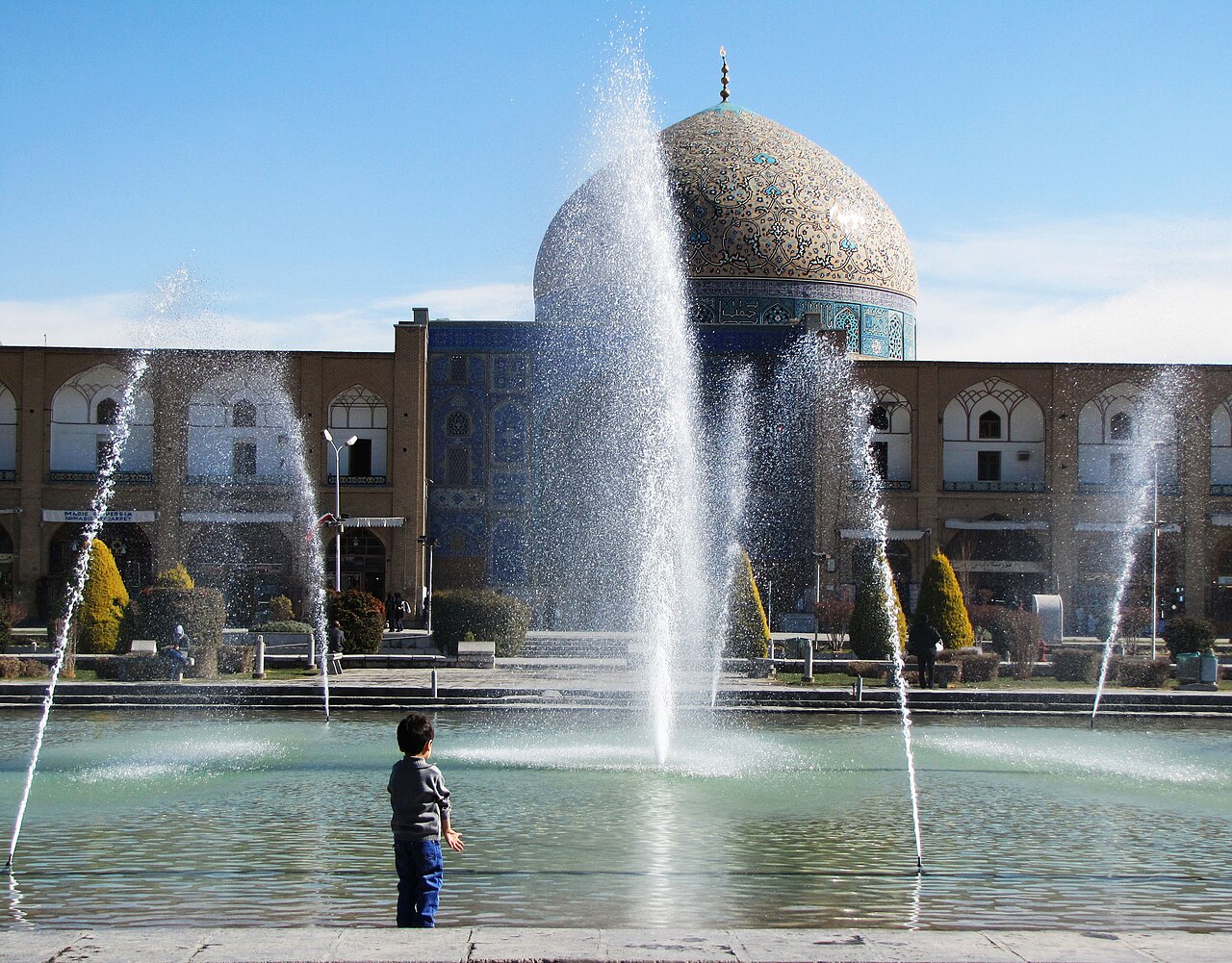
Isfahan is one of the most photogenic cities in the Middle East, and the quality of light varies significantly by season. In spring, the light is bright and clear, ideal for capturing the vivid blue and turquoise tilework against a cloudless sky. In summer, the harsh midday sun creates strong contrasts that can wash out detail, but the golden hour at sunset is spectacular. In autumn, the low angle of the sun and the warm quality of the light make October the favourite month of photographers visiting the city. In winter, the overcast skies and low sun create soft, even light that is excellent for architectural detail but less dramatic for wide shots of the square.
The best time of day for photography at Naqsh-e Jahan Square is the hour before sunset, when the sun is behind you and the eastern facades of the mosque and the Ali Qapu Palace catch the warm light. In summer, arrive after five. In autumn, the golden hour begins around four. In winter, the light is best between two and three in the afternoon.
The Bottom Line
The best time to visit Isfahan depends on what you value most. For gardens and blossoms, April is unmatched. For golden light and comfortable walking, October is ideal. For budget and solitude, January and February offer the city at its quietest and most affordable. For evening life on the bridges, summer has its own appeal despite the daytime heat.
Whatever season you choose, give Isfahan at least three full days. The city rewards slow exploration, and the light changes enough between morning and afternoon that the same square looks like two different places. Book early for the peak months, stay flexible for the shoulder seasons, and let the city reveal itself at its own pace.