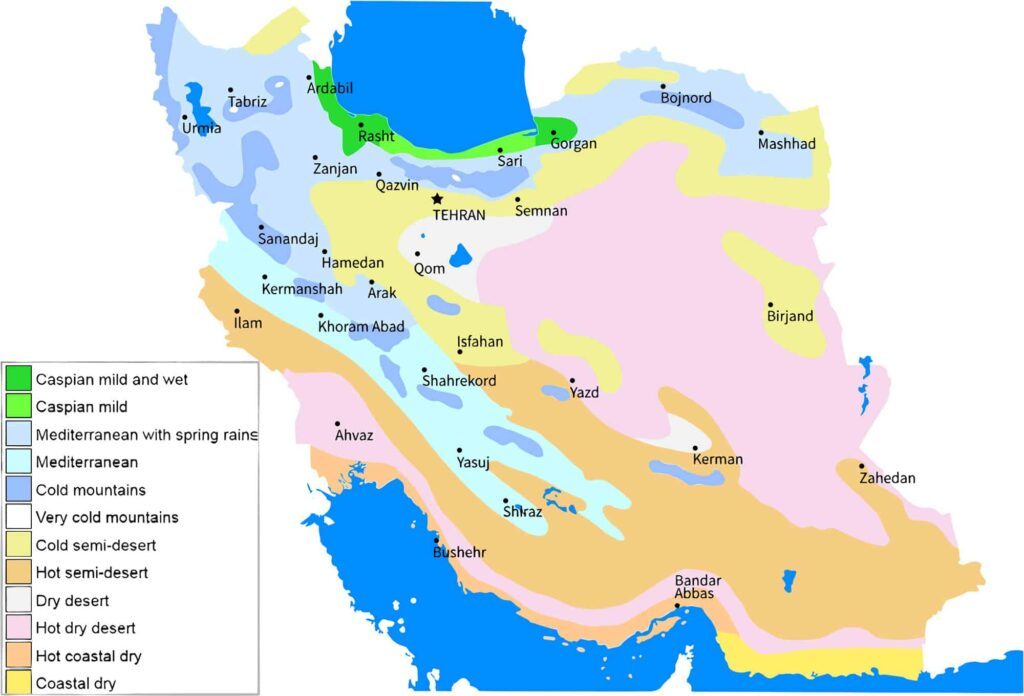
Iran is not a single climate. It is a country where you can ski in the morning near Tehran and swim in the Persian Gulf the same week. The Alborz Mountains in the north catch snow while the southern coast stays mild, and the central deserts swing from freezing nights to blazing afternoons within hours. That range is exactly why the question "when should I go?" has no single answer. It depends on whether you want gardens in bloom, empty desert skies, or a warm winter escape by the sea.
This guide walks through each season, then breaks the country into regions so you can match your travel dates to the places you actually want to see. Along the way, practical planning with Mehyar keeps the logistics simple, from booking hotels and domestic flights to arranging a taxi on arrival.
Why Iran's Climate Varies So Dramatically
Iran sits between two major mountain ranges and two seas. The Alborz range runs along the north, separating the humid Caspian coast from the dry interior. The Zagros range cuts across the west and southwest. Between them lie the central plateaus and deserts, including Dasht-e Kavir and Dasht-e Lut. To the south, the Persian Gulf and the Sea of Oman moderate the coastal cities and islands.
The result is that two cities only a few hundred kilometers apart can feel like different countries in the same month. Tehran at 1,200 meters elevation has cold winters and warm summers. Bandar Abbas on the Persian Gulf is hot and humid for much of the year but pleasant in winter. Yazd in the desert is dry and extreme, while Rasht near the Caspian is green and rainy. Understanding this before you book means you can pick a route that fits the season rather than fighting it.
The Four Seasons at a Glance
Spring (March to May)
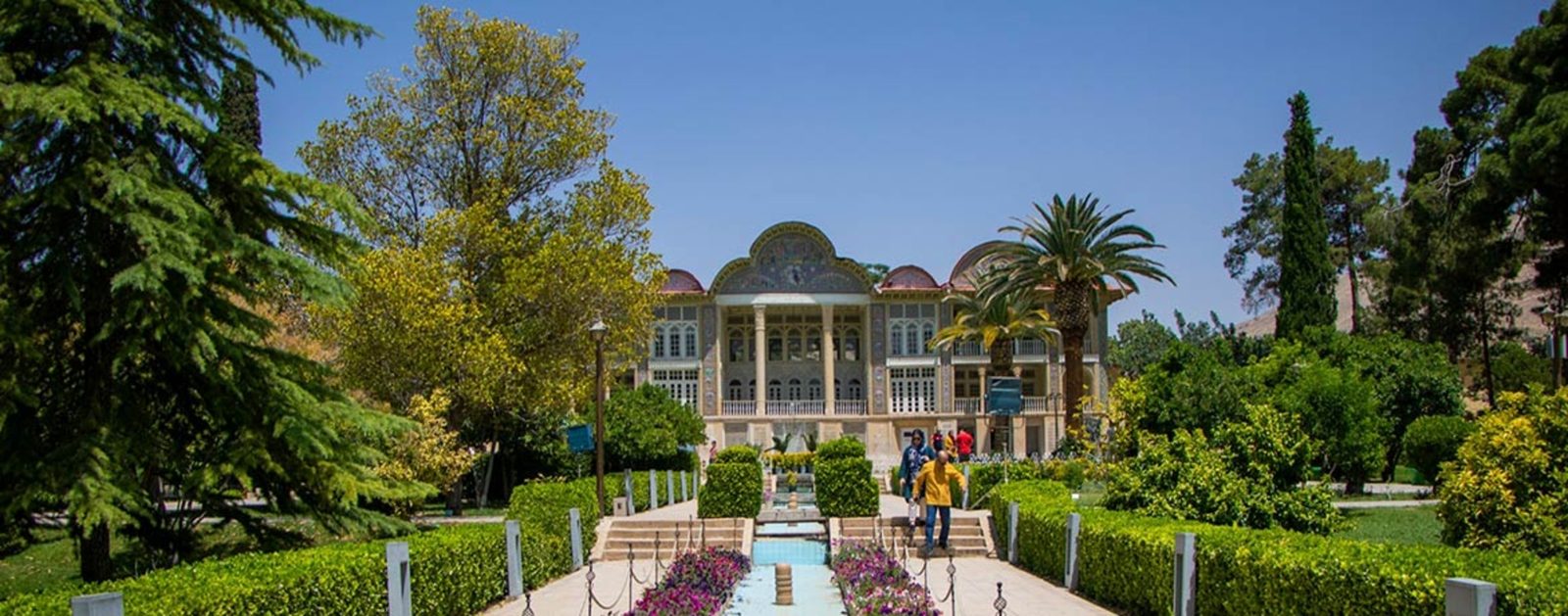
Spring is the most popular season for good reason. Temperatures across most of the country are mild, the deserts are not yet scorching, and the gardens of Shiraz and Isfahan are in full bloom. The orange blossoms in Shiraz usually open in April, filling the city with a distinctive scent. Wildflowers cover the slopes of the Zagros and Alborz.
The catch is Nowruz, the Persian New Year, which falls around March 21. For roughly two weeks around that date, domestic travel surges. Hotels fill, domestic flights sell out, and prices rise sharply. If you want to experience Nowruz celebrations, book months ahead through Mehyar Hotels and Mehyar Flights. If you prefer quieter travel, aim for late April or May, after the holiday rush has passed.
Summer (June to August)
Summer is hot across the central plateau, the deserts, and the southern coast. Temperatures in Yazd and Isfahan can exceed 38°C, and the Persian Gulf coast becomes humid and oppressive. This is not the season for desert hiking or long walks through open squares.
However, summer is ideal for the mountains. The Alborz highlands north of Tehran, the Caspian coast, and the northwestern region around Tabriz offer cooler air. Kandovan village near Tabriz and the mountain roads of Gilan and Mazandaran are pleasant. If you travel in summer, plan indoor activities during the middle of the day and save outdoor exploration for early morning and evening. Mehyar Taxi makes it easy to move between air-conditioned museums and your hotel without standing in the heat.
Autumn (September to November)
Autumn is the other peak season, and for many travelers it is the best. The summer heat fades, the crowds thin after September, and the light becomes softer. The Caspian forests turn gold and orange, making this the best time for photography in northern Iran. Desert cities like Yazd and Kerman become comfortable for walking. Shiraz and Isfahan are pleasant through October.
By November, northern Iran sees more rain, and mountain roads may become slippery. The deserts cool down quickly at night, so layers become essential. Autumn is also a good time for budget travel outside the Caspian region, since demand drops after the summer holidays.
Winter (December to February)
Winter splits the country sharply. The northwest, including Tabriz, and the Alborz highlands are cold, with snow and temperatures that can drop well below freezing. Tehran is cold but manageable, and ski resorts like Dizin and Shemshak operate. The desert cities are cold at night but often sunny and clear during the day, which makes them quiet and atmospheric.
The real winter advantage is the south. The Persian Gulf coast and islands like Kish and Qeshm enjoy mild, pleasant weather from November through March. This is the season for beach walks, water sports, and exploring Qeshm's geological formations without the intense heat. If your goal is warm weather in winter, the Persian Gulf is where you want to be.

Best Time to Visit by Region
Tehran and Central Iran
Tehran sits at the foot of the Alborz Mountains, which gives it cooler summers and colder winters than the desert cities to the south. Spring, from late March through May, is the most comfortable time for walking through the Grand Bazaar, visiting Golestan Palace, and taking the cable car up to Tochal. Autumn, especially October and November, is also excellent, with clear skies and mild temperatures.
Summer in Tehran can reach 35°C or more, but the mountain villages of Darband and Tochal offer a cool escape. Winter is cold and sometimes snowy, but museums and cafes remain open, and the ski resorts are within easy reach. For planning, use Mehyar to check hotel availability in the city and arrange transport to the mountains.
Isfahan and the Heartland
Isfahan has a classic continental climate: hot summers, cold winters, and beautiful spring and autumn. The best months are April, May, October, and November. During these periods, you can walk across Si-o-Se Pol and explore Naqsh-e Jahan Square without extreme heat or cold. The city's gardens and tree-lined avenues are at their best in spring.
Summer in Isfahan is dry and hot, often above 35°C, which makes midday sightseeing uncomfortable. Winter is cold, with occasional snow, but the city is quiet and the historical sites are less crowded. If you visit in winter, bring warm clothing and plan indoor visits to the mosques and palaces.
Shiraz and Fars Province
Shiraz is famous for its gardens and its spring orange blossoms. The ideal time to visit is from March to May, when the weather is mild and the city smells of citrus flowers. This is also the season for visiting Persepolis and Pasargadae, since the sites are exposed and can be uncomfortable in summer heat.
Autumn is another good option, with fewer tourists and comfortable temperatures. Summer is hot, often above 35°C, but budget travelers can find lower hotel rates and quieter attractions. Winter is mild compared to Tehran, though nights can be chilly. Mehyar Hotels can help you find a traditional guesthouse near the bazaar or a modern hotel closer to the gardens.
Yazd and the Desert Cities
Yazd, Kerman, and the surrounding desert regions have extreme climates. Spring and autumn are the best times to visit, with warm days and cool nights. In April and October, you can explore the old city, the wind towers, and the Zoroastrian sites comfortably. Winter days are often sunny and clear, but nights can drop near freezing.
Summer is very hot, with temperatures that can exceed 40°C in July and August. If you visit in summer, plan activities for early morning and evening, and spend the middle of the day in air-conditioned spaces or traditional underground rooms. The desert night sky is spectacular in every season, but summer nights are warm enough for comfortable stargazing.
Tabriz and the Northwest
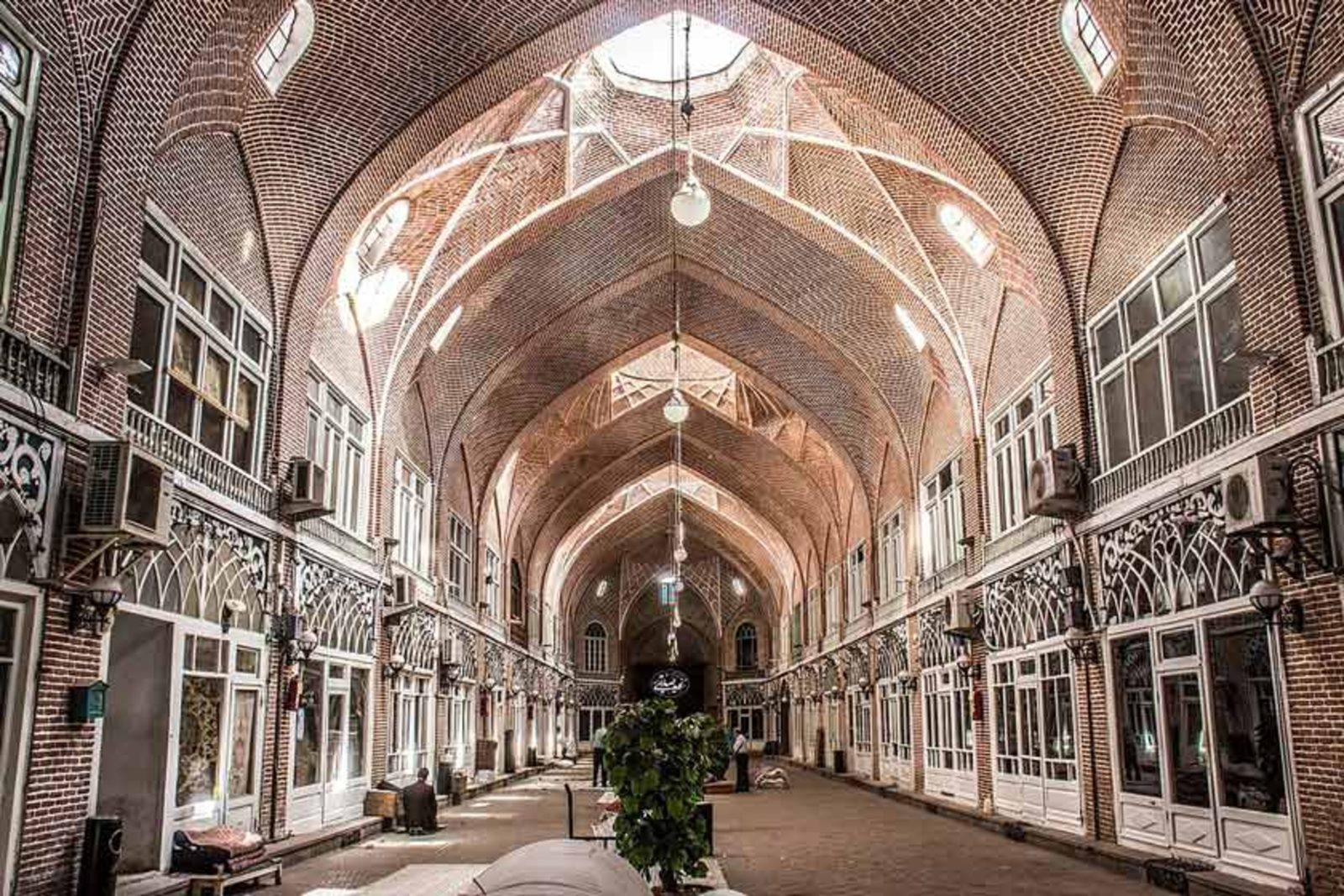
Tabriz has a cooler climate than most of Iran because of its elevation. Spring and early autumn are the best times, with mild temperatures and clear skies. The historic bazaar, the Blue Mosque, and El Goli Park are all pleasant to explore in these seasons. Summer is comfortable compared to the south, making it a good choice for travelers who want to avoid extreme heat.
Winter in Tabriz is cold and snowy, with temperatures that can drop below -10°C. However, this is also the season for skiing in nearby resorts, and the city's museums and cafes remain welcoming. If you travel in winter, pack serious cold-weather clothing and check road conditions before heading to Kandovan or the surrounding mountains.
Mashhad and the Northeast
Mashhad is a major pilgrimage destination, home to the shrine of Imam Reza. The city attracts visitors year-round, but spring and autumn offer the most comfortable weather for walking around the shrine complex and the surrounding bazaars. Summer can be hot, and the city becomes very crowded during religious holidays.
Winter is cold, with temperatures that can drop below freezing, but the shrine remains active and the city has a quiet, reflective atmosphere. If you plan to visit during a major religious event, such as the martyrdom anniversary of Imam Reza, expect large crowds and book accommodation well in advance through Mehyar Hotels.
The Caspian Coast and Northern Forests
The Caspian region, including Gilan, Mazandaran, and Golestan provinces, is green, humid, and rainy. The best time to visit is late spring and early autumn, when the weather is mild and the forests are lush. April and May bring wildflowers and fresh greenery. October and November turn the forests gold and orange, making this the best season for photography.
Summer is warm and humid, popular with domestic tourists seeking the beach. Winter is mild compared to the interior but wet, with rain and occasional snow in the mountains. If you want to explore the villages and rice terraces of Gilan, spring and autumn are ideal.

The Persian Gulf Coast and Islands
The southern coast and islands, including Kish, Qeshm, Hormuz, and Bandar Abbas, have a hot and humid climate for much of the year. The best time to visit is from November to March, when temperatures are mild and the sea is calm. This is the season for swimming, snorkeling, and exploring the islands without the intense heat.
Spring, especially April, is still pleasant, but by May the heat and humidity begin to rise. Summer is extremely hot and humid, with temperatures often above 40°C. If you travel in summer, plan indoor activities and take advantage of the air-conditioned malls and cultural centers. Mehyar Taxi can help you move between the airport, your hotel, and the waterfront comfortably.
Nowruz and Other Peak Periods
Nowruz, the Persian New Year, begins around March 21 and lasts for about two weeks. It is the biggest holiday in Iran, and domestic travel peaks during this period. Major cities like Isfahan, Shiraz, and Mashhad see large crowds, and hotels and flights book up early. If you want to experience the celebrations, including the Haft-Seen tables and street festivities, plan well ahead and use Mehyar to secure your bookings.
Other peak periods include the summer school holidays, when Iranian families travel to the Caspian coast and mountain resorts, and major religious events in Mashhad. During Muharram and Safar, particularly Ashura and Arbaeen, some historical sites and museums may close or have reduced hours. If your trip coincides with these dates, check opening times locally and plan around them.
Budget Travel and Off-Season Tips
For budget travelers, the cheapest times to visit Iran are winter for the desert cities and summer for the Persian Gulf coast. During these periods, demand drops and hotel prices fall. The shoulder seasons of late autumn and early spring also offer good value, especially outside the Nowruz period.
Traveling midweek rather than on weekends can reduce costs, as domestic tourism is concentrated on Thursdays and Fridays. Booking through Mehyar Hotels and Mehyar Flights lets you compare options and lock in lower rates. For desert trips in winter, remember that nights are cold, so pack warm layers even if the days are sunny.
What to Pack for Each Season
Spring and autumn call for light layers, a light jacket for evenings, and comfortable walking shoes. A light rain jacket is useful in the Caspian region. Summer requires light, breathable clothing, sun protection, and a hat. In the desert, a scarf or shawl can help protect against sun and dust.
Winter in the north and northwest demands warm clothing, including a heavy coat, gloves, and a hat. For the Persian Gulf in winter, light clothing and a light jacket for evenings are sufficient. Regardless of season, modest dress is expected in public spaces, and women should carry a headscarf. For more detail, see our guide to what to wear in Iran at /en/articles/what-to-wear-in-iran/.
Practical Planning with Mehyar
Mehyar is designed to make travel in Iran simpler. Use the Mehyar Planner to sketch an itinerary that matches the season and region you choose. Book hotels through Mehyar Hotels, domestic flights through Mehyar Flights, and intercity buses through Mehyar Buses. For airport transfers and city rides, Mehyar Taxi connects you with reliable drivers. The Mehyar Wallet lets you top up and pay for services without relying on foreign cards, which often do not work in Iran. For more on payments, see our guide at /en/articles/paying-in-iran/.
If you are planning your first trip, start with our first-trip guide at /en/articles/first-trip-to-iran/. For city-specific advice, explore our articles on Tehran at /en/articles/tehran/, Isfahan at /en/articles/isfahan/, and Shiraz at /en/articles/shiraz/.
Choosing Your Season
There is no single best time to visit Iran. If you want gardens and mild weather, choose spring. If you want the Caspian forests in color, choose autumn. If you want warm winter sun, head to the Persian Gulf. If you want to ski, come in winter and go to the Alborz. The key is to match your interests to the region and season, then plan your logistics with Mehyar so you can focus on the journey.