
Ardabil in winter is a landscape of contrasts that few travelers expect to find in Iran. While the rest of the country may conjure images of desert caravans and ancient mosques, this northwestern province offers something entirely different. Snow blankets the high ridges surrounding the city, steam rises in thick columns from the hot spring pools of Sareyn, and the Alvares ski resort opens its slopes to those willing to brave the cold. The frozen surface of Shourabil Lake, on the edge of the city, becomes an impromptu ice rink where families gather on crisp afternoons. Visitors who make the journey in the coldest months discover a quiet, atmospheric region far from the tourist crowds, where the traditions of Azerbaijani life continue against a backdrop of volcanic peaks and geothermal waters.
Where Is Ardabil?
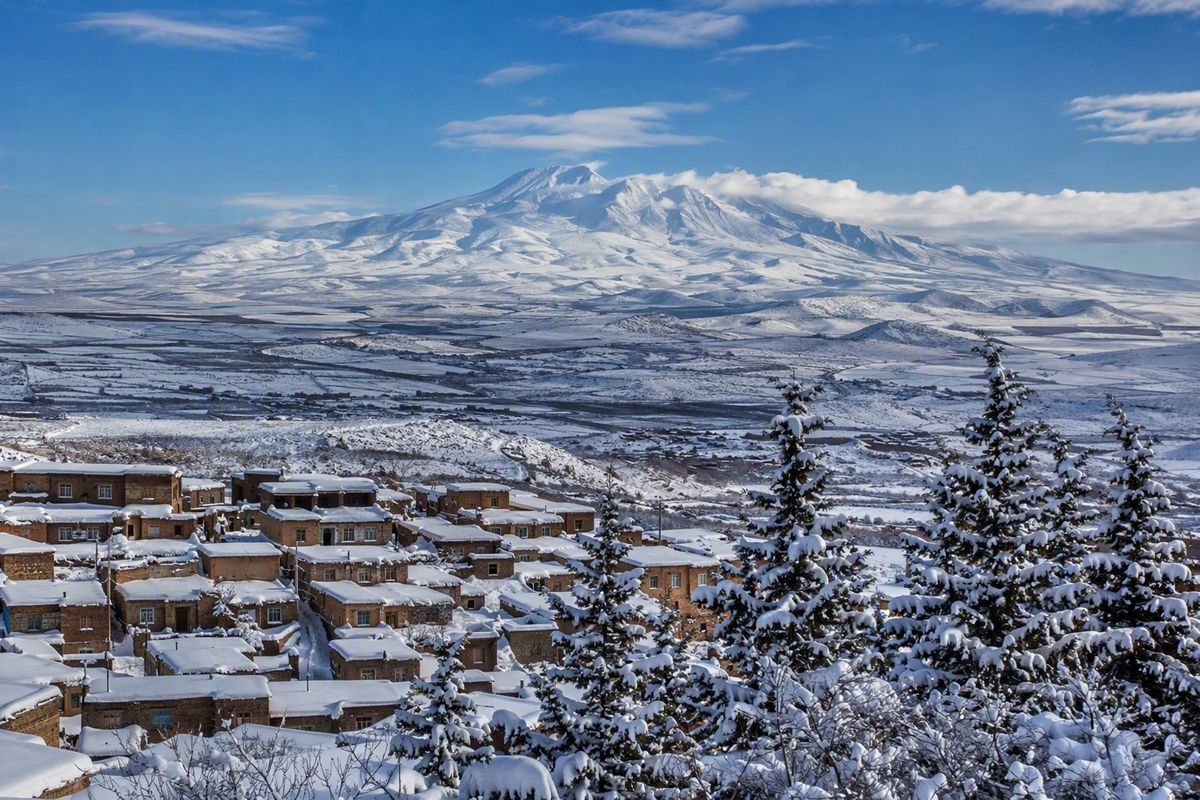
Ardabil lies in the far northwest of Iran, close to the border with the Republic of Azerbaijan. The provincial capital sits at roughly 1,500 meters above sea level, with the mighty Mount Sabalan, a dormant volcanic summit reaching 4,811 meters, rising dramatically to the east. The region is part of what was historically known as Iranian Azerbaijan, a cultural landscape shaped by centuries of Turkic settlement, Persian influence, and the interplay of highland and lowland traditions. Access from Tabriz, the largest city in the region, takes about three hours by road, crossing the Bostanabad highlands, which themselves receive heavy snowfall in winter. From Tehran, overnight buses and trains provide a slower but comfortable connection, and domestic flights from Tehran to Ardabil's airport take roughly one hour.
Hot Springs of Sareyn: Steaming Waters in a Frozen Landscape
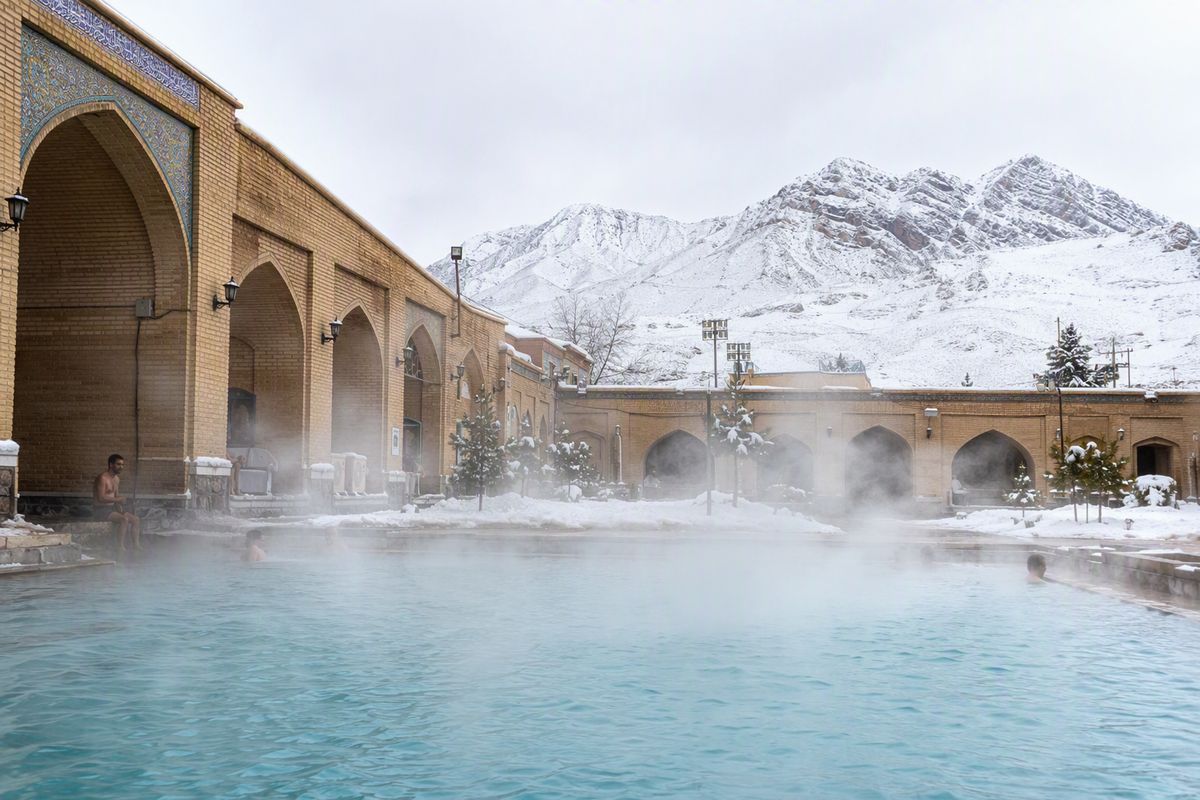
The town of Sareyn, located just a short drive west of Ardabil, is the undisputed highlight of any winter visit to the province. Known across Iran as the city of hot springs, Sareyn sits in a valley fed by geothermal activity linked to the volcanic system of Mount Sabalan. The mineral-rich water emerges from the ground at temperatures that can exceed 50 degrees Celsius, and the contrast of steaming outdoor pools against the surrounding snow creates one of the most memorable scenes in all of Iranian travel.
There are more than ten hot spring complexes in and around Sareyn, ranging from modest neighborhood baths to larger resort-style facilities with private pools, restaurants, and accommodation. The water is rich in minerals including sulfur, calcium, and magnesium, and has long been associated with therapeutic benefits for skin conditions, joint pain, and general relaxation. Several resorts offer the traditional bathhouse experience, where visitors follow a sequence of hot pools, steam rooms, and cool-down areas, much as bathers have done for centuries. In winter, the experience is heightened by the cold air on your face as you move between steaming pools, a sensation that is both invigorating and deeply soothing.
Many locals and seasoned travelers recommend visiting the springs early in the morning, before the complexes become crowded. The quiet of a Sareyn morning, with snow on the rooftops and steam curling upward into the gray sky, is an experience that stays with you long after you leave.
Alvares Ski Resort: Iran's Highest Slopes
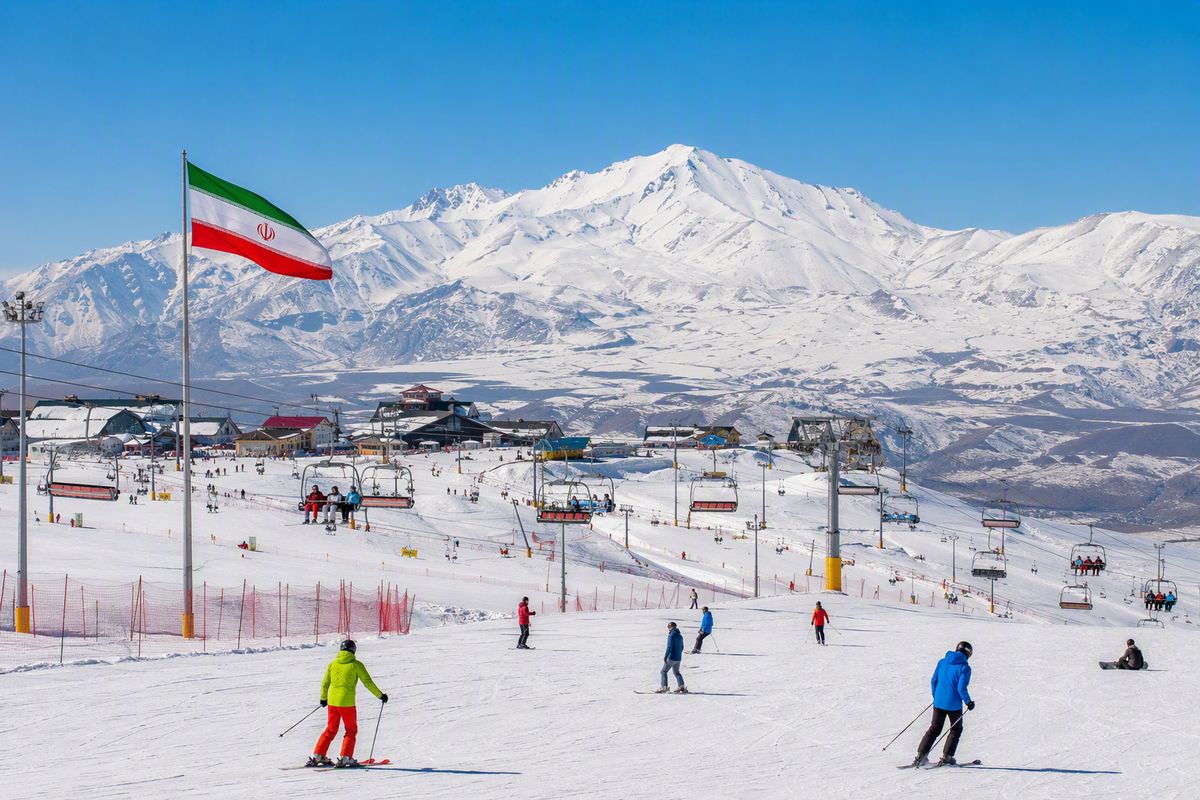
For those seeking active winter pursuits, the Alvares ski resort on the northern slopes of Mount Sabalan is one of Iran's premier destinations for skiing and snowboarding. Situated at an altitude that makes it one of the highest ski areas in the country, Alvares benefits from reliable snowfall throughout the winter season, which typically runs from late December through March. The resort offers slopes of varying difficulty, from gentle beginner runs to more challenging terrain for experienced skiers. Equipment rental and basic instruction are available on-site, making it accessible even for those with no prior experience.
The drive to Alvares from Ardabil passes through forests that, in winter, become tunnels of snow-laden branches. The views from the upper slopes, on a clear day, extend across the vast expanse of the Sabalan highlands, with the distant Caspian Sea sometimes visible to the north. After a day on the slopes, many visitors return to Ardabil or Sareyn for a warming soak in the hot springs, creating a perfect cycle of exertion and relaxation.
Shourabil Lake: A Frozen Gathering Place
Shourabil Lake, situated on the southwestern edge of Ardabil city, takes on a magical quality in winter. The lake freezes during the coldest weeks, and locals transform the icy surface into an informal skating area. Families gather at the lakeside, children play on the ice, and vendors sell hot drinks and traditional snacks from nearby stalls. The lake is surrounded by a park with walking paths, a small amusement area, and several cafés that offer views across the frozen water. Even for those not inclined to skate, a winter walk along the shore of Shourabil provides a peaceful escape from the bustle of the city center.
The lake area has been the subject of urban renewal in recent years, with improved paths, lighting, and public spaces making it an increasingly popular destination for residents and visitors alike. In the evenings, the reflection of city lights on the ice creates an atmospheric scene that photographers particularly appreciate.
Gavmish Goli and Other Natural Attractions
South of Ardabil, the Gavmish Goli mineral spring is a natural wonder that draws visitors even in the depths of winter. The water here emerges warm from the earth, and the surrounding landscape of rolling hills and snow-dusted fields offers a tranquil setting for a short winter hike. The spring is less developed than those at Sareyn, giving it a raw, unspoiled quality that appeals to travelers seeking a more off-the-beaten-path experience.
Beyond these main sites, the wider Ardabil province offers numerous opportunities for winter exploration. The forests of the Sarab district, east of Ardabil, are stunning under a blanket of snow, with oak and beech trees creating a winter wonderland that is ideal for nature walks and photography. The historic village of Khan Baba, with its traditional stone architecture, provides a glimpse into rural life in Azerbaijani Iran during the coldest months, when families gather indoors around samovars of hot tea and share stories of the past.
Winter Food and Culture
A visit to Ardabil in winter would be incomplete without sampling the region's hearty cuisine. The cold climate has shaped a culinary tradition built around warming soups, rich stews, and freshly baked bread. Ash-e doogh, a thick yogurt soup with herbs and meatballs, is a winter staple. Kebabs made from locally raised lamb, served with saffron rice and grilled tomatoes, are a particular treat after a cold day outdoors. The region is also famous for its honey, produced in the highland meadows around Sabalan, and for the sweet confection known as halvah, which is made in several varieties unique to Ardabil.
Winter in Ardabil also coincides with a quieter, more contemplative pace of life. The bazaars are less crowded than in summer, and the conversations in the tea houses move at a gentler rhythm. This is a season for slowing down, for enjoying the company of locals in the warmth of a bathhouse or a café, and for appreciating the stark beauty of a landscape shaped by snow and steam.
Practical Information for a Winter Visit
Getting There
Overnight trains and buses connect Ardabil with Tehran, departing in the evening and arriving early the next morning. From Tabriz, regular buses and shared taxis run daily, with the journey taking about three hours. In winter, some mountain passes may close temporarily during heavy snowfall, so it is important to check road conditions before departing. Private transfers arranged through your hotel or a local operator offer the most flexibility and comfort, particularly when traveling with ski equipment or visiting multiple sites in a single day.
What to Pack
Winter temperatures in Ardabil frequently drop below zero and can reach as low as minus 20 degrees Celsius during cold snaps. Warm layers, a windproof jacket, insulated boots, gloves, and a hat are essential. If you plan to visit the hot springs, bring a swimsuit and a towel, though most resorts provide these. For skiing at Alvares, thermal base layers and sun protection are recommended, as the high altitude means strong UV exposure even on cloudy days.
Best Time to Visit
December through February offers the best snow conditions for skiing and the fullest hot spring experience. January is typically the coldest month, with the most dramatic contrast between the freezing air and the steaming springs. Early March can bring milder weather and fewer crowds, though snow conditions at the ski resort may begin to soften.
Tips for Visitors
Book accommodation in Sareyn in advance during peak winter weekends, as the hot spring resorts are popular with domestic tourists from Tehran and Tabriz. Weekday visits are generally quieter and more affordable. If you plan to ski at Alvares, check the resort's operating status before traveling, as some lifts may close during periods of high wind or avalanche risk. Finally, take time to explore the city of Ardabil itself, including the UNESCO-listed Sheikh Safi al-Din complex, which is especially atmospheric in the quiet of a winter afternoon.