Kish Island has no shortage of glossy shopping malls. Air conditioned towers of brand boutiques and duty free perfume halls line the main boulevards, drawing visitors with neon signs and escalators. But step away from the modern retail strips and you will find something far more interesting. The Arab Market, also known as Bazar Arabha or Safin Market, sits quietly in the old Safin Town on the eastern side of the island. It has been trading since the early 1970s, and it still feels like a place where the real Kish happens.
Built in 1971 on a footprint of roughly 2,300 square metres, the Arab Market was one of the first purpose built commercial centres on the island. At a time when Kish was still a sleepy fishing outpost, this market served as the main supply point for islanders and visiting sailors from across the Persian Gulf. Arab dhows had been stopping at Kish for centuries, trading spices, textiles, and dates. The market gave those exchanges a permanent home, with brick arcades and covered stalls designed to shelter merchants from the brutal Gulf summers.
A Market Built for the Sea
The name "Arab Market" is not accidental. Kish Island has always sat at the crossroads of Arab, Persian, and South Asian maritime trade. For centuries before the market opened, the waters around Kish were busy with trading vessels from Oman, Bahrain, Kuwait, and the southern Iraqi ports. Local Arab families on the island, many of whom trace their roots to the western shore of the Persian Gulf, ran small shops and stalls long before the modern tourism era began. The market formalised that tradition.
Today, roughly 70 shops operate within the Arab Market. It is a modest number compared to the sprawling modern malls, but the density of the place is part of its charm. Narrow corridors connect one cluster of shops to the next, and the rhythm of bargaining is constant. Shopkeepers know their regulars. Visitors who return year after year say the same faces greet them, and the prices remain fair.
What to Buy at the Arab Market
The Arab Market specialises in goods that you will struggle to find in the duty free malls. Clothing is the dominant category, with shops selling everything from inexpensive abayas and jalabiyas to casual wear, scarves, and children's outfits. The clothing here tends to be priced lower than in the larger malls, making it popular with budget conscious shoppers and families buying for the whole household.
Cosmetics and personal care products form the second major category. You will find shelves of perfumes, oils, henna, and traditional beauty products that reflect the Gulf's long history of fragrance making. Some shops sell Indian and Emirati style attars, the concentrated oil based perfumes that have been a staple of Gulf commerce for centuries. These make excellent souvenirs, and the prices are often significantly lower than what you would pay in Dubai or Doha.
Bags, jewellery, and accessories fill the remaining shelves. The jewellery tends toward the elaborate gold and silver designs favoured in Gulf fashion, with intricate filigree work and coloured stones. Toys and household goods round out the selection. This is not a luxury market. It is a working market where islanders and visitors come to stock up on everyday items at reasonable prices.
Food stalls and small cafes are scattered throughout the market. You can grab fresh dates, local sweets, and spicy snacks between shopping stops. The food here is honest and inexpensive. A plate of balaleet, the sweet vermicelli dish popular across the Gulf, or a cup of strong Arabic coffee with cardamom will cost you almost nothing and give you a taste of the flavours that have defined Gulf hospitality for generations.

Architecture and Atmosphere
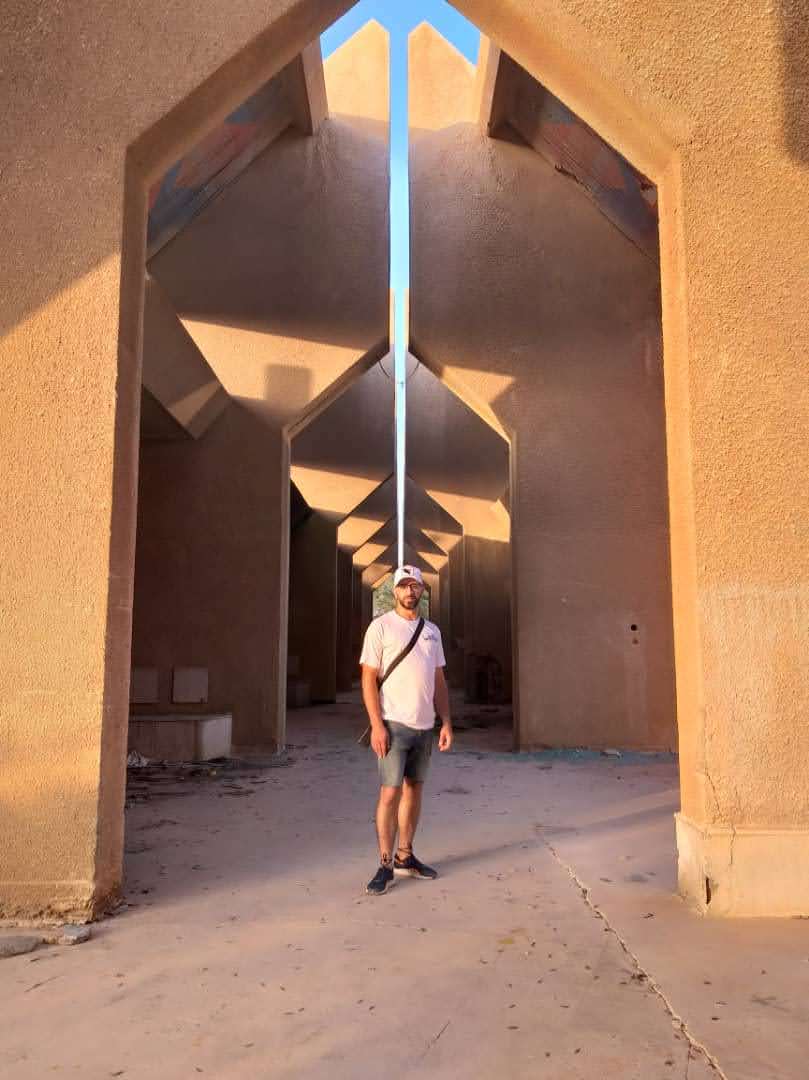
The Arab Market's brick architecture is its most distinctive feature. The low rise buildings, with their arched doorways and covered walkways, follow the vernacular building style of the southern Iranian coast. Thick walls keep the interior cool even in July, when temperatures outside can exceed forty degrees Celsius. The layout is simple but effective, with a central spine of corridors branching off into smaller alleys of shops.
The atmosphere inside the market is decidedly unhurried. There are no escalators, no electronic directory boards, no branded signage. What you get instead is the sound of negotiation, the smell of incense drifting from a perfume shop, and the occasional call to prayer echoing from a nearby mosque. It is a market that operates on human time, and that is precisely why people keep coming back.
Practical Information for Visitors
Getting there. The Arab Market is located on Peyambar Boulevard in Safin Town, on the eastern side of Kish Island. It is roughly a ten minute drive from Kish International Airport and about fifteen minutes from the main hotel zone along the southern coast. Taxis are readily available across the island, and the fare to the market from most hotels is modest. Many visitors combine a trip to the market with a stop at the nearby Kish Fishing Harbour, where you can watch the local catch being unloaded and buy fresh fish for your hotel to prepare.
Opening hours. The market typically operates in two shifts: morning from around 9:30 until 14:00, and evening from 17:30 until 23:00. The midday break is common in this part of the world, allowing shopkeepers to avoid the peak heat. Plan your visit for either the morning or the evening session. Evening visits are especially pleasant, when the market comes alive with locals doing their shopping after work.
Best time to visit. Kish Island has a subtropical desert climate, and summers are relentlessly hot and humid. The best months to visit the Arab Market, and the island generally, are November through March, when daytime temperatures hover around 25 degrees Celsius and the evenings are genuinely comfortable. If you visit in summer, go in the evening and stay hydrated.
Tips for shopping. Bargaining is expected and welcomed. Shopkeepers will quote an initial price, and a friendly counter offer is the normal course of business. Cash is king in the Arab Market. While some larger shops may accept card payments, many smaller stalls operate in cash only. Iranian rials are the standard currency, but some vendors also accept US dollars or UAE dirhams.
The Wider Context: Kish Island as a Free Trade Zone
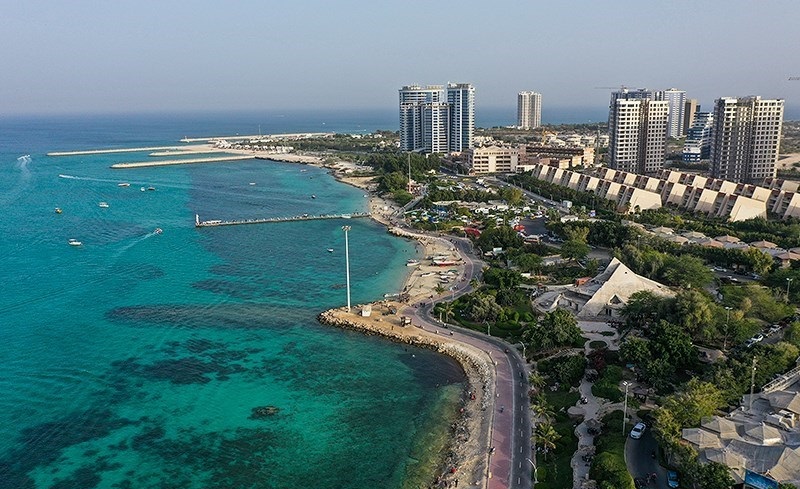
The Arab Market makes more sense once you understand the history of Kish Island itself. Kish has been a trading post for over two thousand years. Venetian explorer Marco Polo mentioned the island in his travel writings, describing its pearl fisheries and its position on the maritime routes connecting Persia to India and East Africa. In the twentieth century, the island was designated a free trade zone by the Iranian government, which triggered a wave of investment in hotels, resorts, and shopping infrastructure.
Today, Kish receives hundreds of thousands of visitors each year, drawn by its beaches, coral reefs, diving sites, and the tax free shopping that the free trade zone status enables. The Arab Market sits at the quieter end of this spectrum. It is not trying to compete with the luxury malls. Instead, it offers something those malls cannot: a direct connection to the island's past as a Gulf trading post, and a shopping experience that still feels genuinely local.
For travellers interested in the cultural side of Kish, the Arab Market is an essential stop. It takes only an hour or two to walk through, and the experience of browsing for spices and perfumes in a fifty year old brick market, surrounded by the sounds and smells of the Gulf, is something no modern mall on the island can replicate.