
What Makes Persian Cuisine Special
Persian cuisine is one of the great culinary traditions of the world, shaped by thousands of years of history, geography, and cultural exchange. It is a cuisine built on slow cooking, fragrant spices, and an almost poetic attention to the balance of flavors. Saffron gives dishes a golden color and a delicate aroma. Dried limes add a sour depth. Fresh herbs appear in quantities that would be unusual in most other cuisines. Rice is treated with reverence, cooked to achieve a crispy golden crust called tahdig that is often the most coveted part of the meal.
But what truly sets Persian food apart is its regional variety. Iran is a large country with diverse climates and ethnic groups, and each region has developed its own specialties. The rice dishes of Gilan and Mazandaran, in the humid north, are different from the meat-heavy stews of Azerbaijan in the northwest, which are different again from the seafood and spice cuisine of the Persian Gulf coast. Eating your way through Iran is not just a pleasure. It is an education.
The National Dishes You Must Try
Chelo Kabab
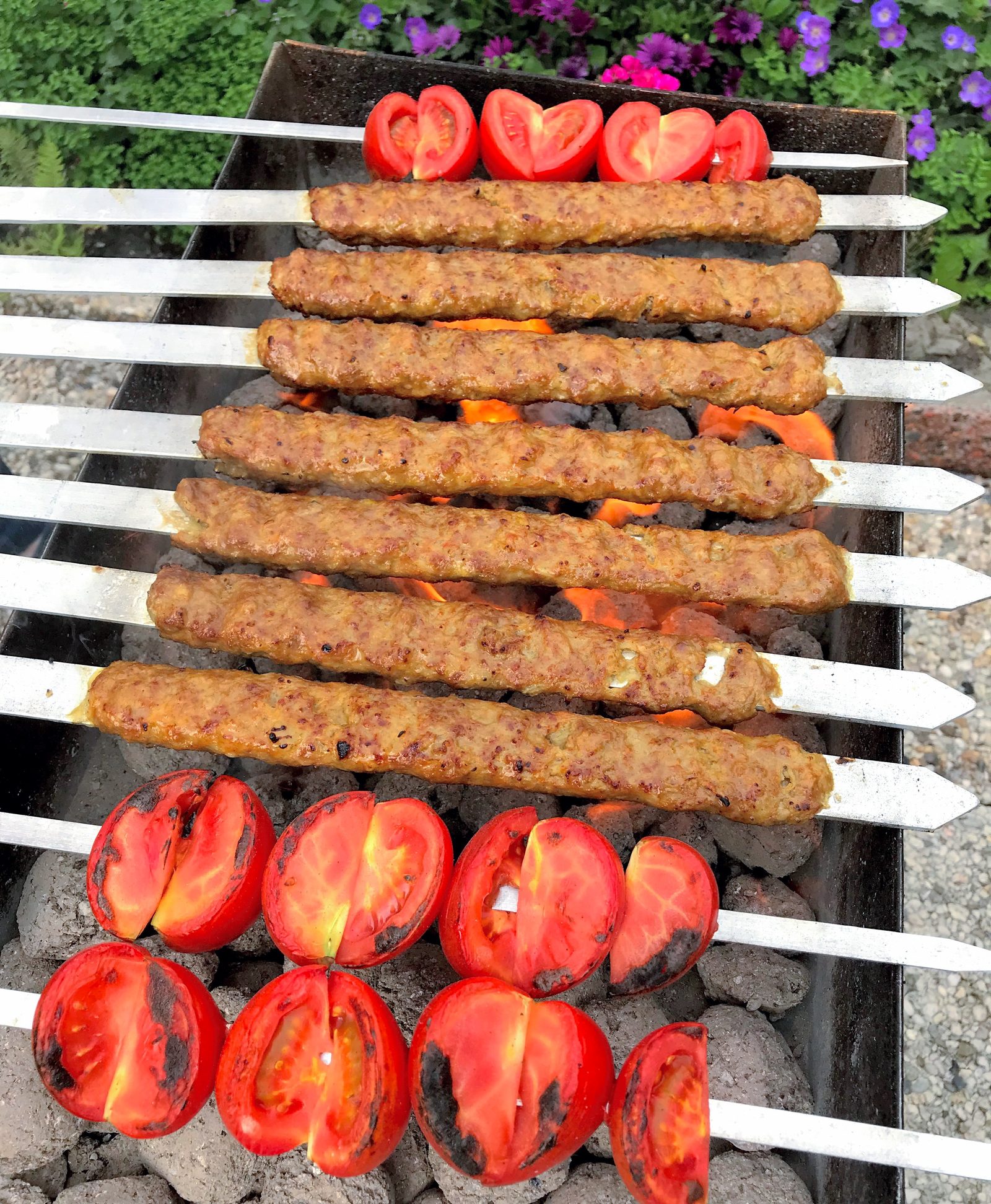
Chelo kabab is Iran's most iconic dish, and you will find it in every city. It consists of saffron-infused basmati rice served with grilled meat, usually koobideh, a blend of ground lamb or beef seasoned with onion and spices, molded onto flat skewers and cooked over charcoal. The rice is steamed to achieve a fluffy texture with a crisp, golden tahdig at the bottom. The kabab is served on top, accompanied by grilled tomatoes, a squeeze of fresh lemon, and a pat of butter that melts into the hot rice.
In Tehran, the best chelo kabab is found at traditional restaurants in the city center and the northern suburbs. In Isfahan, the Bazaar-e Bozorg area has several excellent kabab houses. In Shiraz, look for restaurants near the Vakil Bazaar.
Ghormeh Sabzi
Ghormeh sabzi is often called Iran's national dish, and for good reason. It is a slow-cooked stew of lamb, red kidney beans, and a generous amount of fresh herbs, primarily parsley, cilantro, and fenugreek, all dried and reconstituted to give the stew its characteristic deep green color and intense flavor. Dried limes are added whole, and they burst during cooking, releasing a sour note that cuts through the richness of the meat. The stew is served over white rice, and the combination of flavors is complex, deeply savory, and entirely satisfying.
Fesenjan
Fesenjan is a stew made with ground walnuts and pomegranate molasses, slow-cooked with chicken or duck until the sauce becomes thick and dark. The flavor is a striking balance of sweet and sour, with the tannic richness of the walnuts mellowed by the sharp fruitiness of the pomegranate. It is one of the most refined dishes in the Persian repertoire, and it is particularly associated with the northern provinces of Gilan and Mazandaran, where walnuts and pomegranates grow abundantly.

Abgusht (Dizi)
Abgusht, also known as dizi, is one of the most traditional and comforting dishes in Iranian cuisine. It is a slow-cooked stew of lamb, chickpeas, white beans, potatoes, tomatoes, and dried lime, prepared in individual clay pots called dizi. The broth is strained and served first, with pieces of flatbread torn into it. Then the remaining meat and vegetables are mashed into a thick paste called goosht koobideh and eaten with more bread. It is a dish that invites participation, and it is best enjoyed in a traditional restaurant where the pots arrive at the table still bubbling hot.
Regional Specialties by City
Tehran
Tehran is a melting pot, and its restaurants reflect every regional tradition in the country. However, the city has its own character. Chelo kabab is the signature dish, served at grand old establishments that have been perfecting their craft for decades. Ash reshteh, a thick noodle soup with kashk, whey, and herbs, is a popular winter dish. In the modern restaurants of northern Tehran, you will find innovative takes on classic dishes alongside international cuisine.
Isfahan
Isfahan is famous for its own variety of biryani, which is quite different from the Indian dish. Isfahani biryani is a compact patty of ground lamb, spices, and saffron, cooked in a shallow pan and served with bread. It is rich, intensely flavored, and unlike anything else. The city is also known for its gosfil, a sweet bread or pastry, and its particular style of kabab.
Shiraz
Shiraz gives its name to Shirazi salad, a refreshing mix of diced cucumber, tomato, onion, and dried mint dressed with lemon juice and olive oil. The city is also known for tahchin, a baked rice dish layered with chicken or lamb and saffron, and for kalam polow, a fragrant rice dish with cabbage, herbs, and meatballs. Shiraz's proximity to the Persian Gulf means that seafood dishes are more common here than in central cities.
Tabriz
Tabriz is famous for koofteh, large meatballs stuffed with herbs, split peas, and dried fruit, cooked in a rich tomato broth. The city's cuisine reflects its position in the Azerbaijani region, with influences from Turkish and Caucasian traditions. You will find more grilled meats, more use of yogurt, and a heartier, more robust style of cooking.

Bandar Abbas and the Gulf Coast
The cuisine of Iran's southern coast is the most distinct in the country. Fish and shrimp feature prominently, cooked with a blend of spices that reflects centuries of trade with India, Africa, and the Arab world. Ghalieh migou, a shrimp stew with coriander, fenugreek, and tamarind, is a signature dish of the region. The use of chili, tamarind, and coconut gives the food a tropical warmth that is a world away from the rice-and-meat dishes of the interior.
Dining Customs and Etiquette
Persian dining is governed by the principle of taarof, a complex system of politeness and hospitality. When you enter a restaurant, the host may insist that you sit in the best table, even if it is already occupied. When the bill arrives, there may be a genuine struggle to pay, with each guest insisting on treating the others. As a foreign visitor, you should be aware of these customs but not feel obliged to participate in every round of taarof. A polite decline is perfectly acceptable.
Meals are often served on a sofreh, a large cloth spread on the floor or a low table. Bread, herbs, and small dishes are arranged on the sofreh, and the main dishes are placed in the center. Everyone helps themselves, and it is considered good manners to serve others before yourself. Tea is served at the end of every meal, and it is often accompanied by sugar cubes, which are held in the mouth and sipped through.
In traditional restaurants, you will be expected to remove your shoes before sitting on the floor cushions. This is standard practice, and the restaurant will provide a clean area for your footwear.
Street Food and Snacks
Iran has a lively street food culture, particularly in the bazaars and around major squares. Falafel is popular in the south and west, influenced by Arab cuisine. Samboseh, fried pastries filled with lentils, potatoes, or meat, are a common snack. Ash, thick soups made with grains and legumes, are sold from street carts in the cooler months.
Fresh fruit is widely available and excellent quality. Pomegranates, persimmons, and melons are seasonal highlights. Nuts, especially pistachios, almonds, and walnuts, are sold roasted and salted from street vendors. Doogh, a yogurt-based drink flavored with mint and salt, is the standard accompaniment to meals and is available everywhere.

Practical Tips for Eating in Iran
Load your Mehyar Wallet before you start eating. Most restaurants accept card payment, and having a loaded wallet means you can tap to pay at any establishment, from street food stalls to fine dining. Open Mehyar and tap Wallet to check your balance and top up.
Ask for local recommendations. The best meals in Iran are often found in small, unassuming restaurants that locals frequent. Hotel staff, taxi drivers, and shopkeepers are usually happy to point you toward the best food in the area.
Try the traditional restaurants. Modern restaurants in Iran's cities serve excellent food, but the traditional establishments, with their floor seating, copper trays, and brass samovars, offer a dining experience that is as much about atmosphere as it is about food.
Pace yourself. Iranian meals are generous, and the pace of dining is relaxed. A proper meal can take an hour or more, and that is the intention. Do not rush. Order tea after the meal, sit back, and absorb the surroundings.
Be open to new flavors. Some dishes will be unfamiliar, but Persian cuisine is generally approachable. The use of spices is subtle rather than fiery, and the emphasis is on quality of ingredients and technique of preparation.
Drinks and Desserts
Tea is the national drink of Iran, and it is served at every meal and at every social occasion. Iranian tea is black, brewed strong, and served in glass cups so you can see the color. It is usually accompanied by sugar cubes, dates, or rock candy. In the Caspian provinces, tea is sometimes brewed with spices or herbs.
Coffee is available in modern cafes in the major cities, but it is not a traditional drink. If you are looking for a caffeine fix, tea is the local option.
For dessert, try faloodeh, a frozen dessert made from thin rice noodles mixed with rosewater and lime juice, originating from Shiraz. Bastani sonnati, traditional Persian ice cream, is made with saffron, rosewater, and pistachios, and is served between two thin wafers. Sholeh zard, a saffron rice pudding decorated with cinnamon and pistachios, is a popular sweet at religious gatherings and family celebrations.

For travelers coming to Iran for the first time, our guide to planning your first trip to Iran covers visas, money, SIM cards, and the essentials you need before heading out to eat. And since you will be paying for meals, taxis, and snacks throughout the day, our guide to paying in Iran as a foreign visitor explains how to set up a Mehyar wallet and tourist card so you are never stuck without local currency.
Plan Your Culinary Journey with Mehyar
Persian cuisine is one of the great rewards of traveling in Iran. It is varied, deeply flavorful, and rooted in a tradition of hospitality that makes every meal feel like a celebration. Whether you are eating chelo kabab in a grand Tehran restaurant, abgusht in a clay pot in a traditional Isfahan teahouse, or fresh shrimp on the Persian Gulf coast, you are participating in a culinary culture that has been refined over millennia.
Open Mehyar to start planning your culinary itinerary. Use the Planner to identify restaurants and food neighborhoods in each city you visit, Hotels to find accommodation near the best dining areas, and Taxi to arrange rides to and from restaurants. Whether you are exploring the street food of Tehran's bazaar or seeking out the finest koofteh in Tabriz, Mehyar's tools help you navigate the city with ease.
If you enjoy the flavors of Persian cuisine, you may also be interested in the regional food guides for specific cities: Isfahan, Shiraz, Tehran, and Yazd each have their own distinct culinary character, and together they paint a picture of Iran's extraordinary gastronomic diversity.