
For a first-time visitor, paying in Iran can feel like the one part of the trip nobody explained properly. You land with a wallet full of cards, and within an hour you discover that almost none of them work. The good news is that the system is not chaotic. It is simply local. Once you understand the two layers underneath it, one of cash and one of domestic card networks, everything from a taxi in Tehran to a saffron shop in Isfahan becomes straightforward.
This guide walks through that system honestly. It covers why international cards fail here, how much cash you should realistically carry, how exchange offices work, where tips and hotel payments fit, what the ATMs will and will not do, and how Mehyar Wallet gives you a card that actually functions inside the country.
Why your bank card does not work in Iran
Start with the plain fact, because it saves you a lot of confusion later. Visa, Mastercard, American Express, and every other international card network are not connected to Iran. This is not a matter of a shop choosing not to accept your card or an ATM being temperamental. The connection itself does not exist. Iran's banking system sits outside the international settlement rails, so a foreign-issued card has nothing to talk to when you insert it.
For you as a traveler, that has three concrete consequences. First, you cannot pay for a hotel, a meal, or an internal flight with your home card. Second, you cannot withdraw cash from any ATM, because the machines only recognize cards issued inside Iran. Third, you cannot receive a normal international transfer while you are here, and transfer services you may rely on elsewhere are not available.
This is why the older travel advice of "carry a backup card just in case" does not apply. Your backup card is dead weight. The real backup is a second source of money that works locally, and that is exactly the gap Mehyar Wallet is built to fill.
The rial, the toman, and the zeros
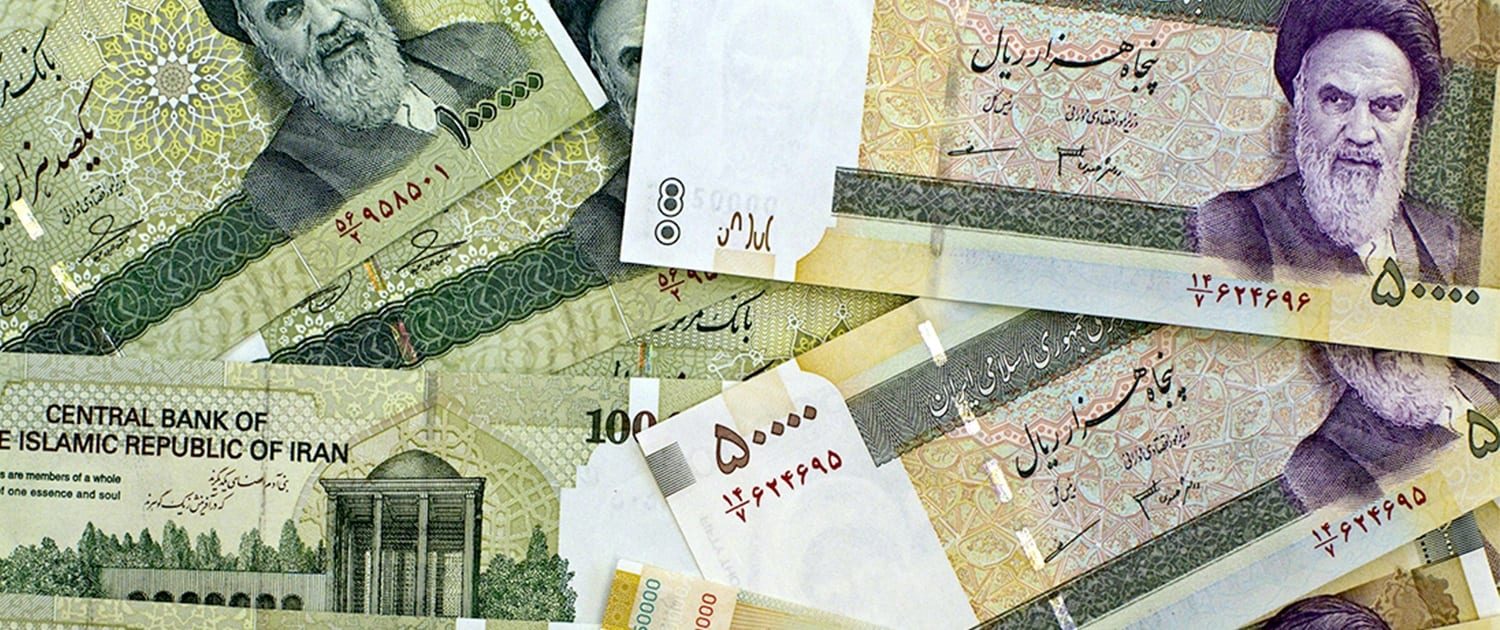
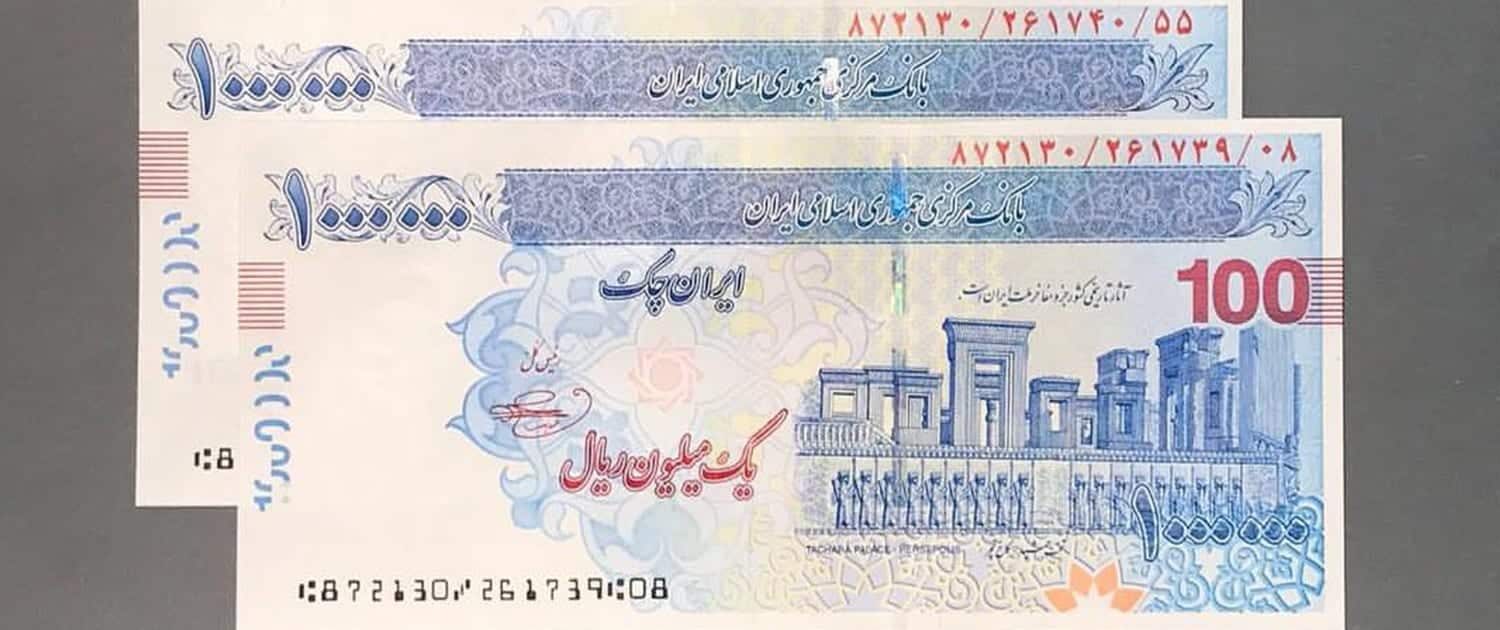
Iran's official currency is the rial, but in daily conversation almost nobody uses it. People speak in toman, and one toman equals ten rials. In practice, this means you mentally drop one zero from any figure you see written on a banknote or a receipt. A price written as 500,000 rials is spoken as 50,000 toman.
This trips up almost every visitor in the first two days, so treat it as a small skill to learn rather than a nuisance. When someone tells you a taxi costs 300, you should clarify whether they mean toman or rial, because the difference is tenfold. Ask politely and once, and the rest of the trip becomes much calmer. Keep a mental note of rough anchor prices, such as a short urban taxi ride or a simple lunch, and you will quickly develop a feel for what is reasonable.
Inflation has also changed the physical money. Small coins have effectively disappeared, and the notes in circulation now run from fairly modest amounts up to very large denominations. Do not be surprised if a routine purchase involves a thick stack of paper. This is normal, and it is one more reason a local card is worth having.
How much cash to bring, and in what shape
Because international cards are useless, the money you bring in your pocket is your real budget. The working assumption for most travelers is that you should arrive with your full expected spending in hand, plus a reserve of roughly fifteen to twenty percent for the unexpected: an extra night, a change of route, a medical cost, or a domestic flight bought at short notice.
Euros and US dollars are the most convenient currencies to bring. They are accepted at exchange offices everywhere and generally get the smoothest treatment. Other major currencies can usually be changed as well, but you may have more trouble with larger amounts, so converting to euros or dollars before you fly is a sensible step.
The condition of your banknotes matters more than most people expect. Money changers routinely turn down notes that are torn, heavily creased, written on, or from very old print runs. Bring clean, unmarked, relatively recent bills. Mixing some smaller denominations with larger ones gives you flexibility, since you will not always want to change a large note for a small purchase.
Spread your cash sensibly. Keep a modest amount for the day in one place and the bulk somewhere more secure, such as a hotel safe. Losing your entire travel budget in a single moment is the one scenario with no easy fix here.
There are also customs rules worth knowing. Bringing in very large amounts of cash may require declaration at the border, and leaving Iran with cash or bearer instruments above a threshold equivalent to ten thousand US dollars requires a currency declaration completed before departure. Rules in this area change, so confirm the current threshold and paperwork with your airline or an official Iranian source before you travel.
Exchange offices: how and where to change money
You cannot buy rials outside Iran in any practical way, so all your exchanging happens after you arrive. Exchange offices, often called sarafi, are the standard channel, and they exist in every city that sees visitors.
At the airport you will find an exchange counter, usually open around the clock. The rate there tends to be slightly worse than in the city, but it is perfectly reasonable to change a small amount on arrival so you have cash for a taxi, a SIM card, and a coffee. Then change the rest in town at a better rate.
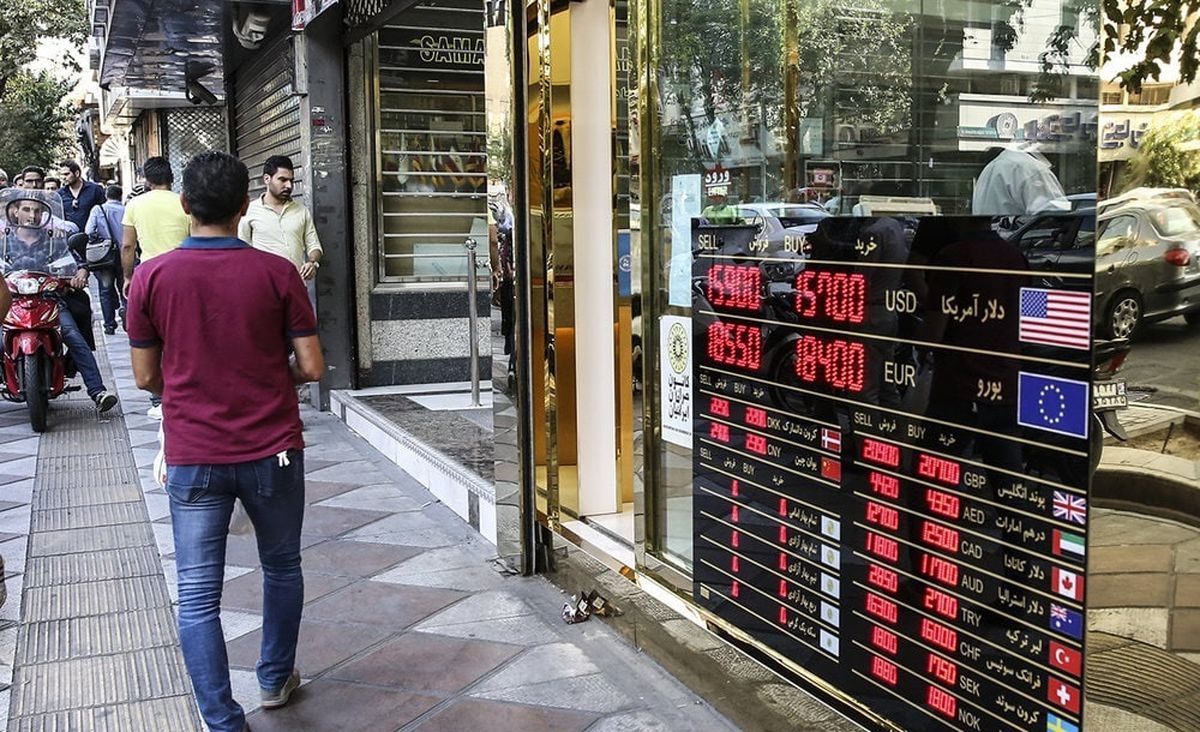
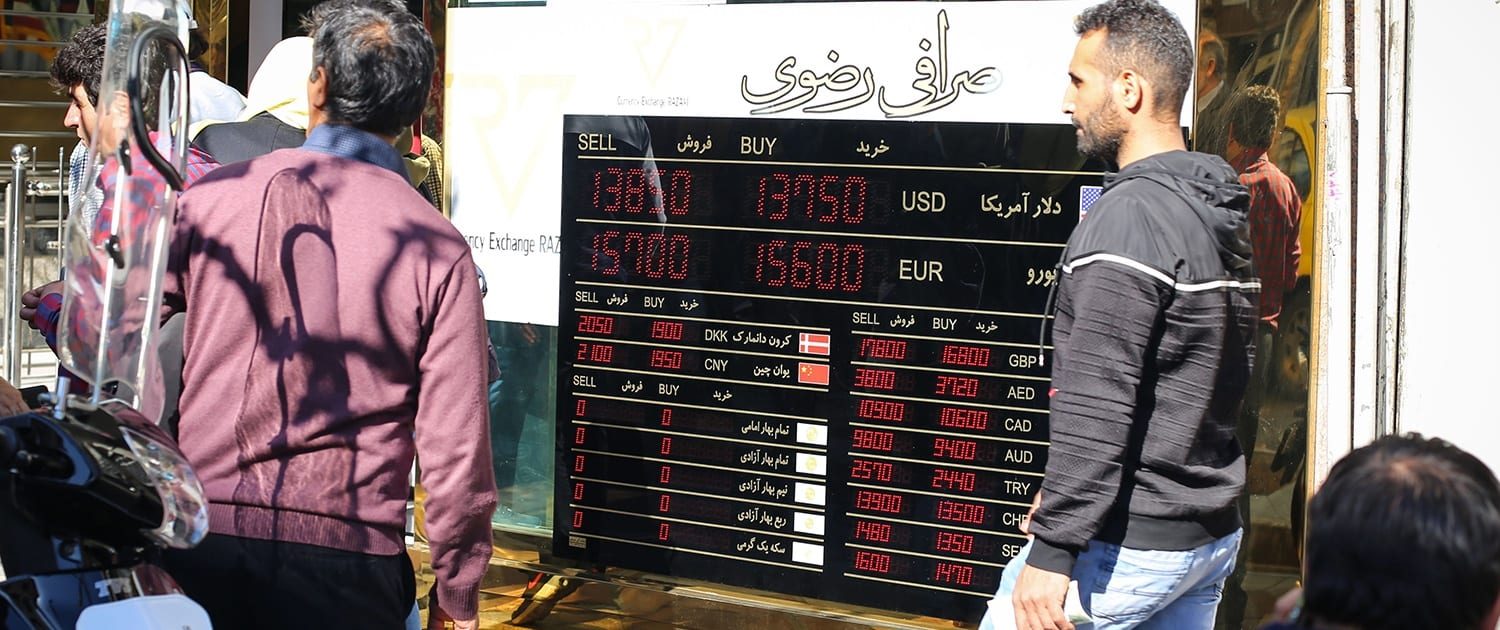
In the city, exchange offices display their rates on screens or boards, so you can compare before committing. As a rough orientation, Tehran concentrates its exchange activity around the Ferdowsi area, Isfahan has offices in the streets near the main bazaar and along Hakim Nezami, Shiraz clusters around Karim Khan and the Mali Abad area, and Yazd has offices along Imam Khomeini Street. Wherever you are, your hotel reception can usually point you to a reliable nearby office.
Two practical cautions. First, ignore anyone who approaches you on the street offering to change money. Counterfeit notes are a real risk, and there is no receipt and no recourse. Use a proper office and ask for a receipt. Second, keep in mind that exchange offices close on Fridays and public holidays and often shut by early afternoon on other days. Iran has a generous number of national holidays, so plan your exchanges a day or two ahead rather than on the morning you need the cash.
There are two rates you may hear about, an official one and a market one. The rate that actually applies to you is the market rate you see posted at exchange offices, not the figure that appears on general currency websites. Do not let an online conversion number mislead you.
Mehyar Wallet: a card that works inside Iran
Cash solves the fundamentals, but carrying a thick stack of notes through two weeks of travel is not ideal, and it makes you a more attractive target. This is where Mehyar Wallet earns its place in your planning.
The idea is simple. You top up your Mehyar Wallet with the foreign currency you already brought, and you receive a balance you can spend through the Mehyar app across the places that accept domestic card payments, which in Iran is nearly everywhere. Instead of counting notes at every counter, you tap or scan. Your remaining balance is yours to use or settle at the end of the trip, subject to the terms shown in the app at the time.
There are two clear advantages. The first is safety: you are no longer walking around with your entire budget in your pocket. The second is convenience, because the overwhelming majority of shops, restaurants, and taxis in Iranian cities are set up for local card payments, not for counting out change from a foreign visitor.
Set it up before you lean on it. Arrange your Mehyar Wallet in advance through the Mehyar app, and confirm the current top-up options, fees, and refund terms inside the app rather than relying on any figure you read elsewhere, since these details can change.
The honest framing is that Mehyar Wallet is a strong complement to cash, not a replacement for having some. Keep enough banknotes to cover several days in case of a technical delay or an area with limited coverage. Treat the wallet as your everyday tool and the cash as your buffer, and the two together cover almost every situation you will meet.
Paying for hotels, taxis, and meals
Hotels are the one category where you should think ahead. Many hotels that host international guests are accustomed to accepting payment in euros or dollars in cash, sometimes alongside rial. Rates quoted to foreign visitors are often in foreign currency, and larger properties may offer to settle part of the bill in cash and part by local card.
The cleanest approach is to book through Mehyar Hotels, where your stay is organized inside the same app you are already using for payments and transport. That reduces the number of separate cash negotiations you have to manage, and it keeps your bookings and your money in one place.
For getting around, use Mehyar Taxi. Rides are arranged and paid through the app, which removes the need to agree a fare in a language you may not share and removes the risk of being quoted a tourist price. This is far better than flagging a random car on the street. Outside the big cities, in small towns or on rural routes, app coverage may be thinner, and there a shared taxi or a hotel-arranged driver paid in cash is the normal fallback.
Meals follow the same pattern as shops. Most restaurants are set up for local card payment, so Mehyar Wallet works smoothly. Smaller establishments, tea houses in bazaars, and street food stalls often prefer cash, so keep some notes on you. When a menu lists prices, remember the rial and toman distinction, and if a bill seems ten times higher than expected, you have probably misread the unit rather than been cheated.
Tipping is modest by international standards and entirely optional. In restaurants, leaving a small amount of loose change or roughly five to ten percent for good service is a friendly gesture, and many Iranians simply round up. For taxi drivers, rounding up the fare is a common courtesy. Porters and hotel staff who help with luggage may appreciate a small note. There is no expectation of the large percentages common in some other countries, and nobody will chase you for a tip.
ATMs, banks, and what to expect
It is worth stating clearly, because travelers keep hoping otherwise: a foreign card will not work in an Iranian ATM. The machines dispense rials and read only cards issued on the domestic network. There is no combination of buttons that changes this.
Even for residents, cash availability has been strained in recent periods, with reports of branch withdrawal limits and ATMs sometimes running short of notes. For a visitor this matters mainly as a reminder not to depend on machines at all. Plan your cash and your wallet top-ups so that you are never in a position of needing an ATM to rescue you.
If you do find yourself short, the practical options are to visit a bank branch with your passport and see whether a currency exchange can be arranged, or to top up your Mehyar Wallet and use card payments instead. Neither is as fast as an ATM at home, which is precisely why the planning happens before you fly rather than during the trip.
A simple payment routine that works
Put together, the pattern for a comfortable trip looks like this. Before departure, arrange Mehyar Wallet and bring clean euros or dollars covering your expected spending plus a reserve. On arrival, change a small amount at the airport for immediate needs and rely on Mehyar Taxi to reach your hotel.
Once in the city, change the bulk of your money at a proper exchange office, keep a few days of cash accessible, and store the rest securely. Use Mehyar Wallet for everyday payments, Mehyar Hotels for your accommodation, and Mehyar Taxi for transport. Keep some notes for small vendors and tea houses. Top up the wallet when it runs low rather than carrying everything at once.
For the wider trip context, see our guide to a first trip to Iran, our article on internet, SIM, and apps, our notes on booking hotels and rides, and the Iran visa guide for travelers. Read them together and the logistics stop feeling like obstacles and start feeling like part of the journey.

Iran rewards travelers who arrive prepared rather than those who improvise at the payment counter. Bring the right cash, set up Mehyar Wallet before you land, and the money side of your trip becomes something you stop thinking about. Open Mehyar, top up your Wallet, and let the country take your attention instead.