
For travelers living in the Gulf, Iran is not a faraway dream. It is a short flight across the Persian Gulf, a place where the weekend can stretch into a genuine journey. A Friday morning departure from Dubai or Doha can put you in Tehran before lunch, and a Monday evening return can bring you home with a head full of bazaars, tea houses, and mountain views. The distance is small, but the cultural shift is enormous. This guide is written for GCC-based travelers who want to make the most of a long weekend in Iran without wasting time on logistics. It covers flights, visa rules, money, connectivity, and a flexible four-day plan that you can adjust to your own pace. Everything here assumes you will lean on Mehyar for bookings, payments, and transport, so you can spend your energy on the experience itself.

Where Does This Trip Take You?
The classic long-weekend route from the Gulf focuses on Tehran and Isfahan. Tehran is the gateway. It is where almost all international flights land, and it offers a dense mix of museums, palaces, and street life. Isfahan, a short domestic hop or a comfortable drive away, is the jewel of Persian architecture. Its covered bridges, tiled mosques, and vast central square have been drawing travelers for centuries. If you have a little more time, you can add Kashan or the desert edge, but for a four-day window, two cities are enough. Trying to see everything in one weekend is a recipe for exhaustion. Better to see a few things deeply than to race through a checklist.
How to Get There: Flights from the Gulf
Direct flights connect major Gulf hubs to Tehran and a few other Iranian cities. Dubai International Airport and Abu Dhabi International Airport both have frequent services to Tehran Imam Khomeini International Airport. Doha also has daily direct flights. Flight times are short. Dubai to Tehran is typically around two hours and twenty minutes. Doha to Tehran is just over two hours. Abu Dhabi to Tehran is similar. These are not long-haul flights. They are the kind of journey where you barely have time to settle in before the descent begins.
Airlines serving these routes include Emirates, flydubai, Qatar Airways, and others. Schedules can change, especially during regional tensions or seasonal adjustments, so it is worth checking your options a few weeks before travel. Prices vary widely. A return ticket from Dubai to Tehran can range from around AED 1,500 to AED 3,000 or more depending on the season, how far in advance you book, and whether you fly direct or with a stop. Peak season tends to be around January, while July and August are often cheaper because of the heat. If your dates are flexible, midweek departures are usually less expensive than weekend ones.
For booking, open Mehyar and use the Flights section to compare options and reserve your seat. Mehyar shows you available routes and prices in a clear format, so you can choose the flight that fits your schedule. If you prefer to fly into a different city, such as Shiraz or Mashhad, you can also find connections there, though Tehran remains the most convenient entry point for a short trip.
Visa Friction: What GCC Travelers Need to Know
One of the best pieces of news for GCC travelers is that citizens of several Gulf countries can enter Iran visa-free for tourism. According to announcements from Iran's Ministry of Foreign Affairs, holders of ordinary passports from the United Arab Emirates, Bahrain, Saudi Arabia, Qatar, and Kuwait are among twenty-eight nationalities that can stay in Iran for fifteen days without a visa, once every six months. This facility has been in effect since February 2024. The stay cannot be extended, and it is strictly for tourism purposes. If you want to stay longer or enter for business, you need to apply for a visa through an Iranian embassy or consulate.
For GCC residents who are not citizens of those countries, the situation is different. You will likely need a visa. The process usually involves applying online through the official Iranian visa portal or through an approved travel agency that can issue an invitation letter. You will need a passport valid for at least six months, a photo, and sometimes proof of accommodation and travel insurance. Rules can change, so always confirm the latest requirements before you book. The visa process can take a week or two, so start early if you need one.
It is also worth noting that some nationalities, such as those from the United States, United Kingdom, and Canada, face additional restrictions and must travel with a government-approved guide. If you hold one of those passports, your planning will look different. For most GCC-based travelers, however, the visa-free window makes a long weekend entirely feasible.
Money and Payments: Mehyar Wallet First
Iran operates on a cash-based economy in many ways, and foreign bank cards generally do not work. This is the single biggest practical hurdle for visitors. You cannot rely on your UAE or Qatari debit card at an Iranian ATM. You need to bring cash, preferably in US dollars or euros, and exchange it once you arrive. But there is a better way.
Mehyar offers a wallet designed for travelers. You can top up your Mehyar wallet before or during your trip and use it to pay for hotels, taxis, and other services within the app. This saves you from carrying large amounts of cash and from hunting for exchange offices. The Mehyar wallet is integrated with the rest of the app, so when you book a hotel or a taxi, the payment can go through your wallet balance. It is the simplest way to manage money in Iran without stress.
If you do need to exchange cash, you will find exchange offices in major cities. Rates can vary, and it is worth asking at your hotel or checking with your Mehyar app for guidance. Do not expect to use credit cards widely. Some larger hotels might accept them, but this is not reliable. Cash and your Mehyar wallet are your primary tools.
Staying Connected: SIM and Apps
Internet access in Iran is available, but it can be slow and sometimes restricted. Many international websites and apps are blocked, including some social media platforms. To stay connected, you will want a local SIM card. You can buy one at the airport upon arrival or at mobile phone shops in the city. The process usually requires your passport. Mehyar SIM, when available, offers a convenient option for travelers. You can arrange it through the app, and it gives you a local number and data package without the hassle of finding a shop.
Before you rely on your usual apps, check which ones work. Google services, including Maps, may be limited. It is a good idea to download offline maps and a VPN before you travel if you need access to certain sites. Your Mehyar app, however, is designed to work smoothly in Iran. Use it for navigation, bookings, and communication with service providers. The app also has a planner feature that can help you organize your days.
A Four-Day Itinerary: Tehran and Isfahan
This plan assumes you arrive in Tehran on a Thursday or Friday morning and depart on a Monday evening. Adjust the days to fit your own flight times.
Day 1: Arrival and Tehran's Heart
Land at Imam Khomeini International Airport. After immigration, you can pick up a local SIM if you have not arranged one through Mehyar. Then head into the city. The airport is about an hour's drive from central Tehran, depending on traffic. Open Mehyar and book a taxi through the Taxi section. This is the easiest way to get a fixed price and a comfortable ride. Alternatively, you can use the metro if you are arriving during the day and want to save money, but a taxi is more practical with luggage.
Check into your hotel. Mehyar Hotels can help you find and book a place that suits your budget, from simple guesthouses to five-star establishments. Once you have settled, spend the afternoon exploring the area around Ferdowsi Square or the Grand Bazaar. The bazaar is a labyrinth of copper shops, spice stalls, and carpet sellers. It is a good introduction to the city's commercial energy. In the evening, have dinner at a traditional restaurant. Try chelo kabab or dizi, a lamb and chickpea stew that you mash yourself. Then take a walk along Valiasr Street, one of the longest avenues in the Middle East, lined with plane trees and shops.
Day 2: Palaces, Museums, and the Mountain
Start your morning at the Golestan Palace, a UNESCO World Heritage Site and a former royal complex. The tiled facades and mirrored halls are stunning. From there, you can visit the National Museum of Iran if you are interested in archaeology and history. After lunch, head north to the Sa'dabad Complex or Niavaran Palace, both set in the foothills of the Alborz Mountains. The views of the city from up here are excellent, especially in the late afternoon light. If you have energy left, take the cable car up to Tochal. In the evening, go to Darband, a mountain village within Tehran known for its restaurants and tea houses along a stream. It is a great place to relax and people-watch.
Day 3: Isfahan, the Jewel
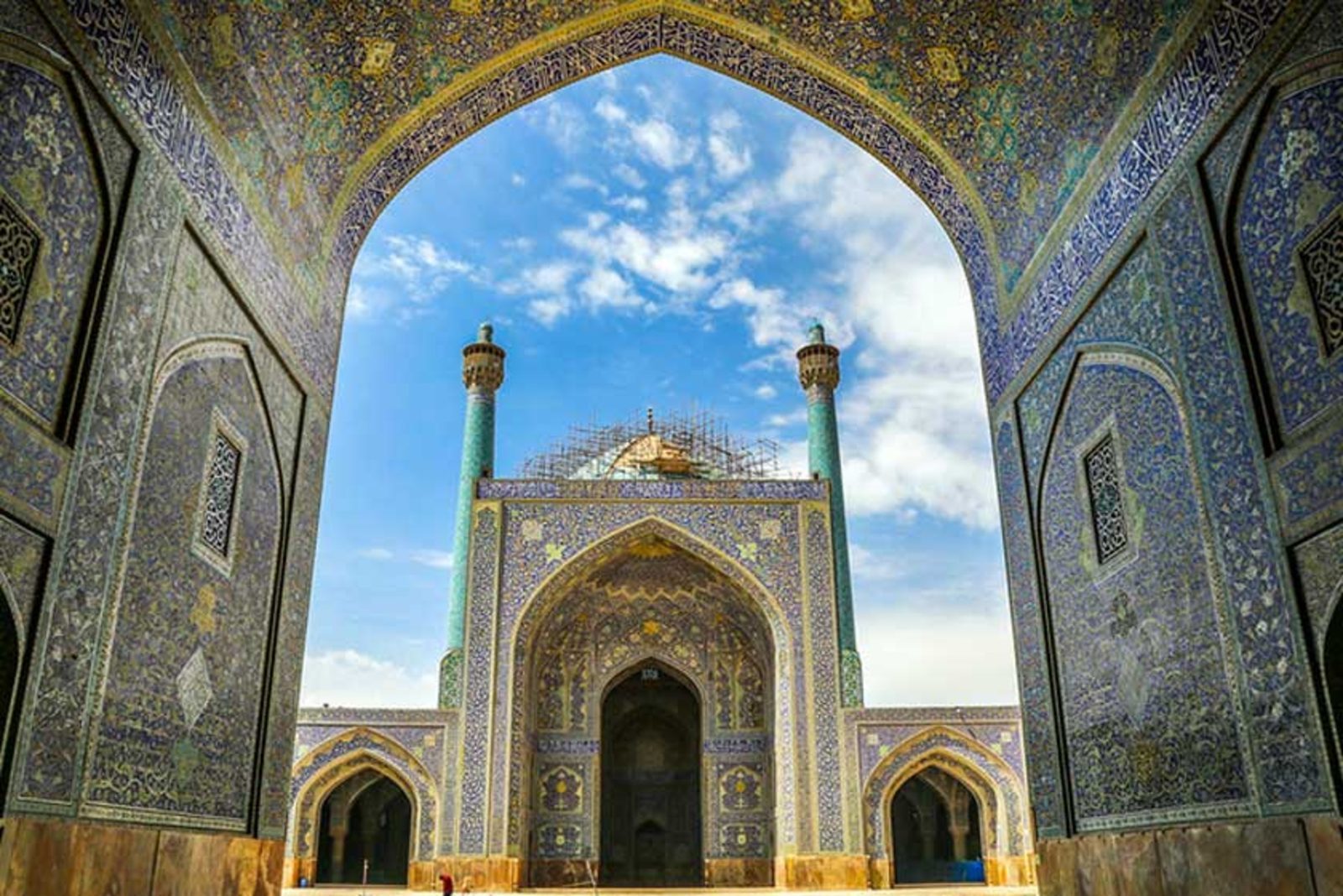
Take an early morning flight from Tehran to Isfahan. The flight takes about an hour. Book it through Mehyar Flights. Alternatively, you can drive, which takes about five hours, but for a short trip, flying is better. On arrival, check into your hotel. Then head straight to Naqsh-e Jahan Square, one of the largest public squares in the world and a UNESCO site. The square is surrounded by the Imam Mosque, the Sheikh Lotfollah Mosque, and the Ali Qapu Palace. The blue tiles and geometric patterns are breathtaking. Spend the afternoon exploring the square and the surrounding bazaar. In the evening, walk along the Zayandeh River and cross the Si-o-se-pol and Khaju bridges. The bridges are beautifully lit at night and are popular gathering places for locals.
Day 4: Isfahan's Gardens and Return
On your final day, visit the Chehel Sotoun Palace and its reflecting pool, then explore the Armenian Quarter and the Vank Cathedral, which has a fascinating mix of Islamic and Christian art. If you have time, the Jameh Mosque of Isfahan is another UNESCO site worth seeing. In the afternoon, fly back to Tehran and catch your international departure. If your flight leaves early the next morning, you might prefer to spend the last night in Tehran. Mehyar Taxi can handle your airport transfers in both cities.
Practical Notes on Weather, Dress, and Etiquette
The best time to visit Iran for a long weekend is spring or autumn. April and May are pleasant, as are September and October. Summer can be very hot, especially in Isfahan and the desert regions. Winter is cold in Tehran but mild in the south. Pack accordingly.
Dress code in Iran is modest. Women must cover their hair and wear loose clothing that covers the arms and legs. A manteau or long tunic with trousers is standard. Men should avoid shorts. These rules are not difficult to follow, and you will see plenty of stylish Iranian women who manage to look elegant within the guidelines. Respect local customs, and you will be welcomed warmly.
Tipping is not mandatory but appreciated. Taxi drivers and hotel staff may expect a small tip. Bargaining is common in bazaars, but not in shops with fixed prices. Always ask before taking photos of people, especially in religious sites.
Closing Thoughts
A long weekend in Iran from the GCC is not only possible, it is one of the most rewarding short trips you can take. The flight is short, the visa is straightforward for many Gulf citizens, and the cultural rewards are immense. With Mehyar handling your flights, hotels, taxis, and payments, you can focus on the experience. Start by opening the Mehyar app and exploring your options. The Persian Gulf has never felt so small.
For more detailed planning, see our guides on Iran visa for travelers, paying in Iran, and internet SIM and apps. You can also read our city guides for Tehran and Isfahan.