
Iran is a country of extraordinary depth, where every province holds sites that have shaped the course of human civilization. From the ruins of the Achaemenid Empire to the soaring bridges of Isfahan, from the poetic gardens of Shiraz to the snow-capped peaks of the Alborz mountains, the landscape of Iran is a living museum of art, architecture, and natural wonder. For Iranians, these places are more than tourist destinations. They are symbols of national identity, sources of cultural pride, and reminders of a heritage that stretches back thousands of years. This guide takes you on a journey through the most epic places in Iran, the landmarks that every Iranian knows and loves, and explains why each one holds such a special place in the heart of the nation.
Persepolis: The Throne of the Ancient World
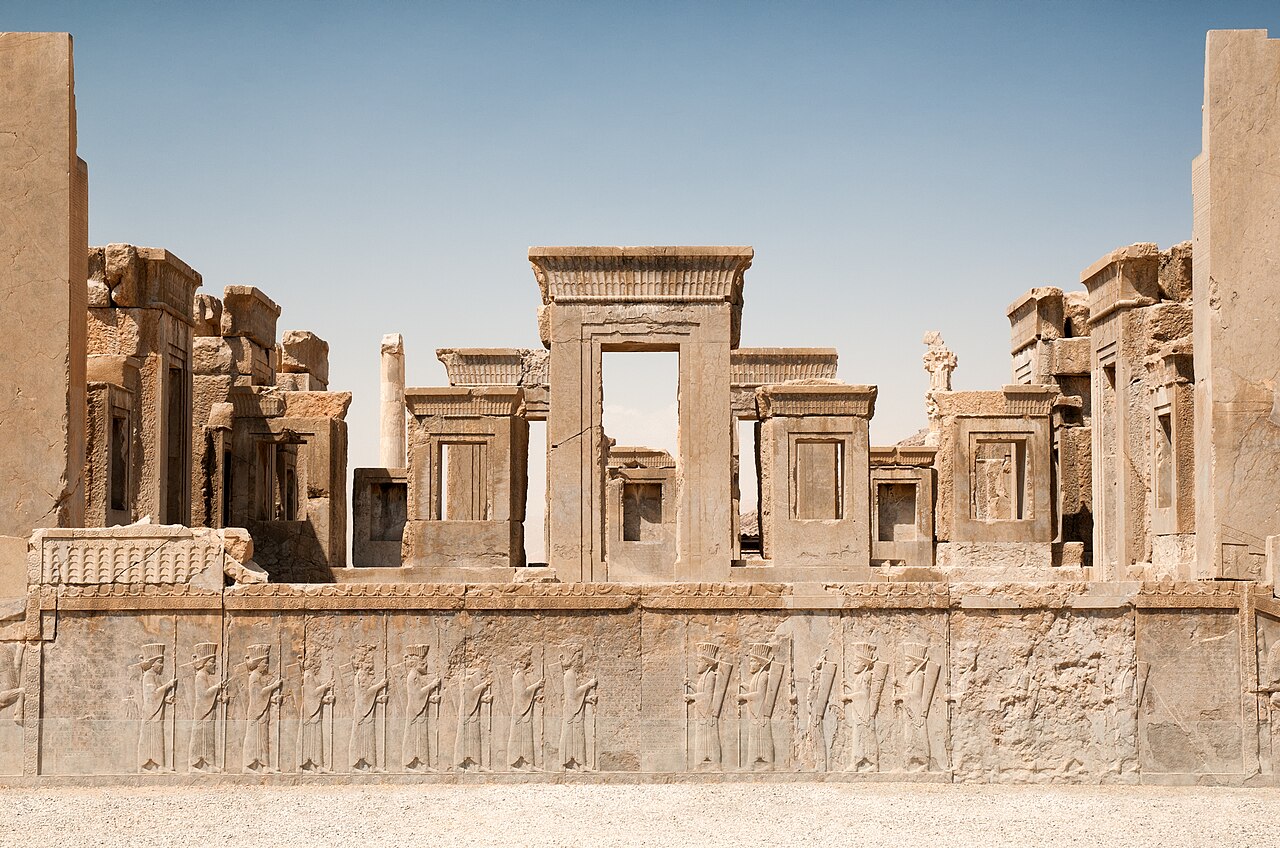
No list of places that Iranians are proud of can begin anywhere except Persepolis. Known in Persian as Takht-e Jamshid, this vast ceremonial complex was built by Darius the Great around 518 BC and served as the ceremonial capital of the Achaemenid Empire, the largest empire the world had ever seen at that time. The ruins sit on a massive stone terrace near modern-day Shiraz in Fars Province, and their scale still takes the breath away even after twenty-five centuries.
The Apadana Palace, with its forest of towering columns, was where delegations from every corner of the empire gathered to bring tribute to the King of Kings. The carved reliefs along the grand staircases show these delegations in their distinctive national costumes, bearing gifts from Ethiopia to India. For Iranians, Persepolis represents the moment when Iran stood at the center of world affairs, and the artistry of its stonework remains unmatched in the ancient world. UNESCO recognized Persepolis as a World Heritage Site in 1979, and it continues to be a place of deep emotional significance for Iranians of every background.
Isfahan: Half the World
The phrase "Esfahan nisf-e jahan" (Isfahan is half the world) is one of the most famous sayings in the Persian language, and anyone who visits the city understands why. The focal point of Isfahan's glory is Naqsh-e Jahan Square, one of the largest public squares in the world, built by Shah Abbas I in the early seventeenth century. Surrounded by the Shah Mosque (now Imam Mosque), the Sheikh Lotfollah Mosque, the Ali Qapu Palace, and the entrance to the Grand Bazaar, this square represents the pinnacle of Safavid urban planning and Islamic architecture.
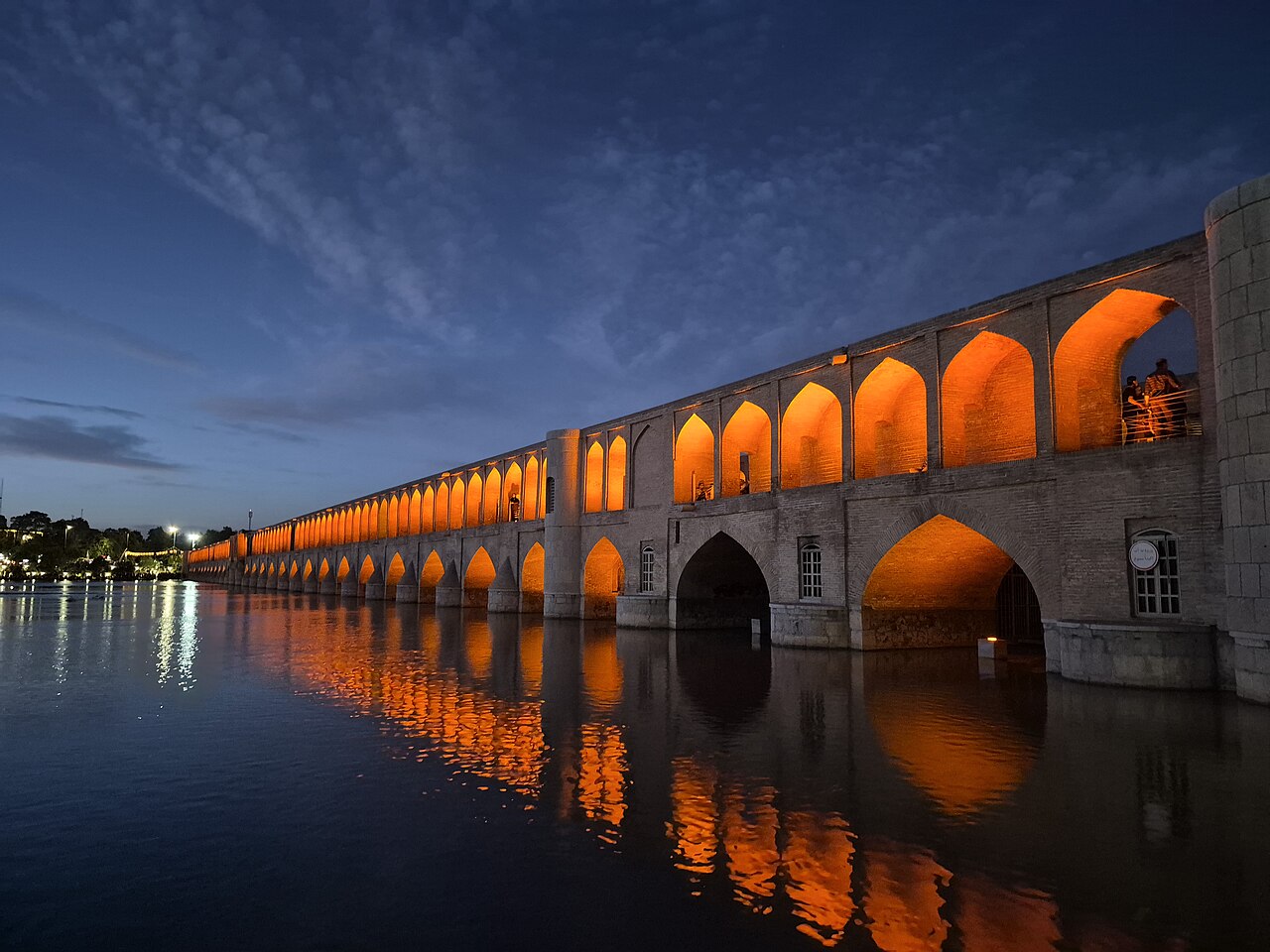
But Iranians are perhaps most proud of Isfahan's bridges, which cross the Zayandeh Rood river and have become symbols of the city's poetic beauty. Si-o-se Pol, the Bridge of Thirty-Three Arches, is the most famous. Built in 1602, it serves simultaneously as a bridge, a dam, and a social gathering place. On summer evenings, families stroll along its wide walkways, musicians play traditional instruments beneath its arches, and the reflection of the lights in the water creates one of the most romantic scenes in all of Iran. Khaju Bridge, slightly downstream, offers a similar experience with its beautiful tile work and the tradition of singing beneath its central arch, where the acoustics produce a haunting echo.

Shiraz: The City of Poetry and Gardens
Shiraz holds a unique place in Iranian culture as the city of poets, wine, and gardens. The great Iranian poets Hafez and Saadi are buried here, and their tombs are pilgrimage sites not only for literary enthusiasts but for ordinary Iranians who come to seek inspiration and solace. The tomb of Hafez, known as the Hafezieh, is particularly beloved. Designed by the French architect and archaeologist Andre Godard in the 1930s, the open pavilion sits in a tranquil garden and attracts visitors at all hours of the day and night. On the eve of Yalda, the longest night of the year, thousands of Shirazis gather at the Hafezieh to read Hafez's poetry and celebrate the tradition of his divination.
The gardens of Shiraz are equally iconic. Eram Garden (Bagh-e Eram), with its towering cypress avenue and the elegant Qajar-era mansion at the far end, is a UNESCO World Heritage Site and represents the ideal of the Persian garden as an earthly paradise. The concept of the pairidaeza, the walled garden that inspired the English word "paradise," originated in ancient Persia, and Eram Garden is its most beautiful surviving expression.
Damavand: The Sacred Peak
Mount Damavand, rising to 5,610 meters, is the highest peak in Iran and the highest volcanic peak in Asia. Located about 70 kilometers northeast of Tehran, this dormant volcano is visible from the capital on clear days, its snow-capped summit a constant reminder of the natural grandeur that surrounds the city. For Iranians, Damavand is far more than a geographical feature. In the Shahnameh, the great Iranian epic poem by Ferdowsi, Damavand is the site where the hero Faridun imprisoned the tyrant Zahhak. The mountain occupies a central place in Iranian mythology and national imagination.
Every summer, hundreds of climbers attempt the ascent, which typically takes two days from the base camp at Goosfandsara. The route passes through alpine meadows, rocky slopes, and finally the glacier-covered summit crater. Standing on top of Damavand, with the Caspian Sea visible to the north and the central desert stretching to the south, is an experience that connects the climber to millennia of Iranian history and legend.
Alamut: The Eagle's Nest
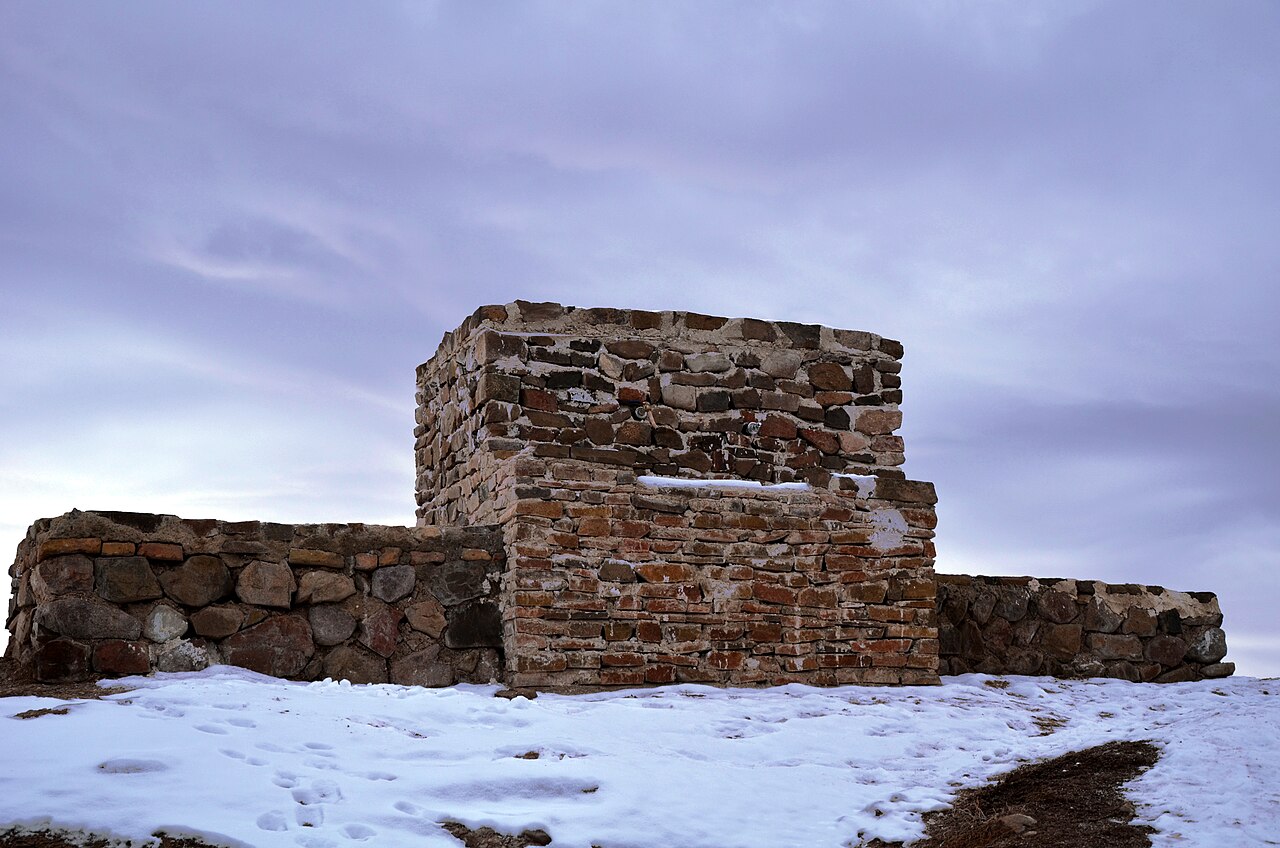
High in the Alborz mountains of Qazvin Province, the ruins of Alamut Castle cling to a rocky spur at an elevation of over 2,100 meters. Built in the ninth century and later famous as the headquarters of the Nizari Ismaili state under Hassan Sabbah, Alamut is one of the most dramatic historical sites in the Middle East. The approach to the castle, which involves a challenging hike through a narrow mountain valley, is itself an adventure, and the views from the summit across the surrounding peaks and valleys are spectacular.
For Iranians, Alamut represents the resilience and ingenuity of their ancestors. The story of Hassan Sabbah and his followers, who held out against the great Seljuk Empire from this seemingly impregnable fortress, has entered Iranian folklore as a tale of cleverness and determination. The surrounding Alamut Valley, with its cherry orchards, walnut groves, and traditional villages, has also become a popular destination for hikers and nature lovers from Tehran, making it a place where history and nature converge in one of Iran's most beautiful landscapes.
Yazd: The Windcatcher City
The ancient city of Yazd, a UNESCO World Heritage Site, is perhaps the most complete example of traditional desert urbanism in the world. Its skyline, bristling with badgirs (windcatchers) of every shape and size, is one of the most recognizable and photogenic cityscapes in Iran. Iranians take great pride in Yazd as proof that their ancestors solved the challenges of desert living with intelligence and beauty rather than brute force.
The Jameh Mosque of Yazd, with its pair of towering minarets adorned in blue and white tile work, is one of the finest examples of Persian Islamic architecture. The Dolat Abad Garden houses the tallest windcatcher in Iran, standing at over 33 meters, and its interior offers a remarkable demonstration of how natural ventilation can cool a building even when outside temperatures exceed forty degrees Celsius. The old quarter, with its narrow lanes, mud-brick walls, and hidden courtyard gardens, is a living neighborhood where people still reside and practice traditional crafts such as carpet weaving and silk production.
The Persian Gulf Islands: Kish and Qeshm
Iran's islands in the Persian Gulf hold a special place in the national consciousness as gateways to the wider maritime world that Iran has inhabited for millennia. Kish Island, with its coral beaches, duty-free shopping, and modern resorts, attracts millions of visitors each year and represents Iran's aspiration to be a modern, cosmopolitan destination. Qeshm Island, the largest island in the Persian Gulf, offers something different and arguably more profound. Its Geopark, recognized by UNESCO, features otherworldly landscapes of eroded rock formations, mangrove forests, and pristine beaches. The Valley of Stars (Setareh-kan) on Qeshm, with its strange sandstone pillars carved by wind and water over millions of years, is one of the most surreal landscapes in all of Asia.
For Iranians, these islands represent the connection between the Iranian plateau and the waters of the Persian Gulf, a body of water that has been a cradle of trade, culture, and civilization since the dawn of history. Visiting Kish or Qeshm is a reminder that Iran is not only a land of mountains and deserts but also a maritime nation with a coastline that has shaped the destiny of the region.
If this tour of Iran's epic places has inspired you to plan your own journey, explore our guides to the best time to visit Iran and Iran's most stunning architecture for practical advice on making the most of your trip.