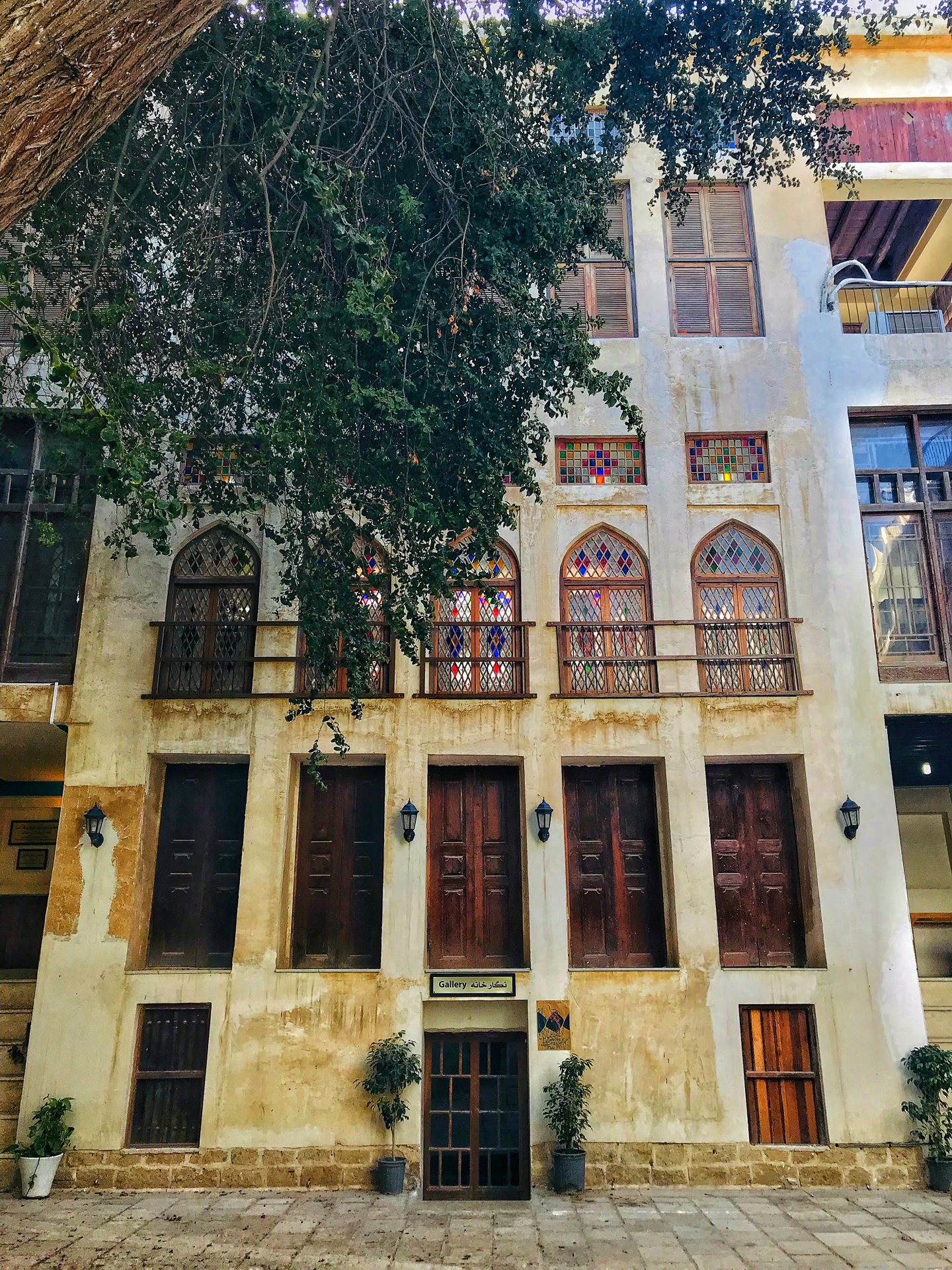
Walk through the old quarter of Bushehr and you will pass narrow lanes of whitewashed walls and weathered wooden doors. Then, between two unassuming facades, a grand portal opens onto a courtyard that belongs to another century. Tall brick columns frame a central eyvan, arched windows look down from an upper gallery, and the plasterwork above the entrance carries floral motifs so finely carved they look almost fragile. This is Dehdashti Mansion, known in Persian as Emarat-e Dehdashti, and it is one of the finest surviving merchant houses on Iran's southern coast.
Dehdashti Mansion was built during the late Qajar period by a wealthy local merchant whose family traded across the Persian Gulf. Bushehr was then one of Iran's most important port cities, a place where goods from India, the Arab states, and Europe passed through customs houses and into the caravans that headed inland to Shiraz and Isfahan. The merchants who grew rich on this trade built houses that reflected their wealth, and Dehdashti Mansion is among the most ambitious of them. The building combines elements of traditional Persian domestic architecture with influences absorbed from across the Gulf, a combination that makes it distinctive even among the other historic houses of Bushehr.
This guide explains where the mansion sits in Bushehr, how to reach the city, what to look for inside, the best time to visit, and how to fit the mansion into a day of exploring the old town and the waterfront. It is written for travelers who want to understand the building and the world that produced it, not merely to check it off a list.
Where is Dehdashti Mansion?
Dehdashti Mansion stands in the historic centre of Bushehr, the capital of Bushehr Province on Iran's southwestern coast along the Persian Gulf. The city sits on a narrow peninsula that juts into the gulf, and the old quarter occupies the central portion of this peninsula, within easy walking distance of the waterfront. The mansion's official address is Bushehr Province, Bushehr, Dehdashti Alley, off Shahid Beheshti Street. The alley itself is a short walk from the main commercial streets of the old town.
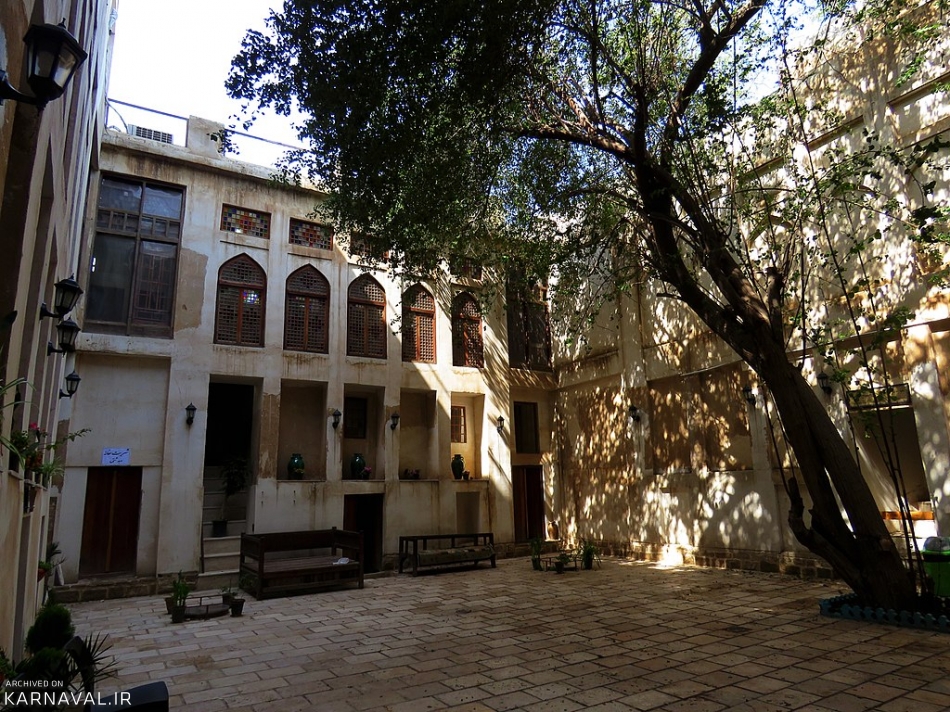
The location is significant. Bushehr's historic merchant quarter was always oriented toward the port and the sea. The families who built here made their fortunes from maritime trade, and their houses faced inward toward courtyards while their public facades turned toward the lanes that led to the customs house and the harbour. Dehdashti Mansion follows this pattern. Its exterior walls are relatively plain, designed to keep the heat out and the privacy of the family intact. The decoration is reserved for the interior, where courtyards, windcatchers, and reception halls create a microclimate of cool air and visual richness.
The peninsula on which Bushehr sits is roughly twelve kilometres long and three to four kilometres wide at its broadest point. The old town, where the mansion is located, occupies roughly the central third. Everything is within walking distance once you are inside the quarter, though taxis are available for those who prefer not to walk in the summer heat.
How to get to Bushehr
Bushehr is served by Bushehr Airport, also known as Bushehr International Airport, located about ten kilometres southeast of the city centre. Domestic flights connect Bushehr to Tehran, Isfahan, Shiraz, and a handful of other Iranian cities. Flight time from Tehran is roughly an hour and fifteen minutes.
For those who prefer ground transport, Bushehr has an intercity bus terminal with regular services to Shiraz, Ahvaz, Isfahan, and Tehran. The road from Shiraz to Bushehr covers roughly three hundred kilometres and takes about four hours by car. From Ahvaz, the distance is roughly four hundred and thirty kilometres and the drive takes five to six hours along the coastal road that runs through Khorramshahr and Abadan before swinging east toward Bushehr.
Open Mehyar and choose Buses to compare departures from major cities to Bushehr. The bus is the most affordable option and runs daily on most major routes. For travelers who value speed and comfort, Mehyar Flights offers connections from Tehran and other hubs to Bushehr Airport. From the airport, Mehyar Taxi will take you the remaining ten kilometres to the old town in about twenty minutes.
If you are traveling from Shiraz, which is the most common starting point for visitors to Bushehr, you can also arrange a private taxi through Mehyar. The drive follows a scenic route through the Zagros foothills before descending to the flat coastal plain where Bushehr sits. The road is well paved and the journey is comfortable, though summer temperatures can exceed forty degrees Celsius, so plan accordingly.
A short history of Dehdashti Mansion
The mansion takes its name from the Dehdashti family, a prominent merchant family of Bushehr who made their fortune in the nineteenth and early twentieth centuries. Bushehr was Iran's primary port on the Persian Gulf during the Qajar period, and the families who controlled the import and export trade built some of the most impressive private architecture in the country.
The exact construction date of the mansion is not definitively recorded, but architectural historians place it in the late Qajar period, likely the late nineteenth or very early twentieth century. The building reflects the commercial prosperity of Bushehr during this era, when the city handled a significant share of Iran's overseas trade. Goods from Britain and India arrived at the port, were stored in the caravanserais of the old town, and then sent inland via the routes to Shiraz and beyond.
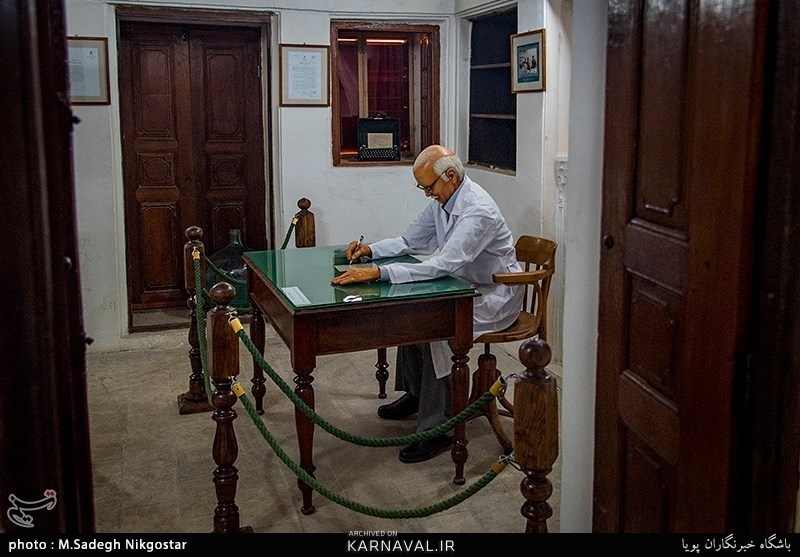
The Dehdashti family, like other Bushehr merchant families, maintained a household that served both as a private residence and a place for receiving business associates and hosting guests. The reception halls of the mansion were designed for this purpose, with tall ceilings, decorative plasterwork, and stained-glass windows that signaled the family's wealth and taste. The living quarters on the upper floor and in the side wings were more private, reserved for the family and their domestic staff.
After the decline of Bushehr's commercial importance in the mid-twentieth century, as other ports grew and the old trade routes shifted, many of the city's grand houses fell into disrepair. Dehdashti Mansion was among those that suffered neglect, but it has since been recognized as a property of national heritage value. Restoration work has been carried out by Iran's Cultural Heritage Organization, and the mansion is now open to visitors as a house museum and cultural space.
What to see inside
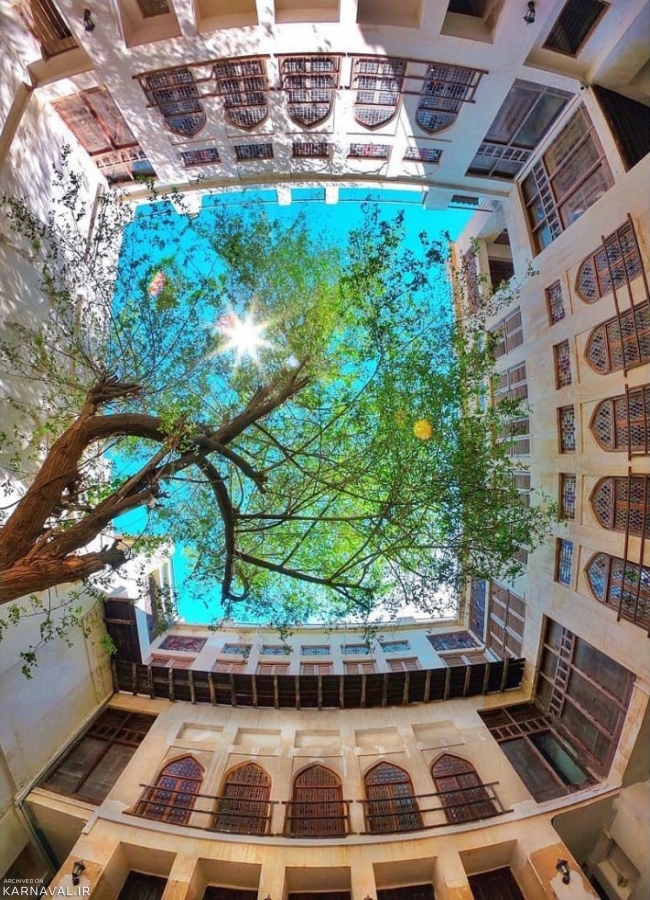
The mansion follows the classic plan of a Persian merchant house: a central courtyard surrounded by rooms on two or more levels, with a dominant eyvan on the south or north side. The main entrance leads through a narrow corridor that turns before reaching the courtyard, a device known as a hashti that prevents outsiders from seeing directly into the private space. Once you pass through this corridor, the courtyard opens up and the full scale of the mansion becomes apparent.
The ground floor rooms around the courtyard were used for storage and service. The upper floor, reached by a staircase on one side of the courtyard, contains the reception halls and the family quarters. The main reception room is the highlight of the visit. It features tall arched windows with plaster frames, decorative niches set into the walls, and a ceiling decorated with painted and moulded plaster. The stained-glass windows, where original glass survives, cast coloured light across the room in the afternoon sun.
The plasterwork is the mansion's most distinctive decorative feature. Unlike the tilework that dominates Safavid architecture in Isfahan, Qajar-era buildings in southern Iran relied heavily on carved and moulded plaster for interior decoration. The motifs at Dehdashti include floral patterns, geometric borders, and occasional figurative elements that reflect the cosmopolitan tastes of a merchant family with connections across the Gulf.
The windcatchers, or badgirs, rise above the roofline and are a functional as well as visual element. Bushehr's climate is hot and humid for much of the year, and the windcatchers channel breezes down into the living spaces below. They are a characteristic feature of architecture throughout the Persian Gulf coast, from Bushehr to Bandar Abbas and beyond.
Best time to visit
Bushehr has a hot, humid subtropical climate. Summer temperatures regularly exceed forty degrees Celsius, and the humidity along the coast makes the heat feel even more intense. Visiting in summer is possible but uncomfortable, particularly for walking around the old town.
The best time to visit Bushehr, and to see Dehdashti Mansion at its most pleasant, is between late October and early April. During these months, daytime temperatures range from the low twenties to the low thirties, and the evenings are comfortable. The winter months of December and January are the coolest, with occasional rainy days.
If you are planning a longer trip along Iran's southern coast, combining Bushehr with a visit to the historic island of Qeshm or the port of Bandar Lengeh, the same window applies. The Persian Gulf coast is at its most agreeable in the Iranian winter, and the light in the early morning and late afternoon is superb for photography.
Hours and tickets
Dehdashti Mansion is open to visitors as a cultural site managed by the local heritage authority. Opening hours typically run from morning until late afternoon, though the exact schedule can vary by season and by local events. There is usually a small admission fee, which contributes to the maintenance of the building. It is advisable to check current hours before your visit, as heritage sites in Iran occasionally close for restoration work or official functions.
Photography is generally permitted inside the mansion, though tripods and professional equipment may require prior permission. The interior is dim in some rooms, so a camera with good low-light performance will serve you well.
Nearby sights in Bushehr
Dehdashti Mansion is not the only historic building in Bushehr worth visiting. The old town contains several other Qajar-era merchant houses, as well as the old customs house, the Russian Memorial House (a remnant of the Russian consular presence in the nineteenth century), and the waterfront promenade along the Persian Gulf.
The Bushehr Bazaar, located a short walk from the mansion, is a working market rather than a tourist attraction. It sells spices, dried fish, textiles, and household goods, and it gives a vivid sense of the commercial life that built the merchant houses in the first place. The bazaar is at its busiest in the morning, when fishermen and traders bring in their goods.
The coastal promenade along the Persian Gulf offers a pleasant walk in the cooler hours of the day. From the old town, it is a ten-minute walk to the water's edge, where you can watch the dhows and fishing boats that still use the harbour. The sight of the sea from Bushehr, with its flat horizon and evening light, is one of the quiet pleasures of the city.
For travelers continuing south along the coast, Mehyar Buses and Mehyar Taxi can arrange onward transport to Bandar Lengeh, Qeshm Island, or Kish Island. The coastal road is long but scenic, and the towns along the way each have their own character and history. A journey along Iran's Persian Gulf coast is one of the less-traveled routes in the country, and Dehdashti Mansion is a fitting place to begin it. For more on southern Iran's coast, see our guide to [Bushehr's waterfront heritage](../drafts/abshar-aj-ramsar.en.md) and the [Persian Gulf islands](../drafts/aali-qapu-of-isfahan.en.md).