
A Tower That Keeps Time with the Sun
On the southern edge of Tehran, in the ancient city of Rey, stands one of Iran's most extraordinary medieval structures. Tughrol Tower rises some twenty meters above its surroundings, crowned not by a dome but by twenty-four battlements arranged in a pattern that, it turns out, functions as a solar calendar and a timekeeping device. Built during the Seljuk period, the tower has been variously described as a tomb, an observatory, and a landmark for Silk Road travelers. What is certain is that no other structure from eleventh-century Iran combines architectural ambition with astronomical precision in quite the same way.

Who Was Tughrol Beg?
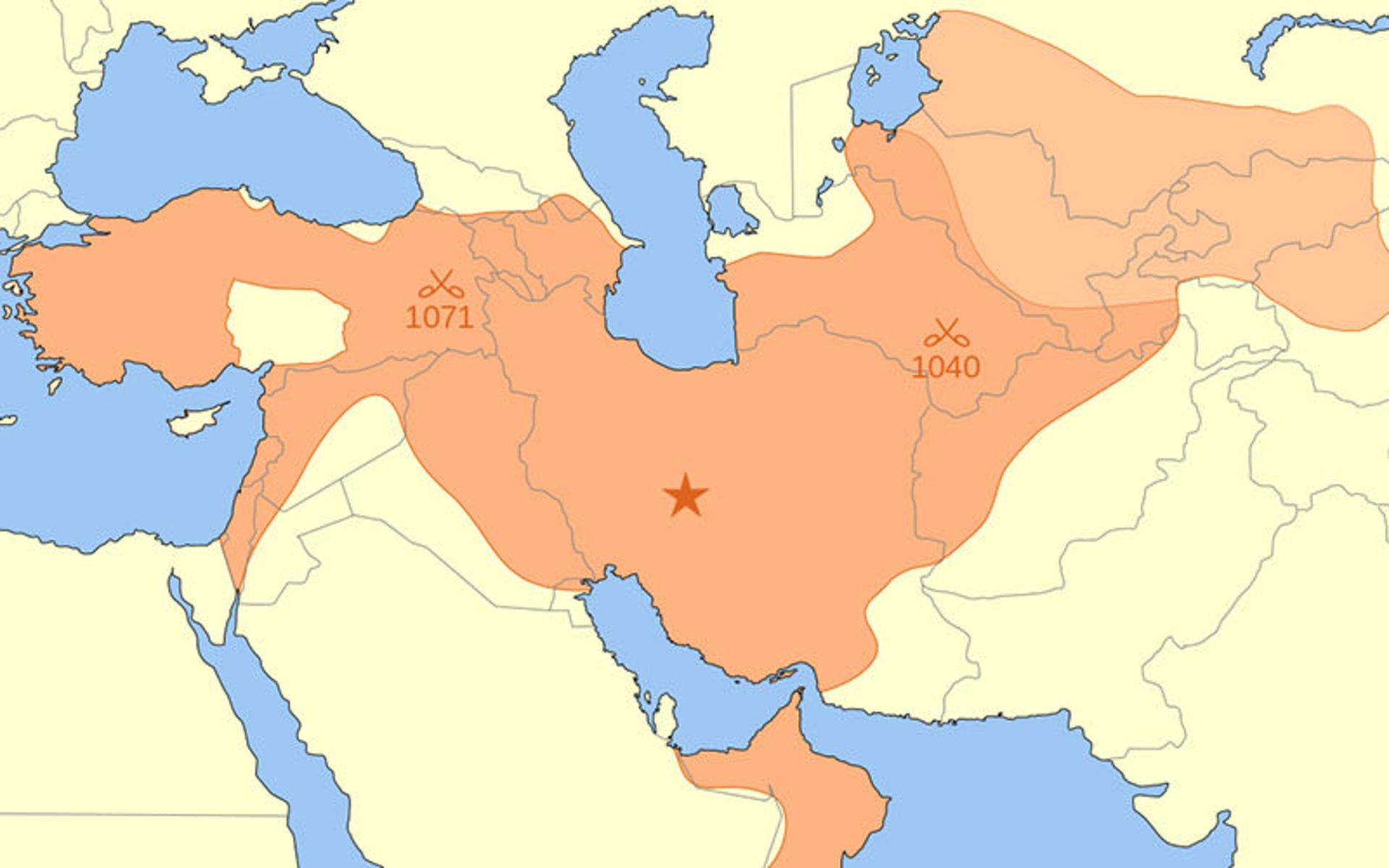
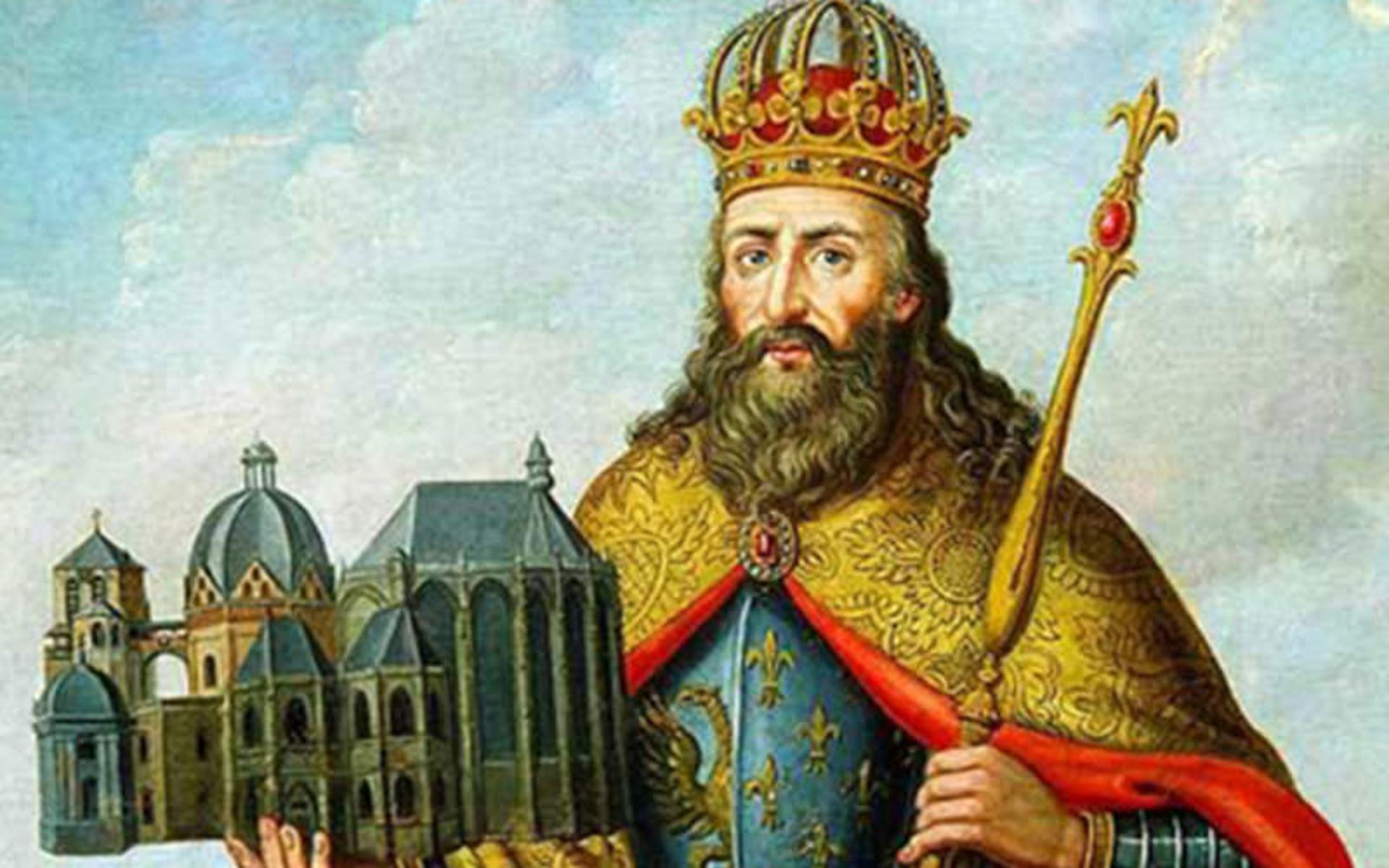
To understand the tower, one must first understand the man whose name it bears. Tughrol Beg, whose full name was Rukn al-Din Abu Talib Muhammad ibn Mika'il ibn Seljuk, was the founder of the Seljuk Empire and the first Seljuk ruler to be formally crowned as sultan. He was a Turkmen chief of the Oghuz branch, whose people had originally grazed their herds on the steppes around the Aral Sea and the Caspian littoral. By the early fifth century AH (eleventh century CE), the Seljuk confederation had begun moving southward into the territories of the Khwarazmshahs and the eastern Iranian plateau.
The Ghaznavid Sultan Masud attempted to resist this migration but was defeated at the Battle of Dandanqan in 431 AH (1040 CE), a victory that opened the path into Khorasan and beyond. In 429 AH, Tughrol entered Nishapur, one of the great intellectual capitals of the Islamic world, and was proclaimed sultan. He adopted the regnal name Muhammad and received formal recognition from the Abbasid Caliph in Baghdad, cementing his authority as the dominant military and political force in the eastern Islamic world.
Tughrol's achievements extended far beyond conquest. With the help of his capable vizier Amid al-Mulk Kondori, who some scholars rank alongside the legendary Nizam al-Mulk Tusi, he established administrative systems that brought stability to a vast realm. In 433 AH, he entered the city of Rey and made it his capital, favoring it over the older centers of power. Under Seljuk rule, Persian was restored as the official court language after centuries of Arabic dominance, and agriculture, trade, and learning all flourished.
Tughrol died in Ramadan 455 AH at approximately seventy years of age, after twenty-six years of rule. He was buried in Rey, in a location that many believe corresponds to the tower that bears his name.
The Tower: Architecture and Astronomical Genius
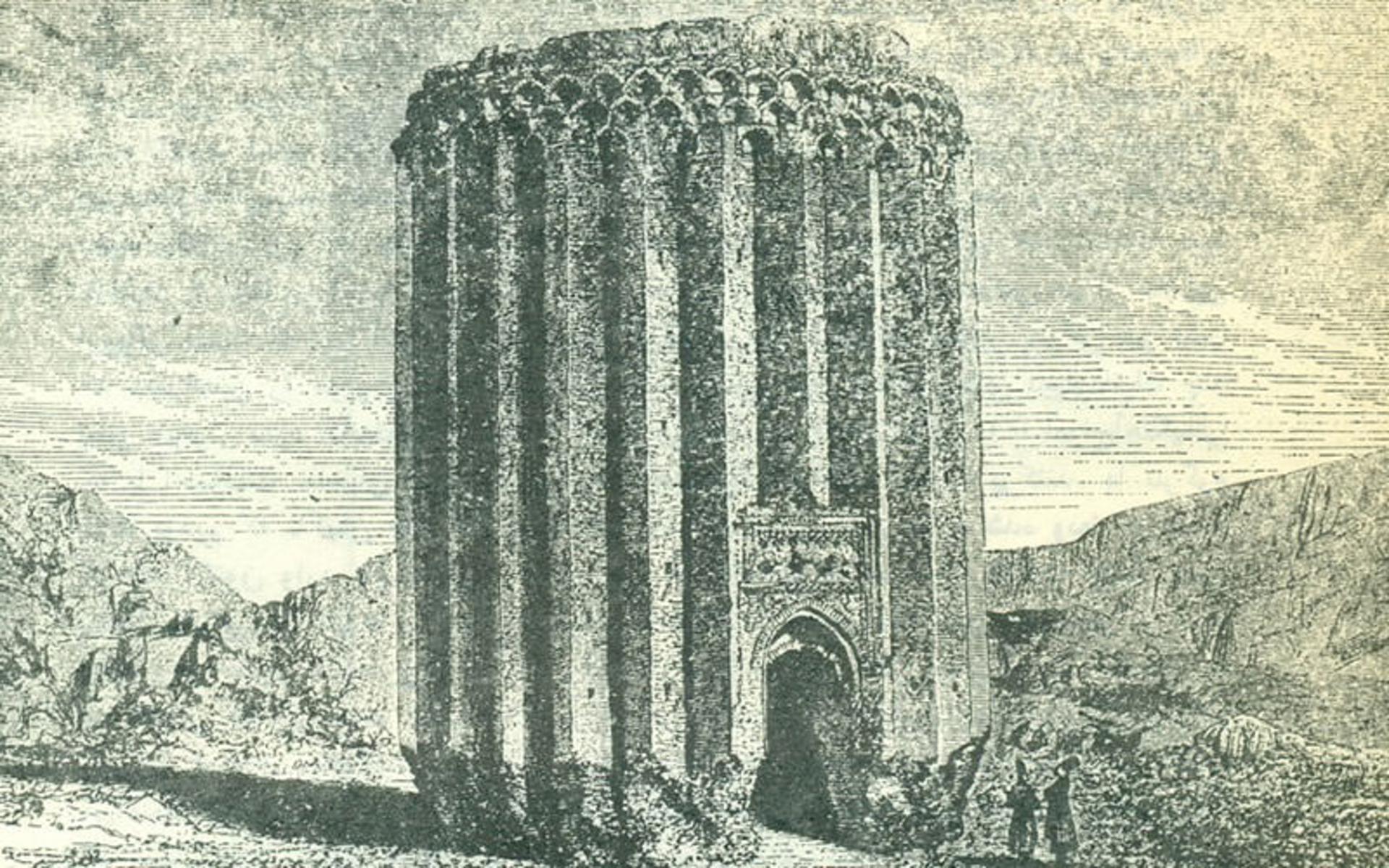
The tower itself is a cylindrical brick structure approximately twenty meters in height, not counting the conical cap that once surmounted it but has since disappeared. Its walls are pierced by narrow windows and decorated with alternating bands of brickwork that create geometric patterns visible from a distance. The exterior presents twenty-four acute-angled battlements that, when viewed from the entrance, resemble the open mouth of a lion.
The most remarkable feature of the tower is its function as a solar instrument. Each of the twenty-four battlements corresponds to a specific position of the sun. At sunrise, the light falls on the eastern battlement, and as the hours pass, successive battlements are illuminated. By midday, when the sun reaches its zenith directly above the tower's southern face, the shadow cast by the lintel above the entrance falls precisely on a decorative element above the doorway, indicating the moment of the noon prayer. In winter, when the sun sits lower in the sky, its rays pass directly through the southern door into the center of the tower at noon.
As the sun descends toward the western horizon, the illumination shifts to the western battlements in reverse order. By observing which battlements are lit, a skilled observer could determine the time elapsed since sunrise or since noon with considerable accuracy. This is not merely decoration. It is, in effect, a sundial built into the fabric of a building, and one of the most sophisticated examples of applied astronomy in medieval Islamic architecture.
Scholars have noted that the word "borj" (tower) in Persian and Arabic also refers to the zodiacal constellations through which the sun passes over the course of a year. The tower's design, with its careful attention to solar angles and seasonal variation, may encode a calendar function as well as a daily timekeeping one.
The Debate Over Who Lies Within

Not everyone agrees that Tughrol Beg is actually buried in this tower. The question has been debated by historians and archaeologists for generations. The seventeenth-century compilation Majma al-Tawarikh states that "Sultan Tughrol Beg died in the city of Rey and his tomb is there," which supports the identification. The Turkish historian Faruk Sumer also places Tughrol's burial at this site.
Other authorities offer alternatives. Some suggest the tower is the tomb of Khalil Sultan, a Timurid prince from the fifteenth century. The scholar Mohammad Mohit Tabatabbai believed it was the resting place of Ibrahim Khawas, a Sufi figure, and was himself buried near the tower after his death in 1992. Yet another tradition attributes the structure to Fakhr al-Dowla, the Buyid ruler of Rey. The uncertainty reflects the lack of an inscription definitively identifying the occupant, and it may never be fully resolved.
What is not in dispute is the tower's age and its significance as a Seljuk monument. Its construction techniques, its brick patterns, and its astronomical design all point firmly to the Seljuk period, regardless of whose remains it shelters.
Restoration and Preservation
The tower has undergone several major restorations over its long history. The first recorded intervention took place in 1301 AH, during the thirty-fifth year of Naser al-Din Shah Qajar's reign. The Shah ordered his prime minister Amin al-Soltan to oversee the work, which was carried out by Abu al-Hasan Khan Memarbashi, the court architect. A marble plaque was installed above the entrance commemorating the restoration. While this intervention saved the structure from imminent collapse, it also removed some of the original Kufic inscriptions and fine decorative details that had characterized the Seljuk workmanship.
After the 1979 Revolution, the tower fell into neglect for several years. In the early 1990s, a serious restoration campaign began, and by 1998 to 1999 the work was completed. The Tehran Municipality's Cultural Zone 20 has since been developing the surrounding area, transforming it into a two-hectare complex that includes a cultural center, library, museum, and restaurant. The goal is to make the tower not just a historical curiosity but a living civic space that draws visitors from across greater Tehran.
Getting There and Visiting
Tughrol Tower is located in the city of Rey, just east of the Ibn Babawayh cemetery, and is easily accessible from central Tehran. Rey is effectively a southern district of greater Tehran, reachable by the Tehran Metro (Line 1, Shahed station) or by a short taxi ride from the city center. The drive from central Tehran takes roughly thirty minutes in normal traffic, though Friday and holiday traffic can add significant time.
The tower is open to visitors during daylight hours, and the best time to appreciate the solar timekeeping mechanism is around noon, when the interplay of light and shadow is most dramatic. The surrounding complex is still under development, but the basic facilities for visitors are in place. For those traveling to Iran and spending time in Tehran, the tower offers a half-day excursion that combines history, architecture, and a genuine sense of how medieval Iranian scientists integrated observation with construction. Mehyar can arrange transport and include the site in a greater Tehran itinerary that also covers the Golestan Palace, the Grand Bazaar, and the National Museum.
Why Tughrol Tower Matters
Beyond its function as a tomb or a landmark, Tughrol Tower represents a moment in Iranian history when the Seljuk dynasty invested seriously in science, architecture, and the Persian cultural revival. The Seljuks made Persian the language of court and administration, reversing centuries of Arabization in the eastern Islamic world. They patronized scholars, built madrasas, and created the conditions in which figures like Omar Khayyam and Nizam al-Mulk could flourish.
The tower itself is a physical expression of that spirit: a structure that honors a great ruler while encoding astronomical knowledge in its very walls. For travelers who appreciate the intersection of art and science, it offers something that few other monuments in the region can match. And for anyone interested in the Seljuk legacy, it stands as the most tangible surviving link to the man who transformed a nomadic confederation into one of the most powerful empires the Islamic world had seen.