
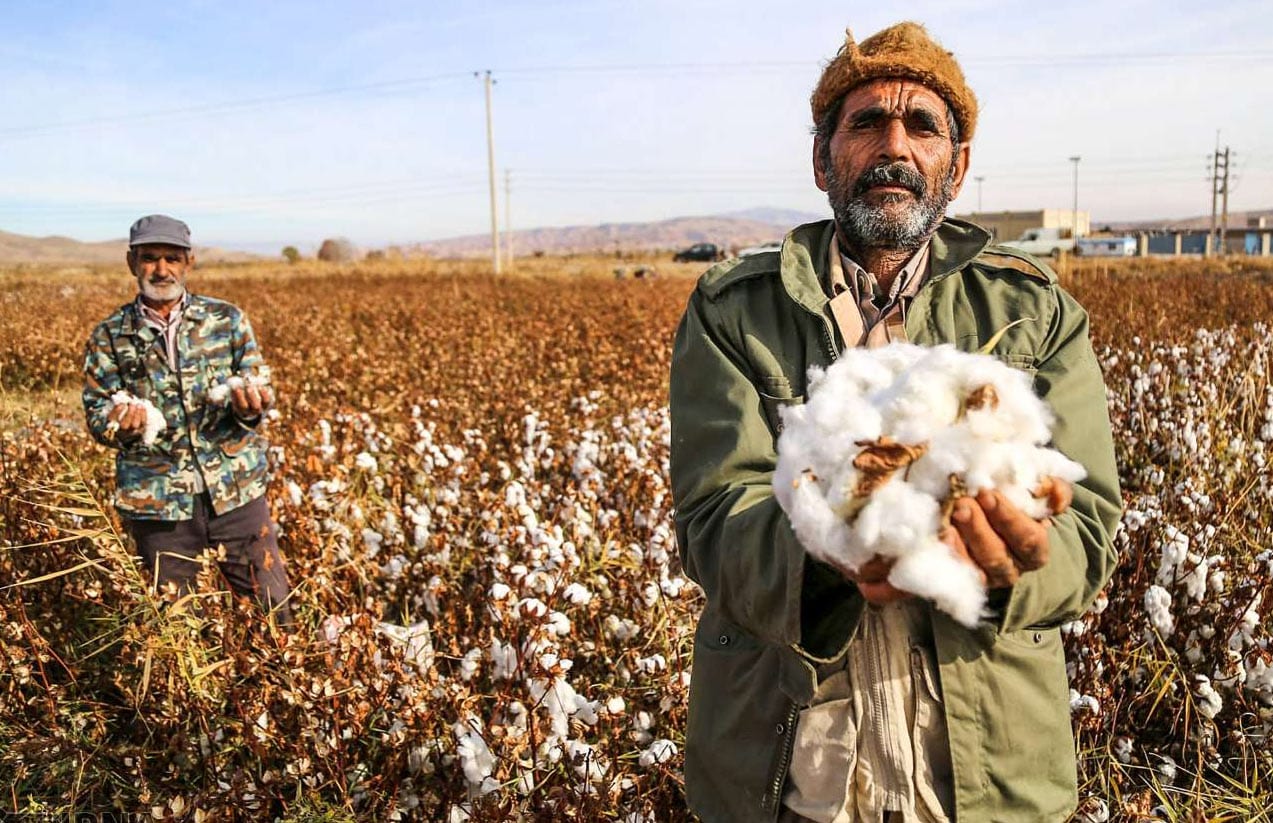
There is a particular quality to the light in northeastern Iran during late October and early November that transforms the cotton fields of North Khorasan into something close to a dreamscape. Row upon row of cotton bushes, heavy with open bolls of pristine white fibre, stretch toward the foothills of the Kopet Dag mountains under skies that shift between deep blue and pale gold. This is the season of cotton harvesting, one of the most visually striking and economically important agricultural events in Iran, and experiencing it firsthand offers a window into rural Iranian life that few travellers ever see.
Where Is North Khorasan?
North Khorasan Province occupies the northeastern corner of Iran, bordered by Turkmenistan to the north and the provinces of Razavi Khorasan to the south and Golestan to the west. The provincial capital is Bojnurd, a city of roughly 200,000 people that serves as the administrative and commercial centre for the surrounding agricultural districts. The province is home to a diverse population of Persians, Kurds, Turkmens, and other ethnic groups, giving it a cultural richness that sets it apart from many other Iranian provinces.
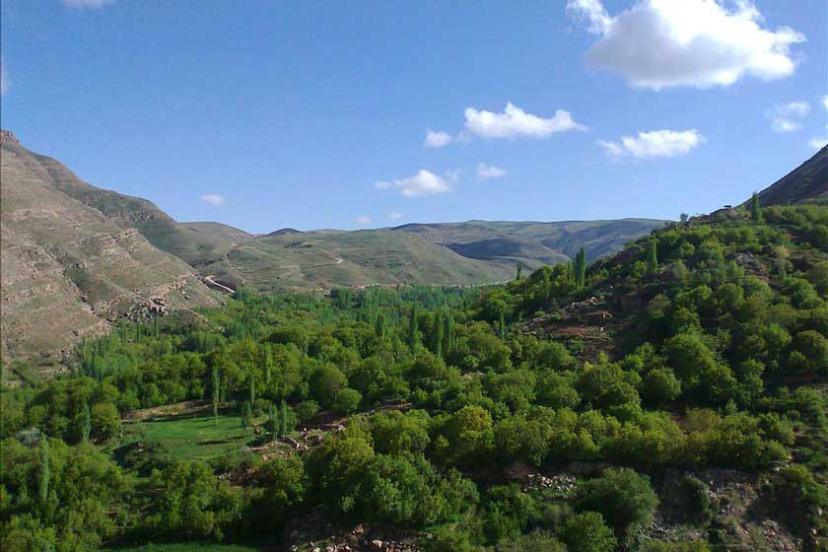
The landscape is varied. The northern part of the province transitions into the arid steppe that characterises much of Central Asia, while the southern districts are more mountainous, with forested slopes feeding into the larger Khorasan highlands. The climate is continental, with hot, dry summers and cold winters that bring regular snowfall to the higher elevations. This climate, with its long warm growing season and sufficient water from mountain runoff, is ideal for cotton cultivation.
Getting to North Khorasan typically involves a flight to Bojnurd Airport or a journey by road from Mashhad, the capital of neighbouring Razavi Khorasan Province, which is approximately five hours away by car. The roads are good, and the journey passes through some beautiful countryside.
The Cotton Harvest: Timing and Process
Cotton in North Khorasan is typically planted in the spring, around April, and the bolls begin to open in mid-autumn, usually from late October through November. The timing varies slightly depending on the specific district and the weather conditions in a given year. Harvesting is labour-intensive work, and during the peak weeks, entire families and communities mobilise to bring in the crop.
The harvest itself is a rhythmic, almost meditative activity. Workers, often including women and children alongside men, move through the fields picking the open cotton bolls by hand. The fibre must be gathered carefully to avoid contamination with dirt, leaves, or unripe bolls, and skilled pickers can harvest substantial quantities in a single day. The picked cotton is loaded into large sacks and transported to collection points where it is ginned, cleaned, and prepared for sale to textile mills.
In recent years, some farms in the region have begun using mechanical harvesters, particularly on larger, flatter fields. But in many areas, especially the smaller family-run plots that are characteristic of the province, hand-picking remains the norm. The sight of rows of pickers working through the white-tinged fields, often chatting and singing as they go, is one of the most evocative images of the Iranian countryside.
The Economic Importance of Cotton
Cotton is one of the most important cash crops in North Khorasan Province. Iran is a significant cotton producer, and the Khorasan region, encompassing the three provinces of North Khorasan, Razavi Khorasan, and South Khorasan, accounts for a meaningful share of the national output. The fibre is used by Iran's domestic textile industry, which produces everything from clothing and bed linen to industrial fabrics, and cottonseed is pressed for oil used in cooking and food production.
For the rural communities of North Khorasan, the cotton harvest is not just an economic event but a social one. It marks the transition from autumn to winter and the end of the agricultural year's main cycle. Families who have tended the crop through spring planting, summer irrigation, and autumn picking can finally see the fruits of their labour in the form of the heavy white bolls that fill the fields.
The income from the cotton harvest supports families through the winter months and funds the preparations for the next planting season. In good years, the crop is abundant and the community celebrates. In difficult years, when drought or pest damage reduces yields, the mood is more sombre, but the determination to continue is always evident.
Experiencing the Harvest as a Visitor
For travellers to Iran, the cotton harvest in North Khorasan offers a genuinely distinctive experience. This is not a destination that appears on most international tourist itineraries, and the lack of tourist infrastructure means that visitors who make the journey are rewarded with an authentic, unfiltered encounter with rural Iranian life. The people of North Khorasan are known for their warmth and hospitality, and visitors who show genuine interest in their work and traditions are welcomed with open arms.
The best approach is to travel with a knowledgeable local guide or through a tour operator who has established relationships in the region. They can arrange visits to farms during the harvest, introduce you to farming families, and explain the agricultural techniques and economic realities that shape the cotton industry. Many visitors find that spending time in the fields alongside the pickers, even just for a few hours, is the highlight of their entire trip to Iran.
Beyond the cotton fields, North Khorasan has much to offer. The province is home to the Baba Aman hot springs, a popular retreat for Iranians seeking the therapeutic properties of the mineral waters. The historic village of Shahr-e Belqeys, with its ancient fortifications and archaeological remains, provides a window into the region's long history. And the natural beauty of the Kopet Dag foothills, particularly in autumn when the foliage turns gold and crimson, provides a stunning backdrop to the agricultural landscapes.
Combining the Cotton Harvest With a Broader Khorasan Itinerary
A visit to North Khorasan during the cotton harvest can easily be combined with the many attractions of the wider Khorasan region. Mashhad, the capital of Razavi Khorasan, is home to the Imam Reza Shrine and offers world-class accommodation, dining, and cultural attractions. The Tomb of Nader Shah Afshar in Mashhad is a must-visit for history enthusiasts, and the city's museums, parks, and bazaqs are well worth exploring.
Further afield, the ancient city of Nishapur, with its legendary associations with Omar Khayyam and Attar, offers a rich historical experience. The turquoise mines of Neyshabur, which have supplied some of the world's finest turquoise for centuries, are also nearby. Together, these destinations make for a comprehensive Khorasan itinerary that combines agriculture, history, culture, and natural beauty in a way that few other regions of Iran can match.
Plan your visit to North Khorasan during late October or early November to catch the cotton harvest at its peak. The white fields against the autumn sky, the hospitality of the local communities, and the sheer beauty of northeastern Iran combine to create a travel experience that is as rewarding as it is unusual.