
Long before the invention of the telegraph, the airplane, or even the modern postal service, the vast expanse of the Iranian plateau was connected by a network of relay stations known as Chaparkhaneh. These remarkable waystations formed the backbone of one of the most sophisticated communication systems of the ancient and medieval world, enabling messages, officials, and goods to traverse thousands of kilometers of mountains, deserts, and plains with a speed that astonished even foreign visitors. The story of Chaparkhaneh is the story of how Iran governed itself, projected its power, and maintained cohesion across a territory that stretched at times from the Mediterranean to the borders of Central Asia.

The Origins of the Chaparkhaneh System
The origins of Chaparkhaneh in Iran stretch back to the pre-Islamic centuries, with evidence suggesting that some form of organized postal relay existed during the Achaemenid Empire. The Greek historian Herodotus famously praised the Persian courier system, noting that neither snow, nor rain, nor heat, nor darkness prevented these messengers from completing their appointed rounds. While the Achaemenid system relied primarily on mounted couriers stationed at intervals along the Royal Road, the concept of permanent relay buildings where fresh horses and supplies could be obtained was refined and expanded under later dynasties.
During the Parthian era, the Chaparkhaneh system took on greater institutional importance. The Parthian kings, who ruled an empire that rivaled Rome, depended on rapid communication to maintain control over their far-flung territories. Relay stations were established along major highways, spaced at regular intervals determined by the difficulty of the terrain. In flat and open country, stations might be placed as far as eight farsakhs (approximately 48 kilometers) apart. In mountainous or difficult regions, the distance between stations shrank to three farsakhs or less, ensuring that couriers could push through even the most challenging passes without exhausting their mounts.
The Sassanid period saw the system reach its zenith in the pre-Islamic era. The Sassanid shahs maintained an elaborate bureaucracy, and the Chaparkhaneh was essential to its functioning. Government dispatches, tax revenues, military orders, and diplomatic correspondence all moved through this network. Fresh horses were kept in readiness at each station, and the驿站长, or station master, bore responsibility for maintaining supplies and ensuring the security of passing officials and their cargo.
Architecture of the Chaparkhaneh Buildings
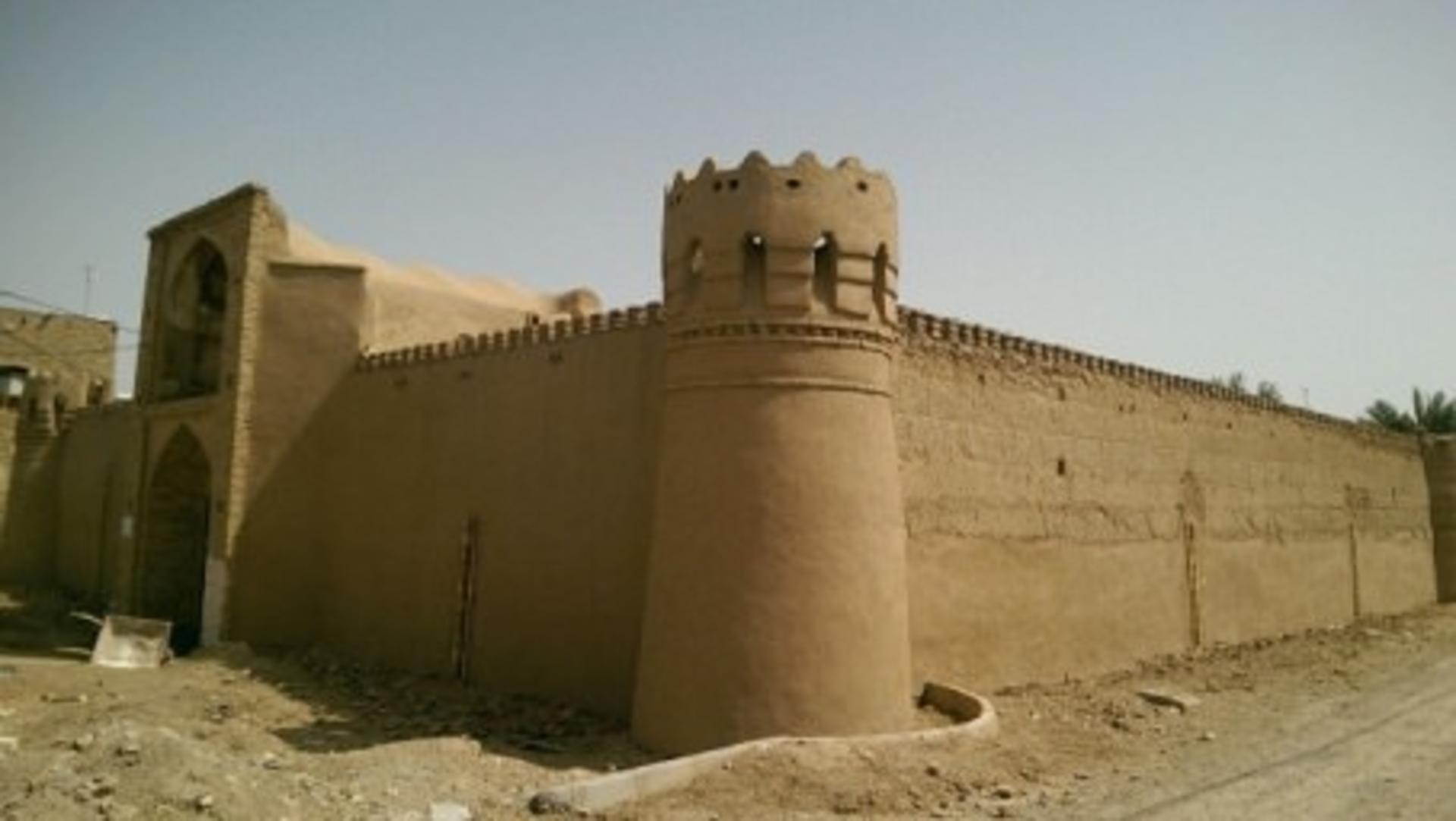
Chaparkhaneh buildings followed a distinctive architectural pattern that evolved over centuries but retained certain core features. These were typically square or rectangular structures, with walls constructed of unbaked mud brick (khesht) or packed earth (chineh). The exterior walls were high and crenellated, featuring no windows or openings facing outward. This defensive posture reflected the reality that relay stations often stood in isolated locations vulnerable to banditry, and the thick walls provided both protection and insulation from the harsh climate.
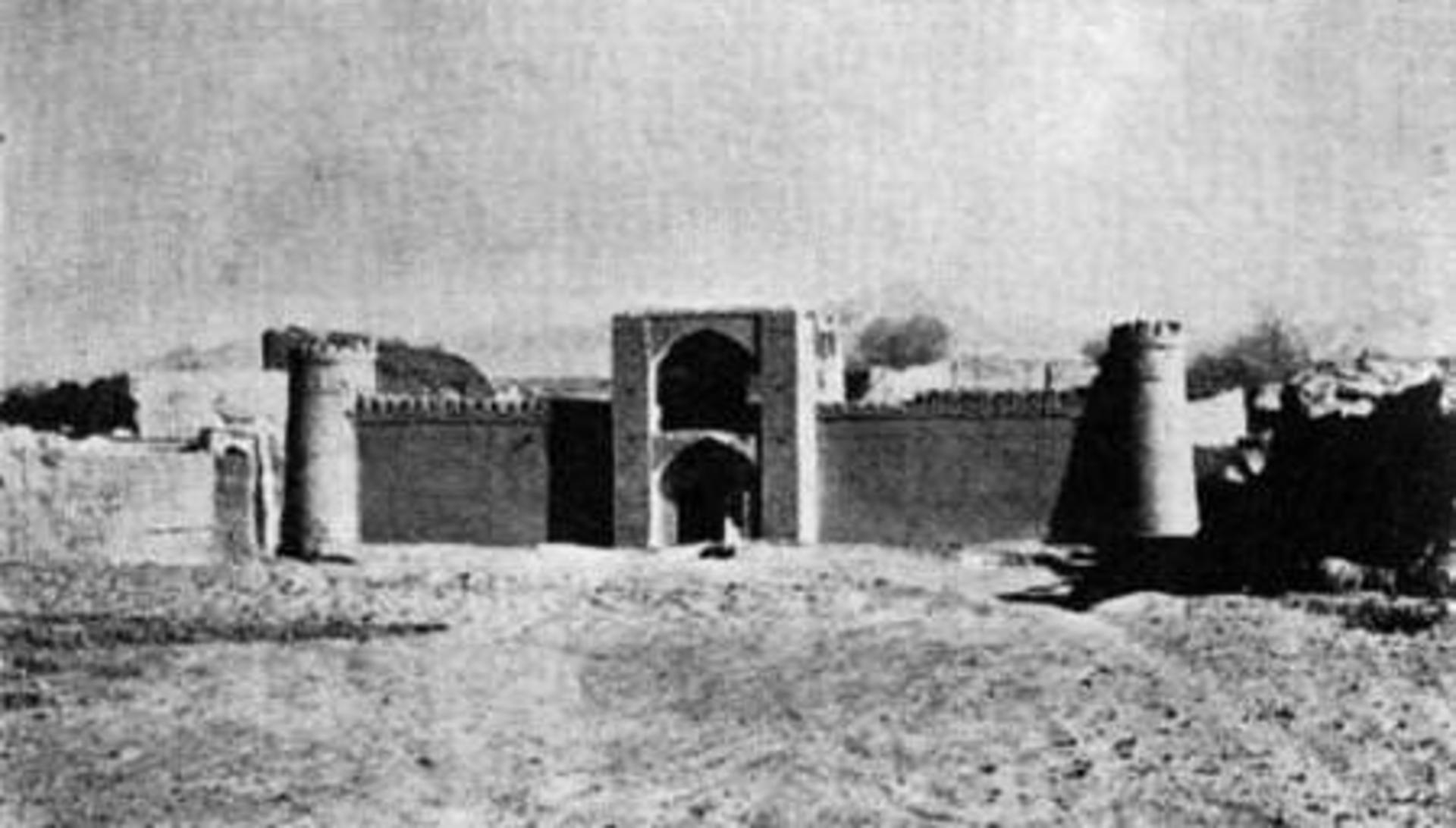
Four semi-cylindrical towers rose at the four corners of the building, serving as lookout points and reinforcing the structural integrity of the walls. The main entrance was designed to resemble a gated archway, with a room above the doorway known as the balakhaneh (upper room). This room served multiple purposes: it functioned as a watchtower, a storage space for official documents and valuables, and sometimes as a modest living quarter for the station master.
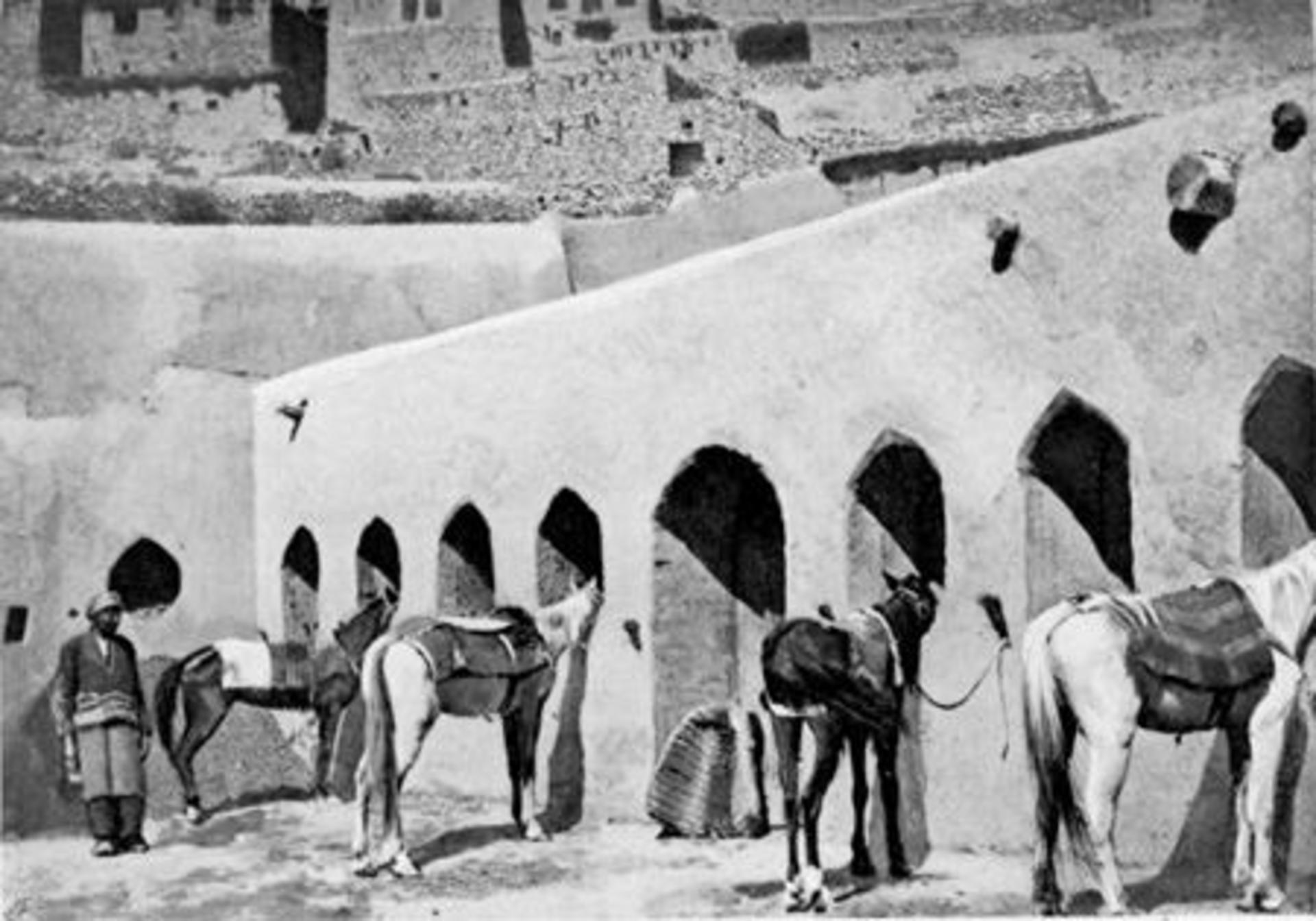
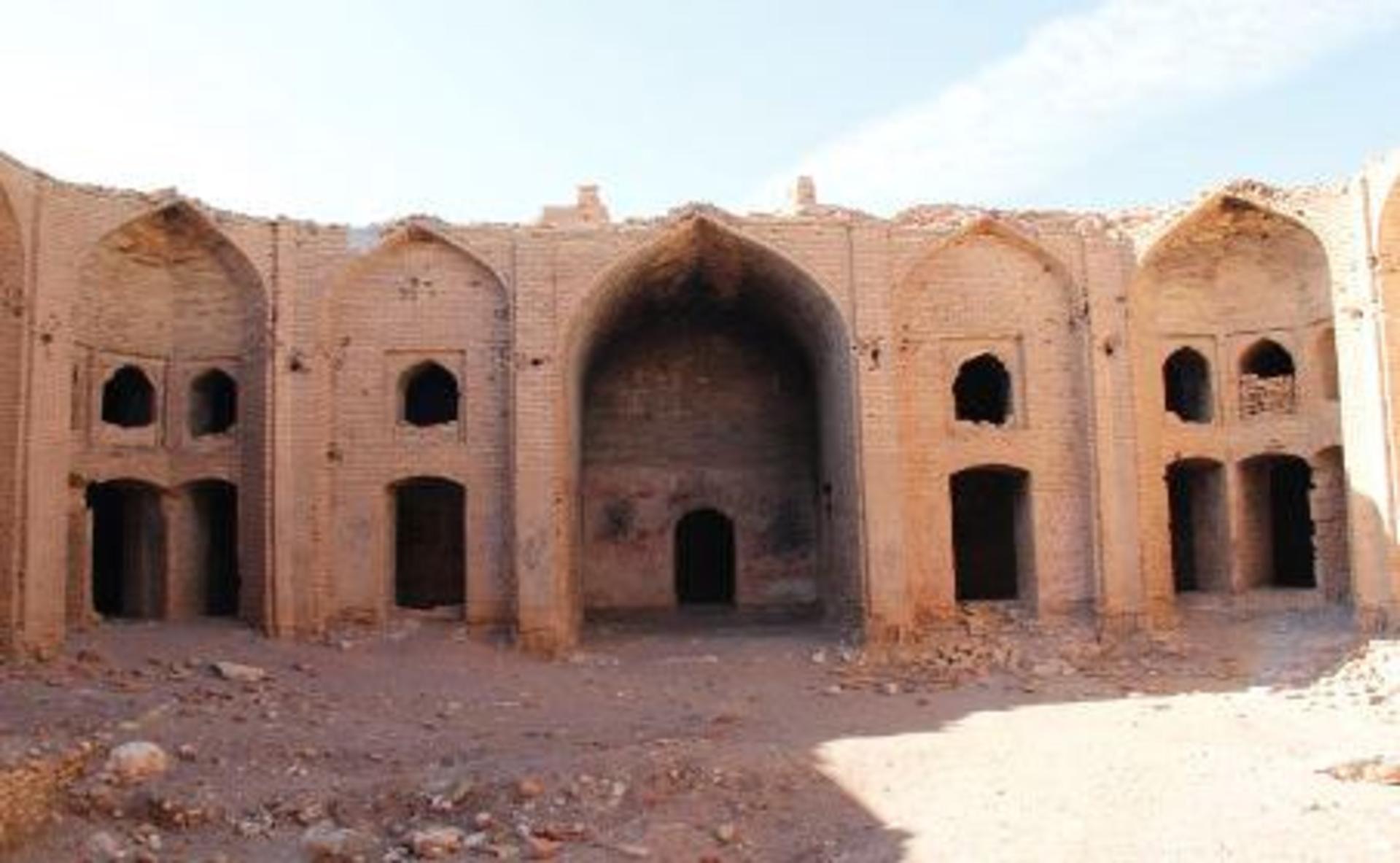
Inside, the building was organized around a central courtyard. Rooms opened onto this courtyard, providing space for resting couriers, stabling horses, and storing fodder and supplies. The courtyard also served as a gathering point where travelers could exchange information about road conditions and the political situation ahead.
Location and Spacing of Stations
The placement of Chaparkhaneh stations was carefully planned. They were typically situated alongside major roads and at the entrances or exits of towns and cities. Occasionally, a station would be located within a town, but more commonly they stood apart, positioned to optimize the flow of traffic along the route. The distance between stations was not arbitrary but was determined by the difficulty of the road. Straight, flat highways could accommodate wider spacing, while winding mountain paths required stations to be placed closer together.
Chaparkhaneh stations were often built opposite or adjacent to older caravanserais. In some cases, a portion of an existing caravanserai was repurposed as a Chaparkhaneh, though the two institutions served somewhat different clientele. The caravanserai catered to merchants and ordinary travelers of all social classes, while the Chaparkhaneh primarily served government officials, couriers, and wealthy individuals who could afford the higher fees. Water for the station was supplied by a nearby spring, a well, or an underground water reservoir (abanbar). In some cases, a stream was routed through the station itself, providing a continuous water supply for horses and personnel.
Life at the Chaparkhaneh
Daily life at a Chaparkhaneh revolved around the arrival and departure of couriers and official parties. The station master, known as the chapar-bashi, oversaw a small staff that included grooms, cooks, guards, and maintenance workers. Fresh horses were kept saddled and ready, so that an incoming courier could dismount, hand over his mount and any dispatches, and continue his journey on a fresh animal with minimal delay. This relay system, with riders changing horses rather than completing the entire journey themselves, allowed messages to travel at speeds that would have been impossible for a single rider and mount.
During the Qajar period, the Chaparkhaneh system evolved to accommodate changing needs. Travelers of means increasingly preferred Chaparkhaneh over caravanserais, as the rooms were cleaner and the amenities better. The chapars (couriers) of this era operated for a fee, transporting passengers and goods to their destinations. European travelers passing through Iran in the 18th and 19th centuries left detailed accounts of their experiences at these relay stations, noting both the efficiency of the system and the often rudimentary conditions of the buildings themselves.
The Decline of the Chaparkhaneh
The Chaparkhaneh system began its decline in the late 19th and early 20th centuries, as modern transportation and communication technologies rendered it obsolete. The introduction of the telegraph, the construction of modern roads suitable for motor vehicles, and the establishment of a Western-style postal service all eroded the need for the ancient relay system. One by one, the stations fell into disuse. Without regular maintenance, the mud-brick structures deteriorated rapidly, their walls dissolving in the rain and their timbers rotting away.
Today, very few physical remains of Chaparkhaneh buildings survive. The mud-brick construction that served well for centuries proved vulnerable to the elements once the protective presence of human occupation was withdrawn. Where ruins do exist, they are often difficult to identify with certainty, their low earthen walls blending into the surrounding landscape. Most of what we know about the appearance and function of Chaparkhaneh buildings comes from written accounts, historical photographs, and the paintings of European travelers who documented their journeys through Iran.
Legacy and Cultural Significance
Despite their physical disappearance, the Chaparkhaneh left an indelible mark on Iranian culture and language. The word chapar itself entered the Persian lexicon as a synonym for speed and efficiency, and the expression chapar kardan (to send by chapar) came to mean delivering something with great urgency. The concept of rapid, organized communication across vast distances was a source of national pride, and the system's longevity, spanning more than two millennia, speaks to the administrative sophistication of the civilizations that maintained it.
For travelers and history enthusiasts visiting Iran today, the story of Chaparkhaneh adds a fascinating layer of depth to the experience of crossing the country. While the stations themselves have largely vanished, the routes they once served remain the arteries of Iranian transportation, and the spirit of connection and exchange that animated the Chaparkhaneh endures in the hospitality and openness that define Iranian travel culture.
The Chaparkhaneh of Iran represents one of the great unsung achievements of pre-modern engineering and administration. In a land of immense distances and formidable geography, these humble mud-brick stations made it possible to govern an empire, conduct trade across continents, and maintain the flow of information that holds a civilization together. Their legacy is not one of grand monuments but of quiet efficiency, of the steady passage of riders and messages across a landscape that has challenged travelers since the dawn of history.