
A large portion of Bushehr's identity as a historic city is written in its old market. The Old Market of Bushehr, located on Shohada Street in the city's historical fabric, is a registered national heritage site that tells the story of centuries of commerce along the Persian Gulf. While today only a short corridor and a few empty shops remain of the once-vast commercial complex, the site's historical significance and architectural character continue to reward visitors who take the time to explore.
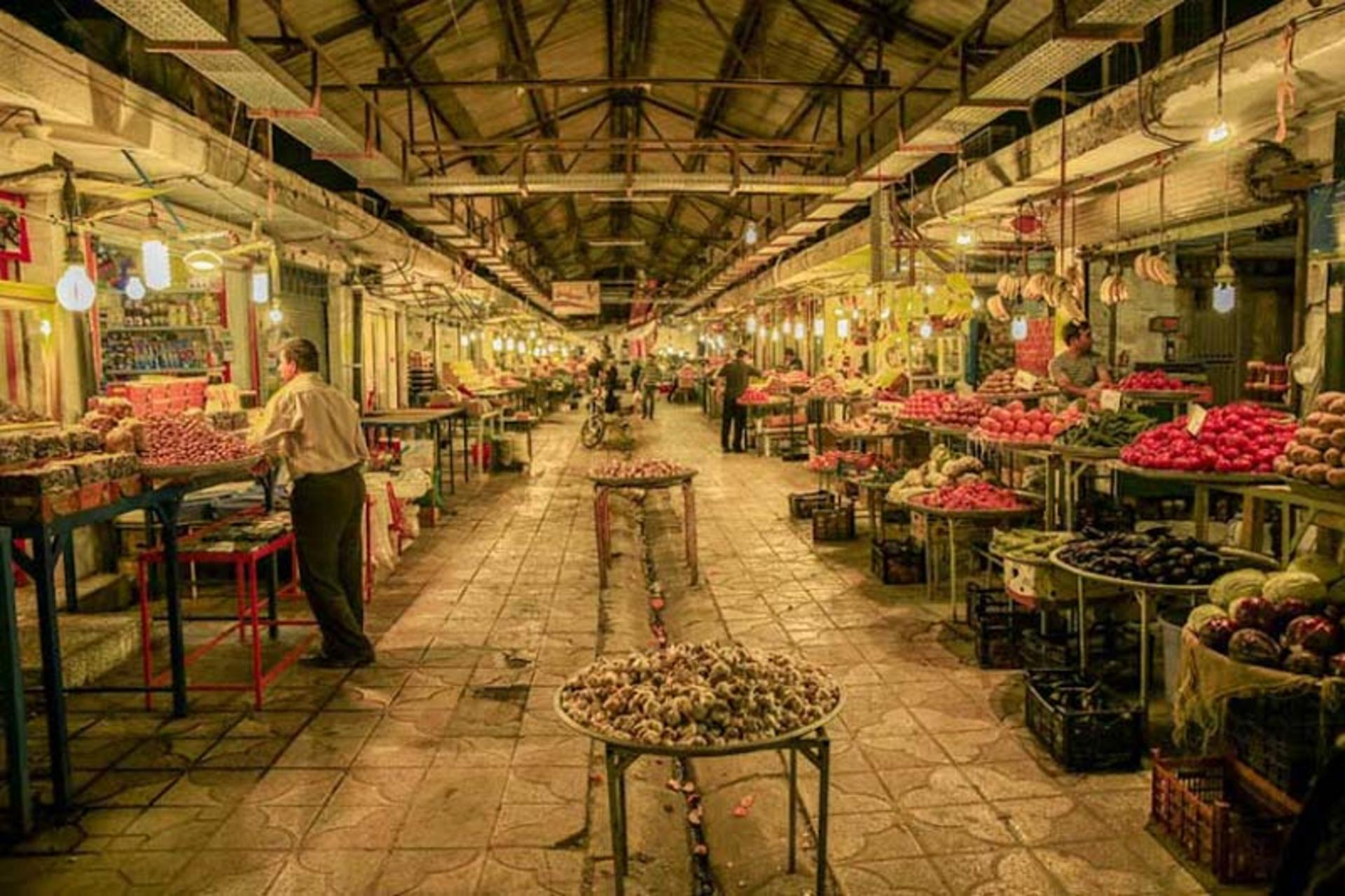
The Bushehr Old Market was once one of Iran's most important economic centers, serving as a hub where merchants from Iran, the Arab states, India, and Europe conducted business. During the Qajar period, the market became a focal point for international trade, with foreign companies from Britain and other nations establishing commercial offices in and around the market complex. Walking through the remaining passages today, you can still sense the echoes of that bustling commercial past.
National Heritage Registration
The Old Market of Bushehr was officially registered on Iran's national heritage list on March 18, 2007, with registration number 18648. This recognition acknowledges the market's significance as a document of Iran's commercial history and as an example of Qajar-era market architecture adapted to the coastal climate of the Persian Gulf.
The registration protects the remaining structures from demolition or unsympathetic modification, ensuring that this important piece of Bushehr's heritage survives for future generations. Though the market has lost much of its original fabric over the decades, the registered structures retain enough architectural character to convey the scale and design of the original complex.
Location and Access
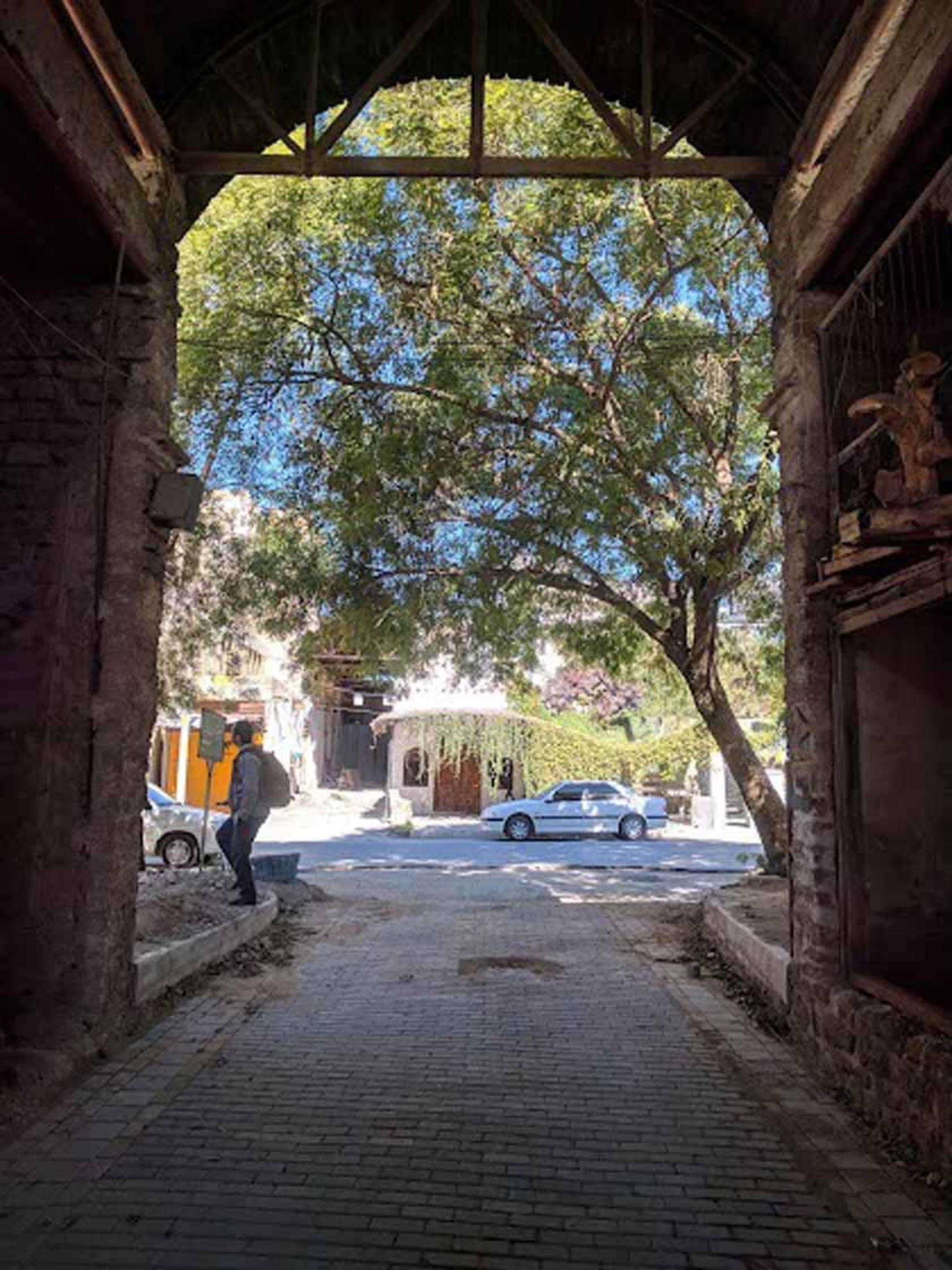
The Old Market of Bushehr is located on Shohada Street in the old urban fabric of Bushehr. The central location makes it easily accessible from other historical sites in the city, and it forms an important stop on any tour of Bushehr's heritage attractions. The street itself retains some of the commercial character of the historical period, with older buildings and traditional shop fronts lining the approach to the market entrance.
Visitors arriving by Mehyar taxi can reach the market from anywhere in the city within minutes. The market is also within walking distance of Bushehr's waterfront, the old colonial-era buildings, and several other registered heritage sites that together form one of Iran's most concentrated collections of Persian Gulf-era historical architecture.
History: From Afsharid Foundation to Qajar Prosperity
The origins of the Bushehr Old Market date to the founding of the city itself during the Afsharid period in the eighteenth century. Bushehr emerged as an important port during this era, and its market served the commercial needs of a growing trading center. The physical structures that survive today, however, primarily date from the Qajar period, when the market underwent significant expansion and renovation.
During the Qajar era, Bushehr's strategic position on the Persian Gulf made it one of Iran's principal windows to maritime trade. The Old Market became the commercial heart of this activity, with dedicated sections for different types of goods and trading communities. Foreign merchants, particularly from Britain and the Arab states, maintained offices and warehouses in or near the market, and the volume of trade passing through Bushehr made it one of the most economically significant cities in southern Iran.
The market's architecture reflects the need to adapt to Bushehr's hot, humid coastal climate while providing functional commercial spaces. The structures feature high ceilings, ventilation openings, and thick walls that help regulate interior temperatures. These design solutions demonstrate the practical intelligence of Qajar-era builders who understood how to create comfortable commercial environments without modern mechanical systems.
The Market's Commercial Layout
Like traditional Iranian bazaars, the Old Market of Bushehr was organized into specialized sections called rastehs, each dedicated to particular types of commerce. Historical records indicate that the market included a goldsmiths' bazaar, butchers' section, fish market, poultry market, dyers' section, blacksmiths' section, carpet sellers' area, hat sellers' section, and various other specialized zones.
This organization was not merely practical but reflected the social and economic structure of Bushehr's commercial community. Each rasteh had its own hierarchy of masters, apprentices, and shopkeepers, with established rules governing quality, pricing, and professional conduct. The diversity of specializations indicates the range of goods that passed through Bushehr during its commercial peak.
Today, while the specialized sections no longer function in their original form, the spatial layout of the remaining passages still reflects this organizational logic. The corridor that survives gives visitors a sense of the market's original scale and the architectural framework within which centuries of commerce took place.

Architecture Adapted to the Gulf Climate
The Old Market of Bushehr was built with careful attention to the local climate conditions. Bushehr's position on the Persian Gulf means extremely hot summers with high humidity, and the market's design addresses these challenges through passive cooling strategies that were standard in traditional Iranian architecture.
The market features natural lighting through strategically placed openings in the roof, allowing sunlight to enter while minimizing heat gain. Ventilation channels and the orientation of passages capture prevailing breezes from the Gulf, creating air movement through the interior spaces. The thick masonry walls absorb heat during the day and release it slowly, moderating temperature fluctuations inside the market.
These architectural solutions reflect a deep understanding of environmental design that modern construction often overlooks. The Old Market demonstrates that comfortable commercial spaces can be created through intelligent design rather than reliance on mechanical systems, a lesson that has renewed relevance in the era of sustainable architecture.
Visiting the Old Market Today
A visit to the Old Market of Bushehr typically takes between one and two hours. While the remaining structures are limited compared to the market's historical extent, they offer enough architectural interest and historical atmosphere to justify the visit. The experience is enhanced by combining it with explorations of the surrounding historical fabric, where older residential buildings, colonial-era offices, and other commercial structures provide additional context for understanding Bushehr's trading heritage.
After visiting the Old Market, continue your exploration by walking through the modern central bazaar that extends beyond the historical core. This active commercial area gives you a sense of the living trading tradition that continues in Bushehr, even as the physical form of the market has evolved over the centuries.
Mehyar's travel platform can help you arrange guided tours of Bushehr's historical quarter, with knowledgeable local guides who can provide detailed information about the market's history, architecture, and role in the city's commercial development. Mehyar taxi services make it easy to reach the Old Market from your accommodation anywhere in the city.
Combining Your Visit with Other Bushehr Attractions
The Old Market is one element of Bushehr's rich historical landscape. Nearby attractions include the Dehdashti Mansion, the Malek Mansion, the old coastline with its traditional boat-building yards, and the coastal areas where traditional dhows still operate. Together, these sites paint a comprehensive picture of Bushehr's role as one of Iran's most historically significant Persian Gulf ports.
For visitors interested in the broader history of the Persian Gulf region, Bushehr offers an unmatched concentration of heritage sites that document centuries of maritime trade, cultural exchange, and coastal life. The Old Market, with its national heritage registration and its direct connection to the city's commercial golden age, stands at the center of this historical narrative.
The Old Market of Bushehr may no longer ring with the voices of merchants haggling over Gulf pearls, Indian spices, and British textiles, but its remaining passages still carry the memory of that vibrant commercial world. For visitors to Bushehr, the Old Market offers an authentic and atmospheric encounter with the trading heritage that shaped this important Persian Gulf city.