
Iran is a country of four climates and a dozen travel seasons. The snow-capped Alborz range in the north gives way to the warm Caspian coast, the central plateau hosts deserts that glow in winter light, and the south borders the Persian Gulf where dates ripen in fierce heat. Choosing when to visit depends on what you want to see, how much you are willing to spend, and whether you prefer empty courtyards or bustling festivals. This guide breaks the year into its travel windows and explains what each season offers for tour groups, independent travellers, and anyone planning a multi-city itinerary.
The Two Prime Seasons: Spring and Autumn
The consensus among tour operators, hoteliers, and seasoned travellers is that the best windows for an Iran tour are spring (mid-March through May) and autumn (late September through November). These are the months when daytime temperatures sit between eighteen and twenty-eight degrees Celsius across the central cities, skies are mostly clear, and the walking between monuments feels effortless rather than punishing.
Spring arrives first in the south and climbs slowly northward. By late March, Shiraz is warm, the gardens are in bloom, and the scent of orange blossoms hangs over the streets. Isfahan and Yazd follow in April with pleasant mornings and warm afternoons. Tehran reaches its garden-peak in late April and May. This is the season when tour groups are thickest, hotel rooms book up weeks in advance, and the price of a two-week guided itinerary sits at its annual high. Nowruz, the Persian New Year on 21 March, is the single busiest week of the year. Domestic travel peaks, monuments close for the first few days, and hotels fill with Iranian families. International tour groups typically avoid the Nowruz week itself and aim for the weeks immediately after, when the country is still festive but the domestic crowds have dispersed.
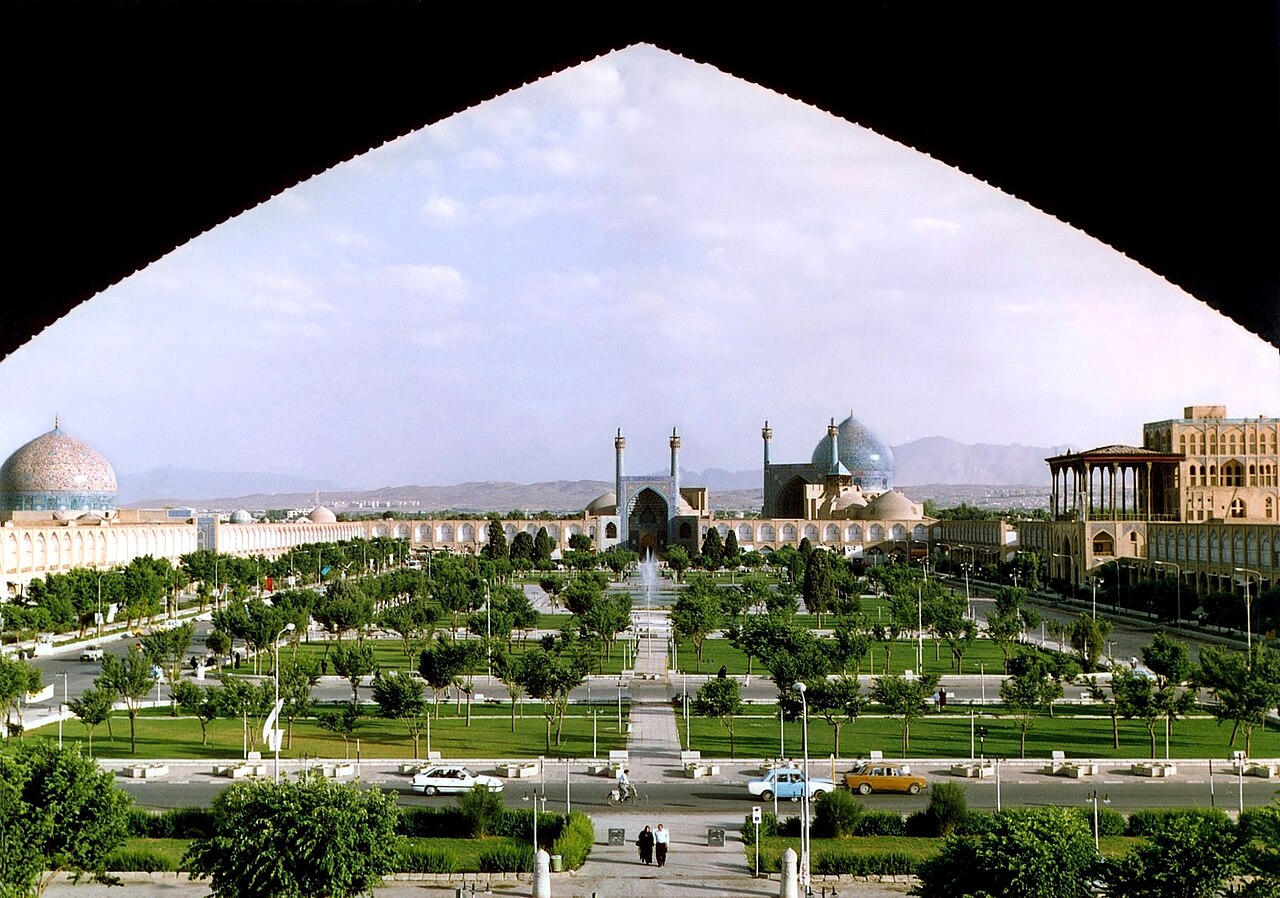
Autumn offers what spring cannot: fewer tourists, lower prices, and weather that is nearly identical in temperature but drier and more predictable. September can still be warm in the south, but by October the entire central plateau settles into a comfortable rhythm of warm days and cool evenings. This is the season when the light in Isfahan turns golden and long shadows fall across Naqsh-e Jahan Square in the late afternoon. Tour groups are smaller, hotels have more availability, and flight prices drop by ten to twenty percent compared to the spring peak. For travellers who find the spring season too crowded, October is the single best month for an Iran tour.
Summer: Heat, Crowds, and the Mountain Escape
Summer in Iran is not a single season but a study in contrasts. The central plateau, which includes Isfahan, Yazd, and Kashan, becomes genuinely hot. Daytime temperatures in Yazd regularly exceed forty degrees Celsius in July and August. Sightseeing in this heat is possible in the early morning and after sunset, but midday walking is unpleasant and sometimes unsafe. Tour operators that run summer departures restructure their itineraries around the heat, visiting monuments before nine and after four, with long breaks at midday.
The northwestern provinces, including Azerbaijan and Kurdistan, are a different story. Summer is the ideal season for Tabriz, Ardabil, and the mountain villages of Kurdistan, where daytime temperatures stay in the mid-twenties and the landscape is green. The Caspian coast is warm and humid in summer, popular with domestic tourists but less comfortable for visitors from temperate climates.
Summer pricing is the lowest of the year for international travellers. Hotels in the major cultural cities discount their rooms, and tour operators offer reduced rates on itineraries that would cost significantly more in spring. For budget-conscious travellers who can handle heat, July and August present genuine value.
The southern coast along the Persian Gulf is extremely hot and humid from June through September, with temperatures often exceeding forty-five degrees. Tour itineraries that include the south, such as visits to Kish Island or Qeshm, shift to the winter months when the weather is warm but tolerable.
Winter: Quiet Cities and Desert Magic
Winter in Iran is cold in the north and mountains but mild along the Persian Gulf and in parts of the south. Tehran and the central plateau see temperatures drop to near freezing at night, with occasional snow. This is not the season most people choose for a cultural tour, and the major sites in Isfahan and Shiraz see their lowest visitor numbers of the year.
But winter has its advocates. The desert towns of the central plateau, including Yazd and the villages around it, are at their best in December and January. Days are cool and clear, nights are cold but the starlit sky above the desert is spectacular. Walking through the ancient mud-brick architecture of a village like Kharanaq in January is a far more comfortable experience than in the blistering summer heat.
Winter pricing is at its annual low. Hotels that charge premium rates in spring may discount by thirty to forty percent. Tour operators offer their deepest discounts on group departures, and private guided tours become significantly more affordable. For travellers who prioritise value and solitude over perfect weather, December through February is an underrated window for an Iran tour.
The Persian Gulf coast and islands of Kish and Qeshm are warm and pleasant in winter, with daytime temperatures in the low to mid-twenties. This is the peak season for beach and resort tourism in the south, and prices on the islands reflect that demand.
Month by Month Breakdown
March. The southern half of Iran is warm and pleasant. Tehran and the central plateau are warming up but can still be cool, especially in the first half of the month. Nowruz (21 March) is the peak of domestic travel. Tour groups should book well in advance or avoid the holiday week entirely.
April. The best single month for a classic cultural tour. Shiraz, Isfahan, Yazd, Persepolis, and the garden cities of the central plateau are all at their peak. Weather is warm but not hot. Crowds are significant, and prices are near their spring high.
May. Still pleasant in the central cities, but the south begins to warm. The Caspian coast and northwestern provinces are green and comfortable. Good month for combining cultural sights with nature in the north.
June. The transition to summer. The central plateau is hot by mid-month. The northwest and Caspian coast are at their best. Tour groups shift northward.
July and August. Peak heat in the central and southern cities. Budget season for international travellers. The northwest provinces, Kurdistan, and the Caspian coast are the recommended destinations. Early morning and evening sightseeing only in the south.
September. The first weeks remain warm, but by late September the central cities become comfortable again. A good transitional month for travellers who want spring-like conditions with fewer crowds and lower prices.
October. The second best month after April for a classic tour. Weather is mild across the country, autumn colours appear in the gardens, and the tourist crowds are thinner than in spring. Highly recommended.
November. Cooling down further. The central cities are pleasant during the day but chilly at night. The south and Persian Gulf islands begin to warm into their winter season. Good value for money.
December. Winter sets in across the north. The central plateau is cold but clear. Desert tourism is at its best. The Persian Gulf coast is warm and popular. Hotels are discounted in the cultural cities.

Pricing and Crowd Levels by Season
Understanding the pricing cycle helps you plan a tour that fits your budget. The high season for international tourism in Iran runs from mid-March to mid-May and again from late September to mid-November. During these windows, hotels charge their published rates, tour operators have limited availability, and flights between domestic cities book quickly.
The shoulder months of June and November offer a middle ground. Prices drop by ten to fifteen percent, and the weather is still manageable, especially in the early or late weeks. The low season spans December through February and July through August. Hotels and tour operators offer discounts of twenty to forty percent, and the major cultural sites are significantly less crowded.
For group tours, the cheapest departures are typically in January and February, when demand is lowest and operators are eager to fill seats. The most expensive departures are in April and October, when demand is highest and the weather is most comfortable. Booking through Mehyar Flights for your domestic connections and using the Mehyar travel planner for your itinerary can help you find the best combination of dates, hotels, and transport for your budget.
Practical Advice for Tour Planning
Book early for spring. If you plan to travel in April, reservations for both hotels and guided tours should be made at least two to three months in advance. October bookings can be made slightly later, but popular group tours still fill up by late summer.
Pack in layers. Even in the prime seasons, mornings and evenings can be cool, especially in the desert towns and the elevated cities. A light jacket is useful from October through April.
Consider combining seasons. A tour that starts in the northwest in late May, moves through the central cities in June, and ends along the Persian Gulf coast takes advantage of each region's best weather within a single trip.
Use the shoulder months for value. September and November offer nearly identical weather to the peak spring season, with hotel rates and tour prices that are noticeably lower. For travellers with flexible schedules, this is the smartest choice.
Check visa requirements early. The Iranian visa process can take several weeks, and tour operators often need a confirmed visa before finalising hotel reservations. Start the process at least two months before your planned departure.
The Bottom Line
The best time to visit Iran for a tour depends on your priorities. For perfect weather and the full cultural experience, April and October are the two months that satisfy nearly every traveller. For budget and solitude, the winter months offer remarkable value and surprisingly pleasant conditions in the right regions. For a combination of nature and culture, the late spring window from May into early June opens up the northern provinces alongside the central plateau.
Whatever season you choose, Iran rewards patience and curiosity. The monuments are ancient, the hospitality is genuine, and the landscapes range from desert to forest to sea within a single country. Plan your timing carefully, book through reliable channels like Mehyar for flights and hotels, and arrive with enough flexibility to let the country surprise you.