
Bandar Anzali is one of the most picturesque cities in Gilan Province, sitting on the Caspian Sea coast about 40 kilometres from Rasht, the provincial capital. As the second-largest city in Gilan, it has long been an important centre for tourism, fishing, trade, and naval activity. The city's attractions range from a 15,000-year-old lagoon teeming with birdlife to colonial-era boulevards, historic bridges, and a working port that has shaped the region for over a century. This guide covers the key sites that make Bandar Anzali one of the most rewarding stops on Iran's northern coast.

Anzali Lagoon, a 15,000-year-old wetland
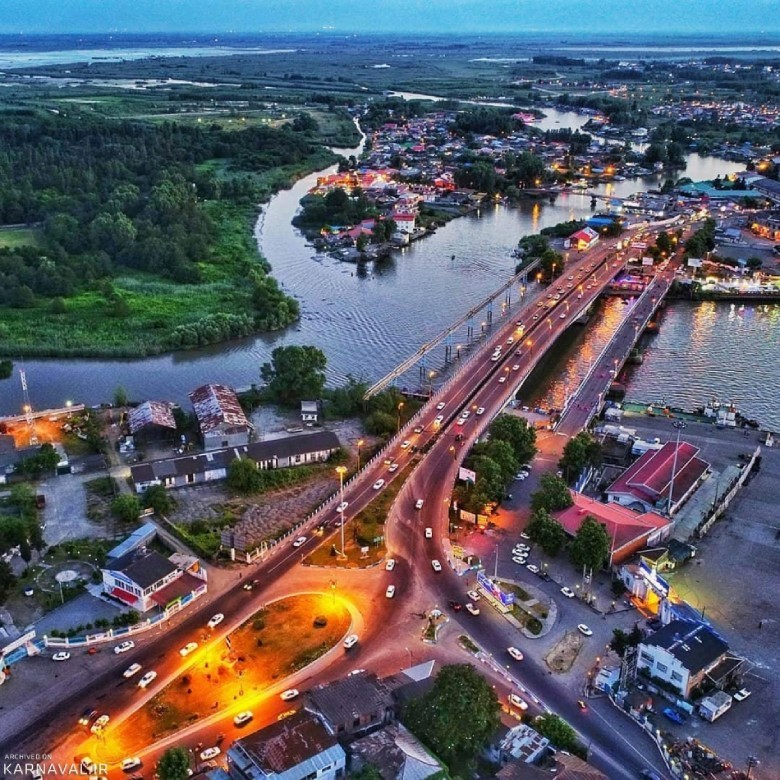
The Anzali Lagoon, known locally as Anzali Mordab, is the crown jewel of the city and one of the most ecologically important wetlands in Iran. Dating back approximately 15,000 years, the lagoon is a vast expanse of freshwater marshes, reed beds, and open water that supports an extraordinary range of plant and animal life. Water lilies, reeds, and sea lotuses cover the surface in season, creating a landscape that looks almost tropical despite being in northern Iran.
In 1975, the Anzali Lagoon was designated as a Ramsar site, recognising its international importance as a wetland of high biodiversity. The lagoon is home to more than 100 species of birds and around 150 aquatic species, making it one of the richest habitats in the country. Visitors can take boat rides through the reed channels, watch for herons, egrets, and cormorants, and enjoy the stillness of a landscape that has changed remarkably little over millennia.
Sorkhankal Wildlife Reserve
Located in the middle of the Anzali Lagoon, the Sorkhankal Wildlife area is one of the best spots for birdwatching in northern Iran. The reserve serves as a crucial stopover for migratory birds travelling between Europe, Central Asia, and Africa. Swans, geese, ducks, and a wide variety of wading birds pass through or winter here, adding to the resident population of native species.
The waters of Sorkhankal also support native and migratory fish species, further enhancing the ecological value of the area. For visitors with an interest in nature and wildlife, a trip to the lagoon is incomplete without venturing into the Sorkhankal section, where the concentration of birdlife is at its densest. Local guides and boat operators in Anzali can arrange visits to the reserve, and the best times for observation are early morning and late afternoon.
The Coastal Boulevard
The Anzali Coastal Boulevard is one of the city's most distinctive landmarks, built in 1928 on the order of Reza Shah Pahlavi. Covering approximately 35,000 square metres, the boulevard is lined with buildings in European architectural styles that recall the early 20th-century modernisation of Iran's northern cities. The northern end of the boulevard reaches toward the Anzali breakwaters, while the southern end contains cafes, tea houses, and recreational spaces that draw locals and visitors throughout the year.
Walking along the boulevard on a mild spring or autumn afternoon, with the Caspian breeze coming off the sea and the sound of tea glasses clinking in the nearby cafes, is one of the simplest pleasures that Bandar Anzali offers. The buildings along the boulevard have been carefully maintained and retain much of their original character, offering a glimpse into the architectural aspirations of early Pahlavi Iran.
Hafezieh of Anzali
The Hafezieh of Bandar Anzali is a cultural landmark distinct from the famous tomb of Hafez in Shiraz. This structure in Anzali serves as a symbol of the city's literary and musical heritage. In earlier years, it was a venue for local musicians and cultural gatherings. Today, it functions primarily as a tourist attraction, drawing visitors who are interested in the cultural life of Gilan and the role of poetry and music in the identity of the Caspian coast.

Bridges of Bandar Anzali
The Ghazian Bridge and Anzali Bridge, both constructed in 1935, are among the oldest and most important structures in the city. These bridges were engineered with a particular sensitivity to the ecological character of the area. They include movable sections that can be opened to allow ships to pass through, ensuring that the construction of the bridges did not disrupt the waterways and the lagoon system that defines the local geography.
The bridges are not only functional infrastructure but also historical landmarks. They connect different parts of the city across the water and offer views of the lagoon, the Caspian coast, and the working boats that have used these channels for generations.
Military Museum Palace
The Anzali Military Museum Palace, located between the Ghazian and Anzali bridges, is a building with layered history. Originally established during the Qajar era, it was later renovated during the Pahlavi period. The two-storey structure houses an impressive collection of weapons, naval equipment, and military artifacts, many of which date from the periods when Anzali was a key strategic point on the Caspian Sea.

The plasterwork inside the museum is particularly noteworthy, with decorative elements that combine military themes with the ornamental traditions of late Qajar design. For visitors interested in Iranian military history or the strategic importance of the Caspian coast, the museum is a worthwhile stop.
The Clock Tower and the Breakwaters
Built in 1915, the Anzali Clock Tower is one of the oldest structures in the city. It originally served as a lighthouse, guiding ships into the port, and was later used as an observation point during periods of conflict. Standing 28 metres tall, the tower has a balcony at 20 metres that offers a panoramic view of the city, the lagoon, and the Caspian Sea. It is one of the most recognisable landmarks in Anzali and a popular spot for photographs.
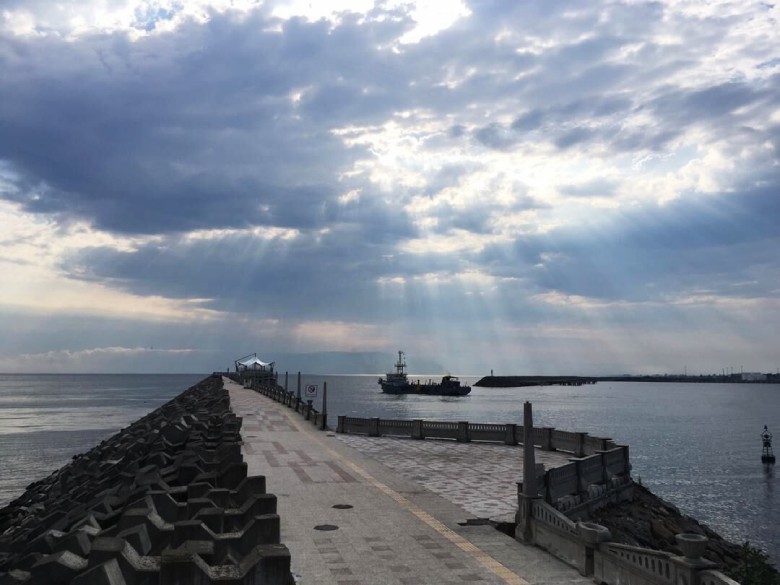
The Anzali Breakwaters, constructed in 1895, were built to protect the harbour from the fierce waves of the Caspian Sea. More than a century later, they remain an impressive feat of 19th-century engineering and have become a scenic promenade in their own right. Walking along the breakwaters, with the sea on one side and the harbour on the other, gives a clear sense of the maritime character that has defined Bandar Anzali for generations.

The Mirza Koochak Khan Tourist Ship
The Mirza Koochak Khan tourist ship arrived in Bandar Anzali from Japan in 1971, adding a new dimension to the city's tourism infrastructure. The ship has five decks and can accommodate up to 250 passengers, with cabins offering various levels of comfort. Named after the famous Gilani revolutionary leader, the ship provides cruises on the Caspian Sea and has become a familiar presence in the harbour.
Getting to Bandar Anzali
Bandar Anzali is easily reached from Rasht, the capital of Gilan Province, which is connected to Tehran by road and air. From Rasht, the drive to Anzali takes roughly 40 minutes. Mehyar Taxi offers transfers from Rasht to Bandar Anzali and can arrange local transport for visiting the city's scattered attractions. Mehyar Buses also connect Rasht with Anzali and other towns along the Caspian coast.
The best time to visit Bandar Anzali is during the spring and autumn, when the weather is mild and the lagoon is at its most beautiful. Summer offers warm conditions suitable for swimming along the Caspian beaches, though humidity can be high. Winter in Anzali is green and wet, with the Caspian rains at their heaviest.