
For many travelers heading to southern Iran, Bandar Abbas is not really the destination. It is the doorway. This hot, busy port city sits on the northern shore of the Persian Gulf, at the edge of the Strait of Hormuz, and it is the place where planes, buses, and trains from across the country finally meet the sea. From here, fast boats cross to the rainbow soil of Hormuz Island and the mangroves and geology of Qeshm. Spend even one night in the city and you discover it is more than a transit point: a working port with a colorful old bazaar, a loud and fascinating fish market, and a seaside promenade that comes alive after sunset. This guide covers where Bandar Abbas is, how to get there, when to go, what to see, and how to move onward to the islands, with Mehyar as your companion for taxis, hotels, flights, and buses.

Where is Bandar Abbas?
Bandar Abbas is the capital of Hormozgan Province and the second largest city in southern Iran. It sits on the coast of the Persian Gulf, in the narrow waist of the country where the Persian Gulf meets the Gulf of Oman and the Strait of Hormuz. To the north rise the dry ridges of the Zagros foothills, including the heights of Mount Geno, and to the south the city opens onto warm, shallow water.
The city was once called Bandar Gombroon, a name with Zoroastrian roots that points to how old this harbor really is. In 1622, during the reign of Shah Abbas of the Safavid dynasty, Iranian forces under Imam Quli Khan pushed the Portuguese out of the southern coast, and the port was renamed Bandar Abbas in the Shah's honor. Today it is a major commercial and industrial hub, home to the Shahid Rajaee and Shahid Bahonar port complexes, and the everyday gateway for travelers heading to Hormuz, Qeshm, and Kish.
The population is a genuine mix of locals and people who moved here from other parts of Iran, and the Persian spoken on the street carries the soft, distinctive Bandari accent. The weather is hot and humid for much of the year, so plan your days around early mornings and late afternoons.
How to get to Bandar Abbas
Bandar Abbas is far from most of Iran, so the journey itself is part of the planning. You have four realistic options: fly, take an intercity bus, ride the train, or drive.
Flying into Bandar Abbas International Airport (BND)
The fastest option is the plane. Bandar Abbas International Airport, officially named Shahid Delhavi Airport after the victims of the 1988 Iran Air flight 655, sits only about 5.8 kilometers east of the city center, roughly a 15 to 20 minute drive depending on traffic. It has two terminals: one for international flights and one for the busier domestic routes. Facilities include shops, a bank branch, an around the clock emergency service, and taxi and parking services.
The airport handles flights to and from Tehran, Mashhad, Shiraz, Isfahan, Tabriz, Yazd, Rasht, Ahvaz, Kermanshah, Sari, Abadan, Chabahar, and the islands of Kish, Qeshm, and Abu Musa. International services connect to Dubai, Medina, and Muscat. On the Tehran route alone, several airlines operate multiple daily departures, and the flight time is usually between about 1 hour 25 minutes and 2 hours 5 minutes.
The simplest way to book is to open Mehyar, go to Flights, and compare the current schedules and fares to Bandar Abbas. Once you land, do not accept the first informal taxi price you hear. Open Mehyar, choose Taxi, and request a ride to your hotel for a clear fare. The airport is close enough that the ride into town is short and affordable.

Buses to Bandar Abbas
The intercity bus is the most economical way to reach the city, and almost every provincial capital has a direct service. The bus terminal sits inside the city, in the Golshahr Jonubi area near Terminal Square, so you arrive within easy reach of taxis and city buses. From Tehran, the road journey takes roughly 15 hours, and from Mashhad it is longer because of the greater distance. Some northern and northwestern cities require a connection rather than a single direct bus.
Book your seat through Mehyar, then use Mehyar Taxi from the terminal to your accommodation. If you are arriving late at night, sort out the ride before you step off the bus so you are not negotiating in the dark.
Trains to Bandar Abbas
Bandar Abbas is connected to the national rail network, with services to and from Tehran, Mashhad, Shiraz, Isfahan, and Yazd. The railway station opened in 2011 and sits on Shahada Boulevard, on Railway Boulevard. Train travel from Tehran takes close to 20 hours or more, so it suits travelers who value comfort and scenery over speed. Seats on the popular routes fill quickly, especially around holidays, so reserve through Mehyar as early as you can.
Driving to Bandar Abbas
If you drive, know that the distances are long. Tehran to Bandar Abbas is roughly 1,280 kilometers, about 14 hours of driving. Isfahan is around 930 kilometers away, Yazd about 660 kilometers, Kerman about 492 kilometers, and Mashhad around 1,390 kilometers. The main routes converge near Sirjan and then run south through Hajiabad to the coast. The coastal road from Bushehr is one of the most scenic drives in southern Iran, but it is slow and hot for much of the year. Carry water, plan fuel stops, and avoid the midday heat in summer.
When to visit Bandar Abbas
Bandar Abbas is one of the hottest and most humid cities in Iran. Summers are brutal, with temperatures that can climb past 50 degrees Celsius and humidity that makes the air feel even heavier. The local name for the peak of this heat, from early July to the end of August, is the date ripening season, and it is not a comfortable time to be outdoors.
The best window is from mid autumn through late March. From roughly December to March, daytime temperatures often sit between about 12 and 23 degrees Celsius, which feels like a pleasant spring elsewhere. October and November are warm but manageable, and the Nowruz period in March is busy with Iranian holidaymakers, so book hotels and transport well ahead.
Spring warms up quickly, and by May the heat is returning. If you must travel in summer, confine sightseeing to the very early morning and after sunset, drink constantly, and use sunscreen and light, loose clothing.
The city has its own seasonal character. In October, the sand sculpture festival takes over Ghadir Coastal Park. In the final days of the year and through Nowruz, the jehleh painting festival fills Suro Coastal Park, where local potters display their painted clay jars. Around early January, a shopping festival brings live music and street theater. For travelers interested in culture, timing a visit to one of these events adds a lot to the trip.
What to see in Bandar Abbas
The old bazaar
The traditional bazaar, also called the old bazaar, winds across two blocks just back from the seafront and is often described as the most colorful part of the city. It is one of the oldest and busiest markets in Bandar Abbas, and even with all the modern shopping centers around it, it keeps a lively, working character. You can find local handicrafts, inexpensive goods, and second hand items here. Come in the morning for the calmest wandering and the best light.
The fish market
If one place captures the daily life of this port, it is the fish market on Taleghani Boulevard in the Pasht Shahr neighborhood. It is one of the largest fish markets in Iran, spread over about 11,000 square meters with a two story parking structure attached. Before you even reach the covered hall, you pass vendors selling from baskets under canopies and in the open air. The variety is remarkable: shurideh, kefal, hoor, kafshak, sangsar, and the prized halva safid, along with king prawns, octopus, shark, and crab. The smell of fish, tamarind, garlic, and dates hangs in the air, and somewhere nearby a restaurant is cooking what was swimming an hour ago.
The market usually opens around 7 in the morning and stays busy until about 11 at night, though it closes on Fridays. If you want lower prices, walk 500 to 600 meters west along the coastal road in the evening, where fishermen set up a more informal market. The historic Galedari Bath is only about 700 meters away, so you can pair the two.
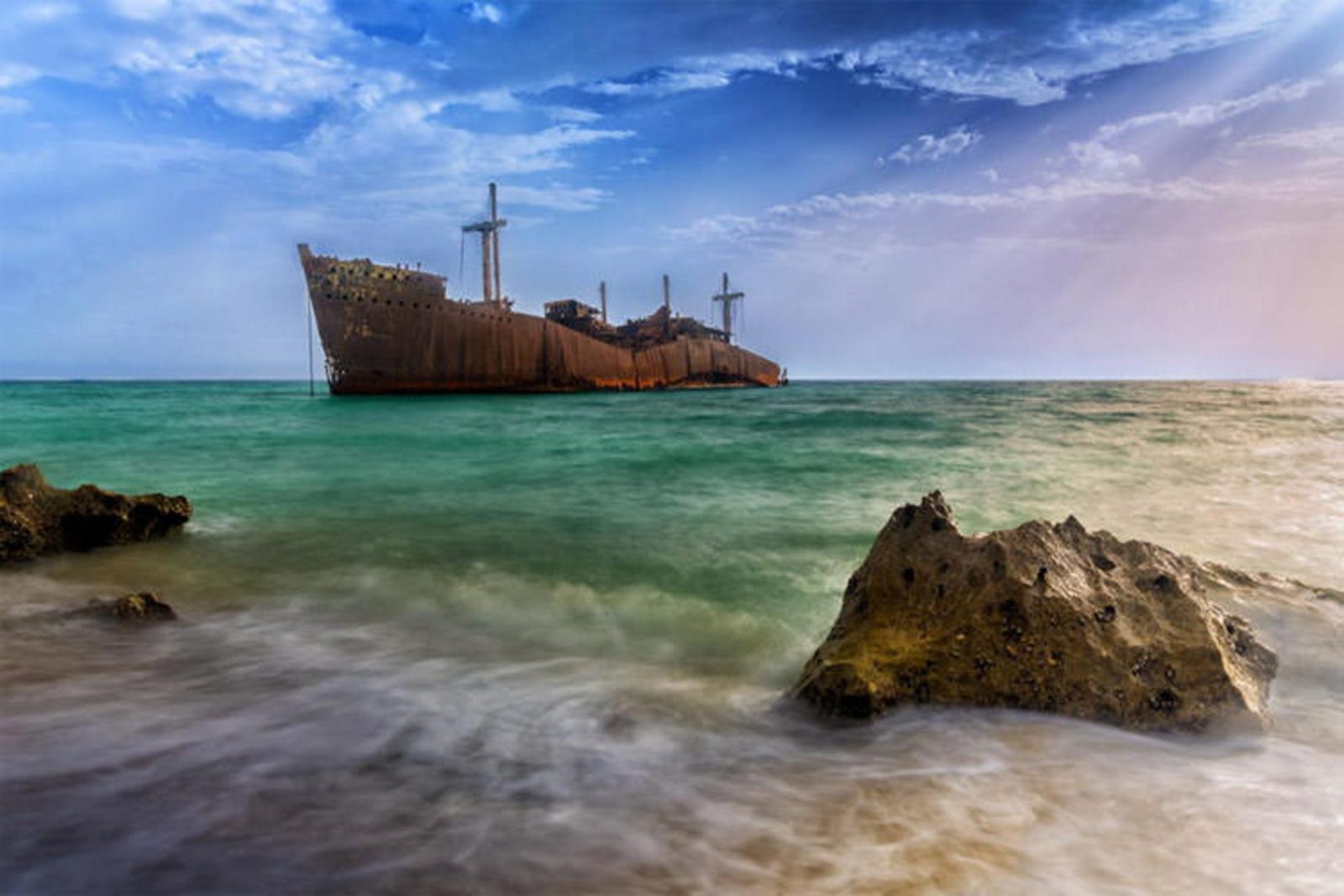
Galedari Bath and the anthropology museum
The Galedari Bath, also known as the Shah Abbas Bath, is the only surviving old public bath in the city. It dates to the late 19th century Qajar period and was commissioned by the merchant Haj Sheikh Ahmad Galedari. Its domed ceilings, thick walls, and separate hot and cold sections were designed for the hot, humid climate of the Persian Gulf. Today it has been restored and turned into the Anthropology Museum of Bandar Abbas, where life size displays show the traditions, clothing, and daily life of the people of Hormozgan. It is a good place to understand the region before you head to the islands.
The Hindu Temple
The Hindu Temple, locally called the Bet Gooran shrine, stands on Imam Khomeini Boulevard, across from the daily market. It was built in the early 20th century to serve the Hindu trading community that lived in Bandar Abbas, and it is the only building of its kind in Iran. Its conical white facade, coral stone walls, and dim inner corridors with traces of religious painting make it one of the most unusual sights in the city. It is registered as a national monument. The temple is generally open during the day, but hours can vary, so check before you go.
The Water Museum and the Clah Farangi Mansion
The Water Museum occupies a building on 22 Bahman Street that dates to the Safavid era. Its displays explain the hard work of digging wells and qanats in a region where fresh water has always been precious, and you can see jars, stone vessels, and tools used to move and store water.
Near the old jetty on Taleghani Boulevard, the Clah Farangi Mansion is a reminder of the city's trading past, when it served as a customs house and commercial office. Its name comes from the conical, hat like dome that once crowned its octagonal upper room, which locals compared to the European hats of the time. It is registered as a national monument, and visiting is free.
Beaches and coastal parks
The Persian Gulf shoreline is the city's living room. Suro Coastal Park offers jet skiing, boat rides, and even motorcycle riding on the sand. Ghadir Coastal Park hosts the sand sculpture festival in autumn. The coastal boulevard is at its best in the late afternoon and evening, when families come out, the heat drops, and the water turns gold at sunset. Separate swimming areas for men and women exist in the coastal parks.
Museums for a hot afternoon
When the heat is too much, duck into the Bandar Abbas Grand Museum, a three story building of about 2,400 square meters with sections on anthropology, archaeology, and temporary exhibitions in a design inspired by traditional Hormozgan architecture. The Wildlife Museum on Azadi Boulevard in Golshahr Jonubi is small, about 185 square meters, but it holds a surprising collection: mammals, birds, fish, sponges, corals, shells, and even a whale skeleton, plus dioramas of protected areas such as Geno, the Hara mangroves, and the Shidvar wildlife refuge.
Where to stay in Bandar Abbas
Accommodation ranges from budget hotels near the bazaar to large five star properties on the coast. Near the central market and the Hindu Temple, the Atilar complex and Atilar 2 are popular and central. Near the Galedari Bath, the Amin Hotel is convenient. Near the Imamzadeh Seyed Mozaffar shrine, the Hormuz and Atilar hotels are options. The Khalij International Hotel and Homa Hotel are among the largest, with sea views, pools, and restaurants, and the newer Hotel 55 opened in 2024 inside the Bandar Abbas Mall complex on Isar Street, about 4 kilometers from the airport and 9 kilometers from Shahid Haqqani Pier.
Prices swing sharply around Nowruz and other holidays, so reserve early. The easiest approach is to open Mehyar, go to Hotels, and compare the options for your dates in one place, then book with confidence. If you are arriving by air and staying near the coast, pairing a Mehyar Hotel booking with a Mehyar Taxi from the airport keeps the arrival simple.
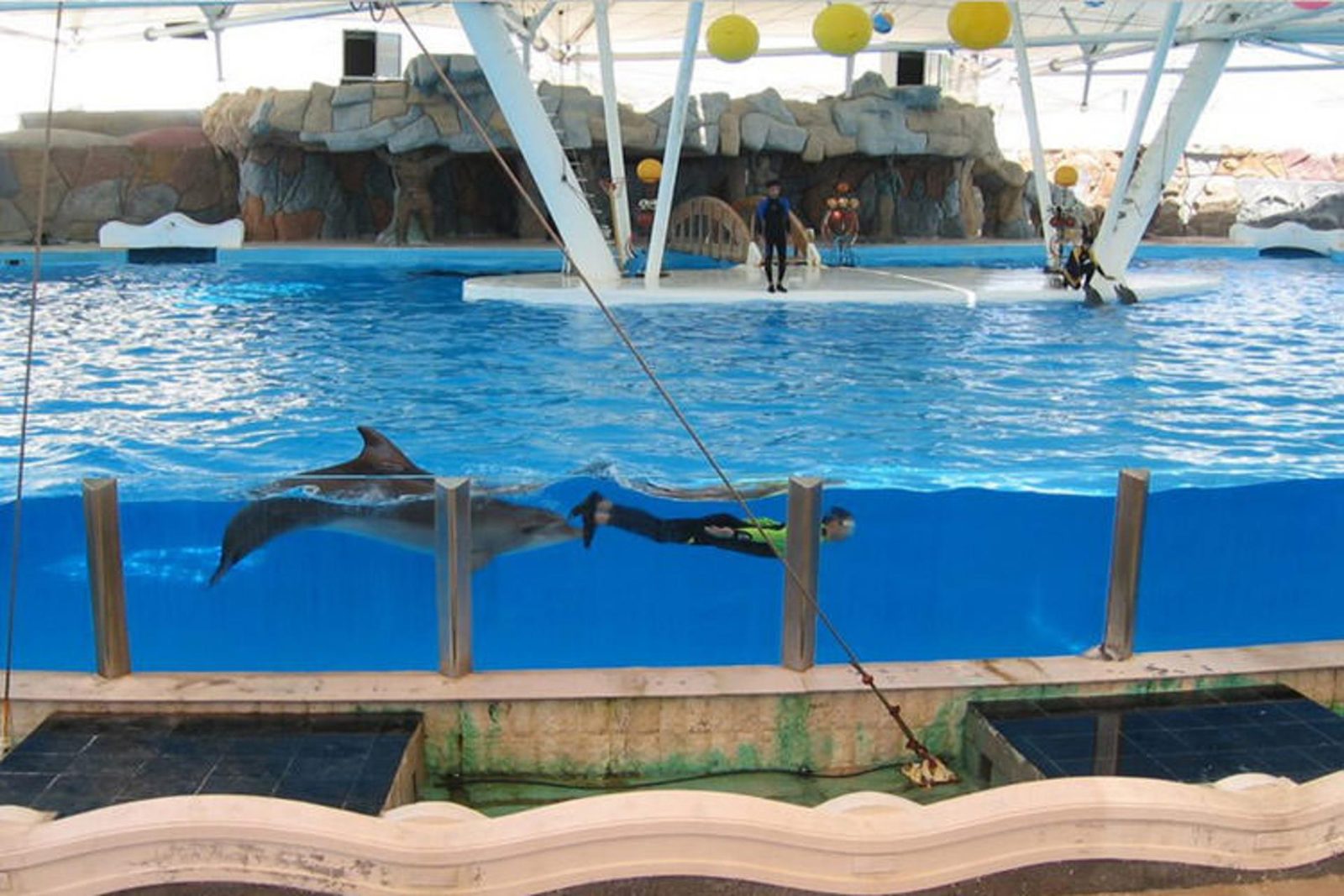
Ferries to Hormuz and Qeshm
For many travelers, the whole point of Bandar Abbas is the water crossing. The ferries leave from Shahid Haqqani Passenger Pier, which is the city's main passenger port.
Hormuz Island
Hormuz is the small, dramatic island just south of the city, famous for its red and rainbow colored soil, its salt caves, and its sculpted rock formations. Boats to Hormuz leave from the western side of the passenger hall at Shahid Haqqani Pier. Scheduled departures are usually in the morning, around midday, in the afternoon, and in the evening, and the crossing takes about one hour. Tickets for foreign visitors cost more than the local fare, and payment is normally in Iranian rial cash or with a local bank card. Ferry tickets are usually valid for any departure on the same day.
Buy your ticket at the counter near the roundabout in front of the pier, then walk to the far berth for boarding. Bring your passport and ticket to the checkpoint, and arrive well ahead of the departure time during peak season.
Qeshm Island
Qeshm, the largest island in the Persian Gulf, is reached from the eastern side of the same passenger hall. Fast boats make the crossing in around 40 minutes in normal conditions, while traditional launches take roughly an hour and a half. If you want to bring a private car, you need the larger landing craft ferries, which take between 60 and 90 minutes. Boats generally run from about 6 in the morning until 11 at night, weather permitting. Very large vehicles such as full size pickups cannot be carried, so check before you commit.
Tickets are usually sold in person at the pier, and during busy travel periods you should be there at least an hour early. For day trips to either island, a common and comfortable pattern is to leave Bandar Abbas on the first boat and return on a late afternoon or evening sailing.
Before any crossing, use Mehyar to arrange your ride to Shahid Haqqani Pier. Traffic near the port can be heavy, and a pre booked Mehyar Taxi saves you from haggling in the heat with luggage.
Food and practical notes
Seafood is the reason to eat well here. Look for ghalieh mahi, a tangy fish stew with tamarind and herbs, and grilled fish straight from the market. The fish market area and the streets around the old bazaar have simple restaurants serving the day's catch. For a break from fish, try the local dates and the tamarind based snacks sold in the bazaars.
Money matters deserve a little planning. International cards generally do not work in Iran, so before you arrive, set up the Mehyar Wallet and top it up so you can pay for rides, hotels, and everyday purchases without hunting for cash. Keep some rial cash for small purchases, ferry tickets, and places that do not take cards.
The sun is serious here. Carry water, wear a hat, use sunscreen, and plan indoor activities for the middle of the day. The city is generally safe and hospitable, but as anywhere, keep an eye on your belongings in crowded markets.
Nearby and onward
Bandar Abbas is the natural base for the islands. From here you can cross to Hormuz for its geological wonders, or to Qeshm for the Hara mangroves, the Valley of the Stars, and the Chahkooh canyon. Kish is also reachable, mostly by air from Bandar Abbas, since there is no direct sea route from the city. The coastal drive west toward Bushehr and the towns of the Persian Gulf coast rewards anyone with time and a car.
To go deeper, read our guides to Hormuz at /en/articles/hormuz/ and Qeshm at /en/articles/qeshm/, and plan a longer island stay with our Kish guide at /en/articles/kish/. If this is your first visit to the country, our first trip to Iran guide at /en/articles/first-trip-to-iran/ will help you prepare before you fly.

Start your Bandar Abbas trip with Mehyar
Bandar Abbas works best when the logistics are handled before you arrive. Open Mehyar to book your flight or bus, reserve a hotel near the bazaar, the coast, or the ferry pier, and set up your wallet so paying is simple. When you land or step off the bus, request a Mehyar Taxi and go straight to your room, then plan your island crossings with the same app. The Persian Gulf is waiting just beyond the harbor, and the easiest way to reach it is to start with Mehyar.