
Kish is the island most Iranians put at the top of their winter escape list, and the southern destination that surprises foreign visitors most. A coral platform in the Persian Gulf, part of Bandar Lengeh county in Hormozgan province, it packs beach resorts, water sports, air-conditioned malls, an ancient underground water channel and the ruins of a medieval trading port into a space you can drive across in half an hour. Millions come each year for the sea air and the warmth. Those who stay longer than a weekend find that the island has a real past under the leisure park.
Here is what is worth your time, how to fit it into two or three days, and when the weather cooperates.

Where is Kish?
Kish lies in the eastern Persian Gulf off the Hormozgan coast of southern Iran and belongs to Bandar Lengeh county. It is a low coral island whose shore shelves gently into shallow water, close enough in that reefs and marine life survive within sight of the beach.
The geography of movement is simple. The airport, the hotel strip and most shopping sit in the north and centre. Beach life and water sports run along the south and west. The historical sites are scattered across the north and the southwest. Almost everything is under half an hour from everything else by car, which is what makes a short visit comfortable.
How to get to Kish
By air. Kish has its own airport with regular services from Tehran and the other large Iranian cities. The flight from Tehran is a little over an hour, against many more hours of road through Shiraz and Bandar Abbas. Book it under Flights in Mehyar and you will usually find morning and evening departures, except around the Persian New Year holidays, when seats go early.
By sea. If you are already on the southern coast, car ferries and fast passenger boats cross between the mainland port of Charvek and Kish in under an hour in calm weather. This is the only way to bring a hired car, and it is the scenic arrival.
On the island. Kish is spread out and its sights are not walkable from one another, so taxis or a rental car are the working solution. A private car with a driver for the day, arranged through Mehyar Taxi, is the smartest way to link the Greek Ship, Baghku village and the Kariz in one loop. Bicycles are rented along the beach roads, which suits the flat north and centre better than the hilly southwest.
Foreign visitors should check current visa arrangements before booking. Kish and the neighbouring islands have at times been handled differently from the mainland on arrival, and the rules change, so ask your consulate or your hotel rather than trusting anything read online.
The seaside sights
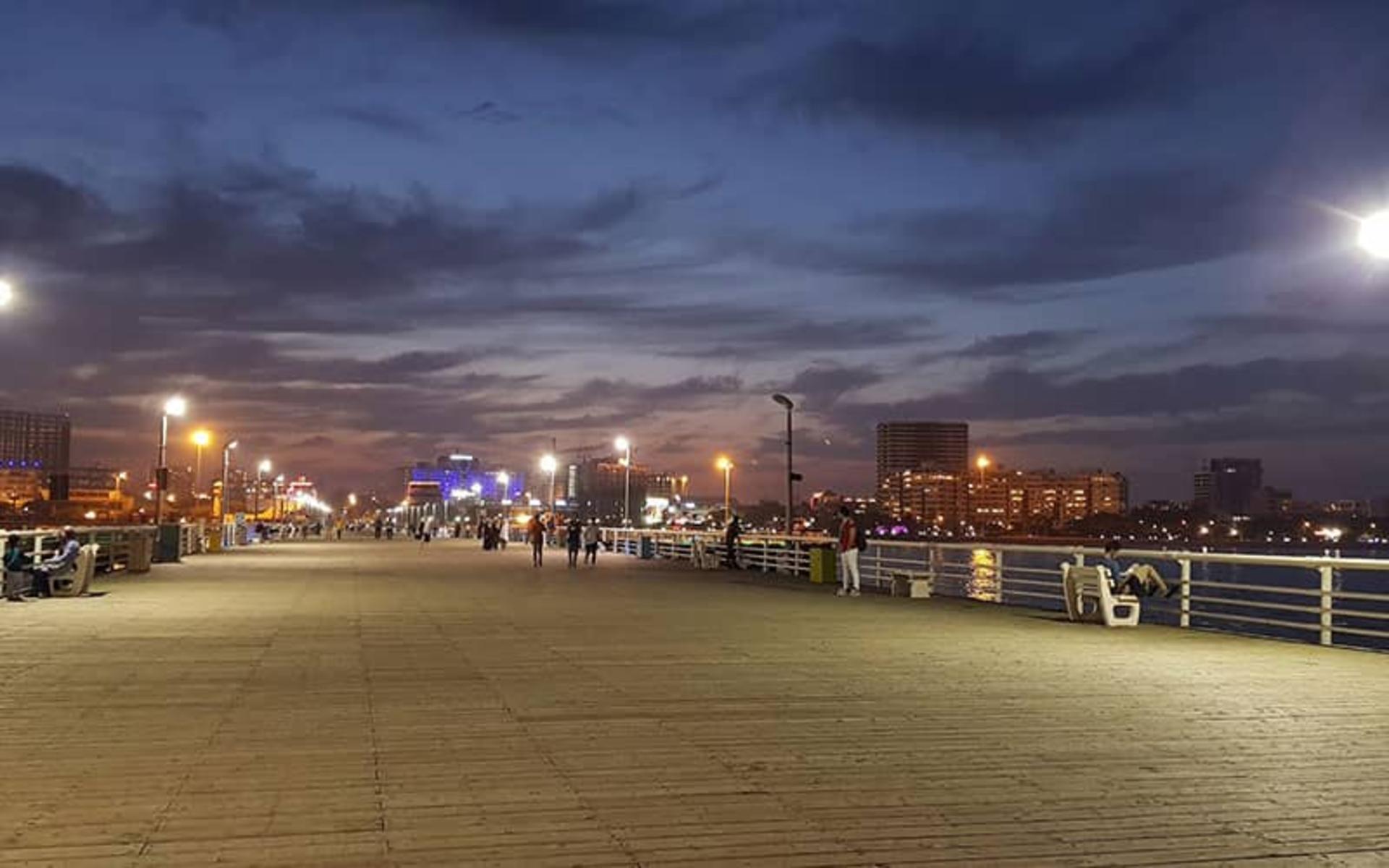
Recreational Pier. The island's most reliably pleasant spot runs along its eastern edge: a pier 437 metres long and 18 metres wide, opened in 2006, with some 10,000 square metres of decking, cafés, buffet points and sea-facing benches. Locals come to walk at dusk, and this is where you book almost every water activity on Kish, such as jet-ski, flyboard, sea scooter, shuttle tube and banana boat rides, plus pedal boats, glass-bottomed boat trips, fishing and diving. Large turtles and shoals of fish are regularly seen from the deck. There are restrooms, which matters more than it sounds on a long afternoon with children.
Coral Beach. In the southeast, the prettiest shoreline on the island: a rocky, carefully landscaped beach with golden sand, a well-known beach sculpture, and boat trips run specifically so passengers can look down at shells, snails, sea anemones, jellyfish, ornamental fish and coral. Add parasailing, jet-ski, diving, cafés and several malls within a short walk, and you have the easiest half-day of swimming and eating on Kish.
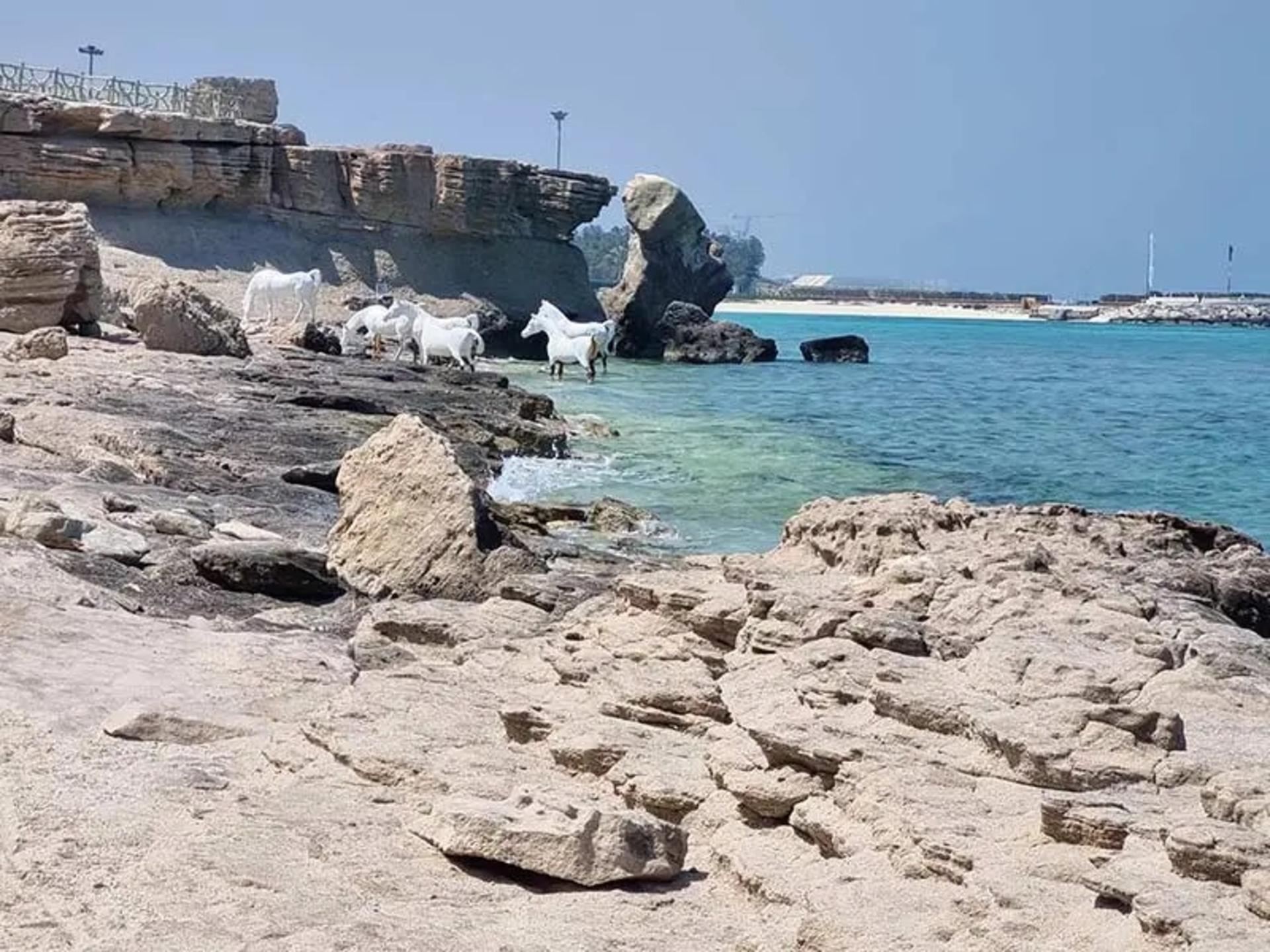
The Greek Ship. The rusting hull on the southwest coast is the image of Kish in every brochure, and the story is stranger than the postcard. The vessel was built in 1943 by William Hamilton and partners in Port Glasgow, Scotland, and came ashore in 1966 carrying oil supplies, after a missing lighthouse, a miscalculation by the captain and shallow water put it firmly on the sand near Baghku. It has never been moved, and the steel is now so corroded that part of the structure has collapsed, so view it from a safe distance. Go at sunrise or sunset for the photographs, and stay for the beach, where you can ride a camel or a horse, hire a bicycle and use the seaside park's buffet and parking.
Three older Kishes
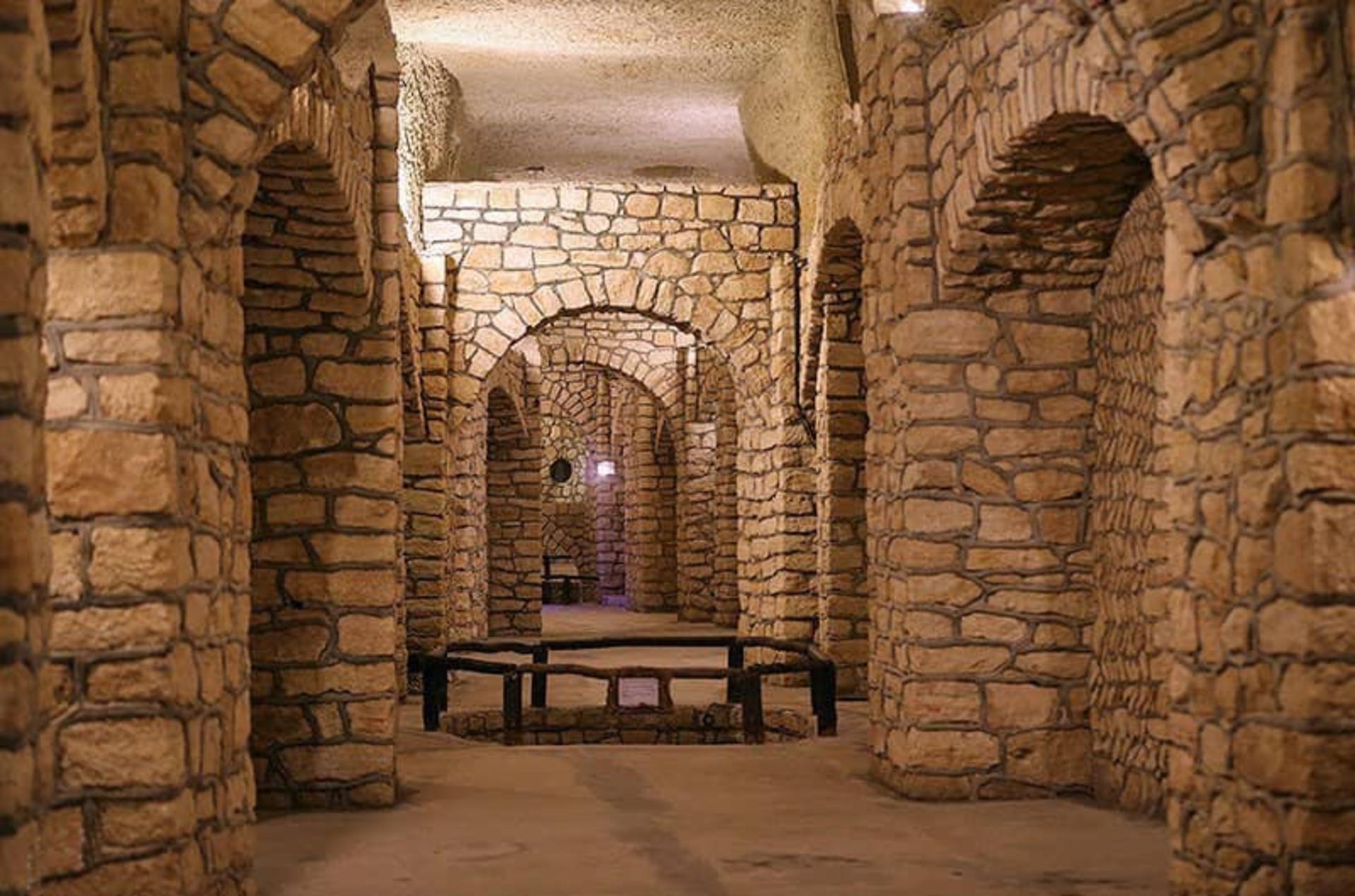
Kariz Underground City. Beneath the island runs a channel up to 15 kilometres long and in places 45 metres high, built more than 2,500 years ago to gather seasonal rainfall and move the fresh water that let people live on a coral rock in the middle of the Gulf. Despite the name it is not a buried city but an ancient qanat, opened to visitors as a walk-through attraction with a ceiling encrusted with shells and coral, handicraft stalls from Iran and abroad, a traditional restaurant and a small museum. It is the coolest place on the island in summer and the most atmospheric hour of your day.
Harireh Ancient City. On the northern coast lie the remains of a port town of some 120 hectares, built up after the great Gulf trading port of Siraf declined. Harireh prospered on traffic between Iran, India and China, stayed populous until roughly the middle of the 10th century of the Hijri era, then faded. The surviving plan reads like a medieval city guide: the palace known as Malek Jamshid's, an affluent house with entrance, reception hall, large north wing and small annexe, a mosque of about 2,000 square metres in Seljuk style, a 500-square-metre bathhouse counted among the oldest in Iran, workshops, water installations and a harbour. It is a registered national monument and takes an unhurried hour.
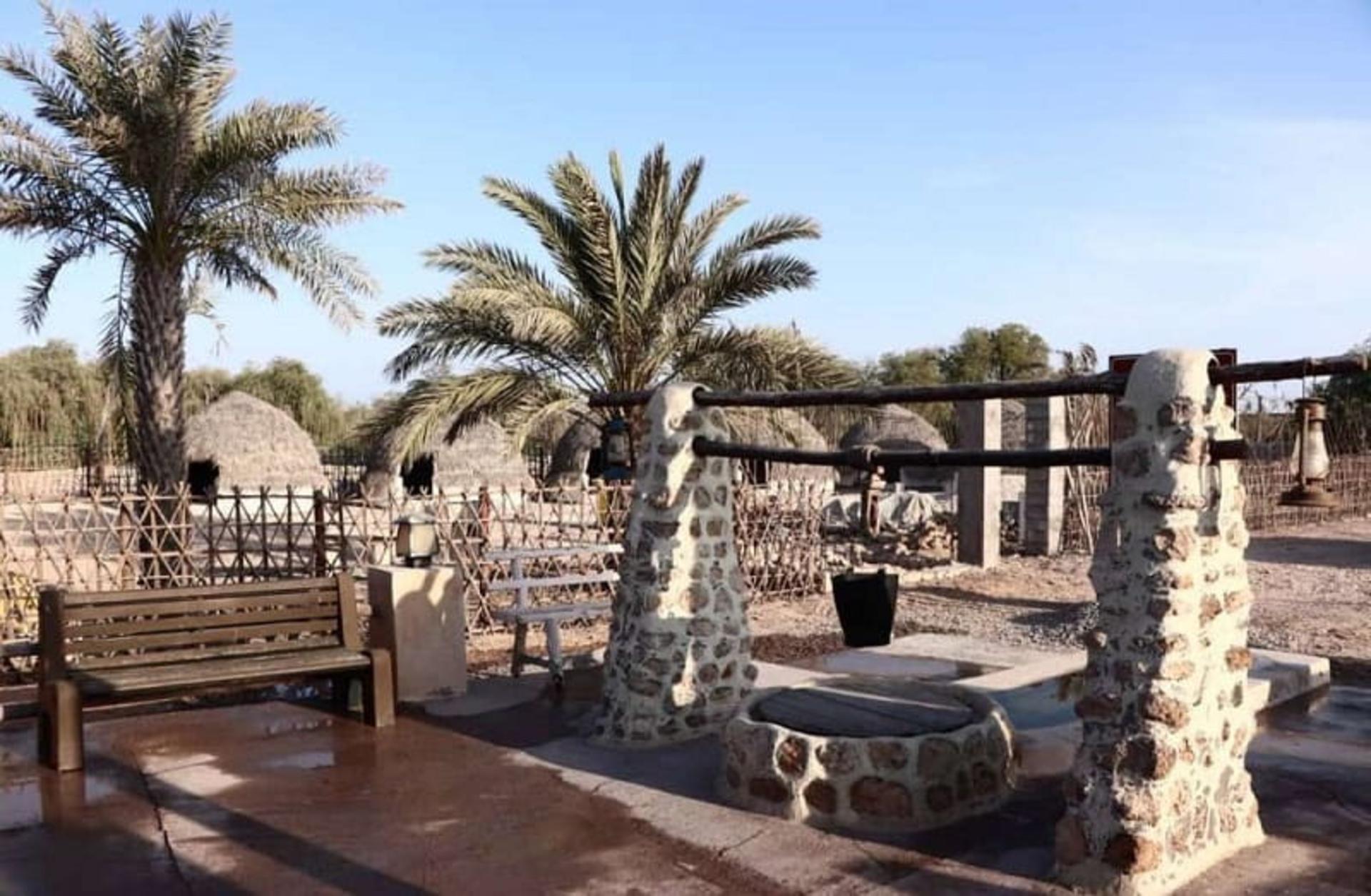
Baghku Village. Fourteen kilometres and a quarter of an hour from Kish town, in the southwest, is the island's last traditional village, said to be named after a hundred-year-old woman, Naneh Baghoo, who lived here during the Portuguese presence in the Gulf. Its sights are a historic mosque recorded from 981 AH, the 60-hectare Deliran park, and stands of lor trees, one of the rarest species on earth. Watering holes have been cut in recent years to draw the island's deer down to the village at dawn and dusk.
The Green Tree. In the north, in an area called the Portuguese Valley, stands a temple fig, or lor, reckoned to be five or six centuries old and believed to have arrived as saplings from India and China. Trees of this kind, which can reach 30 metres, also grow on Qeshm and around Chabahar and Bandar Abbas. Kish's specimen was venerated locally as sacred, and people tied cloth to its branches to ask for a wish; the cloths have since been removed and the trunk fenced in. In the last seasons the tree dried up, and visitors now see a bare trunk and branches. It is worth the detour for the shaded park and the walk toward the coast, but do not expect the green canopy of the brochures.
Family attractions and evening plans

Dolphin Park. Covering 100 hectares in the southeast and founded in 2005, this was Iran's first dolphinarium and remains the island's main family ticket. Three parts are linked by a small train: the dolphinarium, a bird garden holding 107 bird species among more than 100 kinds of plant including palms, lors, eucalyptus and acacia, and a classic show with trained animals and music. Visiting is generally from mid-afternoon, roughly 15:30 to 19:00, and admission for the 2025 to 2026 season was quoted around 1.2 million tomans. Confirm times locally, since shows follow season and weather.
Aquarium. Next to the Dolphin Park, in two halls, one of about 50,000 litres for sharks and large sea fish and another of 20,000 litres for freshwater species, with a preserved-marine-life section and a reptile house of snakes, crocodiles and scorpions. It has been temporarily closed in recent seasons, so check before setting out with children expecting it.
Maryam Bowling. Founded in 2004 beside the Recreational Pier, one of the largest and most modern bowling centres in Iran, with 16 digital lanes, two billiard halls totalling 16 tables, sauna and jacuzzi, a gym, restaurant, coffee shop, arcade and virtual-reality games, and children's rides. It stays open past midnight, which makes it the default night out.
Shopping malls. These are what keep Kish visitable in the sweltering summer: malls with genuinely cold air, selling clothing, perfume, cosmetics, bags and shoes, electronics, bedding, chocolate and groceries. The best known are Mikas, Pardis One and Two, Diplomat, Venus, the Kish Trade Centre, Padna, Sadaf, Damoon, Sarina One, Royal Mall and Cyrus Mall, most with restaurants, tea houses and food courts. Bargaining is normal, and prices in the smaller stalls vary more than the island's trading reputation suggests.
When is the best time to visit Kish?
Autumn is the island's golden season, when the heat breaks and the wind softens and you can walk the coast all day and still want to be outside at night. Winter is mild, and is when Iranian families come to escape snow elsewhere. Spring is the next best window, warm enough to swim without the worst of the humidity. Summer is genuinely hot and sticky, but the sea is warm, indoor attractions are comfortable and room rates fall, so it works if your plan is water sports at dawn and air conditioning by noon.
Days belong to the beaches, the water sports and the historical sites. Nights belong to the lit-up pier, the sea breeze and live music drifting out of the coastal restaurants.
Where to stay
Most visitors base themselves on the northern and western shore, where hotels sit within walking distance of the beach roads and a short drive from the malls and the pier. Book through Mehyar Hotels, choose a sea-view room with breakfast included, and ask whether the property runs its own shuttle to the beach, because a hotel with its own stretch of sand saves you a daily car trip. If you want the village and heritage side of the island, look at the smaller guesthouses toward the southwest.
For a first visit, three nights is the comfortable number: one day for the pier, Coral Beach and the water sports, one for the Kariz, Harireh, Baghku and the Greek Ship at sunset, and one spare. Pair Kish with Qeshm Island for two very different islands in one trip, or with Shiraz if you are building a longer southern circuit.
Book the flight or the crossing in Mehyar, take a hotel on the northern or western shore, and give the island its third day. The postcard is only the front of it.