
Why Visit Ahvaz
Ahvaz is a city that lives after dark. When the sun sets over the Karun River, the boulevards along the waterfront fill with families strolling, teenagers laughing on park benches, and vendors selling fresh sugarcane juice from handcarts. The bridges glow, the reflections shimmer on the water, and the air carries the scent of grilled fish and cardamom coffee. This is a city that earned its reputation as the warm heart of Iran, and the warmth is not only metaphorical.
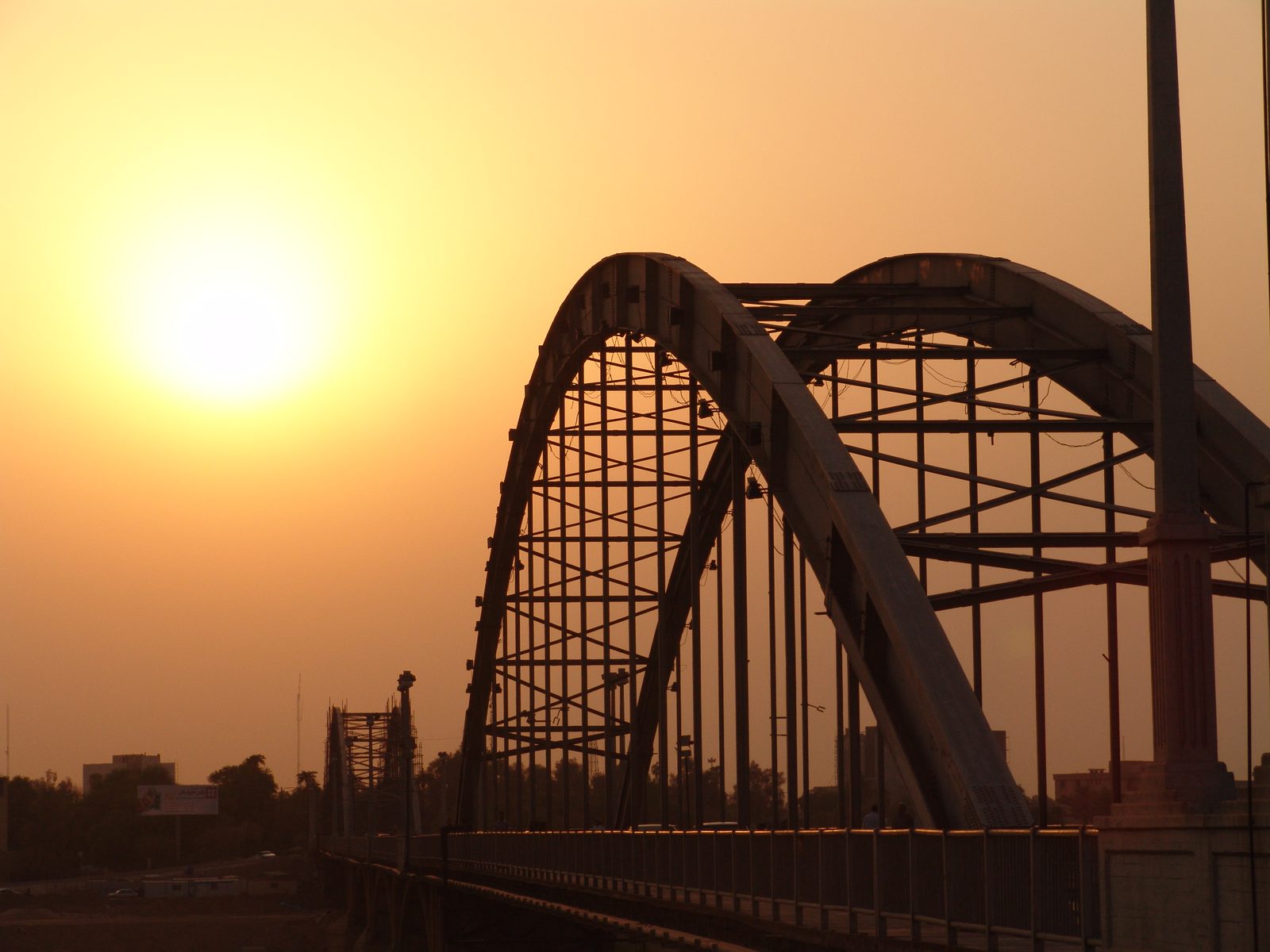
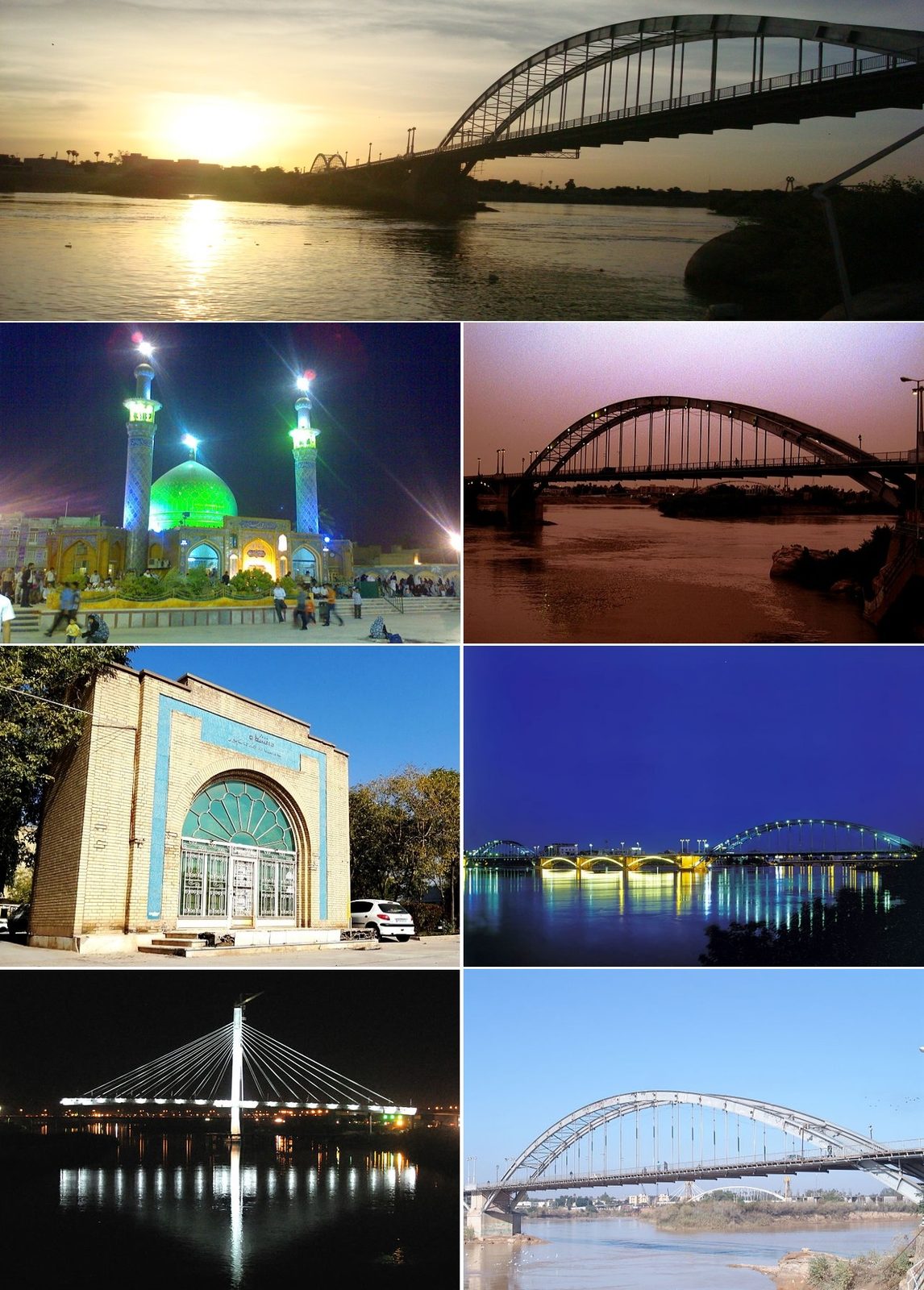
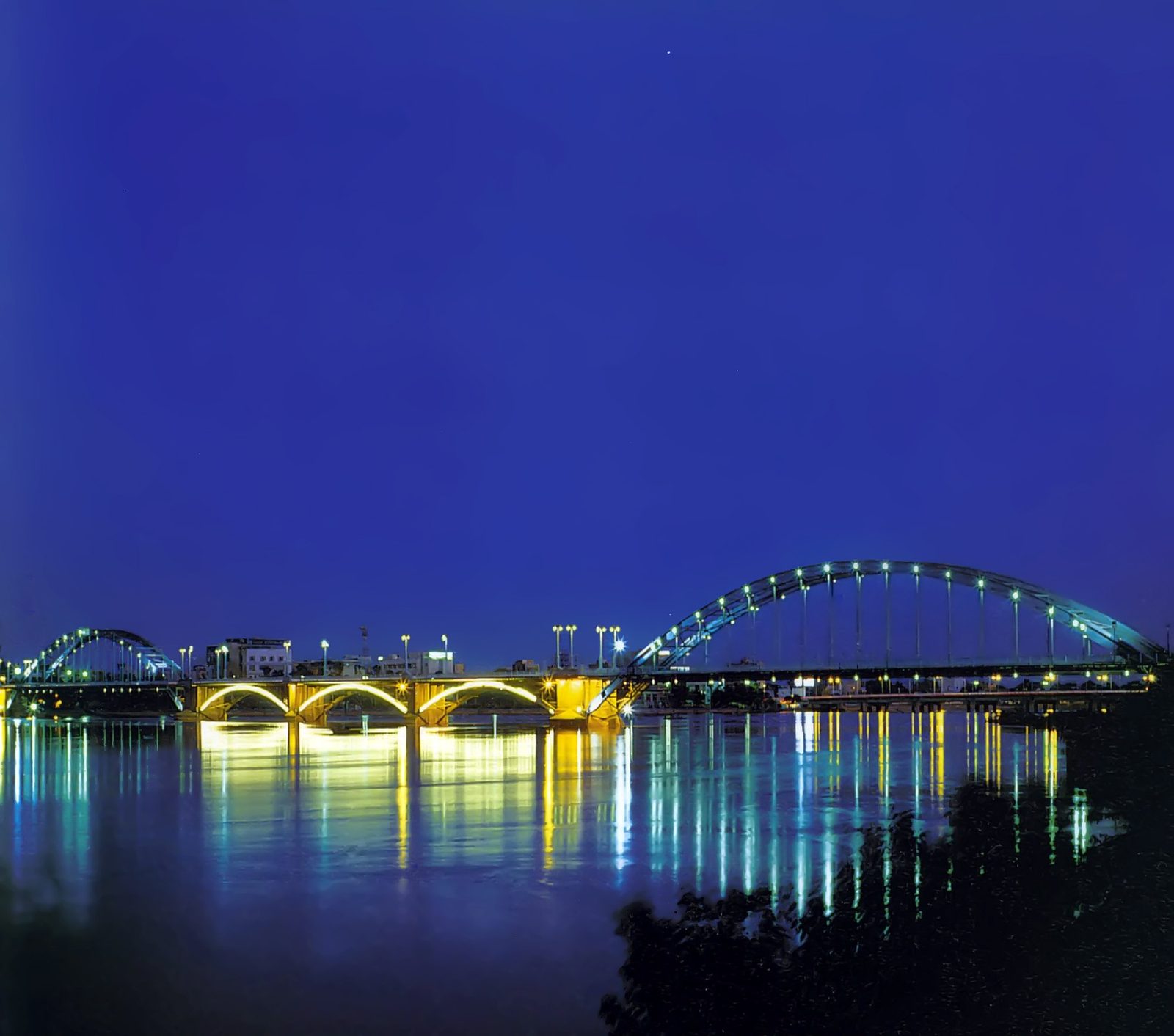
The capital of Khuzestan province, Ahvaz sits in the flat, fertile plain of southwestern Iran, where the Zagros Mountains give way to the Mesopotamian lowlands. The Karun, Iran's only navigable river, cuts the city in two. Nine bridges span the Karun within the city limits, and each one has a story. The White Bridge, an elegant steel arch built in 1936, is the symbol of Ahvaz. The Black Bridge, older and darker, was built to move munitions during the Second World War. And the cable bridge, the longest of them all, produces the longest artificial waterfall in the Middle East when its fountains run at night.
Ahvaz has been a crossroads for millennia. In the Elamite period, the settlement here was called Exin, and it flourished alongside the great ziggurat-building civilization to the east. Over the centuries, the city rose and fell with the tides of empire: Sassanid, Arab, Mongol, and modern. Today it is a cosmopolitan city of more than a million people, where Bakhtiari nomads, Arab communities, Dezfuli merchants, and Abadani families all contribute to a culture that is distinct from anywhere else in Iran.
Getting to Ahvaz
By Air
Ahvaz International Airport (IATA code AWZ) is one of the busiest in southwestern Iran. Airlines serving the airport include Iran Air, Mahan Air, Karun Airlines, Kish Air, Qeshm Air, Taban Air, and several others. Daily direct flights connect Ahvaz to Tehran, Isfahan, and Shiraz. Weekly international flights serve Dubai, Kuwait, and Mashhad. From the airport, a taxi to the city center takes about 20 minutes.
Open Mehyar and check Flights for current schedules and fares. If you are connecting through Tehran, the flight from Imam Khomeini Airport to Ahvaz takes roughly one hour and fifteen minutes.
By Road
From Tehran, the most direct route follows the Persian Gulf freeway through Qom, Arak, Khorramabad, and Andimeshk, covering about 777 kilometers. The journey takes 10 to 12 hours by bus or about 9 hours by car. The road passes through varied landscapes, from the central plateau to the foothills of the Zagros and finally the flat Khuzestani plain.
Intercity buses and shared taxis run regularly between Ahvaz and major cities. Use Mehyar's Buses section to find schedules and fares. Once you arrive, open Mehyar and tap Taxi for rides within the city.
The Bridges of the Karun
The White Bridge (Pol-e Sefid)
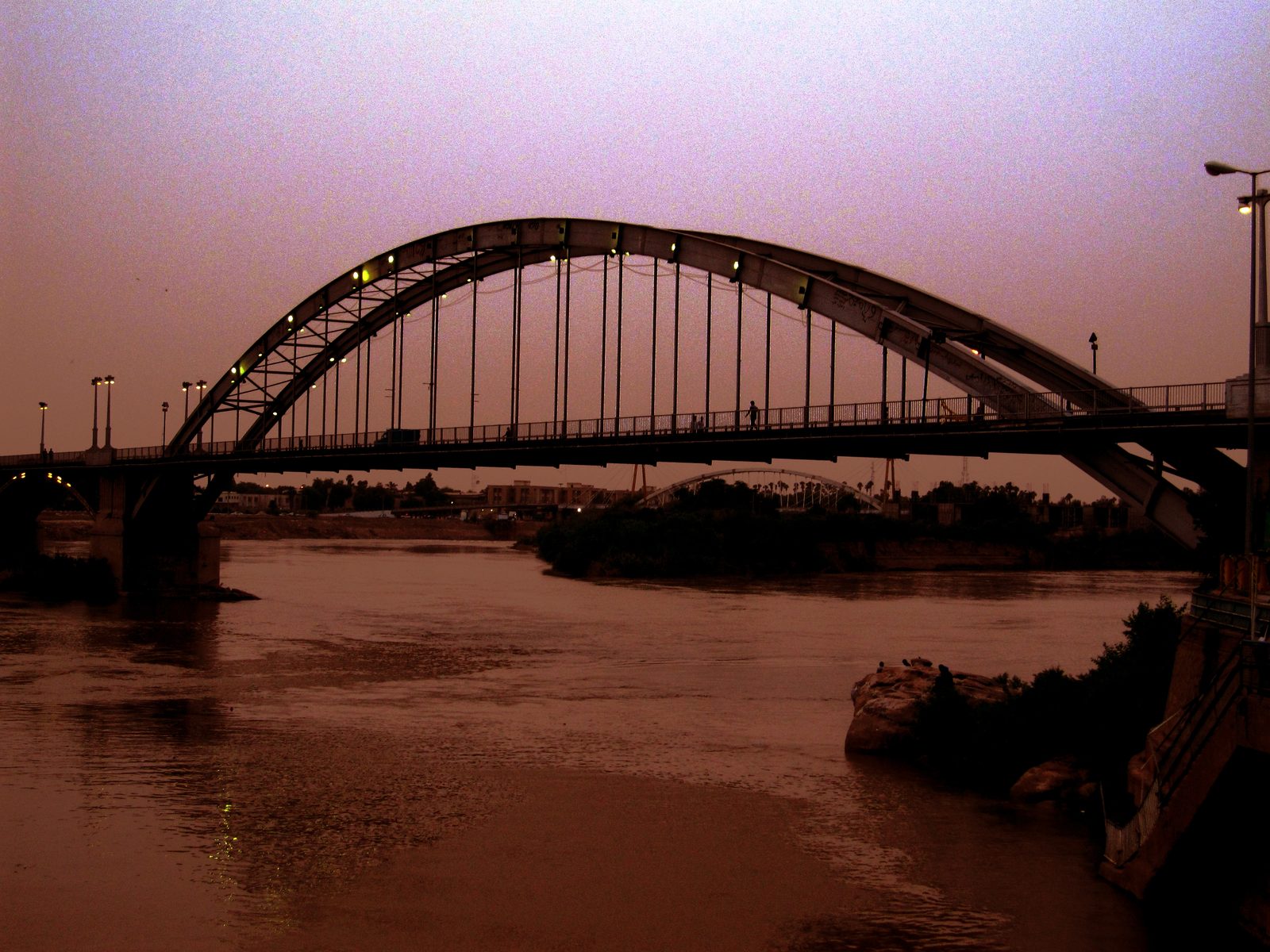
The White Bridge is the most recognizable landmark in Ahvaz. Built in 1936, it was the first suspension bridge in Iran, an engineering achievement that connected the eastern and western halves of the growing city. The bridge is 500 meters long and rises 13 meters above the Karun, its graceful steel arch visible from nearly every point along the riverfront. At night, the bridge is illuminated and reflected in the water below, creating one of the most photographed scenes in southern Iran.
The bridge is open to pedestrians as well as vehicles, and walking across it at sunset offers a fine view of the river, the parks along both banks, and the city lights coming on. It is free to cross and is accessible from the riverside promenades on either side.
The Black Bridge (Pol-e Siah)
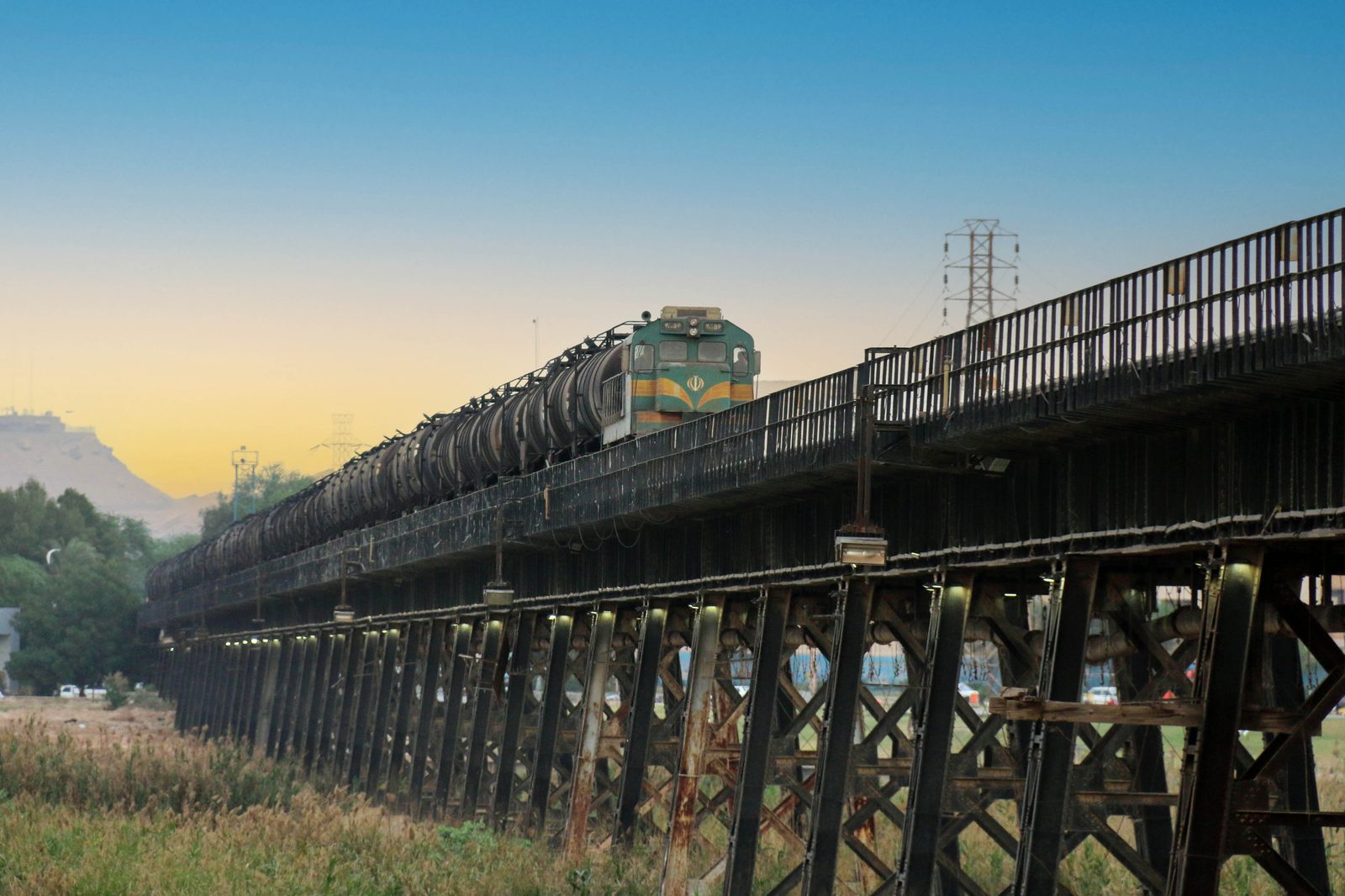
Older than the White Bridge, the Black Bridge was built in 1929 to transport supplies and ammunition during the Second World War. It is a modest structure, 100 meters long and 6 meters high, with dark iron supports that give the bridge its name. The bridge is no longer in active use for military purposes, but it stands as a historical monument and a reminder of Ahvaz's strategic importance during the war years.
The Cable Bridge and the Waterfall
The newest of Ahvaz's major bridges is the cable-stayed bridge, which holds a distinctive record: when its decorative fountains operate, it produces the longest artificial waterfall in the Middle East. The water cascades from the bridge deck into the Karun below, lit by colored lights at night. It is a spectacle that draws crowds every evening, especially on warm nights when the riverside fills with onlookers.
Historical Sights
Surp Mesrop Church
One of the oldest churches in Khuzestan, Surp Mesrop (Saint Mesrop) was built by the Assyrian-Christian community of Ahvaz in the early twentieth century. The church is a quiet place of worship with simple, elegant architecture, and it stands as a testament to the religious diversity that has long characterized the city. Visits are possible outside of prayer times, though it is respectful to check with the community first.
Moein ol-Tojjar Mansion
The Moein ol-Tojjar Mansion is one of Ahvaz's finest surviving examples of early twentieth-century residential architecture. Built by a wealthy merchant, the mansion features windcatchers, tiled courtyards, and carved wooden doors that reflect the building traditions of Khuzestan. The structure has been registered as a national heritage site, and parts of it are open to visitors. It is a good stop for those interested in the city's commercial past and the merchant families who shaped it.
Lashkarabad
Lashkarabad is not a monument but a neighborhood, and it is one of the most beloved spots in Ahvaz, particularly for food. This Arab-majority district is the heart of the city's falafel culture. The streets are lined with small restaurants and street stalls, each offering their own version of the dish: freshly fried falafel wrapped in warm bread with pickles, herbs, tahini, and spicy sauce. Many Ahvazis will tell you that the best falafel in Iran, perhaps anywhere, is found here. The neighborhood is lively in the evenings, with families sitting on plastic chairs at makeshift tables, eating with their hands and drinking fresh sugarcane juice.
The Karun Riverfront
The Karun is more than a geographical feature in Ahvaz; it is the city's living room. The riverside promenades on both banks are among the most popular public spaces in southern Iran. In the evenings, the walkways fill with joggers, couples, elderly men sipping coffee at outdoor tables, and children chasing pigeons. Boat rides on the Karun are available in some sections, offering a different perspective of the bridges and the city skyline.
The river itself is the most water-rich in Iran, flowing from the Zagros Mountains to the Persian Gulf. In Ahvaz, it is wide and slow, flanked by palm trees and parkland. The contrast between the river's calm surface and the bustling city around it is one of the defining experiences of a visit.
Shopping and Souvenirs
Kaveh Bazaar
Kaveh Bazaar is one of the oldest markets in Ahvaz, dating to the early Pahlavi period. It operates in the traditional style, with covered corridors organized by trade. Here you can find the edible souvenirs of Khuzestan: dates and date syrup, halva-ardeh, sesame sweets, local spices, and dried fish. The atmosphere is old Ahvaz, a place where commerce has proceeded at the same pace for generations.
Abdulhamid Bazaar
Another historic market in the city center, Abdulhamid Bazaar is a good place to pick up kapu (woven palm-leaf baskets), local textiles, and traditional Arab jewelry. The market is less touristy than Kaveh and offers a more authentic slice of daily life.
For modern shopping, the Pardis and Kourosh malls in the Kianpars district offer air-conditioned comfort during the hottest months. Open Mehyar and load your Wallet before heading to any bazaar or market, so you can pay by card at every stall.
Food and Drink
Ahvaz's food culture is shaped by its climate, its river, and its multicultural population. The Arab community has brought a tradition of spiced rice dishes, stuffed vine leaves, and rich coffee. The Bakhtiari influence shows in the love of grilled lamb and dough (a yogurt drink). And the river itself provides the fish that features in so many local dishes.
Ghalieh mahi, a fish stew flavored with tamarind, garlic, and fresh herbs, is perhaps the most iconic dish. Ghalieh meygu, the shrimp version, is equally popular. Samboseh, the local cousin of the samosa, is a staple snack, sold fresh-fried at street corners throughout the city. And, of course, there is falafel, which in Ahvaz reaches heights that few other cities can match.
The traditional sweets of Khuzestan include date-based confections, halva, and sesame bars. Arabic coffee, brewed in a dallah and served in small cups, is an essential part of the local hospitality.
When to Visit Ahvaz
The best time to visit Ahvaz is between November and March. During these months, daytime temperatures hover around 20 to 25 degrees Celsius, and the evenings are cool and pleasant. The riverside parks are at their most enjoyable, and you can walk the bridges without the oppressive heat that defines the rest of the year.
Nowruz, the Persian New Year in late March, is a festive time to visit, though temperatures are beginning to climb. Summer, from June to September, is brutal: temperatures regularly exceed 45 degrees Celsius, and the humidity from the Persian Gulf makes it feel even hotter. Most outdoor activities become impractical, and even locals spend their days indoors and emerge only after sunset.
For travelers coming to Iran for the first time, our guide to planning your first trip to Iran covers visas, money, SIM cards, and the essentials you need. And since you will be paying for meals, taxis, and entrance fees along the way, our guide to paying in Iran as a foreign visitor explains how to set up a Mehyar wallet so you are never stuck without local currency. If you are interested in the food culture of southern Iran, the Persian cuisine experience guide covers the dishes and traditions you will encounter in Ahvaz and beyond.
Plan Your Trip to Ahvaz with Mehyar
Ahvaz is a city that rewards patience and curiosity. It is not a place of grand monuments and museum halls; rather, it is a city of atmosphere, of riverfront walks at dusk, of falafel in Lashkarabad, of coffee served by Arab grandmothers in small cups. The bridges tell the story of a city that has always been about crossing: between cultures, between past and present, between the mountains and the gulf.
Open Mehyar to start planning. Use the Planner to build your Ahvaz itinerary, Hotels to find accommodation near the riverfront, and Taxi for rides between sights. Whether you are flying in or driving from Tehran, Mehyar's Flights and Buses sections help you reach Ahvaz and explore the wider Khuzestan region.
If Ahvaz's riverfront atmosphere appeals to you, you may also enjoy the port city of Bandar Abbas on the Persian Gulf coast, or the ancient Elamite sites at Persepolis and Naqsh-e Rostam to the north, where the civilization that once flourished here left its most enduring monuments.