
Varzaneh is the kind of place that rearranges your sense of distance. From the crowded avenues of Isfahan, you drive southeast for roughly an hour and a half, and the landscape folds open into something much older: a river that ends, a wetland that breathes, and dunes that shift with every wind. This is the closest true desert to Isfahan, and for many travelers it becomes the unexpected highlight of their Iran itinerary. This guide covers everything you need to plan a visit: how to get there, what to see, when to go, where to sleep, and how Mehyar can handle the logistics so you spend less time negotiating and more time walking on sand.
Where Is Varzaneh?
Varzaneh sits in the eastern part of Isfahan Province, about 105 kilometers southeast of Isfahan city center. It lies on the edge of the Gavkhouni International Wetland, the terminal basin of the Zayandeh Rud river, and marks the last significant settlement before the river disappears into the marsh and salt flats. The town itself is compact, with a population of around 14,000 to 17,000 people, and its historical core still carries the texture of an older Iran: mud-brick walls, narrow lanes, and a skyline broken by a single minaret.
Geographically, Varzaneh is bordered by Nain to the southwest, Isfahan to the northwest, and Yazd Province to the east. It is also the gateway to one of Iran's most accessible dune fields, known locally as Rig Sara or the Varzaneh dunes. The town's elevation is roughly 1,470 meters above sea level, which keeps summer nights bearable even when the days are fierce.
How to Get There
From Isfahan by Mehyar Taxi
The easiest and most comfortable way to reach Varzaneh is to open Mehyar and book a Mehyar Taxi from Isfahan. A private car takes about 1 hour 30 minutes to 2 hours, depending on traffic leaving the city and your exact starting point. The driver will take the Isfahan to Varzaneh road, passing through small agricultural towns such as Ezhiyeh and Qurtan. You can also arrange a round trip with a waiting driver if you plan to visit the dunes and return the same day, which is what most travelers do.
By Bus or Shared Taxi
Public buses from Isfahan's Jey Terminal run toward Varzaneh a few times a day, but schedules are irregular and the trip can take longer than expected. Shared taxis from the same terminal are faster and leave when full. If you use this route, confirm the last return time before you leave, because evening departures from Varzaneh fill up quickly in high season. For a smoother experience, especially if you are carrying camping gear or plan to visit multiple sites, Mehyar Taxi is the more reliable option.
From Yazd or Nain
Varzaneh is also reachable from the south. From Nain, the drive is about one hour. From Yazd, it takes roughly three hours. Travelers driving their own car can approach via the Isfahan to Yazd highway and turn off near Qurtan. The roads are paved to Varzaneh, but the final stretch to the wetland and dunes becomes dirt, so a vehicle with decent clearance is helpful, especially after rain.
Getting Around Locally
Varzaneh's historical core is small enough to explore on foot. To reach the dunes, the wetland, or Qurtan Castle, you need a vehicle. Mehyar Taxi can handle short local hops, and many guesthouses also arrange desert transfers for their guests. If you prefer to keep your own schedule, booking a car with a driver through Mehyar for the full day is the most practical approach.
A Short History
Varzaneh has been inhabited for thousands of years, with archaeological evidence pointing to settlements and Zoroastrian presence long before the Islamic period. The name itself is often linked to cultivation and working the land, a fitting meaning for a town that has lived off agriculture and the Zayandeh Rud for centuries. The Friday Mosque, or Jameh Mosque, stands on the site of an older fire temple, and its current structure dates largely to the Timurid era. In later periods, Varzaneh became known for its white-veiled women, a tradition that still defines the town's visual identity and has earned it nicknames like the City of White Angels and the City of White Doves.
What to See in Varzaneh
The Sand Dunes of Rig Sara
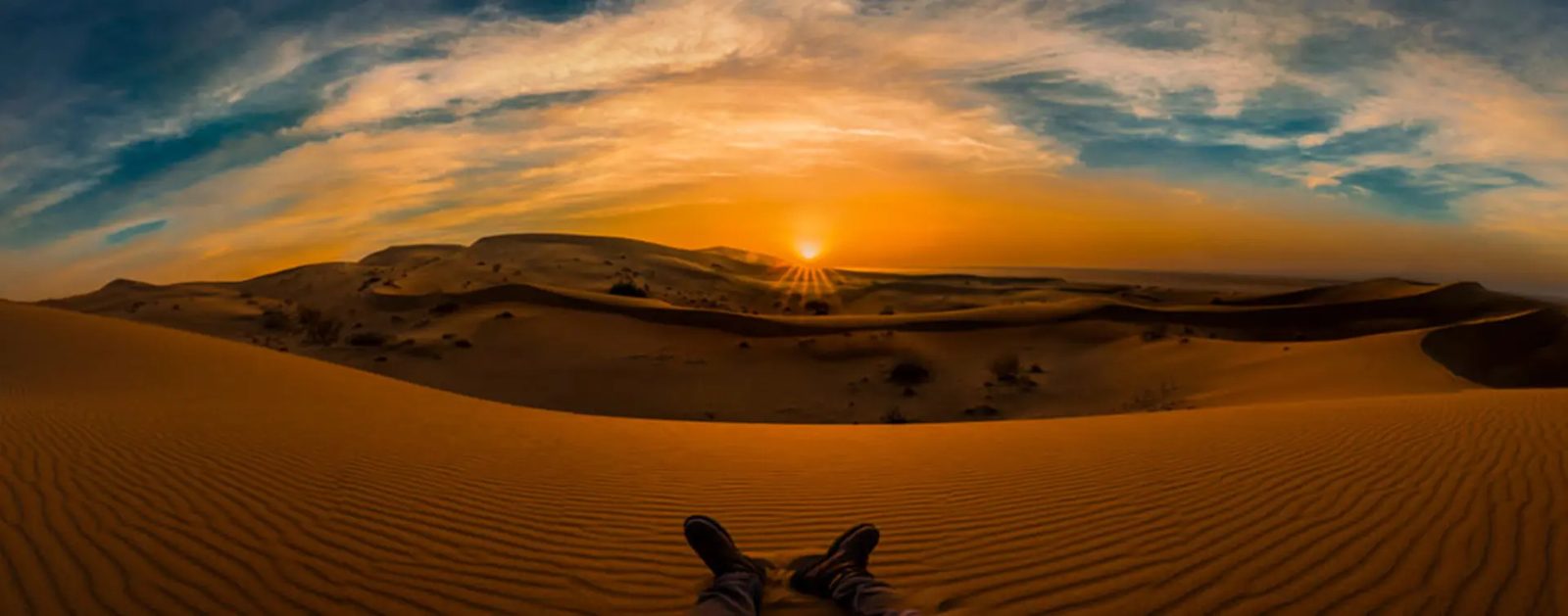
The Varzaneh dunes, known locally as Rig Sara, are the main reason many travelers come. These are not distant, fenced-off curiosities. They rise directly from the desert floor in rolling waves, with crests that glow gold in late afternoon and cool to deep apricot at sunset. The dune field is vast, and walking to the top of a high ridge gives you a panorama of sand, sky, and the dark outline of Black Mountain in the distance. Sandboarding is possible on some slopes, and camel rides are often available near the main access points. The dunes are the closest sandy desert to Isfahan, which makes them ideal for a day trip or an overnight camp.
Gavkhouni Wetland and the Salt Flats
The Gavkhouni International Wetland is the terminal point of the Zayandeh Rud and one of the most important wetland ecosystems in central Iran. In wet years, it becomes a shallow, silvery expanse that attracts migratory birds and supports a surprising amount of wildlife. In dry years, the water retreats and the surface turns into cracked salt flats and dust patches. This variability is part of what makes Gavkhouni compelling, but it also means you should set expectations before you go. The wetland was registered under the Ramsar Convention in 1975 and declared a protected area more recently. Access is via a dirt road from Varzaneh, and the drive itself passes through open desert with wide horizons.
Black Mountain (Kuh-e Siah)
Black Mountain, known locally as the Eye of the Wetland, rises to about 2,050 meters and offers the best elevated view of Gavkhouni and the surrounding desert. The mountain is volcanic in origin, covered in porous black rocks that contrast sharply with the pale sand and salt below. If you have time and a vehicle, the drive to its lower slopes and a short walk to a viewpoint is worth the detour, especially in the early morning or late afternoon.
Jameh Mosque of Varzaneh
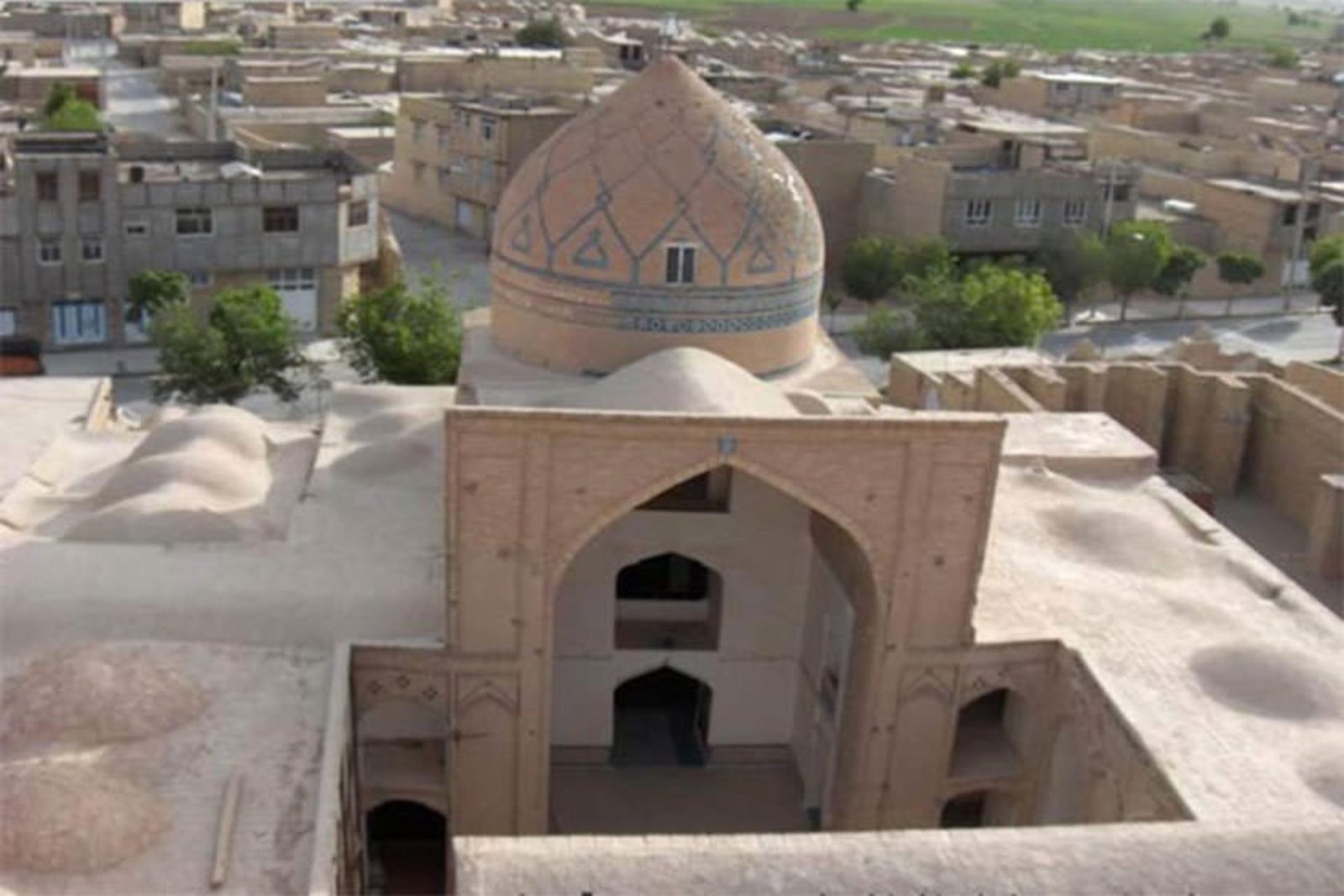
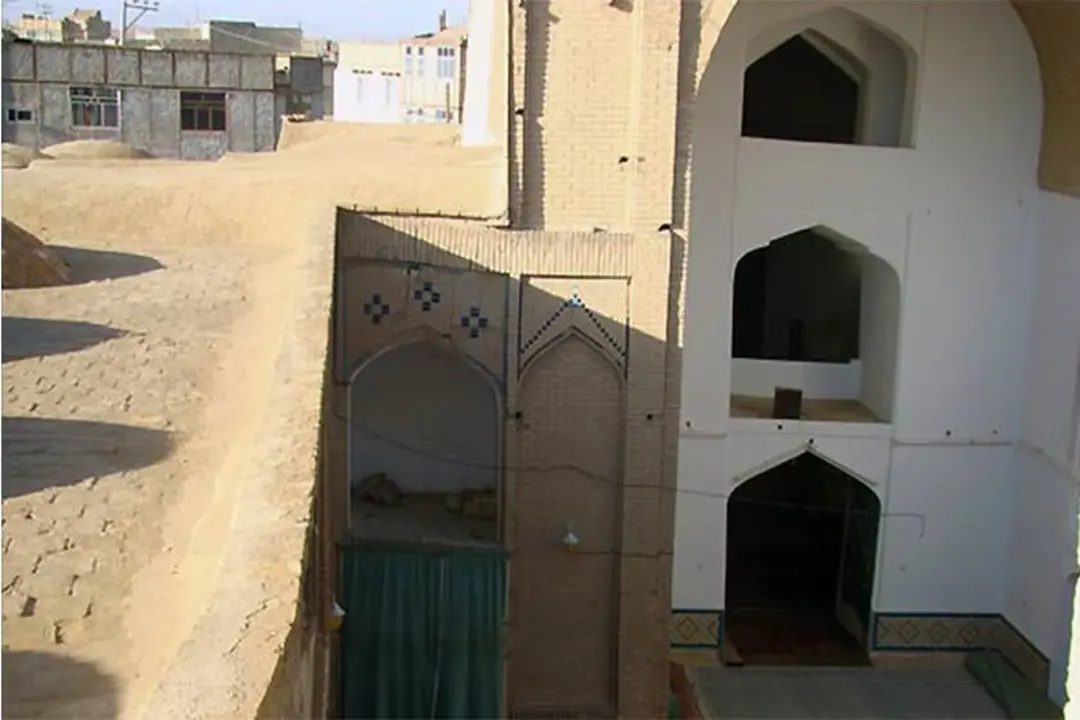
The Jameh Mosque is Varzaneh's most prominent historical monument. Its original foundation is believed to rest on the remains of a Zoroastrian fire temple, and the current building is attributed to the Timurid period based on inscriptions above the entrance. The mihrab is decorated with fine tilework, and around it runs a band of Thuluth calligraphy with verses from the Quran. The mosque has two iwans, a square courtyard with a central pool, and a brick minaret roughly 20 meters high with a spiral staircase. Entry is free, and a visit usually takes less than an hour. The mosque remains active, so dress modestly and avoid prayer times if you want to look around quietly.
Qurtan Castle
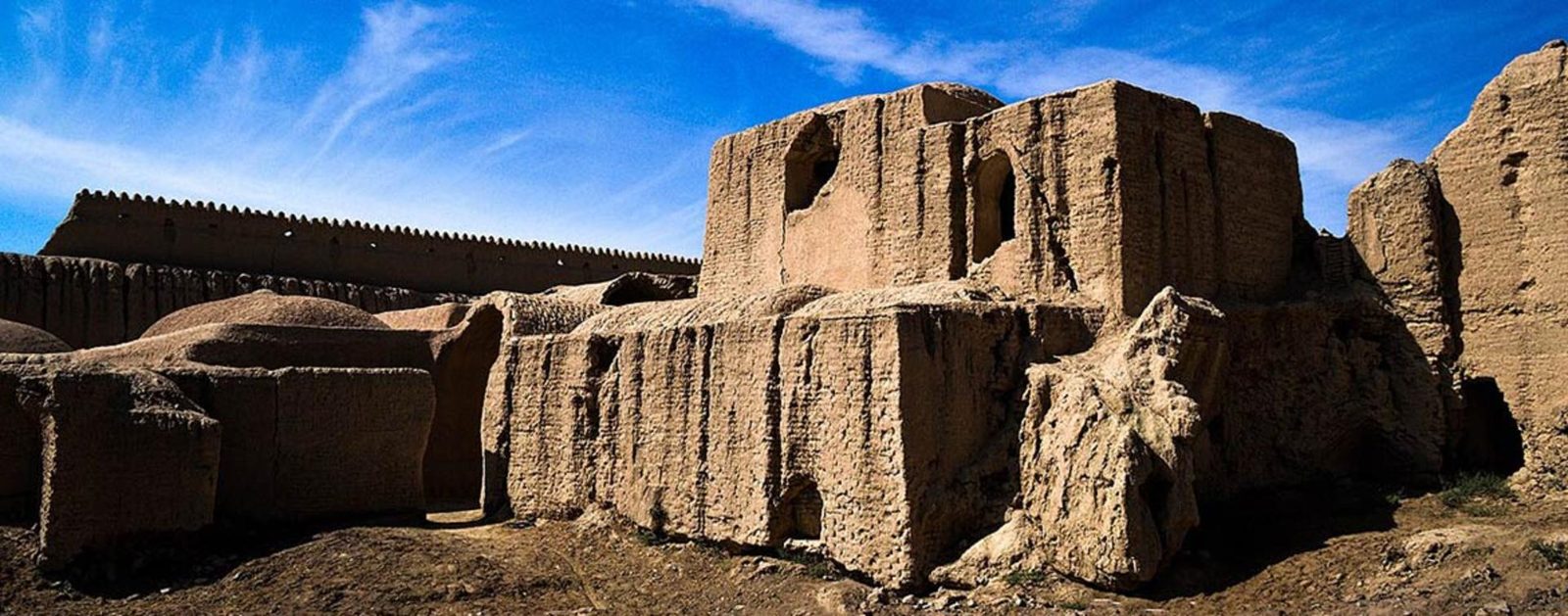
About nine kilometers from Varzaneh, just off the Isfahan to Varzaneh road near the Qurtan crossroads, stands Qurtan Castle. This is one of the largest and best-preserved mud-brick fortifications in Iran and is still inhabited, which makes it unusual among historical castles. Its crenellated walls of raw earth rise from the flat plain and give a strong sense of how these frontier settlements once functioned. It is an easy stop on the way in or out of Varzaneh.
Pigeon Towers and Water Structures
Varzaneh and its surroundings contain several pigeon towers, including one that once housed around 25,000 birds. These towers were built to collect droppings for fertilizer, and their interiors are a labyrinth of nesting niches. The town also has historic water reservoirs, a restored ox-driven well, a camel-powered mill, and traditional water management structures that show how life was organized around scarce water. These sites are scattered, so a local driver or guide helps you find the ones that are open.
The White Veil Tradition
One of the most distinctive sights in Varzaneh is the white chador worn by local women. Unlike the black chador common elsewhere in Iran, the white version is lighter and reflects heat, which makes practical sense in a desert climate. The tradition is old and deeply local, and it has become a symbol of the town. If you visit the women's weaving workshops, you can see how the white fabric and other handwoven textiles are produced. Kar-bafi and sofreh-bafi, traditional cotton weaving, are still practiced by a small number of older women, and buying directly from them supports a craft that is at risk of disappearing.
Hours, Tickets, and Practical Notes
Most of Varzaneh's natural sites, including the dunes and the wetland, do not have fixed opening hours or entry fees. Qurtan Castle and the Jameh Mosque are also generally free to visit, though donations are appreciated at some sites. The ox-driven well and certain restored attractions may charge a small ticket, and these can change, so confirm locally. Prices in Iran shift with inflation, so treat any figure you see online as a rough guide and check current rates on arrival.
The best time to visit the dunes is late afternoon, when the light is soft and the heat has eased. For the wetland, early morning offers calmer air and better bird activity in wet years. Always carry water, sun protection, and a wind layer, because desert weather changes quickly.
When to Go
The ideal seasons for Varzaneh are spring and autumn. From late March to mid-May, temperatures are mild and the desert is at its most forgiving. October and November bring cool nights and clear skies, which are perfect for camping and stargazing. Summer, roughly June through August, is extremely hot during the day, with temperatures often exceeding 40 degrees Celsius, so if you visit then, plan activities for early morning and evening only. Winter days are cool and often sunny, but nights can drop near freezing, and occasional rain can make dirt roads to the wetland muddy and difficult.
Desert Camping and Camel Rides
Camping in the Varzaneh dunes is one of the most memorable experiences in central Iran. Several local operators and guesthouses organize overnight trips that include transport, dinner, and tents or bedding. A typical camp involves a sunset walk on the dunes, a simple meal, and hours of silence under a sky thick with stars. Camel rides are often offered as part of these packages or as short standalone experiences near the main dune access. If you prefer a fixed roof, eco-camps and guesthouses on the edge of the desert provide a comfortable middle ground.
Where to Stay
Varzaneh has a growing number of eco-lodges and traditional guesthouses, most of them restored mud-brick houses with central courtyards, wooden doors, and simple, comfortable rooms. These stays are part of the experience, since they put you in direct contact with local hospitality and home cooking. A newer eco-camp and guesthouse complex has opened in the area, reflecting the town's push toward community-based tourism. For bookings, open Mehyar and check Mehyar Hotels for available stays in and around Varzaneh. If you prefer to base yourself in Isfahan and visit Varzaneh as a day trip, Mehyar Hotels in Isfahan gives you far more choice, and Mehyar Taxi can handle the round trip.
What to Eat
Varzaneh's local cuisine is hearty and desert-appropriate. Look for dishes such as godakhteh, a slow-cooked stew; haft maghz, a rich mixture of nuts and dried fruits; nan jush, a local bread; and various yogurt-based sides. Local lentils with sesame bread make a simple, satisfying meal. Many guesthouses serve home-cooked dinners, which is often the best way to taste regional food.
Nearby and Day Trips
Varzaneh works well as a day trip from Isfahan, but it also pairs naturally with other desert destinations. If you are building a longer desert itinerary, read our guide to Maranjab and the Lut Desert for comparisons and logistics. For first-time visitors to Iran, our first trip to Iran article covers the broader planning context. And if you want to understand how desert camping works across the country, our desert camping in Iran guide walks through seasons, gear, and safety.
Practical Tips
Bring cash, because card readers and ATMs are limited in Varzaneh and unreliable in the desert. Download offline maps before you leave Isfahan. Tell someone your plan if you are going deep into the dunes or toward the wetland. Respect local dress norms, especially around the mosque and in town. If you visit the wetland in a dry year, adjust your expectations and focus on the landscape and geology rather than water. And if you are traveling in summer, do not underestimate the heat: start early, carry more water than you think you need, and avoid exposed areas at midday.
Start Your Varzaneh Trip with Mehyar
Varzaneh rewards travelers who plan the logistics and then let the desert do the rest. Open Mehyar to book a Mehyar Taxi from Isfahan, reserve a guesthouse through Mehyar Hotels, and keep your itinerary and bookings in one place with the Mehyar planner. When you are ready to go further, our guides to Isfahan, Maranjab, and the Lut Desert will help you connect Varzaneh to the rest of your journey.