
Shahrekord, the capital of Chaharmahal and Bakhtiari Province, sits at 2,066 metres above sea level. That makes it the highest provincial capital in Iran, a distinction that defines everything about this region. The air is thinner and cleaner here. The summers are mild when lowland Iran swelters. The winters are fierce, with snow that blankets the Zagros peaks for months. And the landscape, shaped by millennia of mountain geology, produces waterfalls, wetlands, ice caves, and flower-carpeted plateaus that draw visitors from across the country.
This is not a province built for casual tourism. The roads wind through mountain passes, the attractions are spread across a rugged terrain, and the facilities are modest compared to Isfahan or Shiraz. But for travelers who want to see the Zagros at its most dramatic, Chaharmahal Bakhtiari delivers a concentration of natural wonders that is hard to match anywhere in Iran.
This guide covers the province's geography, history, main attractions, local culture, and how to plan your trip using Mehyar for flights, hotels, taxis, and buses.
Geography and climate
Chaharmahal and Bakhtiari Province covers 16,421 square kilometres in the central Zagros mountain range, in southwestern Iran. It borders Isfahan Province to the north and east, Khuzestan to the west, Kohgiluyeh and Boyer-Ahmad to the south, and Lorestan to the northwest. The province has nine counties and forty cities, with Shahrekord as the capital.
The other major cities include Borujen (at 2,197 metres, one of the highest cities in Iran), Faridan, Kuhrang, Lordeghan, and Ardal. The entire province sits in the mountain zone, and most of the county seats are above 1,800 metres. The terrain is dominated by the Zagros fold-and-thrust belt, with parallel ridges running northwest to southeast, separated by high valleys and plateaus.
The climate is semi-arid and mountain-influenced. Summers are mild, with daytime highs rarely exceeding 30 degrees Celsius even in July. Winters are cold, with temperatures dropping well below freezing and regular snowfall from December through March. This climate pattern makes the province a popular summer retreat for Iranians escaping the heat of Khuzestan and Isfahan, and a destination for winter sports enthusiasts.
The Karun River, Iran's longest river, has its headwaters in the Kuhrang highlands of this province. The Karun Tunnel, a remarkable feat of engineering that diverts water through the Zagros, originates here as well.
History
The human history of Chaharmahal Bakhtiari stretches back remarkably far. Archaeological evidence from the city of Haffshehjan, near Shahrekord, includes pottery and stone tools dated to 9,000 years ago, suggesting that agriculture began in this region between 5,000 and 7,000 years ago. Ancient coins from the Parthian and Sassanian periods have been found in the province, and archaeological mounds near Shahrekord indicate continuous settlement of at least 7,000 years.
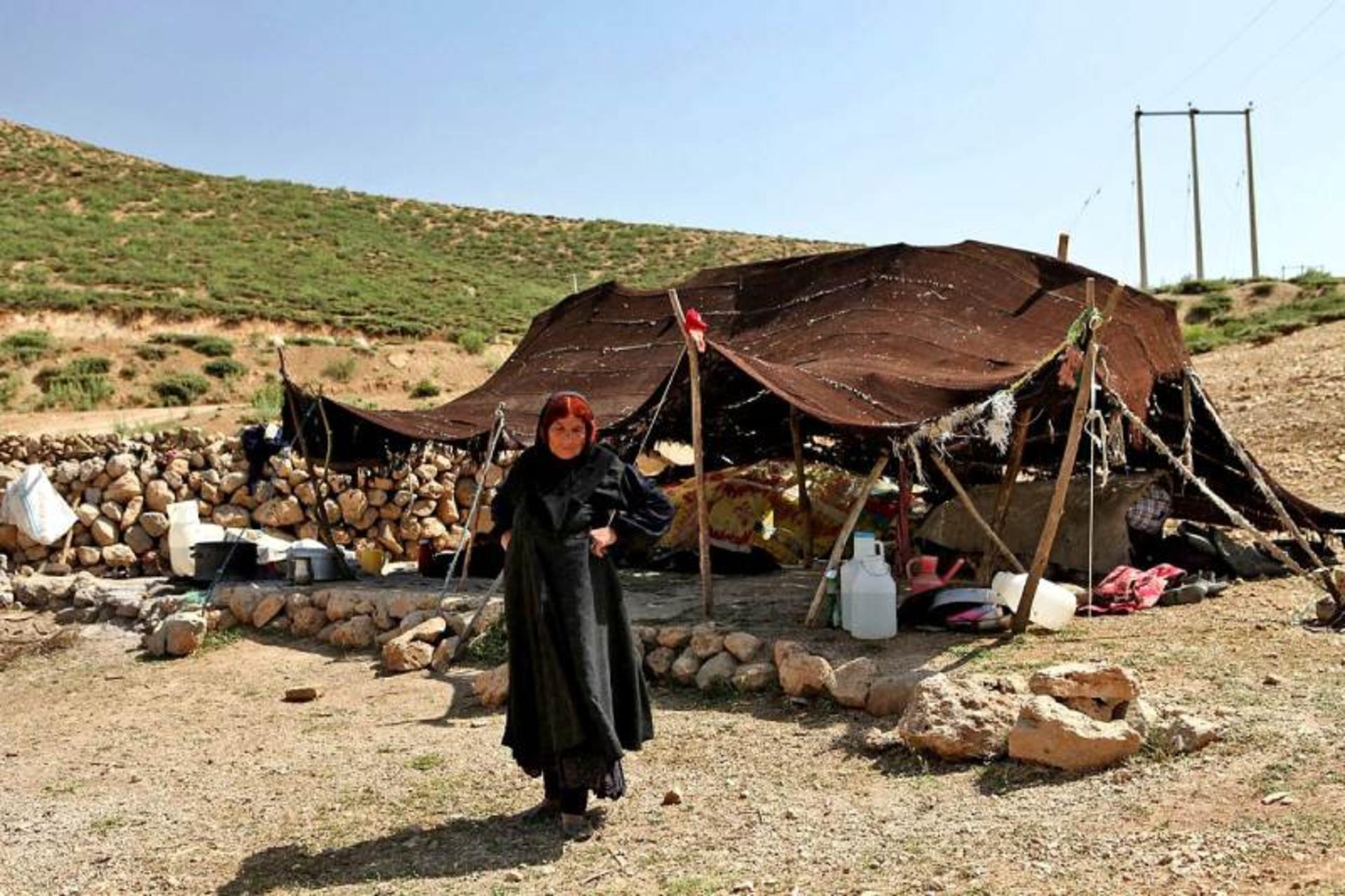
The province takes its name from two historical components: Chaharmahal, meaning "four gardens" or "four properties" in Persian, which referred to the four main districts of the region during the Atabegan period of the sixth century AH; and Bakhtiari, after the Bakhtiari tribe, one of the largest and most historically significant nomadic confederations in Iran. The Bakhtiari people have inhabited the Zagros highlands for centuries, practicing seasonal migration between highland summer pastures and lowland winter grazing lands.
The province was formally established in 1352 SH (1973 CE), when it was separated from Isfahan Province. Prior to that, it had been part of the Isfahan administrative region since the Pahlavi period, and before that, it belonged to what was known as Iraqi Ajam during the Qajar era. Despite its relatively recent formal establishment, the region's identity is ancient and distinct.

The Bakhtiari people and their culture
The population of Chaharmahal Bakhtiari is roughly 950,000 people, drawn primarily from three ethnic groups: the Bakhtiari Lurs, who form the majority; Persians, concentrated in Shahrekord and surrounding towns; and Turkic-speaking communities, particularly in the towns of Kian, Boladaji, Saman, Ben, Faradonbeh, and Jonbeh. Smaller communities of Baluch and Kurds also live in the province.
The local language in Shahrekord is Persian with a distinctive Shahrekordi accent. In other cities, different dialects are spoken, including Dekhordi, Hooshgani, Orjani, and Ghafarghi. The Turkic-speaking towns maintain their own linguistic traditions.
The Bakhtiari tribe is known for its rich customs. One notable tradition is the Cheraqbaran ceremony, held at Nowruz (the Persian New Year), when families gather at one of two imamzadehs (holy shrines) in Shahrekord, Halimeh and Hakimah Khatun, and ask Sayyids present to light a candle or oil lamp for them as a blessing for the new year.
Another tradition is the Shirini-ye Ashkounan celebration, held after an engagement is accepted. The families of the bride and groom celebrate for several days, with women performing handkerchief dances and men performing stick dances. The wedding contract is signed at the conclusion of the festivities. Before the wedding, Bakhtiari young men traditionally go hunting for the wild goat known as bazkol, a agile mountain animal whose capture demonstrates the hunter's bravery. A relative ties a ceremonial sash called shal-e shekar around the hunter's waist before he departs for the mountains. The meat is used in the wedding feast.
Souvenirs and handicrafts
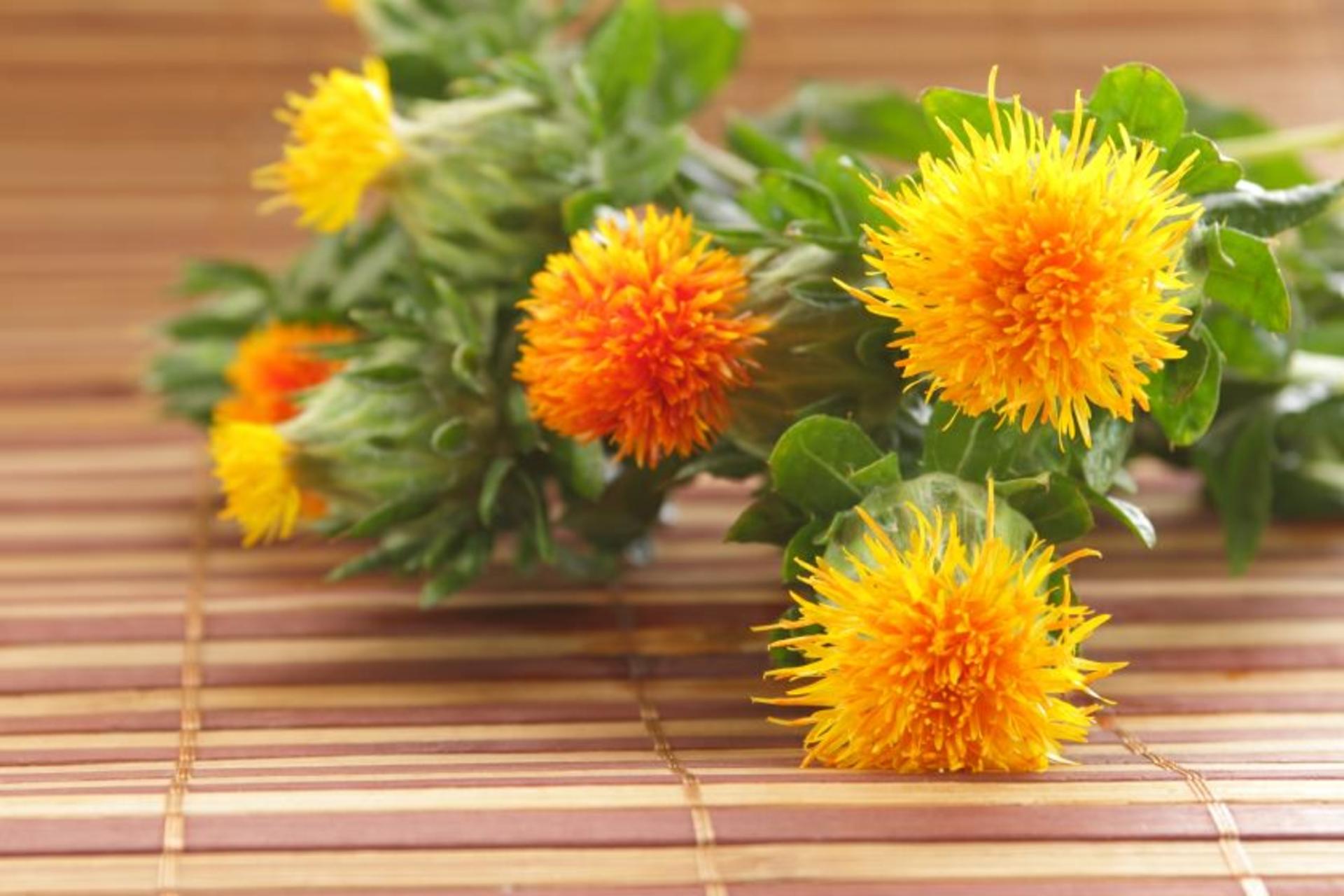
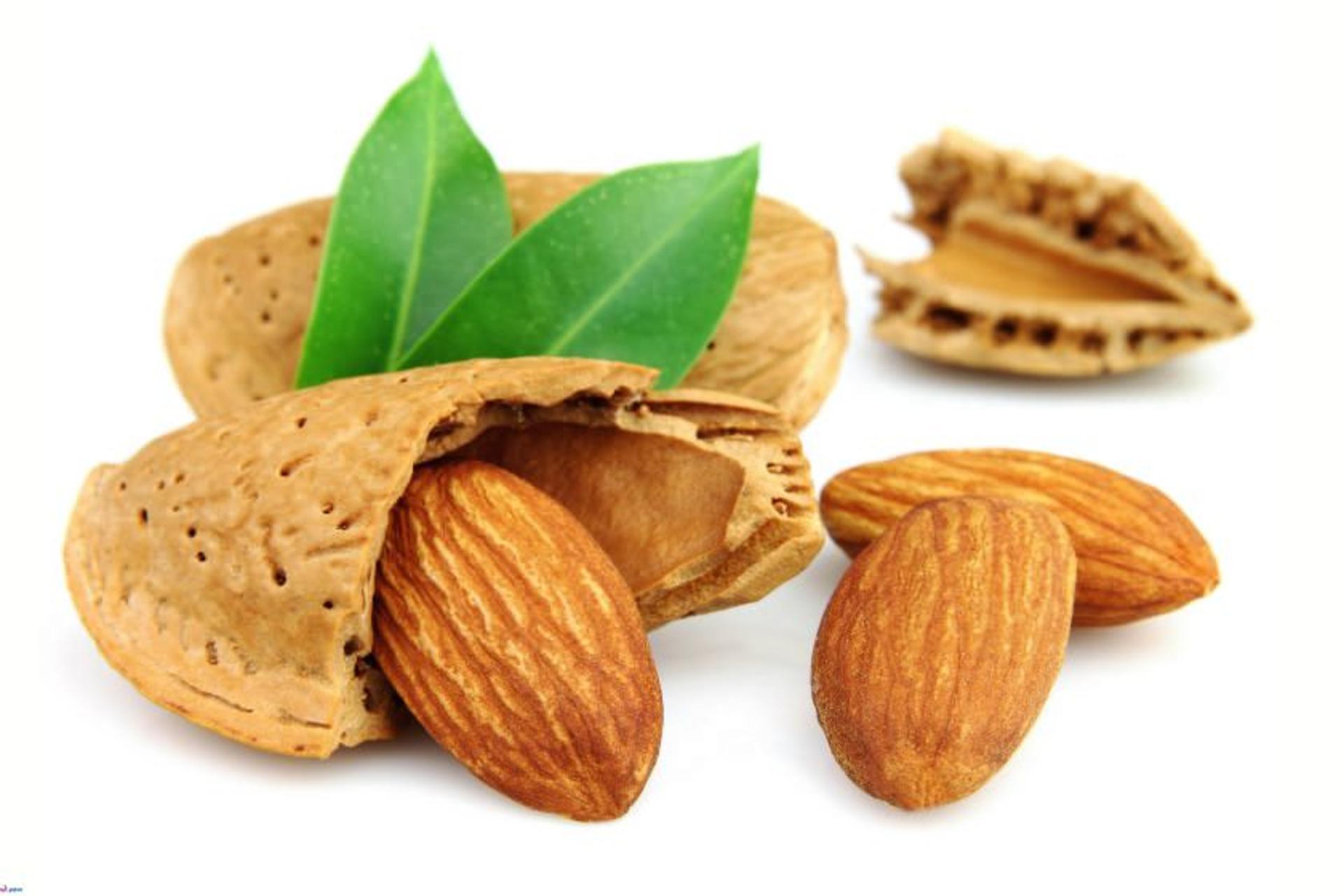
The province is known for several distinctive products. Kashk (dried whey), qara-qurut (black kashk), mountain honey, high-quality gaz from Borujen, medicinal herbs, and nabat (rock candy) are the main edible souvenirs. The province's most prized handicraft is a handwoven carpet called Bibi-Baf, which is highly valued for its quality and distinctive patterns. Other crafts include kilim, jajim (a type of woven textile), and felt hats.
Local cuisine
The food of Chaharmahal Bakhtiari reflects the mountain environment and nomadic heritage. Kabab Bakhtiari, the famous grilled lamb and tomato kebab that takes its name from the tribe, originates here. Other local dishes include Ash-e Umaj (a soup of spinach, flour, fried onion, and lentils), Kala Jush (a dish of kashk and walnut), and Ash-e Doogh (buttermilk soup). These hearty, warming dishes are designed for the cold mountain climate.
The main natural attractions
Koohrang Tunnel Waterfall
One of the most beautiful natural attractions in the province, the Koohang Tunnel Waterfall is located near the town of Koohang, about 100 kilometres from Shahrekord. The waterfall emerges from a tunnel carved through the mountain to divert the Karun River's headwaters. Water cascades down the rock face in a dramatic curtain, surrounded by mountain vegetation. In spring, the surrounding meadows are carpeted with wildflowers. In winter, the waterfall freezes into a spectacular ice formation.
Choghakhor International Wetland
Located 65 kilometres from Shahrekord, Choghakhor Wetland covers 2,300 hectares in the Zagros highlands. It is an internationally recognized wetland, important for migratory and native bird species including storks, flamingos, swans, and ducks. The wetland is approximately 300 years old and supports rare aquatic species. The best time to visit is mid-Mehr to mid-Aban (early October to early November), when migratory birds are most abundant.
Zard Limeh Waterfall
Located in Ardal County, 80 kilometres from Shahrekord, Zard Limeh is one of the widest waterfalls in Iran, with a height of 40 metres and a width of 65 metres. It sits in a forested area of oak trees in the Zagros mountains. Access requires proper hiking shoes and a moderate level of fitness. The surrounding river, untouched green mountains, oak forests, and the nearby Khoda Afarin Bridge make it a full-day excursion.
Sheikh Ali Khan Waterfall
In Kuhrang County, 100 kilometres from Shahrekord, Sheikh Ali Khan Waterfall springs from a steep, water-rich gorge. The waterfall is surrounded by medicinal herb plants and offers dramatic scenery in every season: wildflowers in spring, cool shade in summer, and frozen icicles in winter.
Chama Ice Cave
Near the village of Sheikh Ali Khan and 25 kilometres from Kuhrang, the Chama Ice Cave is one of Iran's most significant natural phenomena. It is the largest source of fresh water in the country and a vital ecosystem site. The cave maintains ice formations year-round, a result of the unique geological conditions that trap cold air inside.
Sar Agha Seyed Village
One of the most beautiful stepped villages in Iran, Sar Agha Seyed is located 135 kilometres from Shahrekord in the heart of the Zagros mountains. Its step-like architecture, similar to the famous village of Masouleh, has made it a popular destination. The village is a key point on the Bakhtiari nomadic migration route, and visitors can observe the traditional seasonal movements of the tribes.
The Reversed Tulip Plateau
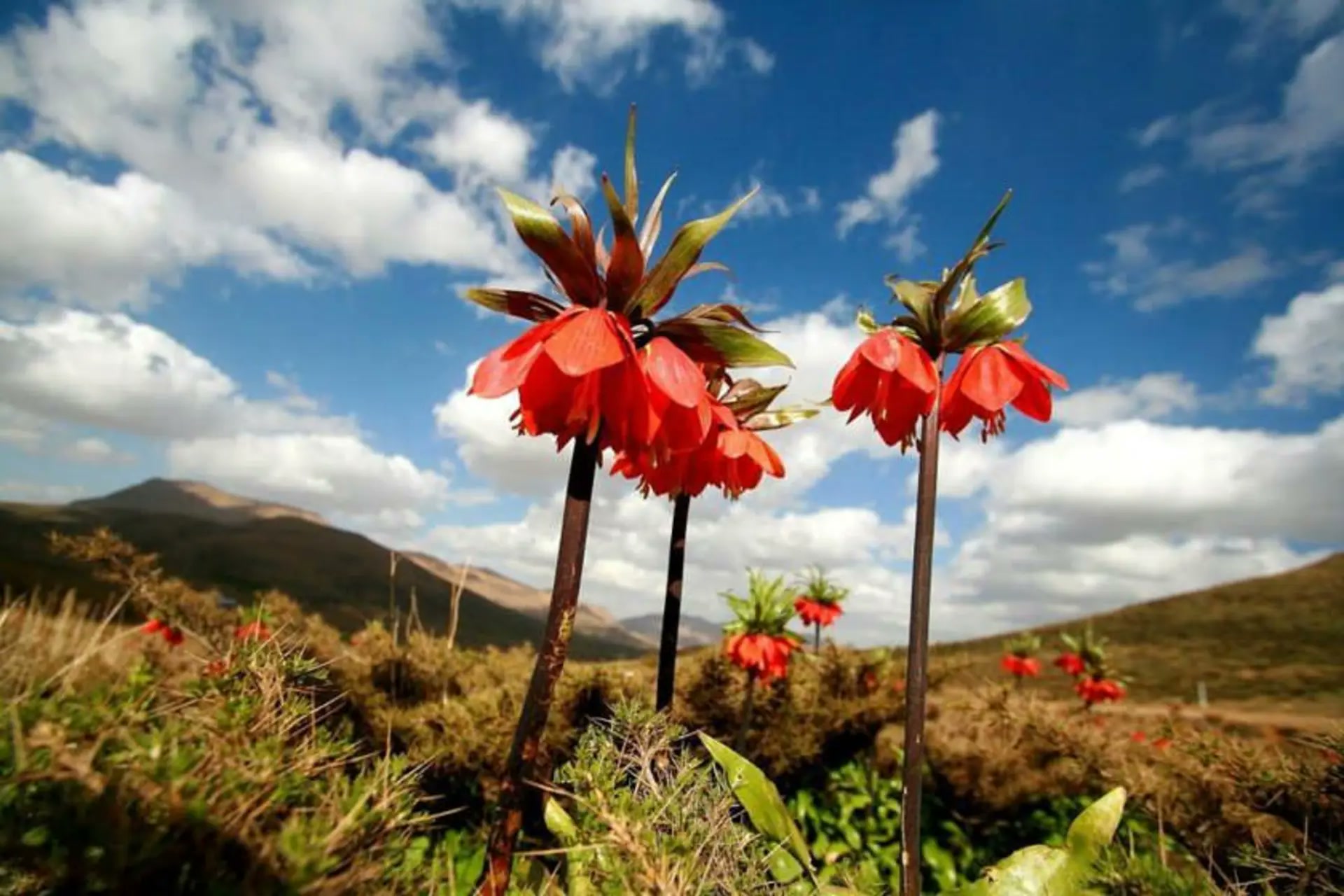
In the highlands around Kuhrang, a natural phenomenon occurs each spring: fields of tulips bloom in a pattern that appears to flow uphill, creating what locals call the "reversed tulip fields." This seasonal display draws photographers and nature lovers from across Iran.
How to get to Chaharmahal Bakhtiari
The province is most easily reached from Isfahan, which is only 97 kilometres to the northeast. The drive takes about one and a half hours.
From Isfahan. Mehyar Taxi offers private transfers from Isfahan to Shahrekord in under two hours. Mehyar Buses runs regular services between the two cities.
From Tehran. The distance is roughly 500 kilometres. Mehyar Buses connects Tehran to Shahrekord in about six hours. There is no commercial airport in Shahrekord, so air travelers typically fly to Isfahan and continue by road.
Getting around the province. The main attractions are spread across mountain roads, and public transport between towns is limited. Mehyar Taxi is essential for reaching waterfalls, wetlands, and villages from Shahrekord as your base. Plan for a full-day hire to cover multiple sites.
Planning your trip with Mehyar
Chaharmahal Bakhtiari rewards travelers who are willing to venture into the Zagros highlands. Its attractions are purely natural, its culture is distinct from the rest of Iran, and its climate makes it a refreshing escape from the summer heat of the lowlands.
Use Mehyar Flights to fly into Isfahan, then Mehyar Buses or Mehyar Taxi for the transfer to Shahrekord. Compare Mehyar Hotels for accommodation in Shahrekord or Borujen, and hire Mehyar Taxi for day trips to the waterfalls, wetlands, and villages. The Mehyar Wallet keeps all your travel expenses organized in one place.