
In the pistachio orchards surrounding the city of Rafsanjan in Kerman province, archaeologists have uncovered one of Iran's most ancient sacred sites. The Anahita Temple of Rafsanjan dates to the first millennium BCE, placing it among the oldest known religious structures on the Iranian plateau. Dedicated to Anahita, the ancient goddess of water, wisdom, and fertility, this temple reveals the deep spiritual roots of a civilization that revered the life-giving properties of water in an arid land.
The site is less visited than many of Iran's famous ruins, but its antiquity and the mystery surrounding its original form make it a compelling destination for travelers interested in the earliest chapters of Iranian history. Walking among the stone foundations and column bases, surrounded by living orchards, you get a rare sense of continuity between the ancient and the agricultural, between the sacred and the everyday.
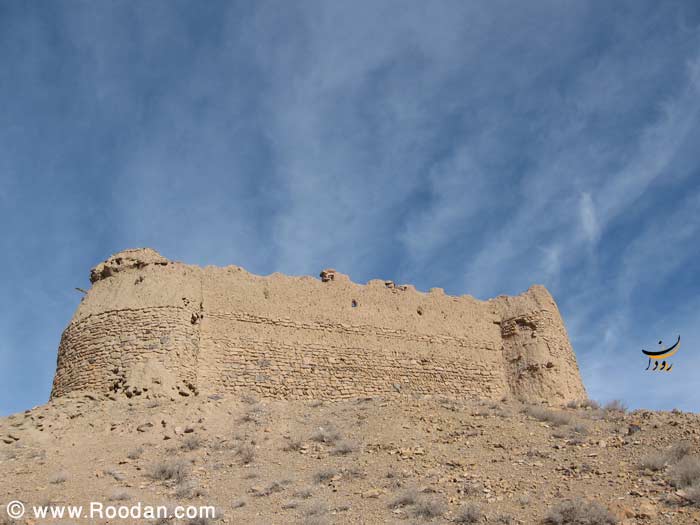
Where Is the Temple?
The temple is located near the city of Rafsanjan, approximately 100 kilometers northwest of Kerman city, in the heart of Kerman province's pistachio-growing region. The site sits on the flat agricultural plain that characterizes this part of central Iran, where irrigation channels have sustained farming for thousands of years. The landscape around the temple is dominated by pistachio orchards, their gnarled trees producing some of the finest nuts in the world.
Rafsanjan itself is a modest city with a population of around 170,000, known throughout Iran as the pistachio capital. The city lies on the edge of the Dasht-e Lut, one of the hottest and driest deserts on earth, yet the presence of underground water channels known as qanats has allowed agriculture to flourish here for millennia. The temple's location among the orchards is no coincidence: the ancient builders chose a site where water was accessible, consistent with the cult of Anahita and its focus on the sacred relationship between water and life.
How to Get There
From Kerman, drive northwest on the highway toward Rafsanjan. The journey takes about one hour by car on a well-maintained road that passes through some of the province's most productive farmland. From Rafsanjan, the temple site is a short drive through the orchards, with local roads leading to the archaeological area. Open Mehyar and choose Taxi from Kerman or Rafsanjan to reach the archaeological site comfortably.
Book via Mehyar Buses from Tehran, Yazd, or Shiraz to Kerman, then continue to Rafsanjan by local transport. The bus journey from Tehran takes about 10 hours, while the flight from Tehran to Kerman takes just over an hour. The pistachio orchards along the route are a scenic bonus, especially during the harvest season in early autumn when the trees are heavy with ripe nuts and the air fills with the sound of harvest activity.
The Goddess Anahita and Her Cult
The Anahita cult was among the most widespread in ancient Iran. Anahita, whose name means "the immaculate one," was worshipped across the Achaemenid Empire and beyond, associated with rivers, springs, and the cosmic waters that mythology held to encircle the earth. She was the divinity who governed the flow of all waters, from the smallest spring to the mightiest river, and her worship was particularly important in a land where water was the defining factor between life and death.
Temples dedicated to her were built near water sources throughout the Iranian world, from the highlands of Persia to the plains of Mesopotamia. The choice of Rafsanjan for a major temple site reflects the presence of qanats and springs in the area, even in this arid region. Water management was a central concern of ancient Iranian civilization, and the goddess who presided over water was naturally one of the most revered figures in the religious landscape.
The cult of Anahita also had political dimensions. Achaemenid kings such as Artaxerxes II publicly honored her, erecting statues and making offerings. Some scholars see the spread of Anahita temples as evidence of a deliberate policy to unify the diverse populations of the empire under a shared religious framework. The Rafsanjan temple may have been part of this broader pattern of royal patronage.
The History of the Site
The Rafsanjan temple's dating to the first millennium BCE places it potentially in the late Elamite or early Median period, though excavations have revealed occupation layers from multiple eras. The site may have begun as a simple spring sanctuary and grown over centuries into a more complex religious complex. Successive generations of builders added to and modified the structure, each leaving their mark on the evolving sacred space.
Archaeologists working at the site have identified evidence of continuous use spanning several major historical periods. The Elamites, who had a strong presence in southeastern Iran, may have been the first to establish a formal sanctuary here. The Medes and Achaemenids who followed likely expanded the site, while the Parthian and Sassanian periods saw further renovation and use. Even after the Arab conquest and the spread of Islam, the site retained a degree of local significance, though its religious function gradually faded.
The excavation of the site has been an ongoing process, with Iranian and international teams working to understand the full scope of the complex. Each season of digging reveals new details about the temple's layout, its construction techniques, and the rituals that took place within its walls. Pottery fragments, metal objects, and decorative elements have been recovered, providing a window into the material culture of ancient Iranian worship.
What to See
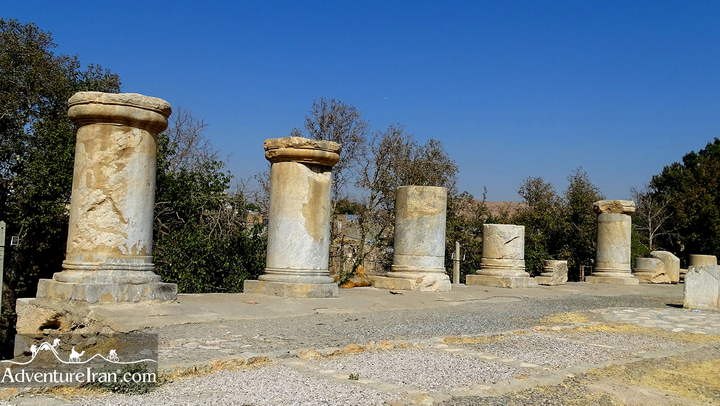
The archaeological remains include stone foundations, column bases, and fragments of decorative stonework. The scale of the foundations suggests a substantial building, perhaps with a central hall supported by rows of columns in the style common to Achaemenid and later architecture. Though much of the superstructure has not survived millennia of exposure, the footprint of the temple gives a clear impression of its original grandeur.
The setting among the orchards is peaceful, and the contrast between the ancient ruins and the living pistachio trees creates a powerful sense of continuity: this has been cultivated, sacred land for three thousand years. The sound of irrigation water flowing through channels in the orchards echoes the importance of water that made this temple necessary in the first place. Archaeological teams have worked at the site to document and preserve what remains, and their efforts have made the site more accessible to visitors.
Several interpretive markers have been placed near the main excavation areas, though detailed signage is still developing. The best approach is to visit with a knowledgeable guide who can explain the different construction phases and point out the subtle details that distinguish one era from another. The combination of ancient stone, living orchards, and the vast desert sky creates an atmosphere that is difficult to find at more crowded tourist sites.
The Rafsanjan Region
Rafsanjan is famous across Iran for its pistachios, and the region produces some of the finest nuts in the world. The city itself is a pleasant stop with traditional desert architecture and bustling bazaars where pistachios of every variety are sold alongside other local products. The Rafsanjan bazaar is a good place to purchase fresh pistachios, saffron, and other regional specialties at prices well below those found in Tehran or Isfahan.
Combining a visit to the Anahita Temple with the pistachio orchards and local bazaar makes for a rewarding half-day excursion from Kerman. The drive through the orchards is scenic, especially in spring when the trees are in leaf and in early autumn when the harvest is underway. The contrast between the ancient ruins and the productive agricultural landscape is striking and provides context for understanding how the temple's original builders saw the relationship between the divine and the natural world.
For those traveling further, the route from Kerman to Rafsanjan also provides access to the historic city of Yazd to the north and the desert landscapes of the Lut to the east. The entire region is rich in geological, historical, and agricultural interest, and the Anahita Temple is a natural starting point for exploring this underappreciated corner of Iran.
Best Time to Visit
Spring from March to April and autumn from October to November offer the most comfortable temperatures for exploring the open site. The pistachio harvest in September brings activity to the orchards and is an interesting time to visit, when you can observe the traditional methods of nut gathering and processing. Summer is hot, with temperatures regularly exceeding 35 degrees Celsius, and the open site provides little shade, so early morning visits are recommended if you must come during the hotter months. Winter is mild during the day but cold winds can make the exposed site uncomfortable, though the bare orchards have their own austere beauty under a clear winter sky.
Practical Details
The site is accessible during daylight hours and may be free or subject to a small local fee. Allow about one hour to explore the main excavation areas and appreciate the setting. The temple is best visited in combination with a trip to Rafsanjan and its bazaar, making for a full day of cultural and agricultural exploration from Kerman. Local guides can be arranged through the Rafsanjan tourism office and are recommended for getting the most out of your visit.