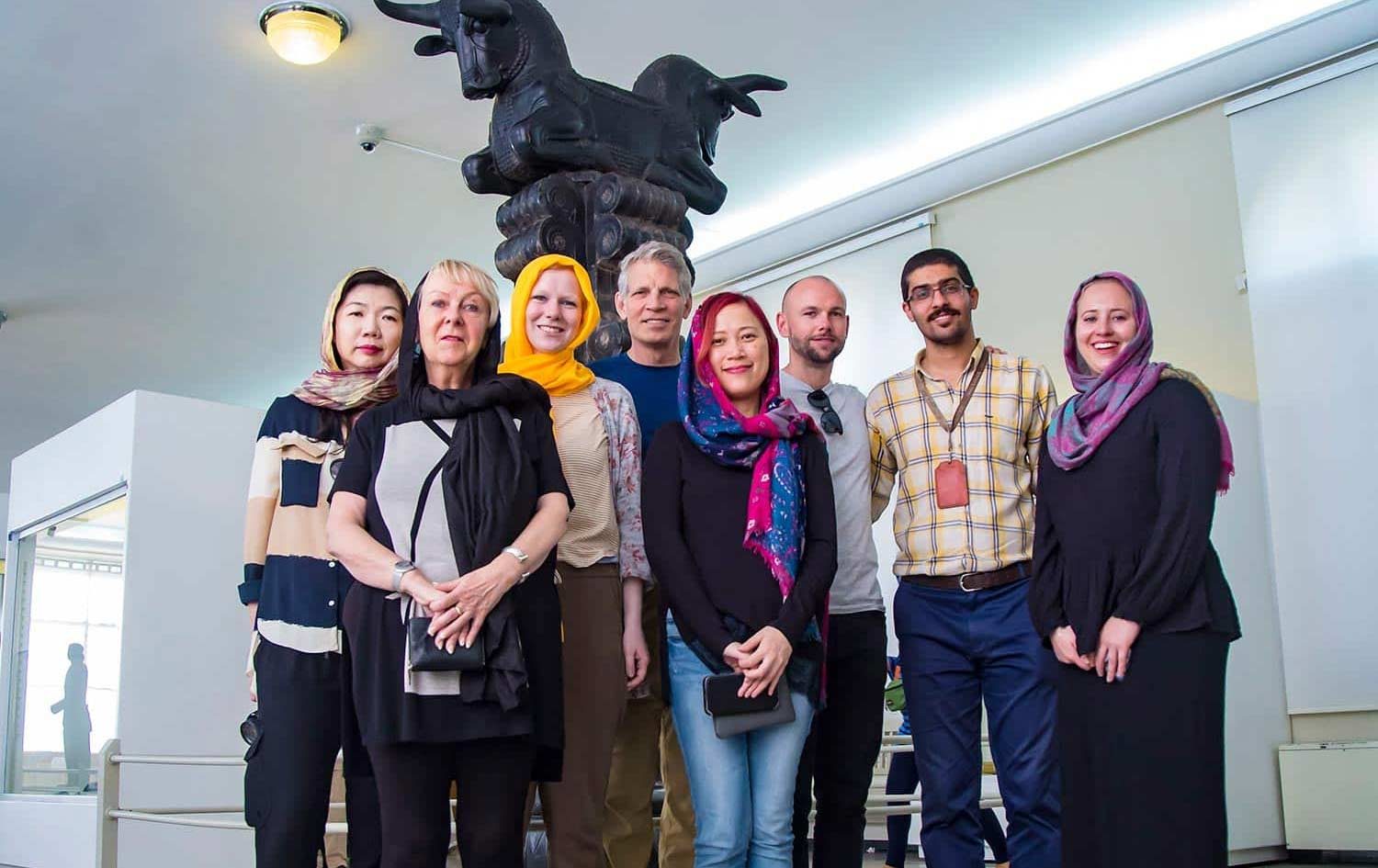
Packing for Iran is easier than most first-time visitors expect. The country asks for modest dress in public, and once you understand the handful of rules that actually matter, the rest becomes a matter of comfort, fabric, and season. This guide walks through what women and men genuinely wear on Iranian streets, how to build a wardrobe that works from the cool highlands of Tabriz to the warm shores of the Persian Gulf, and what changes when you step into a mosque or a holy shrine. It is written for travelers, not for rulebooks.
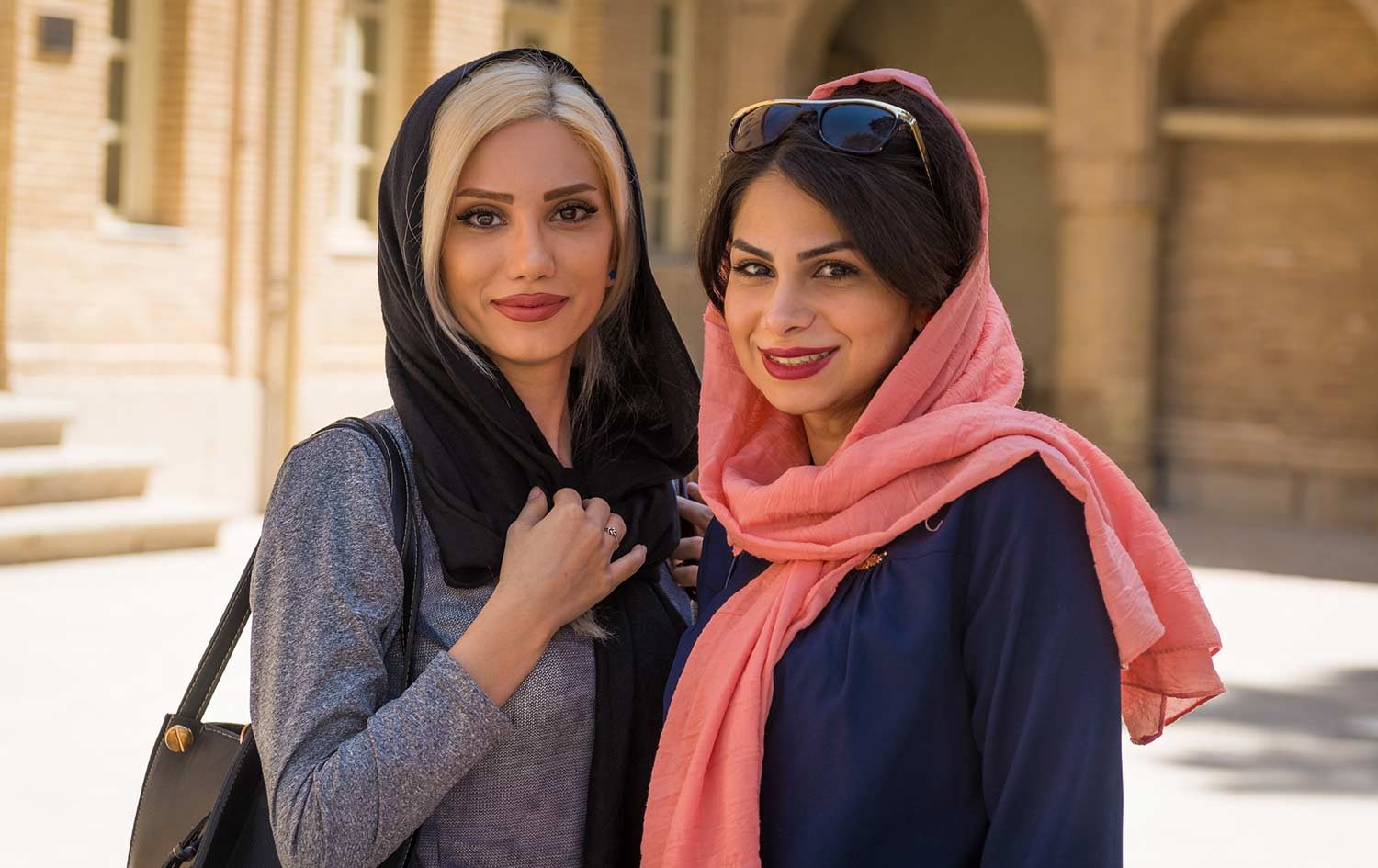
The short answer
Women cover their hair and neck with a scarf and wear loose clothing that conceals the shape of the body and covers the arms and legs. A knee-length or longer overcoat, often called a manteau, over trousers is the standard combination. Men avoid shorts and sleeveless tops in public and stick to long trousers with a shirt. At major shrines and some mosques, women are asked to wear a chador, a full-length cloth that covers everything except the face. These expectations apply to visitors as well as residents.
That is the whole framework. Everything else is detail, and the detail is where the trip gets comfortable.
Where the rules come from
Iran is an Islamic Republic, and modesty in public dress has been part of the legal and social fabric since 1979. The head covering for women is a legal requirement in public spaces, and this applies to foreign visitors. Enforcement has shifted over the years, and it has become more visible in some periods than others. In practice, most travelers find that everyday interactions are courteous, and that the emphasis is on respectful coverage rather than on scrutiny of every fold of fabric.
Because rules and enforcement do change, treat this article as a planning guide rather than a legal text. Before you fly, check the current advisory from your own foreign ministry, and once you are in Iran, take your cues from the women around you. Local style is the most reliable and most current reference you will find.
What women actually wear
The core outfit is a headscarf, a loose outer layer, and long trousers or a long skirt. The scarf, called a roo-sari in Persian, sits over the hair and covers the neck. It can be silk, cotton, or a light blend, and it can be as colorful as you like. Bright scarves in blue, turquoise, green, and cream are everywhere, and they photograph beautifully against the tiled domes of Isfahan.
The outer layer is usually a manteau or a roo-poosh: a tunic or light coat that falls to the knee or lower and does not cling. Tunics over jeans are common, and so are long dresses with a loose cardigan. Trousers should be full length rather than cropped, and skirts should reach at least mid-calf, worn with opaque tights. Sandals and nail polish are completely normal.
In private homes, none of this applies. Iranian hosts are warm and informal indoors, and guests can dress as they would anywhere else.
What men actually wear
Men have a simpler list. Long trousers and a shirt are the everyday standard, with short sleeves acceptable for casual sightseeing and shopping. Sleeveless tops and shorts are not worn in public, and reserve shorts for the beach or the hotel pool. Tracksuit bottoms read as gym clothing and may draw curious looks on the street.
For business meetings or formal events, a suit is standard. One local quirk worth knowing: many Iranian men in government and state workplaces do not wear ties, though private-sector businessmen and foreign visitors often do. You will not offend anyone either way.
Seasonal packing, region by region
Iran is a large country with real climate variation, and the same trip can move from mountain cold to desert heat within a day of driving.
Spring, from March to May, is mild and green across most of the country, with daytime temperatures often in the comfortable teens and twenties Celsius. A light coat, a couple of scarves, and a thin sweater will carry you through. This is also the season when rain is most likely in the west and northwest, so pack a compact rain layer.
Summer, from June to August, is hot and dry in the central plateau, with Tehran, Isfahan, and Yazd regularly pushing past 35 degrees Celsius, and the Persian Gulf coast far hotter and more humid. Choose linen, light cotton, and loose cuts, and carry a very light scarf that you can drape without overheating. If your itinerary includes the Persian Gulf, plan for high humidity and pack breathable fabrics.
Autumn, from September to November, is many travelers' favorite window. Days are warm, evenings cool, and the light is golden. Layers work best: a light manteau in the day, a warmer one or a cardigan after sunset.
Winter, from December to February, is cold in the north and west, with snow in Tabriz and the mountains, and mild in the south. A proper coat, warm scarf, and closed shoes matter more than you might expect from a country that also has a hot desert. Tehran in January can drop close to freezing at night.

Mosques and holy shrines
Sacred sites ask for a step up in coverage. At many mosques, women are asked to wear a chador, a full-length cloak that covers the body except the face. Shrines are stricter than ordinary mosques, and the great shrine complexes such as those in Mashhad and Qom have their own conventions. In most cases, chadors are available to borrow at the entrance, sometimes free and sometimes for a small deposit, and there are usually kiosks where you can buy one cheaply.
Men should wear long trousers and preferably a long-sleeved shirt inside a mosque or shrine. It is not always mandatory, but it is appreciated. Shoes come off at the entrance to prayer areas, and busier sites have shoe racks or a token system. Slip-on shoes make this easy.
A few practical courtesies go a long way. Avoid visiting during Friday prayers if you want to walk freely through the main halls. Do not photograph people while they are praying. Some shrines restrict non-Muslim entry to certain halls or courtyards, so ask before stepping through an unmarked doorway.
Building a capsule wardrobe
If you would rather pack light, a small set of pieces covers almost every situation. Bring two or three scarves in different weights and colors, one light and one warmer. Bring two long tunics or light coats, one neutral and one that you enjoy wearing. Add two pairs of full-length trousers, one pair of comfortable walking shoes, and one pair of shoes you can slip off easily. A thin long-sleeved shirt handles cool evenings and shrine visits. A compact rain shell covers spring showers, and a warm scarf doubles as a layer on cold mornings.
You do not need to buy a special wardrobe before you leave. Manteaus, roo-pooshes, and scarves are sold everywhere in Iran, often at very reasonable prices, and shopping for them is a pleasant introduction to local markets. Many travelers arrive with a basic scarf and buy the rest in Tehran or Isfahan within the first day.
What to leave at home
Leave the very tight, the very sheer, and the very short. Skip shorts and sleeveless tops for men. Skip clothing with provocative slogans or imagery. Leave the highest heels behind as well, since you will be walking on cobblestones, stairs, and uneven bazaar floors far more than you expect.
Dressing well and traveling well
Once your bag is packed, the logistics of the trip itself are the next thing to sort out. Open Mehyar and use the Planner to sketch your route across Tehran, Isfahan, Shiraz, and Yazd, then book hotels and domestic flights in the same app. Mehyar Taxi handles airport transfers and city rides, and the Mehyar wallet with top-up keeps payments simple so you are not hunting for cash on your first afternoon. If you want connectivity from the moment you land, Mehyar SIM, where available, saves you a stop at the airport kiosk.
For the rest of your preparation, our guide to a first trip to Iran covers visas, arrival, and orientation, and the best time to visit Iran goes deeper into weather windows. If you are still sorting out money, paying in Iran explains cards, wallets, and cash in plain terms, and internet, SIM, and apps helps you stay connected once you arrive.

A closing note
Dressing for Iran is a small adjustment, not a sacrifice. A scarf, a loose coat, and a pair of long trousers open the door to bazaars, shrines, tea houses, and long conversations, and they take up barely any space in a bag. Pack for the season, dress for the site you are visiting, and let the rest of your attention go to the country itself.