
Hormuz Island is a small, teardrop-shaped island in the Persian Gulf, about eight kilometres off the coast of Bandar Abbas, and it may be the strangest landscape in Iran. The ground is made of volcanic rock, salt and mineral deposits that run through almost a hundred shades of ochre, crimson, yellow, violet and turquoise, so the island has earned the nickname Rainbow Island. There is no airport and no bridge. You arrive by boat, and that is part of the experience. This guide covers how to reach Hormuz from Bandar Abbas and Qeshm, what to see once you are there, where to sleep, and how to handle money, connectivity and local transport with Mehyar as your starting point.
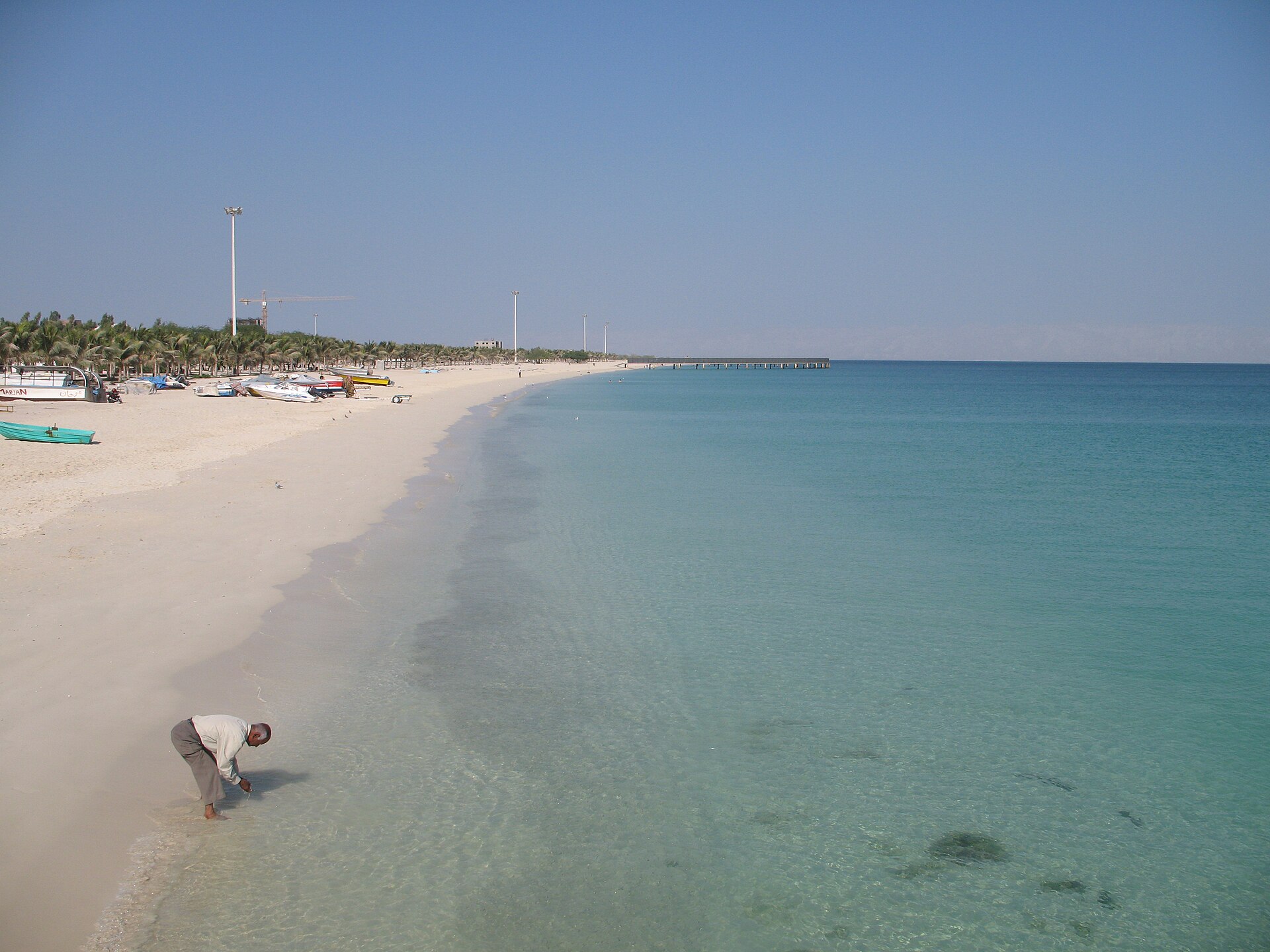
Where is Hormuz Island?
Hormuz sits in the Strait of Hormuz, the narrow channel that connects the Persian Gulf to the Gulf of Oman, in Hormozgan Province. The island covers roughly 42 square kilometres and lies about 8 kilometres from Bandar Abbas and around 20 kilometres from Qeshm. Almost all of its residents live in a single village on the northern shore, near the main pier, while the rest of the island is bare, mineral-rich terrain. Because the island is so small, you can circle it by road in about forty minutes, though the heat and the stops for photographs will stretch that considerably.
How to get to Hormuz Island
There is no direct road or air access to Hormuz. Every route ends with a short sea crossing, either from Bandar Abbas or from Qeshm Island. Plan your arrival in one of those two hubs first.
By air to Bandar Abbas, then by boat
Bandar Abbas International Airport receives daily flights from Tehran, Mashhad, Shiraz, Isfahan and other major cities. From the airport, open Mehyar and choose Taxi to reach Shahid Haqqani Passenger Port on the Bandar Abbas waterfront. This is the main passenger terminal for boats to Hormuz and Qeshm, and it is a different facility from the cargo and oil ports, so make sure the driver knows you want the passenger pier. The drive from the airport to the port takes about twenty to thirty minutes depending on traffic.
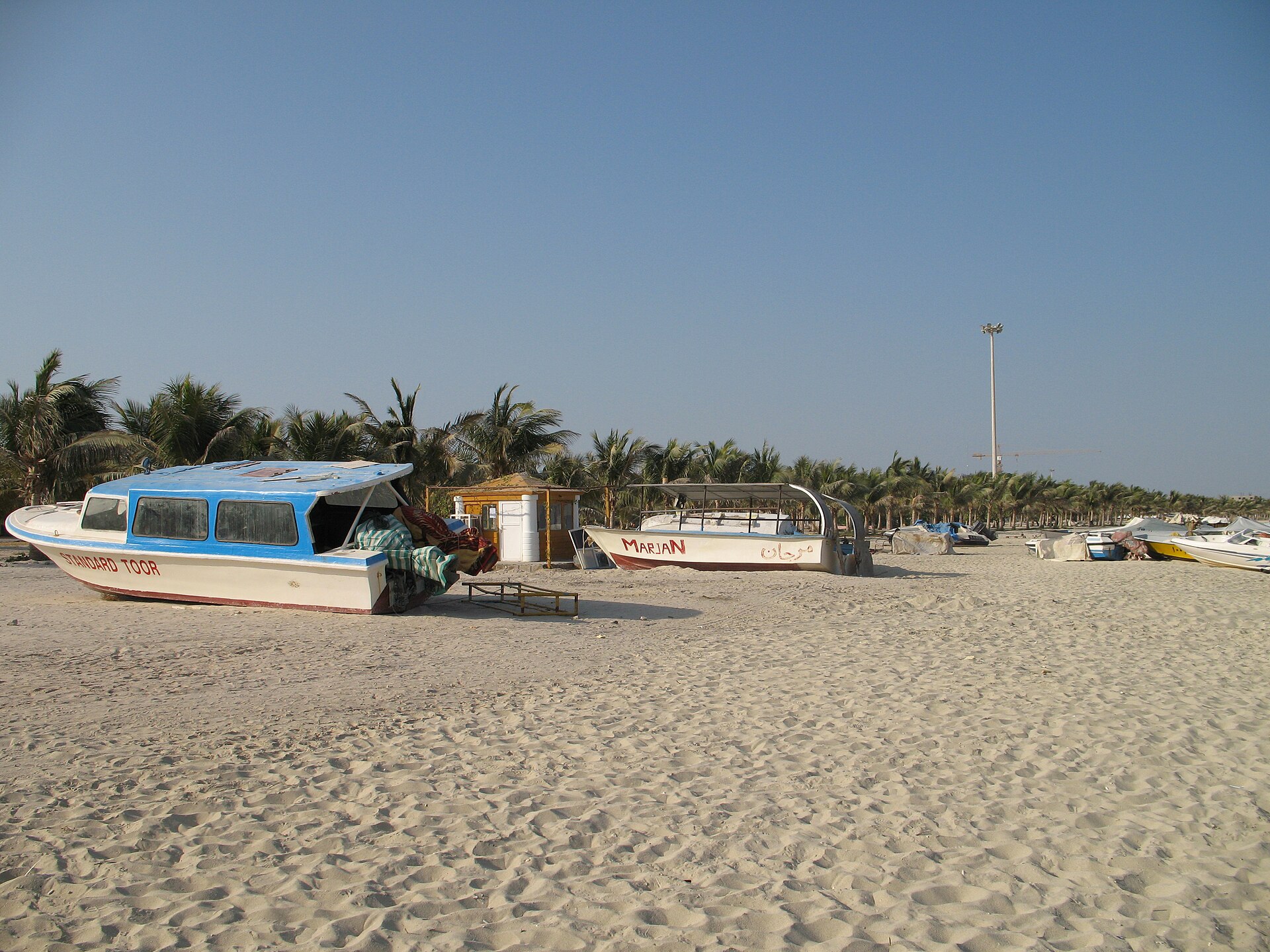
Boats from Shahid Haqqani to Hormuz generally run several times a day, with departures in the morning, midday, afternoon and evening. The crossing itself takes roughly thirty minutes to an hour, depending on the vessel and sea conditions. Tickets are sold at the counter inside the terminal, and the Hormuz counter is separate from the Qeshm counter, so follow the signs carefully. Bring your passport, since foreign visitors pay a different fare from Iranian nationals and staff may ask to see identification. Fares have risen in recent years and are best confirmed at the pier on the day, since published prices go out of date quickly.
By air or land to Qeshm, then by boat
Qeshm Island has its own airport with flights from Tehran and other cities, and it is connected to the mainland by a car ferry from Bandar Pol. If you are already exploring Qeshm, you can reach Hormuz from Shahid Zakeri Port on the Qeshm coast. Boats on this route are fewer, often with a morning and an afternoon departure, so check the schedule the day before. The crossing takes about thirty to forty-five minutes.
Overland to Bandar Abbas
Travellers coming from Tehran or central Iran can take an overnight train or a long-distance bus to Bandar Abbas. The train journey from Tehran takes around nineteen to twenty hours, and the bus takes roughly sixteen hours depending on the service. Both arrive at terminals where you can continue to Shahid Haqqani Port by taxi, booked through Mehyar Taxi so you have a confirmed price before you get in.
Bringing a car
Private cars cannot be taken to Hormuz on the passenger boats. If you are driving, leave the car in Bandar Abbas or send it to Qeshm by landing craft from Bandar Pol, then continue to Hormuz on foot as a passenger. On the island itself, most visitors get around by tuk-tuk, rented scooter or a local driver, and we will come back to that below.
A short history
Hormuz has been a name on trade routes for centuries. The old port town of Hormuz on the mainland gave the island its name, and by the medieval period the island had become a major hub for ships moving between India, the Persian Gulf and the wider Indian Ocean. The Venetian traveller Marco Polo passed through the region in the late thirteenth century, and the Moroccan scholar Ibn Battuta visited the island in the fourteenth century. In 1507 the Portuguese captured Hormuz and built a fortress to control the sea lanes, holding the island until 1622, when a combined Persian and English force took it back during the reign of Shah Abbas I. After that, trade shifted to the mainland port that became Bandar Abbas, and Hormuz settled into a quieter life as a fishing and farming island. Today its geology, not its harbours, is what draws visitors.
What to see on Hormuz Island
Rainbow Valley
The Rainbow Valley, sometimes called the Valley of Colours, is the island's signature sight and the reason many travellers come. Layers of volcanic ash, iron oxide, salt and other minerals have been folded and eroded into bands of red, orange, yellow, green, purple and white that run across the hillsides like paint. The colours are brightest in direct sunlight, so early morning and late afternoon are the best times to walk here. There is no ticket and no fence, but the ground is fragile, so stay on the paths and do not dig into the coloured beds.
Valley of Statues
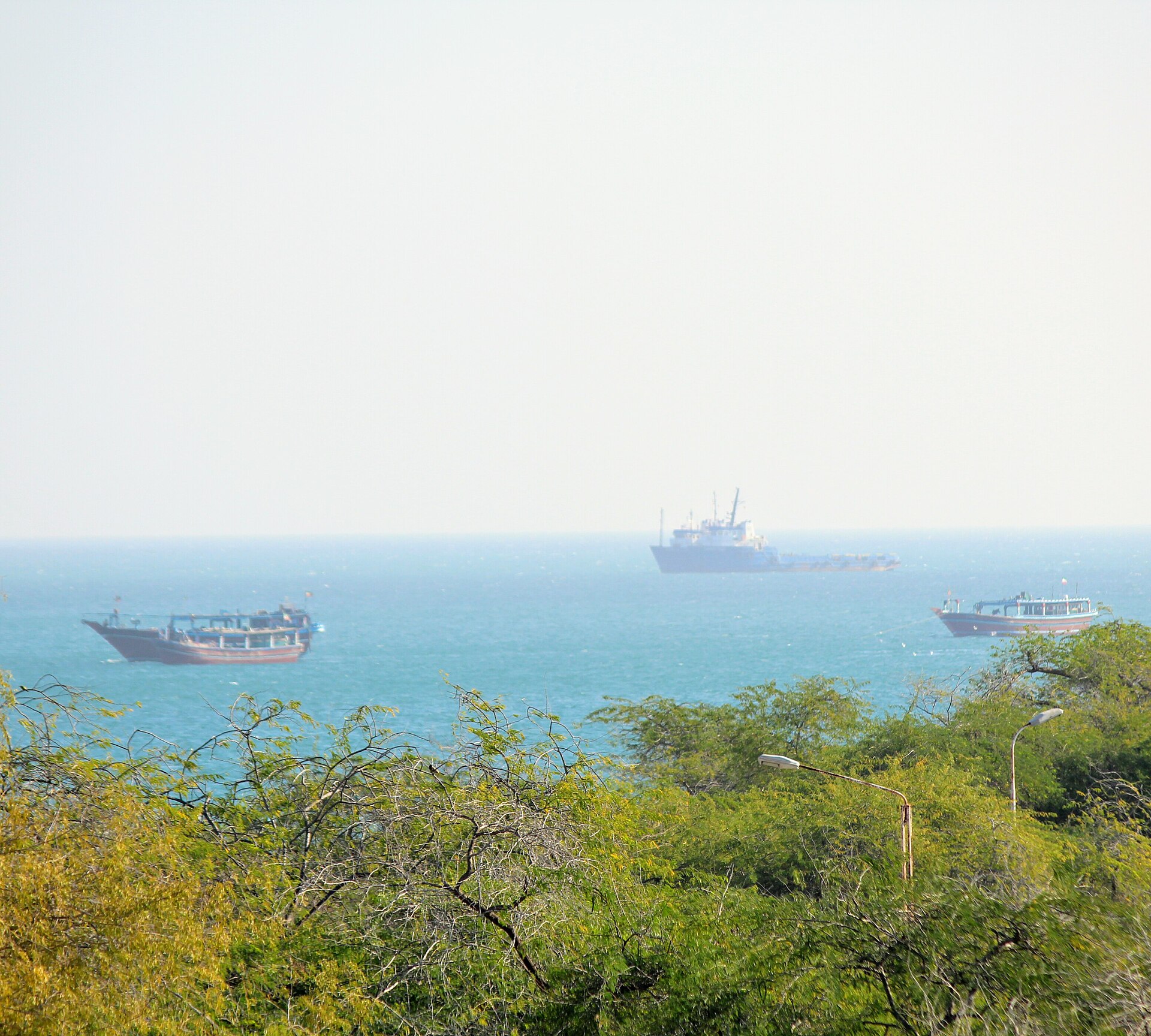
The Valley of Statues, also called the Valley of Sculptures, is a dry gorge where wind and salt erosion have carved the rock into shapes that resemble animals, faces and figures. The formations sit above the coast, and the walk to the viewpoint at sunset is one of the most memorable things to do on the island. Bring water and wear shoes with grip, because the surface is loose in places.
Red Beach and the silver beach
The Red Beach on the western side of the island is where the famous crimson sand meets the water. The colour comes from iron oxide in the volcanic soil, known locally as gelak, which is so rich in minerals that people use it as a spice in sauces and jams and as a pigment in dyes, cosmetics and ceramics. After rain, streams of red water run down to the shore, and photographers come from across Iran to capture it. Nearby, the Silver Beach has a metallic shimmer that reflects the light, especially at dawn.
Goddess of Salt
The Goddess of Salt is a white mountain of salt crystals on the western side of the island, sometimes called the Salt Goddess or the Mountain of Energy. Locals believe the formations have a calming, cleansing quality, and the silence inside the salt cave is striking. Guides can show you the way, since the entrance is not obvious from the road.
Portuguese Castle
The Portuguese Castle, also known as the Fort of Our Lady of the Conception, stands on the northern shore about a kilometre from the main pier. It was built in the sixteenth century during the Portuguese occupation and is one of the best-preserved Portuguese forts in the region. Inside you can see the thick stone walls, the towers, the cistern and the remains of a church. There is a small entry fee, and the site is usually open during daylight hours. Prices and timings change, so confirm locally before you go.
Hormuz Museum and the soil carpet
The small museum run by the artist Ahmad Nadalian displays local culture, art and handicrafts, and it is a good stop if you want context on the island's traditions. Along the western shore, artists have periodically created huge soil carpets, using the island's coloured earth to lay out patterns on the beach. The carpets are temporary and weather away, so ask locally whether one is on view during your visit.
Hours, tickets and practical numbers
Entry to the island itself is free, and most natural sights have no gate or fee. The Portuguese Castle charges a small admission, and the museum has its own modest ticket. Prices in Iran change often, so treat any figure you read online as an estimate and confirm at the site. The best months to visit are from October to April, when daytime temperatures sit between about 18 and 30 degrees Celsius. Summer is punishing, with temperatures above 40 degrees and high humidity, and many services run at reduced capacity. Winter and the Nowruz holidays are the busiest periods, so book accommodation early if you travel then.
Getting around the island
Hormuz has no public bus network and no metered taxi service. In practice, visitors move around by tuk-tuk, by rented scooter, or by hiring a local driver for a half-day or full-day loop. Agree the route, the stops and the total price before you set off, and remember that the cheapest offer is not always the safest or the most responsible one. If you prefer an organised ride, open Mehyar and book a Taxi to coordinate your arrival at the pier, and ask your accommodation to arrange a local driver for the island tour. Scooter rental is common but only advisable if you are an experienced rider and have checked the brakes and helmet.
Where to stay
Hormuz has no five-star hotels, but it has a growing choice of small hotels and eco-lodges. The best known is Majara Residence, a cluster of colourful domes on the western shore built with compressed earth and sand, designed to echo the island's palette and to keep the footprint light. It has suites, a restaurant and a cafe, and it books out far in advance in high season. Simpler three-star hotels such as Red Beach Hotel and Hormoz Hotel sit closer to the village and the pier, and family-run guesthouses offer a more local experience. You can compare and reserve rooms through Mehyar Hotels before you travel, which is much easier than arriving at the pier and hoping for a vacancy in winter.
Camping on the beach is possible for the adventurous, but you need to watch the tides and the wind, and there are no facilities.
Money, connectivity and cash
The island has limited ATMs and not every business accepts cards, so plan your cash before you arrive. The simplest approach is to top up your Mehyar wallet before you leave Bandar Abbas, so you can pay for your boat ticket, your tuk-tuk, your meals and your room without hunting for a working machine. If you need a local SIM for maps and messages, check Mehyar SIM for availability and activate it in Bandar Abbas, since coverage on the island is better than it used to be but still patchy in the valleys. Download offline maps before the crossing, and carry a little cash in rials for small purchases, such as tea, snacks and souvenirs.
Food and souvenirs
The island's cuisine leans on the sea: grilled fish, shrimp, and stews served with rice and flatbread. Local women make sauces and jams with the red gelak soil, giving dishes a distinct colour and a mineral, savoury note. Do not leave without trying them, and if you want to take some home, buy from a local producer rather than scooping soil from the beach, since the coloured beds are a fragile resource. Other souvenirs include handmade glass, marine jewellery, local dress and the bright burqa-style masks worn by some women in the region.
Staying safe and travelling responsibly
Hormuz is generally calm and welcoming, but the usual travel cautions apply. Respect local dress and customs, especially away from the beach. Do not remove coloured soil or crystals from protected areas, and do not drive vehicles onto sensitive beaches or into the valleys. Summer heat is a genuine hazard, so carry more water than you think you need and avoid the middle of the day. Boat schedules can be cancelled when the sea is rough, so keep a buffer day in your plan and never leave your return to the last departure of the night.
Nearby and onward
Many travellers pair Hormuz with Qeshm, which is larger and has its own attractions, including the Hara mangrove forests and the Valley of Stars. From Qeshm you can also reach Hengam Island for dolphin watching. On the mainland, Bandar Abbas offers the historic Galehdari Hammam, the Hindu Temple, and the bazaar, and it is the natural base for onward flights or trains.
Start planning with Mehyar
Open Mehyar to book your flight to Bandar Abbas, reserve a hotel or eco-lodge on Hormuz, arrange a taxi from the airport to Shahid Haqqani Port, and top up your wallet so you can pay as you go. If you are building a longer southern itinerary, read our guides to Qeshm and Kish, and keep our article on paying in Iran and first trip to Iran handy before you fly.