
Why Visit Hamedan
Hamedan is one of the oldest continuously inhabited cities in the world. Known in antiquity as Ecbatana, it served as the capital of the Median Empire and has been a center of power, learning, and culture for over three thousand years. The city sits at the foot of Mount Alvand, a 3,500-meter peak in the Zagros range, at an elevation of about 1,750 meters. The air is crisp, the climate is cool and mountainous, and the surrounding landscape is dotted with ancient ruins, natural springs, and geological wonders.
Today, Hamedan is sometimes called the capital of history and civilization in Iran, a title earned by the sheer density of its historical sites. The ancient hill of Hegmataneh, the UNESCO-registered remains of the Median capital, sits in the middle of the modern city. The tomb of Avicenna, the greatest philosopher and physician of the medieval Islamic world, stands as a modern monument to one of Hamedan's most famous sons. And within driving distance, you will find Ganjnameh, the 2,500-year-old Achaemenid rock inscriptions, Ali Sadr Cave, the world's largest navigable water cave, and the quiet majesty of the Baba Taher mausoleum.
Getting to Hamedan
By Air
Hamedan Airport (IATA code HDM, ICAO code OIHH) is located about 8 kilometers northeast of the city. It operates flights to Tehran, Mashhad, and Kish, though the schedule is limited compared to Iran's major hubs. During peak travel seasons, additional routes may be opened. From the airport, a taxi to the city center takes about 20 minutes.
Open Mehyar and check Flights for current schedules and fares. If you are connecting through Tehran, the flight from Imam Khomeini Airport to Hamedan takes roughly one hour.
By Road
The most direct route from Tehran is via the Saveh-Hamedan highway, covering about 350 kilometers in four to five hours. From Isfahan, the journey is about 480 kilometers and takes five to six hours. From Tabriz, it is roughly 650 kilometers. The roads are well-maintained and pass through attractive mountain scenery.
Intercity buses and shared taxis run regularly between Hamedan and major cities. Use Mehyar's Buses section to find schedules and fares. If you are driving yourself, the highways are paved and well-signposted. Open Mehyar and tap Taxi for rides within the city once you arrive.
The Major Sights
Hegmataneh (Ecbatana)
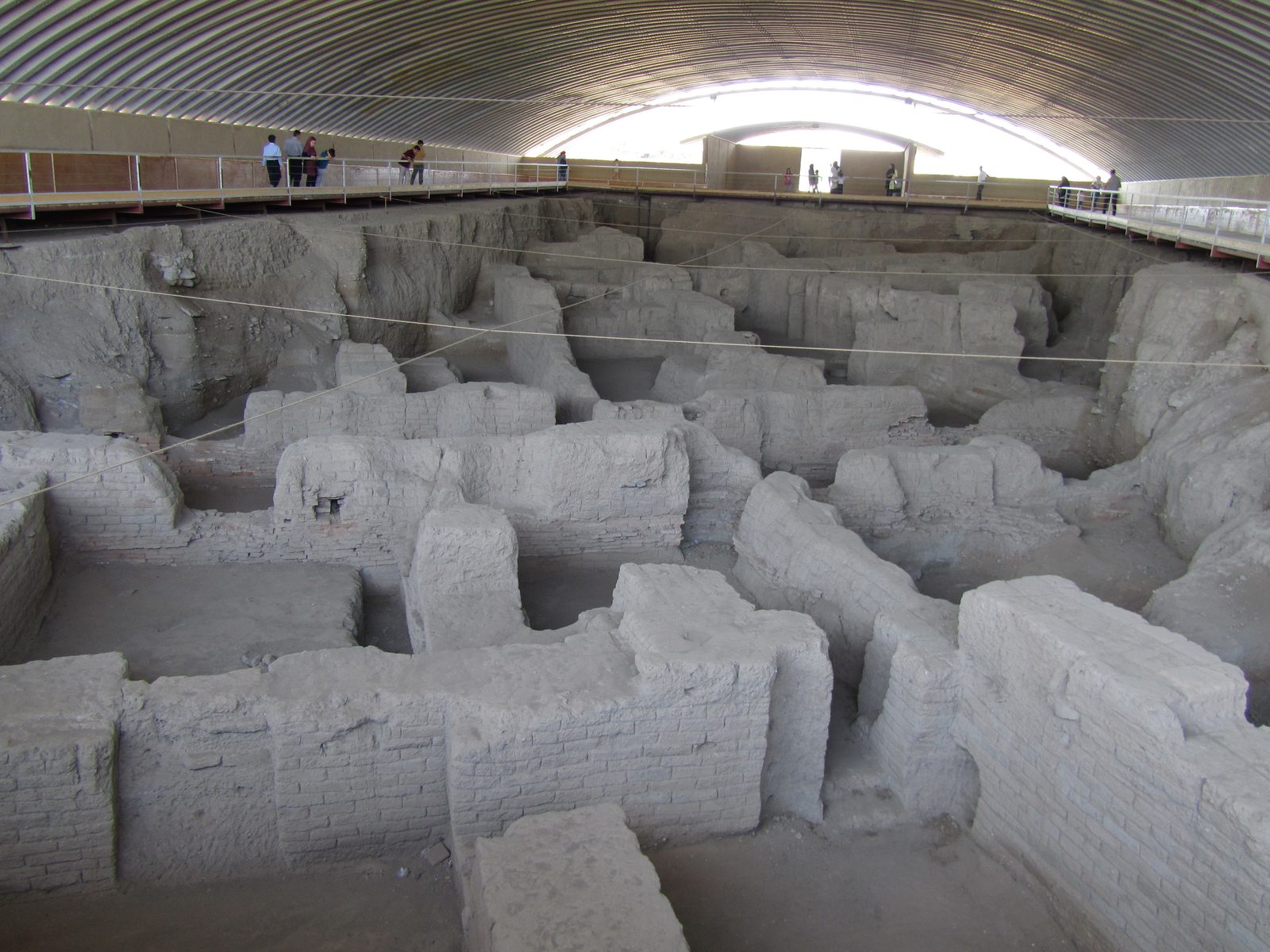
Hegmataneh is the archaeological heart of Hamedan and one of the most significant ancient sites in Iran. This is the remains of Ecbatana, the first capital of the Median Empire, founded in the 7th century BCE. The ancient Greek historian Herodotus described Ecbatana as a city of seven concentric walls, each painted a different color, rising up a hillside. While the full extent of the ancient city has not been excavated, the visible remains include massive stone foundations, column bases, and fragments of fortification walls that give a sense of the scale of the original settlement.
The site is registered as a UNESCO World Heritage Site. Hours are typically 9:00 to 18:00, and admission is around 30,000 tomans. A small museum on the grounds displays artifacts found during excavations, including pottery, metalwork, and decorative objects from the Median and Achaemenid periods.
Avicenna Mausoleum
Abu Ali ibn Sina, known in the West as Avicenna, was born in the village of Afshana near Bukhara but spent much of his life in Hamedan, where he died in 1037. He is regarded as one of the most important thinkers in the history of medicine and philosophy, and his Canon of Medicine was a standard medical text in European universities for centuries.
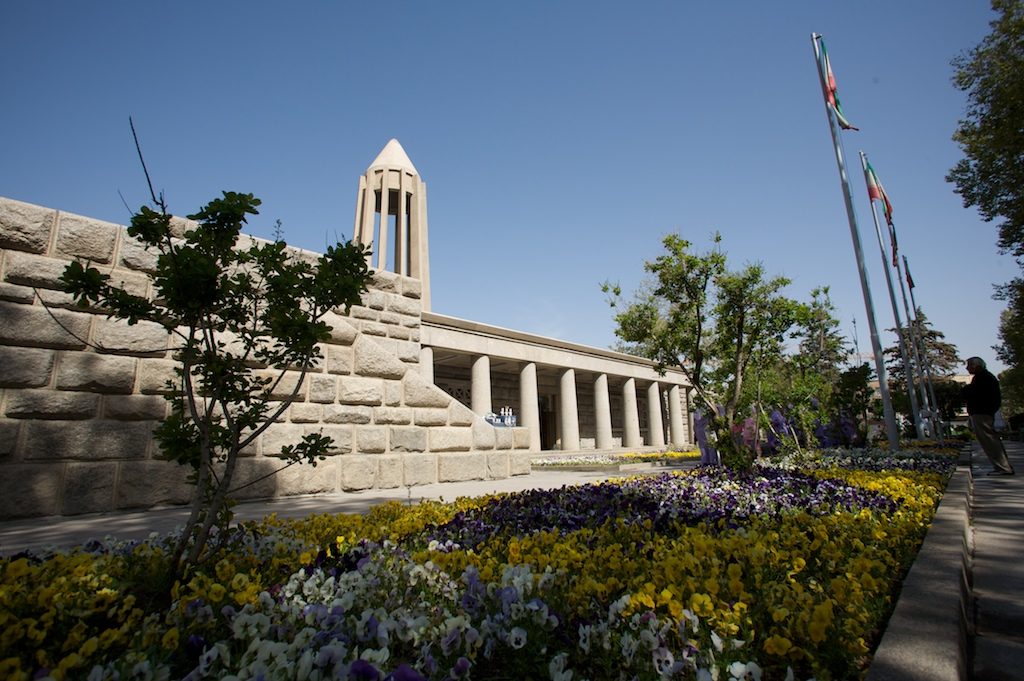
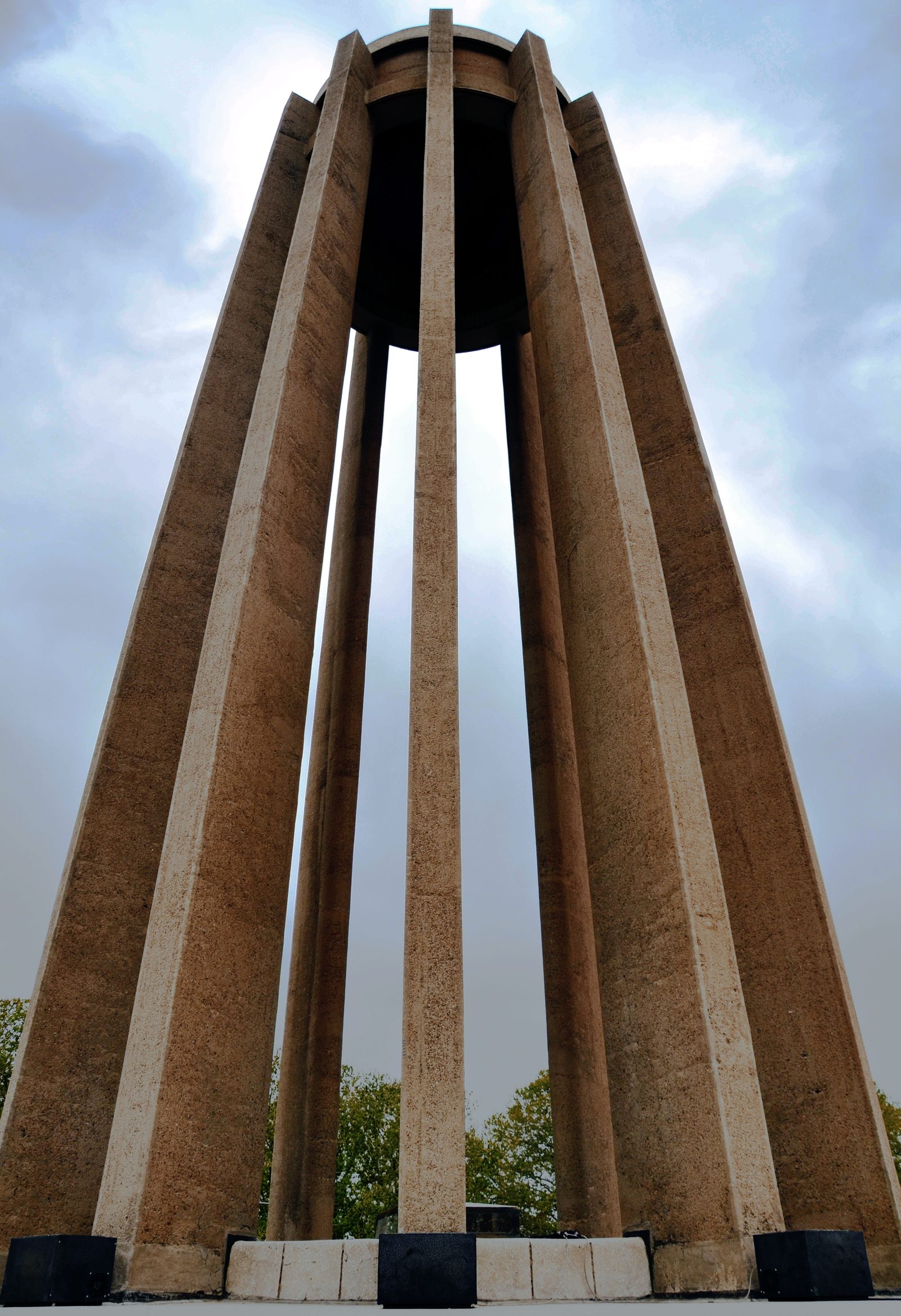
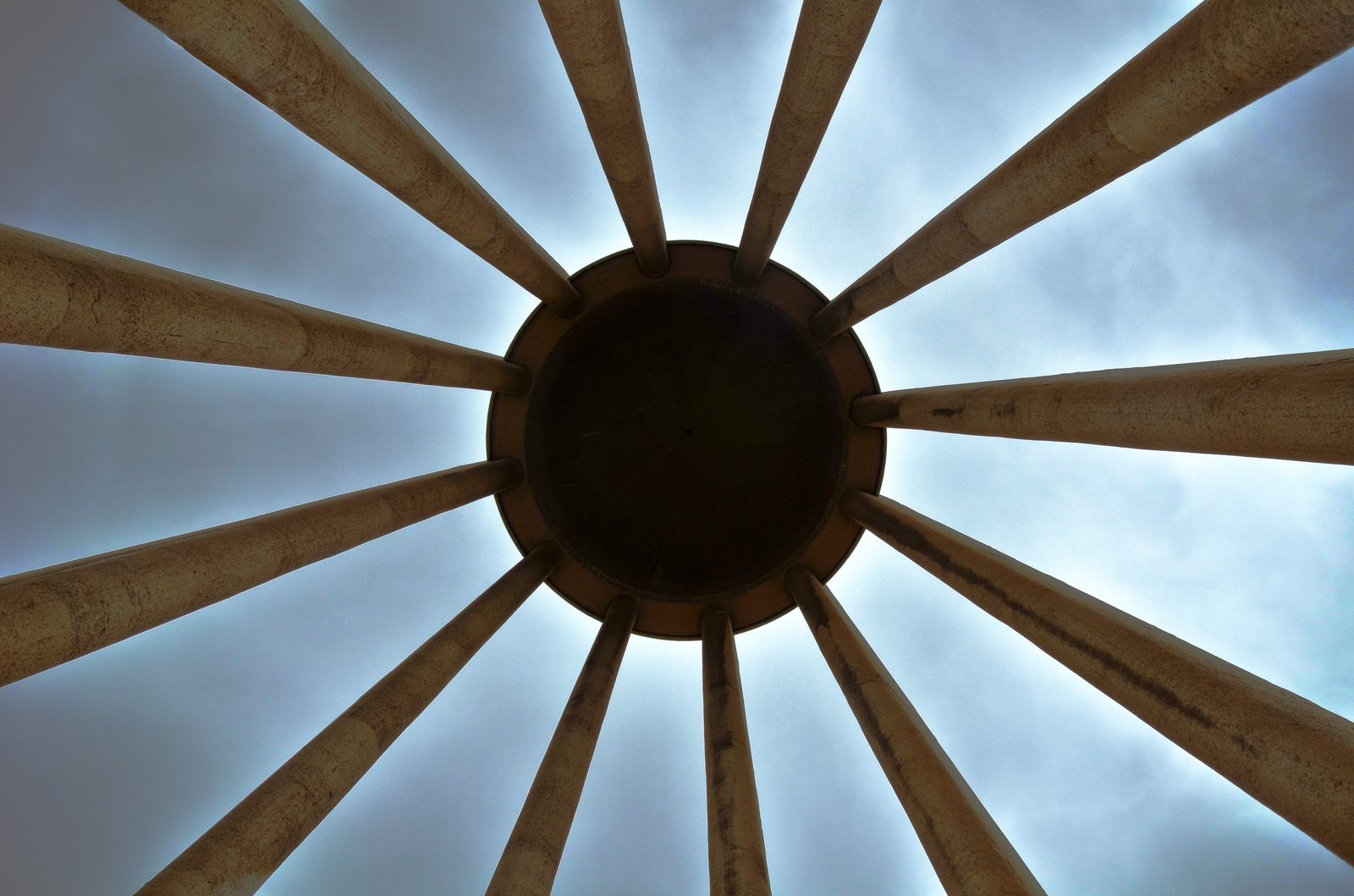
The modern mausoleum, built in the 1950s, is a striking structure: a tall tower of pale stone topped with a conical dome, surrounded by gardens and reflecting pools. Inside, a large statue of Avicenna stands in the main hall, along with exhibits about his life and work. The mausoleum is open from 8:30 to 17:00, and admission is about 25,000 tomans.
Ganjnameh
About 12 kilometers southwest of Hamedan, on the southern slopes of Mount Alvand, the Ganjnameh rock inscriptions are carved into a cliff face beside a small waterfall. The inscriptions were commissioned by two Achaemenid kings: Darius the Great (522 to 486 BCE) and his son Xerxes (486 to 465 BCE). Each text is trilingual, written in Old Persian, Elamite, and Babylonian, and records the king's devotion to Ahura Mazda and his accomplishments in building the empire.
The site is set in a narrow valley with a pleasant walking path, a small cafe, and parking. It is a popular spot for picnics and short hikes, and the waterfall adds a refreshing element to the visit. The inscriptions themselves are partially protected behind glass, and informational panels explain their historical context.
Ali Sadr Cave
About 75 kilometers northwest of Hamedan, Ali Sadr Cave is the largest navigable water cave in the world, formed roughly 190 million years ago during the Jurassic period. The only way to explore the cave is by boat, gliding across underground lakes while stalactites and stalagmites tower above you. The interior temperature is a constant 12 degrees Celsius year-round.
Visits typically take one to two hours, including the boat ride and the walking sections. Admission is around 230,000 tomans for foreign visitors. The cave is open daily, with hours from 8:00 to 17:00 in the warmer months and shorter hours in winter. For a full guide to visiting the cave, see our Ali Sadr Cave guide.
Baba Taher Mausoleum
Baba Taher was an 11th-century Persian poet and mystic, known for his short, haunting quatrains called do-baytis, written in the Luri dialect. His tomb in Hamedan is a modern structure, built in the 1960s, with a distinctive pointed dome covered in blue tiles. The interior is peaceful, with verses of Baba Taher's poetry inscribed on the walls. The mausoleum is set in a garden and is open from 8:00 to 18:00. Admission is about 20,000 tomans.
Stone Lion (Shir Sangi)
The Stone Lion is a carved stone figure from the Parthian or early Sassanid period, located in a small park in the center of Hamedan. The lion, carved from a single block of stone, is thought to have been a guardian figure, possibly associated with a now-lost temple or palace. It is a modest sight but a fascinating one, and the park around it is a pleasant place to walk.
Tomb of Esther and Mordechai
One of the most important Jewish pilgrimage sites in the world, the Tomb of Esther and Mordechai in Hamedan is believed by many to house the remains of the biblical queen Esther and her cousin Mordechai, the heroes of the Book of Purim. The tomb has been a place of pilgrimage for Jewish communities for over a thousand years. The current structure dates to the 19th century, with a domed chamber and a small courtyard. Visits are usually possible, though access may be restricted at certain times. Check locally before planning your visit.
Hamedan's Traditional Bazaar
The Grand Bazaar of Hamedan is one of the city's oldest structures, with sections dating to the Seljuk period. It is a classic Iranian bazaar: a covered complex of vaulted corridors, domed chambers, and caravanserais organized by trade. The leather quarter is particularly famous, as Hamedan is known across Iran for its high-quality leather goods. You will also find pottery from nearby Lalejin, copperware, spices, and textiles.
The bazaar is free to enter and is a good place to experience the daily rhythms of Iranian commercial life. Open Mehyar and load your Wallet before visiting, so you can pay at any stall by card.
Where to Eat in Hamedan
Hamedan's cuisine reflects its mountain climate and agricultural traditions. Local specialties include abgusht, a rich lamb and chickpea stew; kufteh, large meatballs stuffed with herbs and dried fruit; and a variety of herb-based soups. The city is also known for its dairy products, especially a local cheese called panir-e hamedani.
Restaurants in the city center and around the main squares serve a range of Iranian dishes, from chelo kabab to regional specialties. Several traditional restaurants offer courtyard dining in historic settings.
When to Visit Hamedan
The best time to visit Hamedan is from mid-June to mid-September. During this period, daytime temperatures are pleasant, around 25 to 30 degrees Celsius, and the nights are cool. The surrounding mountains are accessible for hiking, and the sites are at their most enjoyable.
Winter in Hamedan is cold and snowy, with temperatures frequently dropping below freezing. The city and its surroundings take on a stark beauty, but many outdoor sites are less comfortable, and some roads, particularly to Ali Sadr Cave, can be icy. Spring and autumn are transitional seasons, with variable weather.
For travelers coming to Iran for the first time, our guide to planning your first trip to Iran covers visas, money, SIM cards, and the essentials you need before heading to Hamedan. And since you will be paying for tickets, meals, and taxis along the way, our guide to paying in Iran as a foreign visitor explains how to set up a Mehyar wallet and tourist card so you are never stuck without local currency.
Plan Your Trip to Hamedan with Mehyar
Hamedan is a city that rewards curiosity. Every corner holds a layer of history, from the Medes to the Achaemenids, from Avicenna to the present day. The combination of ancient ruins, mountain scenery, and living culture makes it one of Iran's most underrated destinations.
Open Mehyar to start planning. Use the Planner to build your Hamedan itinerary, Hotels to find accommodation in the city, and Taxi to arrange rides between sights. Whether you are flying in or driving from Tehran, Mehyar's Flights and Buses sections help you reach Hamedan and explore the surrounding region.
If Hamedan's ancient history appeals to you, you may also want to visit the ceremonial capital of the Achaemenid Empire at Persepolis, or the garden city of Kashan, where the merchant houses of the Qajar era preserve another chapter of Iran's long story.