
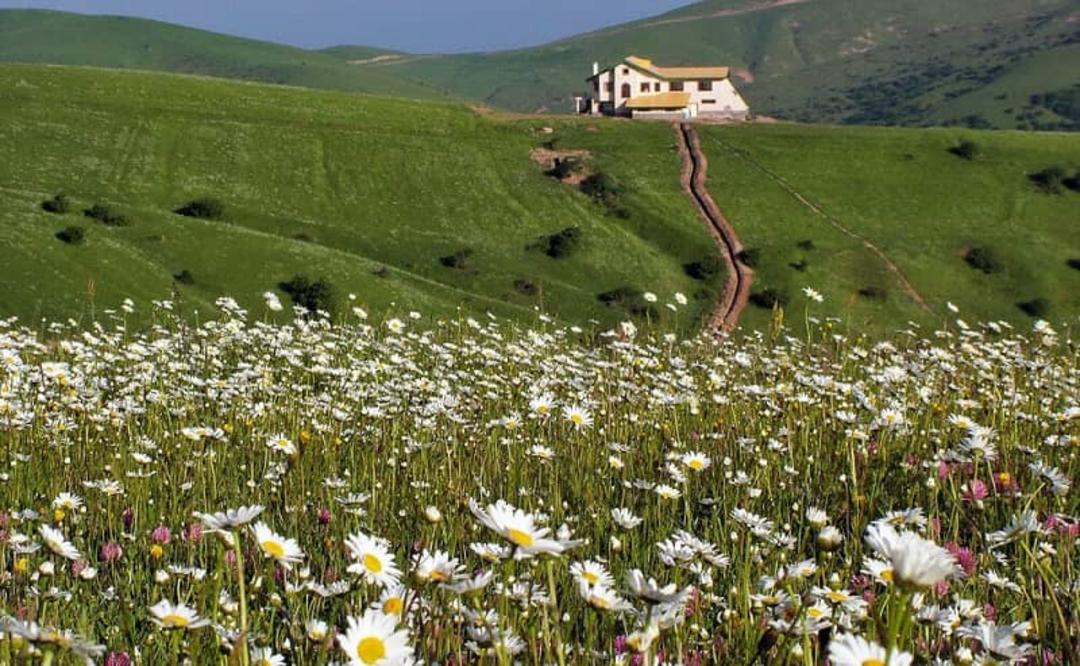
Tucked into the western reaches of Gilan Province, less than a kilometer from the border with the Republic of Azerbaijan, Gildeh is a village that earns its reputation as one of the most beautiful settlements in northern Iran. The road from Astara to Gildeh climbs through dense Caspian Hyrcanian forest, a UNESCO-recognized biome that survived the last ice age and still carpets the southern slopes of the Caucasus. A river runs through the village, old beech and hornbeam trees line the lanes, and the air carries the cool dampness of a landscape that gets more rainfall than almost anywhere else in Iran. For travelers exploring Gilan beyond the cities of Rasht and Bandar-e Anzali, Gildeh offers a genuinely wild experience, with mountain trails, hot springs, and waterfalls within easy reach.
Where Is Gildeh?
Gildeh (also spelled Giladeh) belongs to Astara County in western Gilan Province. It sits about 30 kilometers west of the city of Astara, which is itself the northernmost city in Gilan and a major border crossing into Azerbaijan. The village is positioned on the mountain road that connects Astara to Ardabil, and it is accessible from both Gilan Province to the east and Ardabil Province to the west. The distance from Rasht, the capital of Gilan, is about 320 kilometers and takes roughly six hours by car. From Ardabil, the distance is only 60 kilometers, or about one hour and 20 minutes.
The village is small, with a population that speaks Azerbaijani Turkish and earns its living through farming, animal husbandry, and increasingly, tourism. The local economy has traditionally relied on livestock, and Astara is known across Iran for its large, strong shepherd dogs that guard the flocks in the mountain pastures.
What to See and Do
The Village Itself
A walk through Gildeh is the main attraction. The lanes pass between old houses, through stands of oak, beech, and hornbeam, and alongside the river that gives the village its life. The Caspian Hyrcanian forests surrounding the village are home to species found almost nowhere else on earth, and walking among them feels like entering a different era. You may also spot wild plum trees and the local wild olive known as valik, whose leaves are used in regional cooking.
Heyran Pass
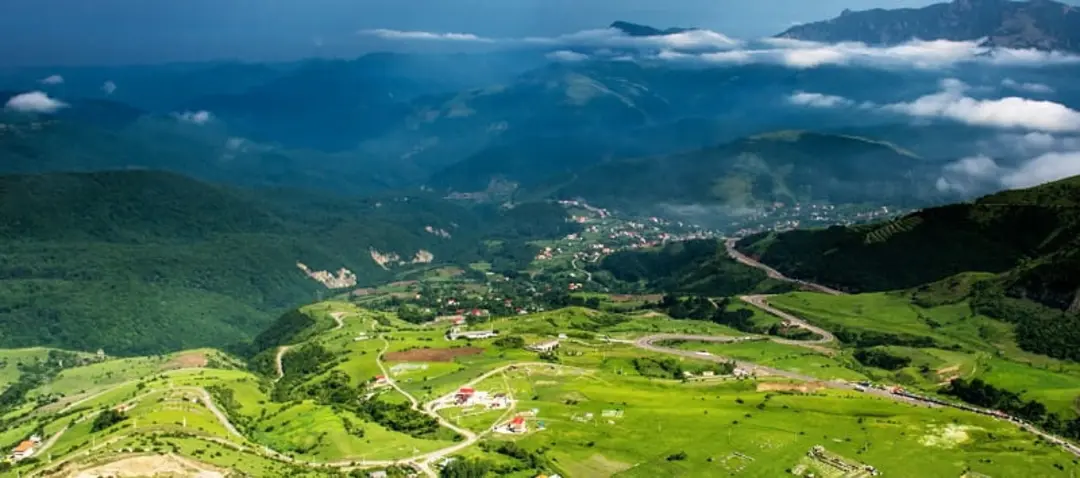
Just 11 kilometers from Gildeh, the Heyran Pass is one of the most dramatic mountain roads in Iran. The pass sits at about 1,500 meters above sea level and connects Astara to Ardabil through a landscape of deep valleys and cloud-covered peaks. The name Heyran comes from the Talysh word "hiran," meaning "place surrounded by clouds and mist," and the description is accurate. The Aras River, which forms part of the border between Iran and Azerbaijan, flows through the valley below. The pass includes three villages, Heyran-e Sofla, Heyran-e Vosta, and Heyran-e Olya, each with its own character.
Heyran Cable Car and Alpine Luge
The Heyran cable car, opened in 2011, runs for 1,500 meters above the cloud line and offers views of the surrounding peaks, including the ruins of a 2,000-year-old fortress on a nearby mountaintop. At an altitude of 1,720 meters above sea level, the cable car station is one of the highest tourist points in Gilan. For a more thrilling descent, the alpine luge (gravity ride) at Heyran is the longest in Iran and has been operating since 2015. It is a popular activity for families and adventure seekers.
Laton Waterfall
About 60 kilometers from Gildeh, near the town of Lوندویل (Londavil), Laton Waterfall is one of the tallest waterfalls in Iran at 105 meters in height and five meters in width. It cascades down the eastern slopes of Mount Spinas through dense forest, and the river it feeds eventually reaches the Caspian Sea. The waterfall was registered as a national natural heritage site in 2019. The nearest village is Kuteh Kumeh, about four kilometers from the falls. The path from the village to the waterfall is a forest walk, and above the main cascade, three smaller pools and waterfalls can be found.
Ali Dashi Hot Spring
Deep in the Fandoghloo forests, between the villages of Gildeh and Aladizkeh, lies the Ali Dashi hot spring, also known locally as Mesheh Sui. The spring has a pool of about six by four meters and is valued for its therapeutic properties. Access involves driving through mountain villages (Sij, Degirman Keshi, and Chamler) and then hiking about one hour along a forest trail with gentle slopes. Along the way, you pass a natural spring where locals sell bottled water. The scenery along this route includes fine views of the Heyran Pass on the far side of the mountains.
Fandoghloo Forest
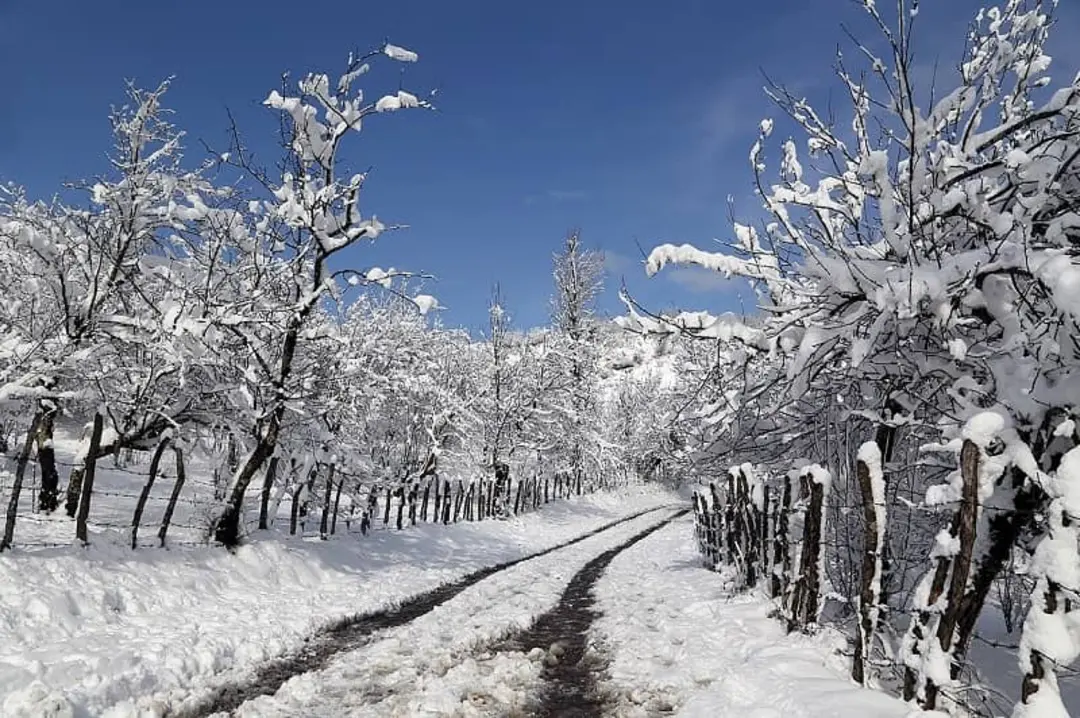
Spanning 16,000 hectares between the towns of Namin and Astara, the Fandoghloo forest is one of the largest and most biodiverse forests in Iran. It is a protected area and home to numerous plant and animal species. The forest is accessible from Gildeh and makes an excellent base for multi-day hiking and nature observation. The closest major town to the forest is Namin, about 29 kilometers from Ardabil.
Estil Lagoon
About 40 kilometers south of Gildeh (roughly one hour by car), the Estil Lagoon covers 138 hectares of freshwater wetland seven kilometers south of Astara. It is home to over 80 species of plants and animals, many of them endangered, and has been declared a no-hunting zone. The lagoon sits 13 meters below sea level with depths ranging from one to three meters. Trees grow with their roots in the water, creating a floating forest effect. Bird watchers may spot rare species such as the red-billed chough, which migrates from central Europe and Arctic regions each year.
Spinas Peak
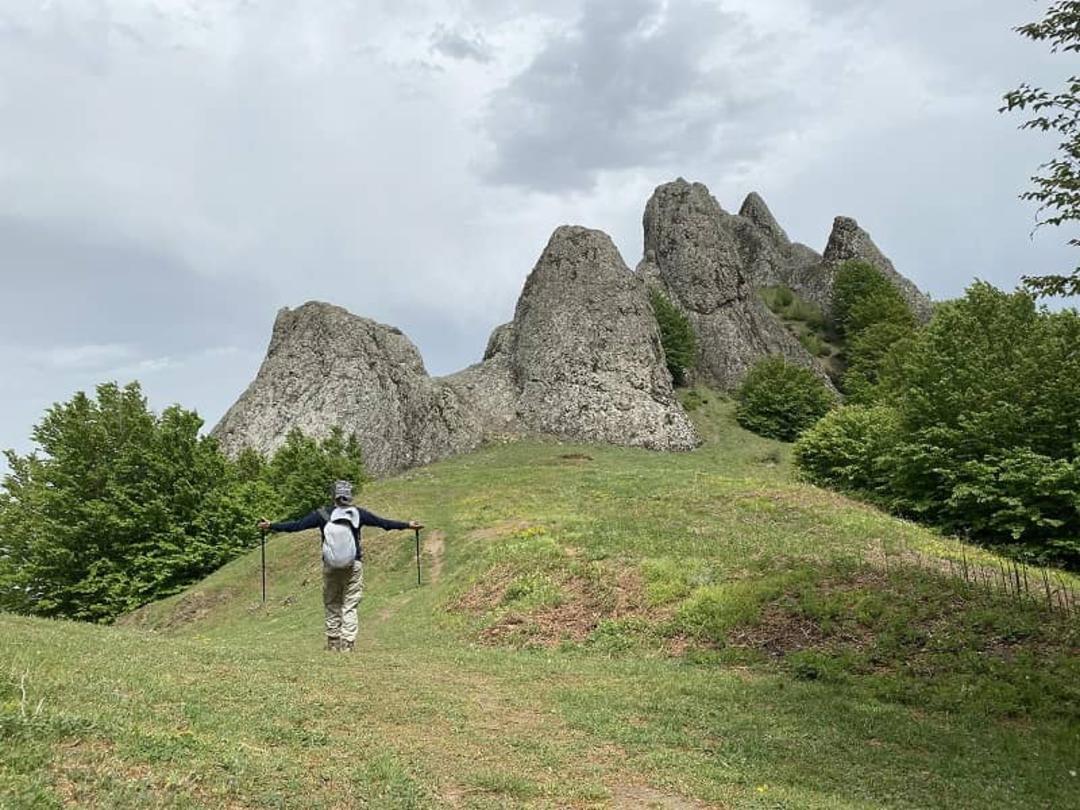
Rising to 2,105 meters, Mount Spinas is visible from Gildeh and is a popular objective for hikers and mountaineers. The ascent from the village is challenging but rewarding, with views stretching from the Caspian coast to the Ardabil plateau. The peak is part of the same mountain system that includes Shindan Peak at 1,850 meters near the Heyran Pass.
How to Get There
The most practical approach is to fly or take a bus to either Rasht or Ardabil, and then drive to Gildeh.
From Rasht: The drive is about 320 kilometers and six hours. Take the main highway north along the Caspian coast to Astara, then follow the mountain road west toward Ardabil. A Mehyar Taxi from Rasht to Astara is a comfortable option for the long drive.
From Ardabil: Only 60 kilometers and about one hour and 20 minutes. The road goes east through the Heyran Pass, which is itself a major scenic attraction. You can arrange a Mehyar Taxi from Ardabil for the trip.
By air: The nearest airports are Rasht Airport (about 320 km from Gildeh) and Ardabil Airport (about 60 km). Ardabil is the more convenient gateway.
By rail: Rasht has a railway station with connections to Tehran and other major cities. From the station, you would need to arrange road transport to Astara and then to Gildeh.
By bus: Regular buses run from Rasht to Astara and from Ardabil to Astara. From Astara, local taxis and shared transport cover the final 30 kilometers to Gildeh.
Hours and Tickets
Gildeh is a living village, not a ticketed attraction. You can visit at any time, and there are no entrance fees for the village itself. Nearby natural sites like Laton Waterfall and the Fandoghloo forest are also open and free. The Heyran cable car and alpine luge charge separate tickets, and prices should be confirmed locally as they change with the season.
Best Time to Visit
Spring and early summer are the ideal seasons for visiting Gildeh. From April through June, the forests are vividly green, wildflowers are in bloom, and the weather is cool and moist. Autumn (September to October) brings spectacular foliage as the deciduous forests turn gold and red. Winter is cold and snowy, and some mountain roads may be impassable. If you visit in winter, check road conditions before setting out and bring appropriate gear.
Where to Stay
Accommodation in Gildeh is basic but genuine. Local guesthouses and eco-camps offer simple rooms and home-cooked meals. Camping is also popular, and the riverside areas near the village provide attractive spots for tents. For more comfort, the city of Astara has hotels and guesthouses that can be booked through Mehyar Hotels.
Nearby Attractions
In addition to the sites mentioned above, the wider area around Gildeh includes the Sohba Lake (a mountain lake reached via the Ardabil road), the Haviq Waterfall (also called Emerald Waterfall), and the border market at Astara, where Iranian and Azerbaijani goods are traded. The Caspian Sea coast is also within reach for a change of scenery.

Practical Tips
- Wear sturdy shoes. The trails around Gildeh can be muddy and uneven, especially after rain.
- Bring a rain jacket. Gilan is the wettest province in Iran, and rain can come at any time.
- Carry cash. Village shops and guesthouses may not accept cards. You can top up your Mehyar Wallet before leaving the city for easier payments along the way.
- A local guide is recommended for the hike to Ali Dashi hot spring and for any off-trail exploration in the Fandoghloo forest.
- The mobile signal can be weak in the deeper valleys. Download offline maps before your trip.
- Respect the border zone. Gildeh is very close to the international border. Carry your identification and do not wander toward the boundary markers.