
In the arid southern reaches of Sistan and Baluchestan province, far from the tourist circuits of Isfahan and Shiraz, lives one of Iran's most extraordinary and unexpected creatures. The Gando, known scientifically as Crocodylus palustris, is the mugger crocodile, a short-snouted reptile that has roamed the rivers and wetlands of this region for 65 million years with barely a change in appearance. It is the only crocodile species that lives naturally in Iran, and encountering one in the wild is an experience few travellers to this country ever forget.
What Is a Gando?
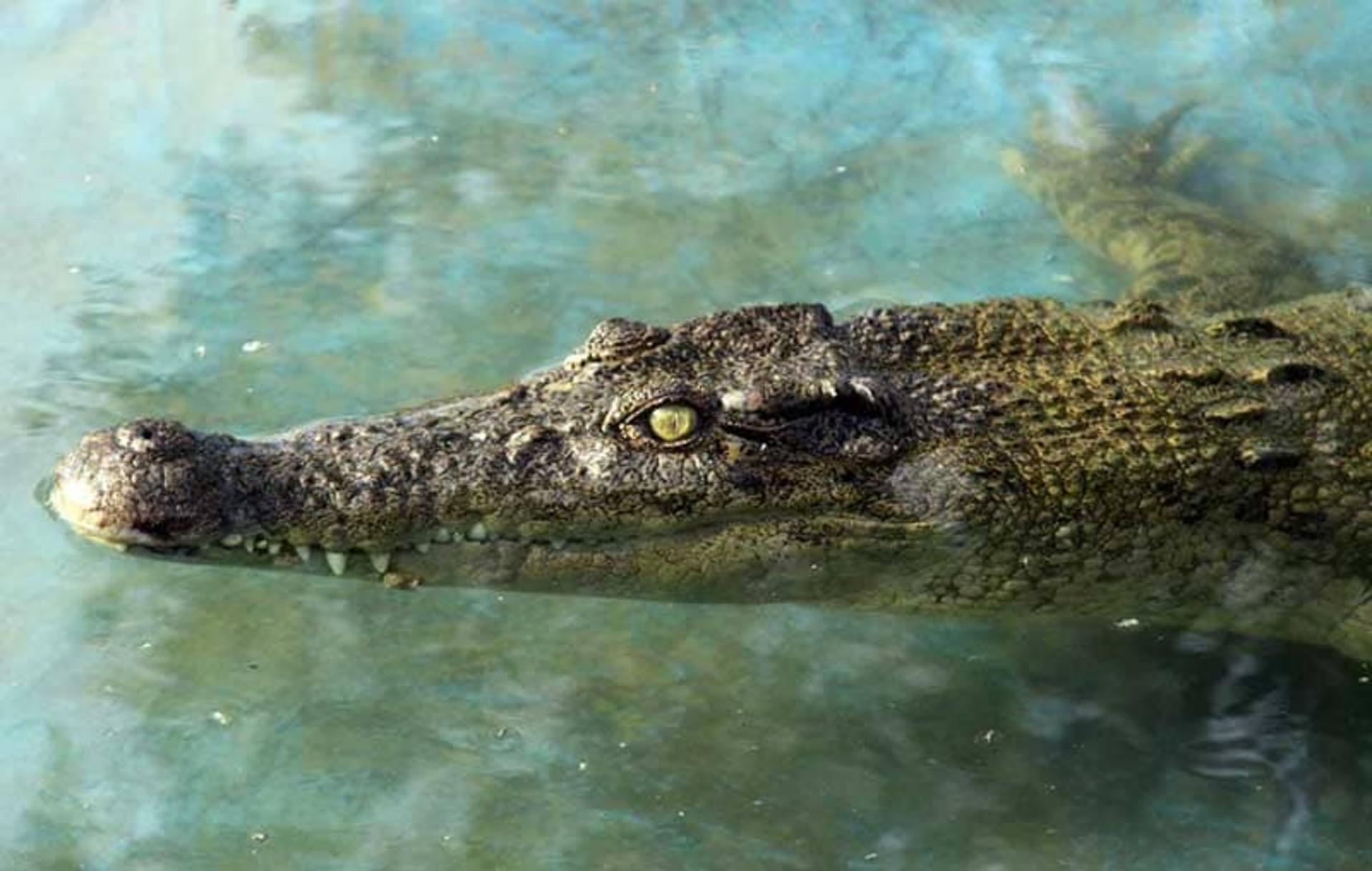
In the Baluchi language, the word "Gando" means "the one that walks on its belly," a fitting name for this powerful reptile. The animal's formal Persian name is "short-snouted marsh crocodile," though most locals simply call it Gando. This species is native to both Iran and Pakistan and holds the distinction of being the largest reptile in either country.
The Gando belongs to a lineage of crocodilians that dates back to the Mesozoic era, between 225 and 265 million years ago. Remarkably, these creatures have undergone virtually no physical changes over the past 65 million years. They are living fossils, a window into a prehistoric world that few animals can offer.
An adult male Gando averages about 3 metres in length, while females typically reach 2.45 metres. The average weight stands at around 550 kilograms, though specimens can grow up to 4 metres. In the wild, Gandos live between 40 and 60 years, and in protected conditions, some have surpassed 60 years. The largest Gando ever recorded in Iran measured 3.6 metres and was spotted near a place called Kaf-e Yusef, close to the Garm Bit area.
Physical Characteristics and Hunting
The Gando's broad snout carries 19 teeth in the upper jaw and 15 in the lower jaw, though these teeth are not designed for chewing. Instead, the crocodile swallows small prey whole and holds larger catches underwater or in the sun until the meat softens before tearing it apart. Despite their weak bite for chewing, their digestive fluids are extremely acidic, capable of breaking down any meal within minutes.
Nearly half of the Gando's body length is made up of its powerful tail, which functions like a ship's rudder in water. The Gando is an ambush predator, feeding on fish, birds, and mammals that come to the water's edge. In India, mugger crocodiles of this same species have been known to take down a 225-kilogram sambar deer and even a 450-kilogram water buffalo. Despite their fearsome reputation, Gando crocodiles in Iran show almost no tendency toward attacking humans. In the past decade, only two minor incidents have been reported, both involving accidental nips rather than deliberate attacks.
What makes the Gando particularly remarkable among crocodilians is its strong legs, the strongest of any crocodile species. This evolutionary adaptation stems from the scattered and unreliable water sources in its habitat, forcing the animal to walk considerable distances overland to reach new water bodies. The strong hind legs also give the Gando a distinctive ability to "high walk" with its body elevated above the ground.
The Gando and the Baluchi People
The relationship between the Gando and the people of Sistan and Baluchestan is one of the most remarkable examples of human-wildlife coexistence anywhere in the world. The Baluchi people regard the Gando as a symbol of blessing and prosperity. A local proverb says: "Wherever there is a Gando, there is abundant water." The community believes that if the crocodiles migrate or die, drought and famine will descend upon their lives. This deeply held belief has driven generations of Baluchi people to protect and care for the Gando with genuine devotion.
Children swim freely in the same pools where Gandos live, and women wash clothes and dishes at the water's edge without fear. The crocodiles, for their part, are intelligent, alert, and surprisingly timid. They can hear sounds from 500 metres away and will quickly slip into the water at any sign of danger. In normal conditions, they are social animals that move about peacefully alongside humans.
Where to See Gando in Iran
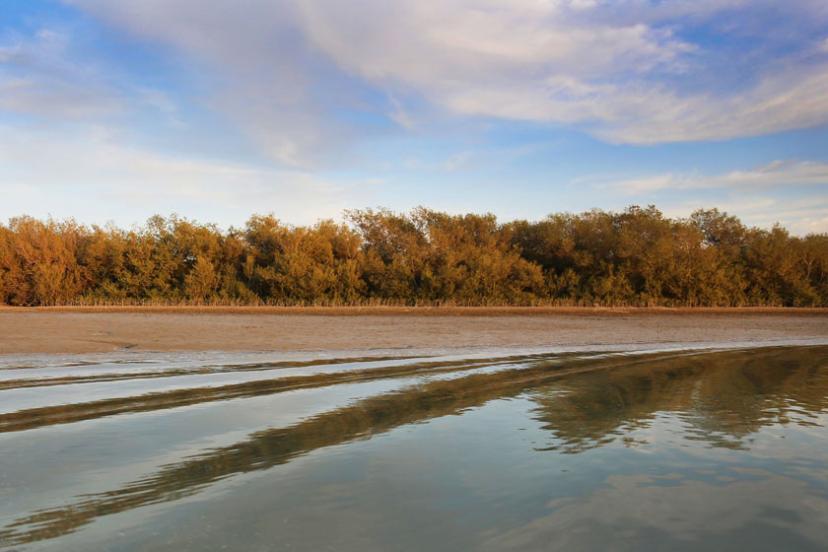
The Gando's Iranian habitat is concentrated entirely in the southern part of Sistan and Baluchestan province. The primary locations include the Bahukalat River, the Sarbaz River, and the water bodies around Chabahar and Saravan. All Gando habitats in Iran have been designated as protected areas since 1970, and in 1982, the Bahukalat region was officially renamed the Gando Protected Area in honour of the species.
Bahukalat Protected Area. This is the most well-known Gando habitat. The village of Bahukalat, still called by its old name, has served as a Gando sanctuary since the protected area was established. The pools and slow-moving waters here support the densest population of the species in Iran.
Sarbaz River Pools. The pools along the Sarbaz River begin about 1 kilometre north of Sarbaz city and extend to the Preesan Dam. Key gathering points include the Firuzabad Pool, Azadi Pool, Dar Gas Pool, Kaher Barz Pool, Hot Kat Pool, and several others. The highest concentration of Gandos is found near the dam.
Rikosh Station. Located 20 kilometres along the Jakigor-to-Chabahar road in the village of Dar Gas, this station was established in 2010 on a 10-hectare site to protect Gandos from the threat of drought. Around 30 short-snouted crocodiles currently live under protection here, making it one of the most accessible places for visitors to observe the species.
Night Watching
One of the best-kept secrets of Gando watching is that the animals are far easier to spot at night. The structure of the Gando's eyes causes bright light to reflect as a vivid red glow, making them conspicuous even in total darkness. The quiet and darkness of night also reduce the crocodile's fear, encouraging it to venture onto land more readily than during the day. A guided night visit to the Sarbaz River pools is an unforgettable experience.
Conservation Status
The Gando is classified as Vulnerable on the IUCN Red List. Worldwide, only about 2,400 mugger crocodiles remain. In Iran, the most recent census counted approximately 400 individuals. The species faces several threats, most critically the recurring droughts that afflict Sistan and Baluchestan. The province experiences severe drought cycles roughly every 30 years, and a prolonged six-year drought beginning around 2000 devastated Gando habitat, drying up pools and rivers and forcing environmental officers to relocate crocodiles to safer areas.
Other threats include heavy flooding that can destroy nests, chemical pollution of freshwater from pesticides, herbicides, and motor oil seepage, and occasional road accidents as the animals cross highways. The mortality rate among hatchlings is extremely high, with only 5 to 10 percent surviving to maturity at 5 to 10 years of age.
Iranian law imposes a fine of 20 million tomans for harming or hunting any Gando, reflecting the national commitment to preserving this unique species.
Getting to the Gando Habitat
By Mehyar Taxi. The most practical way to reach the Gando habitats is through Mehyar's taxi service. A private car from Chabahar to the Sarbaz River area or Bahukalat gives you flexibility to stop at multiple pool sites and wait while you observe the animals. The drive from Chabahar along the Sarbaz road is itself a journey through dramatic desert and river scenery.
By Mehyar Buses. Inter-city buses connect Chabahar to Sarbaz and other towns in the region. For budget travellers, Mehyar Buses offers scheduled services with advance booking through the app.
By Organised Tour. Wildlife and nature tours to the Gando habitats operate seasonally from Chabahar and Zahedan. These tours typically include transport, a local guide familiar with Gando behaviour, and visits to multiple viewing sites.
Best Time to Visit
The optimal window for visiting the Gando habitats runs from late autumn through early spring, roughly November through March. During these months, temperatures in Sistan and Baluchestan are mild and comfortable, and the water levels in the rivers and pools are at their highest. The breeding season falls in late winter (Esfand, roughly March), and eggs hatch in late spring (Khordad, roughly June), offering the chance to see hatchlings if timing is right. Summer temperatures in this region can exceed 45 degrees Celsius, making daytime wildlife observation difficult, though night watching remains rewarding year-round.
Practical Tips
- Stay in Chabahar. The city of Chabahar offers the best accommodation options near the Gando habitats. Use Mehyar Hotels to find and book suitable stays.
- Hire a local guide. The Baluchi communities around Bahukalat and Sarbaz know the Gando pools intimately. A local guide dramatically improves your chances of seeing the animals and ensures respectful interaction with the habitat.
- Bring binoculars and a camera with zoom. The Gando is shy and will submerge at sudden movements. Observing from a distance with proper optics is both more respectful and more productive.
- Visit at dusk or night. You are far more likely to see active Gandos in low light when the animals feel safer on land.
- Respect the habitat. Do not approach the animals closely, do not feed them, and do not leave waste near the water bodies. These are protected areas and the Gando is a vulnerable species.
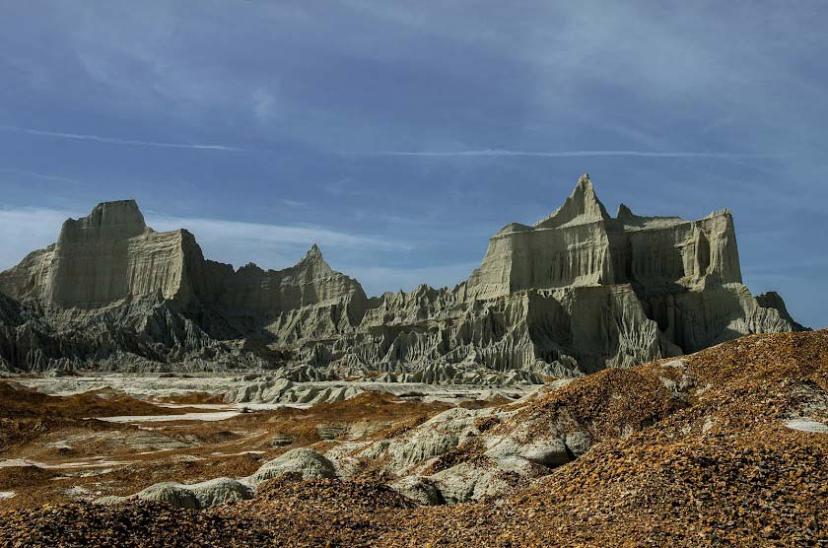
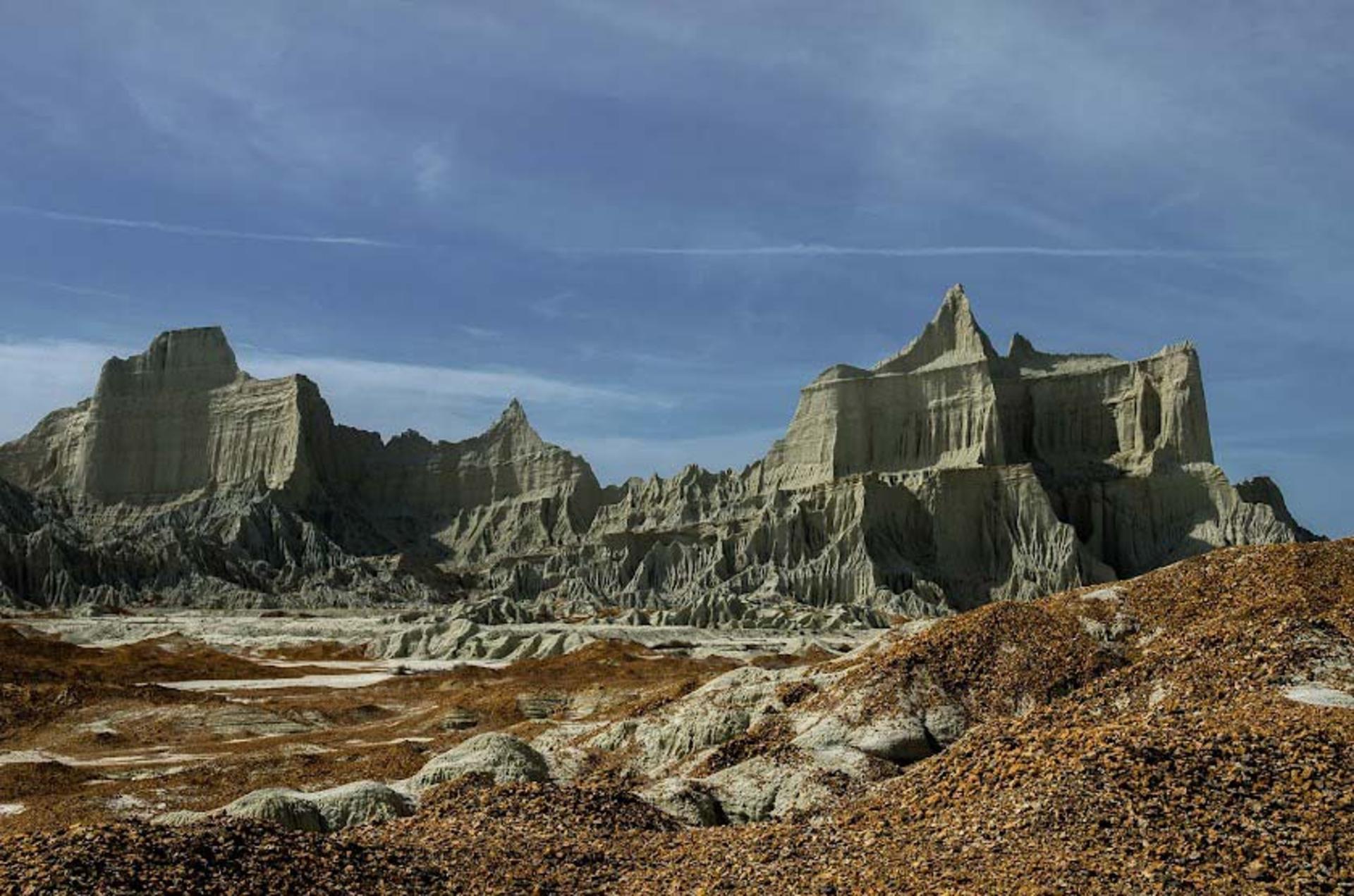
- Combine with Chabahar. The Gando habitats are within easy reach of Chabahar's other attractions, including the Martian Mountains, mangrove forests, and Lipar Lagoon. Use Mehyar Taxi to connect between sites.
- Use Mehyar Wallet. Pay for local guides, entrance fees, and purchases along the way through the Mehyar digital wallet.
The Gando is more than a reptile. It is a 65-million-year-old living link to an ancient Earth, a symbol of the Baluchi people's deep bond with their land, and one of Iran's most remarkable and underappreciated natural treasures. For those willing to travel to the far southeast of the country, the reward is an encounter with nature that no zoo or aquarium can replicate.