
Iran is one of those destinations that rewards the traveler who arrives prepared. The country offers a remarkable density of experiences: ancient bazaars that smell of saffron and rosewater, mosques tiled in turquoise and lapis, desert cities where windcatchers still cool the air, and a hospitality culture that has welcomed travelers for centuries. For a first-time visitor, however, the practical questions can feel overwhelming. How do you get a visa? Can you use your bank card? What should you wear? How do you book a hotel or call a taxi?
This guide answers those questions in order. It walks you through the visa process, explains how money works in a country cut off from international banking, shows you how to stay connected, outlines the dress code, and introduces the classic route through Iran's most rewarding cities. Along the way, we will show you how Mehyar, our tourist app, handles the logistics that used to require a local friend or a guide: booking hotels, arranging rides, managing payments, and staying online.
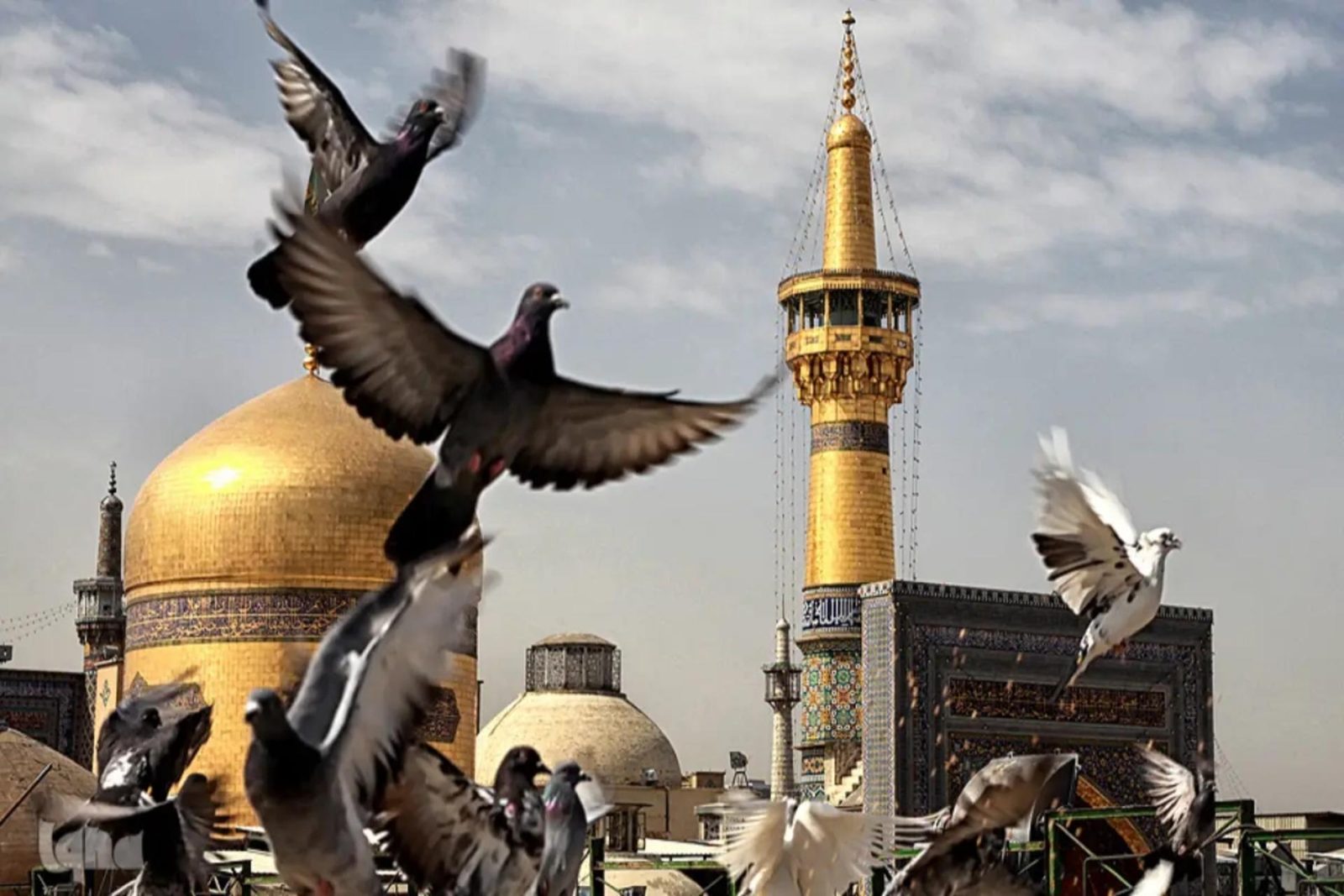
Where Is Iran and What Does It Feel Like?
Iran sits in the heart of the Middle East, bordered by the Persian Gulf to the south, the Caspian Sea to the north, and sharing land borders with Iraq, Turkey, Armenia, Azerbaijan, Turkmenistan, Afghanistan, and Pakistan. At 1.648 million square kilometers, it is roughly the size of Western Europe. That scale matters for planning: a journey from Tehran in the north to the Persian Gulf coast in the south covers more than 1,200 kilometers, and the climate shifts dramatically along the way.
The country's geography is a study in contrasts. The Alborz Mountains rise sharply behind Tehran, their peaks snow-capped well into spring. Further south, the Zagros range runs diagonally across the country. Between and beyond these mountains lie vast deserts, the Dasht-e Kavir and Dasht-e Lut, where summer temperatures can exceed 50 degrees Celsius. Along the Caspian coast, humidity and lush green rice paddies create a world apart from the arid interior.
This geographic diversity means that a first trip to Iran can include skiing in the morning and walking through a desert oasis by evening, if you plan your route carefully. It also means that packing requires thought, and that the best time to visit depends heavily on which regions you intend to explore.
How to Get a Visa for Iran
Most international visitors need a visa to enter Iran. The process has evolved significantly in recent years, and the rules continue to change, so treat this section as a starting point and confirm current requirements with an Iranian embassy or the official e-Visa portal before you book flights .
The primary route for most nationalities is the electronic visa system, accessible through the Ministry of Foreign Affairs e-Visa website. You complete an online application, upload a photograph and passport scan, and receive a tracking code. Approval typically takes several working days, though the timeline varies by nationality and season .
A crucial detail: even if you plan to collect your visa on arrival at an Iranian airport, you almost always need pre-approval first. Airlines may refuse boarding without a visa grant notice, so do not assume you can simply arrive and apply .
Citizens of the United States, United Kingdom, and Canada face additional requirements. They must travel with an approved guide and arrange their itinerary through a registered travel agency before applying. Their visa is typically collected at an embassy or consulate rather than on arrival .
Travel insurance that covers Iran is mandatory for entry. Purchase a policy before you travel and carry proof with you .
The visa validity period has been adjusted in recent years. As of recent regulations, tourist visas issued by Iranian embassies are valid for entry within 45 days of issuance, reduced from the previous 90 days . Once inside Iran, the permitted stay is typically up to 30 days, with possible extensions. Always verify the latest rules, as they can change with little notice.
For a detailed walkthrough of the visa process by nationality, including document checklists and common pitfalls, see our dedicated guide: Iran Visa for Travelers.
Money in Iran: Cash, Currency, and the Mehyar Wallet
Here is the single most important thing to understand before your first trip to Iran: your international credit and debit cards will not work. Visa, Mastercard, and American Express are completely blocked due to international sanctions. No ATM in Iran will recognize your foreign bank card .
This means you must bring cash. US dollars and euros are the most practical currencies to carry. Bring clean, unmarked bills, preferably newer notes. Money changers in Iran are particular: bills printed before 2013, or notes with tears, pen marks, or heavy creases, are routinely rejected .
Iran has two currencies in everyday use. The official currency is the Iranian Rial (IRR), but Iranians almost always quote prices in Toman. One Toman equals ten Rials. In practice, when someone says a taxi costs 50 Toman, they mean 500,000 Rials. This can be confusing at first, but you will quickly adjust .
You can exchange money at licensed exchange offices, often called sarafi, in major cities. Avoid street changers, as the transaction is illegal and you may not get a fair rate. Exchange offices are closed on weekends and public holidays, so plan ahead .
Mehyar Wallet and Tourist Cards
Carrying large amounts of cash is inconvenient and risky. Mehyar solves this with the Mehyar Wallet, a digital payment solution designed for international visitors. You can top up your wallet through authorized exchange points or directly within the app, then use it to pay for hotels, rides, and other services without handling stacks of banknotes.
The Mehyar Wallet works alongside the tourist card system that Iranian banks have introduced. These rechargeable Rial-based cards allow foreign visitors to pay at shops, restaurants, and transport providers across the country. You can obtain a tourist card at major airports, licensed exchange offices, and some bank branches. Mehyar integrates with this system, making it easy to manage your balance and track spending .
For a comprehensive explanation of currency exchange, tourist cards, and digital payment options, read our guide: Paying in Iran.
Staying Connected: SIM Cards and Internet
Internet access in Iran is available but filtered. Many international platforms, including Facebook, YouTube, Twitter, and some messaging apps, are blocked. Most Iranians use VPNs to access these services, and you should plan to do the same .
Your first step should be getting a local SIM card. Iranian operators offer affordable data packages, and a local number makes it much easier to use ride-hailing apps, book hotels, and stay in touch. SIM cards are available at major airports and operator shops in cities. You will need your passport to register the SIM .
Mehyar SIM, when available, provides a streamlined option for visitors who want connectivity without the hassle of navigating local registration procedures. You can also use the Mehyar app to manage your data balance and top up when needed.
Once you have a local SIM, download a reliable VPN before you arrive, as some VPN providers' websites are themselves blocked inside Iran. Having a VPN installed and tested before departure saves considerable frustration.
For more on connectivity, including recommended apps and troubleshooting tips, see: Internet, SIM, and Apps.
What to Wear in Iran
Iran enforces a dress code, and as a visitor, you are expected to respect it. The rules are straightforward, and compliance is easier than many first-time travelers expect .
For women, covering the hair with a headscarf is mandatory in public. You should also wear loose clothing that covers your arms and legs. A long tunic or coat, called a manteau, over trousers is a common and comfortable option. Colors are not restricted; Iranian women wear vibrant scarves and clothing, and you are free to do the same. Open-toed shoes are perfectly acceptable .
For men, the dress code is simpler. Shorts are not appropriate in public, and sleeveless shirts are frowned upon. Trousers and shirts with sleeves are the norm. In private settings or on the southern islands, some flexibility exists, but in cities and religious sites, err on the side of modesty .
The dress code applies from the moment you land. Women should have a headscarf ready before disembarking the plane.
For a detailed guide to dressing comfortably and appropriately, including seasonal considerations, read: What to Wear in Iran.
Hotels, Rides, and Getting Around with Mehyar
Booking Hotels
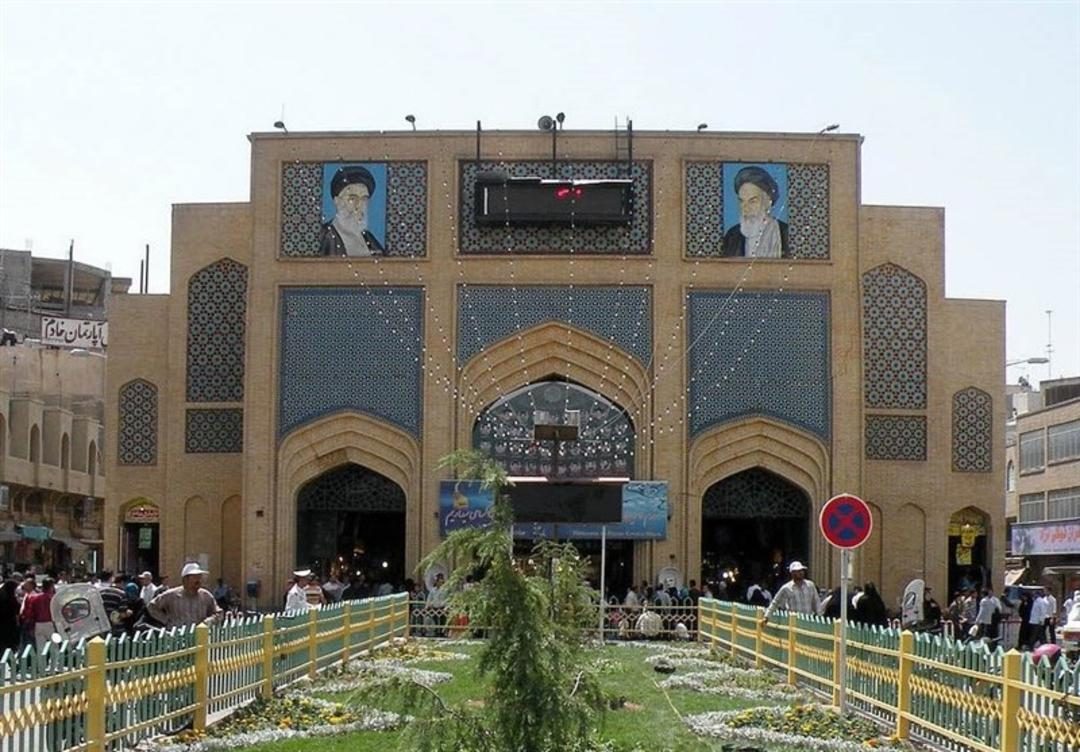
Iran offers a wide range of accommodation, from international-standard hotels in Tehran and Isfahan to traditional courtyard houses converted into boutique guesthouses in Yazd and Kashan. Booking in advance is essential during peak seasons, especially around Nowruz (the Persian New Year in late March) and during major religious observances in Mashhad.
Mehyar Hotels makes booking straightforward. You can browse properties by city, compare prices and amenities, and reserve your room directly through the app. Payment can be handled through the Mehyar Wallet, eliminating the need to carry large amounts of cash for your hotel bill.
For tips on choosing the right accommodation and understanding Iranian hotel standards, see: Booking Hotels and Rides.
Getting Around Cities
In Iranian cities, taxis and ride-hailing apps are the most convenient ways to travel. Mehyar Taxi provides a reliable service that connects you with professional drivers. You can book a ride through the app, see the fare upfront, and pay through your Mehyar Wallet. This eliminates the need to negotiate prices or carry exact change .
For intercity travel, Iran has an extensive network of buses, trains, and domestic flights. Buses are frequent and affordable, covering almost every city and town. Trains are comfortable for longer journeys, though booking early is advisable, especially for overnight routes. Domestic flights connect major cities and are reasonably priced .
Mehyar Buses and Mehyar Flights allow you to search schedules, compare options, and book tickets within the same app, keeping your entire journey organized in one place.
Airport Transfers
When you arrive at Tehran's Imam Khomeini International Airport or other major airports, having a pre-arranged transfer simplifies your arrival. Mehyar Taxi can be booked in advance, so a driver is waiting for you when you clear customs.
The Classic Route: Where to Go on Your First Trip
Most first-time visitors follow what is often called the classic route, a loop that connects Iran's most celebrated cities and sites. This itinerary can be completed in 10 to 15 days, depending on your pace and how much depth you want in each location .
Tehran
The capital is the gateway for most international flights. Tehran is a sprawling, energetic city of more than 15 million people, with world-class museums, including the National Museum of Iran and the Carpet Museum, as well as the UNESCO-listed Golestan Palace. The Grand Bazaar offers a sensory introduction to Iranian commerce, and Milad Tower provides panoramic views .
Kashan
A few hours south of Tehran, Kashan is famous for its historic merchant houses, such as the Borujerdi and Tabatabaei houses, and the beautiful Fin Garden, a UNESCO World Heritage site. The city is also a center of rosewater production, and if you visit in May, you can witness the rose harvest.
Isfahan
Often described as half the world, Isfahan is many travelers' favorite Iranian city. The Naqsh-e Jahan Square, a UNESCO site, is one of the largest public squares in the world, surrounded by magnificent mosques and the Ali Qapu Palace. The city's Armenian quarter, Jolfa, offers churches and a vibrant cafe culture. Isfahan's bridges, particularly the Si-o-se Pol and Khaju Bridge, are best experienced at sunset .
Yazd
The desert city of Yazd is a UNESCO World Heritage site, known for its windcatchers, narrow alleys, and Zoroastrian heritage. The Fire Temple and the Towers of Silence offer insight into one of the world's oldest monotheistic religions. Yazd is also a great base for exploring the surrounding desert .
Shiraz
Shiraz, the city of poets and gardens, is home to the tombs of Hafez and Saadi, two of Iran's most beloved poets. The Nasir al-Mulk Mosque, often called the Pink Mosque, is famous for its stained glass and morning light. Nearby, the ancient city of Persepolis, a UNESCO site, offers a powerful glimpse into the Achaemenid Empire .
Optional Extensions
If you have time, consider adding Kerman and the Lut Desert for otherworldly landscapes, or the Persian Gulf islands of Qeshm and Hormuz for their geological formations and coastal culture. The Persian Gulf coast offers a different side of Iran, with warmer winters and a more relaxed atmosphere.
Safety and Practical Advice
Iran is generally a safe country for tourists. Violent crime is rare, and locals are famously hospitable. Petty theft, while not unheard of, is uncommon. The main safety considerations are practical rather than criminal .
Avoid photographing military installations, government buildings, and police stations. Taking pictures near these sites can lead to questioning or detention. Similarly, avoid political discussions with strangers, and do not participate in or approach large gatherings or protests .
Traffic in Iranian cities can be chaotic. Use official taxis or Mehyar Taxi rather than hailing unmarked cars. When crossing streets, be cautious and follow local norms.
Tap water in major cities is generally safe to drink, but bottled water is widely available and inexpensive. Healthcare in major cities is of good quality, but travel insurance is essential, both because it is required for entry and because it provides peace of mind .
Best Time to Visit
Spring (March to May) and autumn (September to November) are the most pleasant seasons for traveling in Iran. Temperatures are moderate, and the landscapes are at their best. Summer (June to August) can be extremely hot, particularly in the south and desert regions. Winter (December to February) brings cold weather to the north and mountainous areas, though the Persian Gulf coast remains mild .
Nowruz, the Persian New Year, falls around March 21 and is a festive but crowded time to travel. Many Iranians travel domestically during this period, so book accommodation and transport well in advance.
For a detailed month-by-month breakdown, see: Best Time to Visit Iran.
Your First Trip Starts with Mehyar
Planning a first trip to Iran involves many moving parts: visas, money, connectivity, accommodation, and transport. Mehyar brings these pieces together in a single app designed for international visitors.
Start by downloading Mehyar and exploring its features. Book your hotels through Mehyar Hotels. Arrange airport transfers and city rides with Mehyar Taxi. Manage your spending with the Mehyar Wallet. Stay connected with Mehyar SIM. And when you are ready to plan your route, let the Mehyar Planner help you build an itinerary that matches your interests and timeframe.
Iran is waiting. With the right preparation and the right tools, your first trip can be the beginning of a lifelong relationship with one of the world's most fascinating countries.