
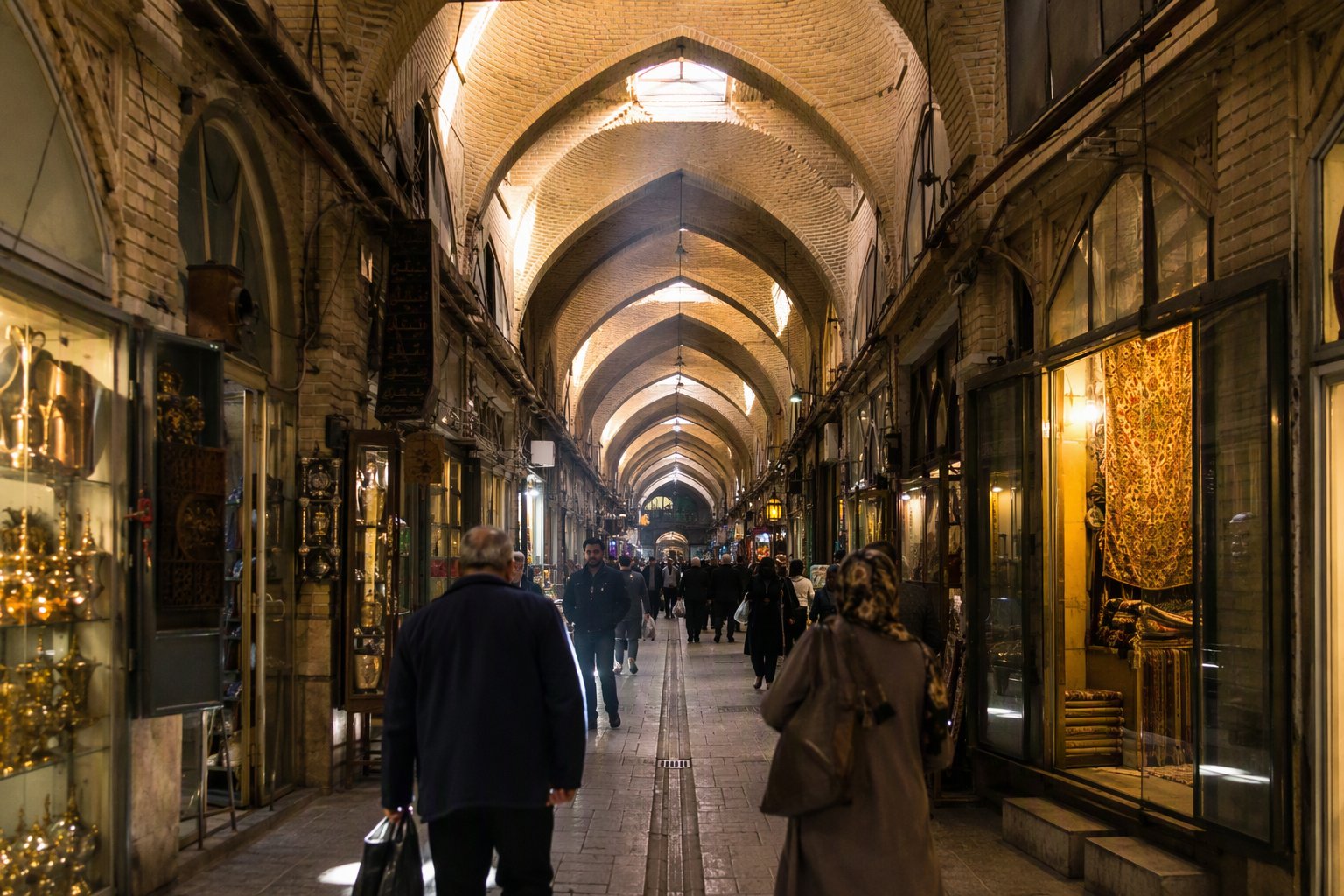
Tehran's Ferdowsi Passage, known locally as Moshir ol-Saltaneh Passage, has served as a vital urban corridor for over a century. This pedestrian-friendly zone weaves through the heart of the capital's commercial district, linking the centuries-old Grand Bazaar to the tree-lined expanse of Valiasr Street. For visitors to Tehran, walking through Ferdowsi Passage is one of the best ways to experience the living energy of downtown, where old-world commerce meets modern street culture in a uniquely Iranian blend.
Where Is Ferdowsi Passage Located?
Ferdowsi Passage runs through District 12 of central Tehran, the oldest commercial zone of the city. It begins near the southern end of Ferdowsi Street, close to the expansive Grand Bazaar complex, and extends westward toward the junction with Valiasr Street near Ferdowsi Square. The passage sits at an elevation of roughly 1,200 meters above sea level, within Tehran's central basin.
The broader Ferdowsi neighborhood takes its name from Iran's national poet, Abolqasem Ferdowsi, author of the Shahnameh. The area surrounding the passage has been a commercial and cultural hub since the late Qajar period, when Tehran first expanded beyond its Safavid-era walls. Today the passage anchors a district filled with textile shops, stationers, electronics vendors, and traditional teahouses.
How to Get There
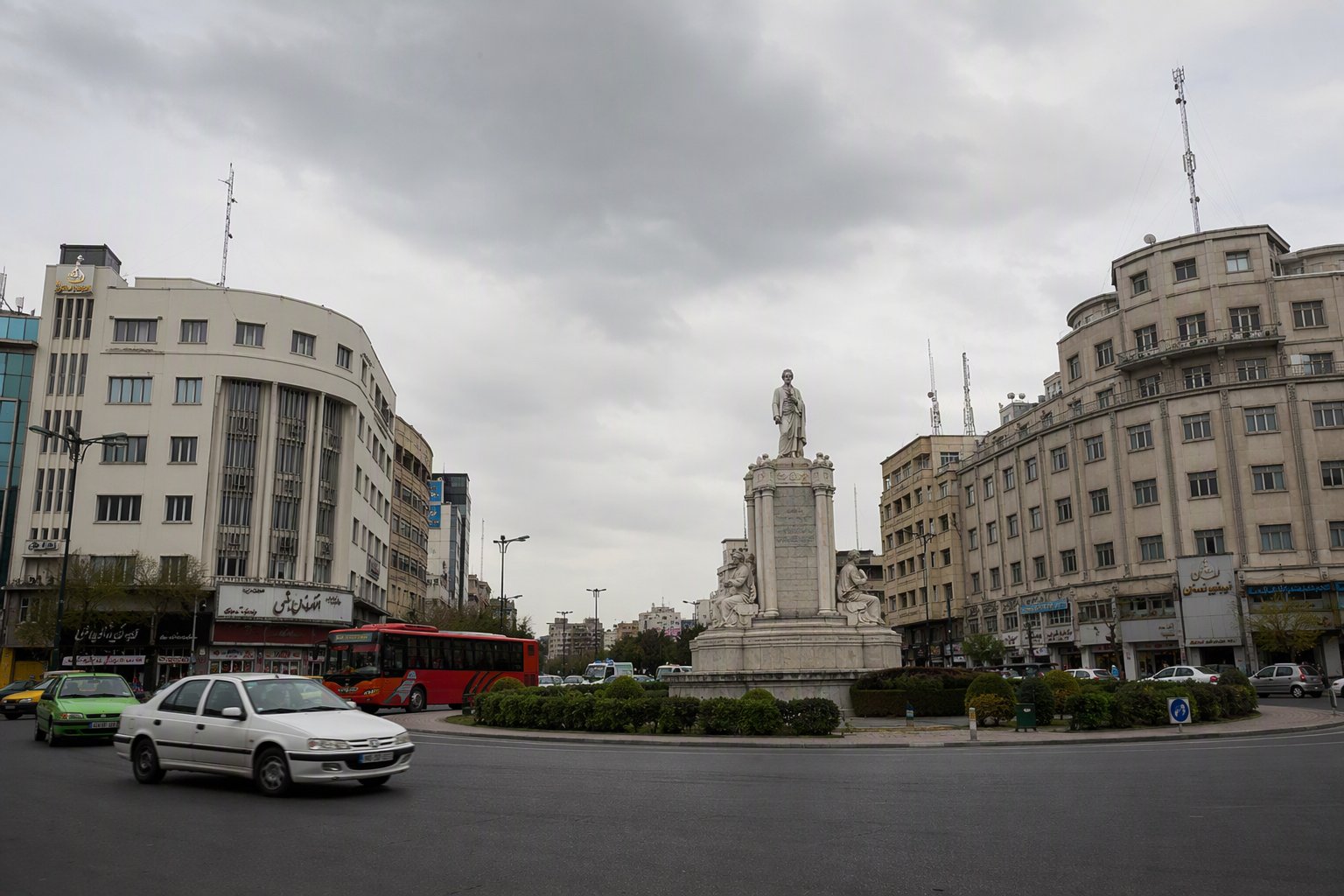
Tehran's public transit system makes reaching Ferdowsi Passage straightforward. The nearest metro station is Ferdowsi Station on Line 4 (the yellow line), which drops you within a short walk of the passage's eastern entrance. Trains on Line 4 run from Mehrabad Airport in the west to Shahed Station in the east, passing through major interchange points including Darvazeh Dolat and Enqelab.
Several bus routes also serve the area. Mehyar Buses provides schedules and route maps for navigating Tehran's extensive bus network. If you prefer the flexibility of a private ride, Mehyar Taxi can arrange a drop-off at Ferdowsi Square from virtually any point in the city. Taxis are plentiful and affordable in Tehran, though traffic congestion around the bazaar area during midday hours can add significant time to any journey.
For visitors staying in northern neighborhoods such as Tajrish or Saadabad, the metro ride to Ferdowsi takes approximately thirty to forty minutes. Those coming from the western districts of Sadeghieh or Ekbatan can reach the area in about twenty minutes by metro.
A Brief History of Ferdowsi Passage
The origins of Ferdowsi Passage trace back to the late nineteenth century, when a wealthy merchant named Moshir ol-Saltaneh commissioned the construction of a covered commercial corridor to connect the bazaar with the emerging western districts of Tehran. The passage was designed in the tradition of Persian bazaars, with a vaulted ceiling, arched doorways, and rows of small shops on either side.
Over the decades, the passage evolved from a purely commercial artery into a mixed-use urban space. During the Pahlavi era in the mid-twentieth century, new shops catering to modern tastes opened alongside the traditional vendors. Bookshops, photography studios, and Western-style cafés began to appear. By the 1970s, Ferdowsi Passage had become a gathering point for artists, intellectuals, and university students.
After the 1979 revolution, the passage continued to serve as a commercial hub, though its cultural character shifted. Many of the former art galleries and bohemian cafés gave way to electronics retailers and mobile phone shops. In recent years, however, a revitalization effort has brought new life to the passage, with restored facades and a growing number of cafés and restaurants drawing visitors back.

What to See and Experience
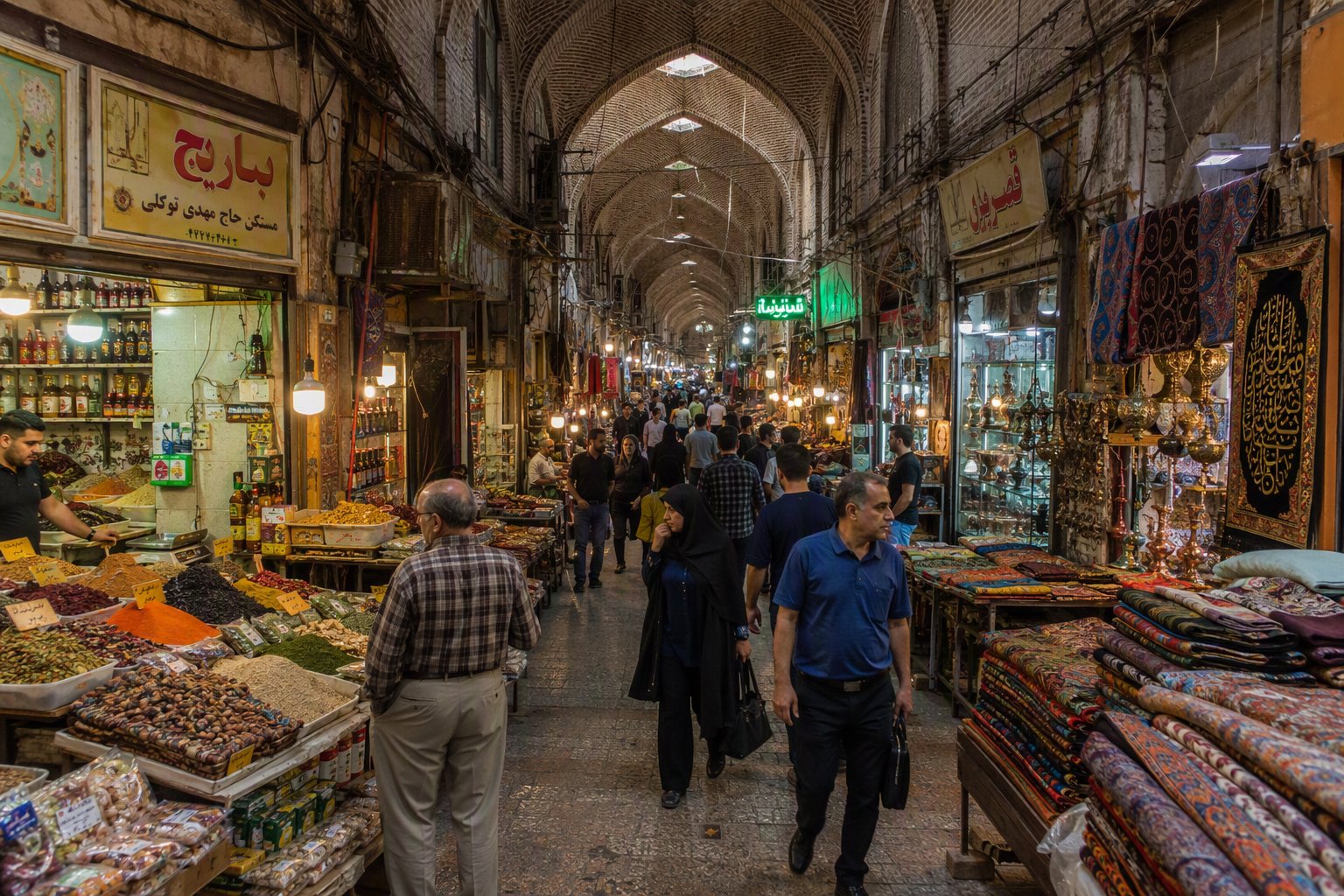
Walking through Ferdowsi Passage is an experience in contrasts. The narrow corridor is flanked by shops selling everything from hand-woven carpets and traditional textiles to the latest smartphones and accessories. The sound of merchants calling out prices blends with music spilling from electronics stores and the aroma of fresh bread from nearby bakeries.
At the western end of the passage, you emerge onto Ferdowsi Street, one of Tehran's major thoroughfares. The street itself is named after the poet Ferdowsi and leads directly to Ferdowsi Square, a roundabout surrounded by imposing early-twentieth-century buildings. The square serves as a major transit node and a good place to pause and take in the architectural mix of neoclassical and modernist facades.
Along the passage, keep an eye out for the historic Moshir ol-Saltaneh caravanserai, a restored courtyard building that once housed traveling merchants. The caravanserai now contains a mix of restaurants and cultural spaces, and its inner courtyard offers a quiet escape from the busy passage outside. Several traditional teahouses, or chaykhaneh, still operate in the side alleys, serving sweet black tea with rock sugar and fresh flatbread.
For photography enthusiasts, the passage offers rich visual material. The interplay of light and shadow beneath the vaulted ceiling, the colorful merchandise displayed in narrow shopfronts, and the diverse faces of shoppers and merchants all make for compelling images. Portraits of people should be taken with their permission, as is customary throughout Iran.
Best Time to Visit
The ideal time to walk through Ferdowsi Passage is during the spring months of March through May, when Tehran's weather is mild and pleasant. Autumn, from late September through November, also offers comfortable temperatures for exploring on foot. Summers in Tehran can be extremely hot, with temperatures frequently exceeding thirty-five degrees Celsius, though the covered nature of the passage provides some relief from direct sunlight.
Weekday mornings, particularly between nine and eleven, offer the most relaxed walking experience. By midday, the passage fills with shoppers and the pace becomes frenetic. Friday mornings are quieter, as many shops remain closed. Evenings, especially on weekends, bring a different atmosphere, with families and young people strolling and stopping at cafés. The passage takes on a festive quality during the lead-up to Nowruz, when shopkeepers decorate their stalls and the air fills with the scent of hyacinths and fresh herbs.
Hours and Practical Tips
Shops along Ferdowsi Passage typically open around nine in the morning and close by eight or nine in the evening, though hours vary by business. Most shops close on Fridays, the Iranian weekend, though some cafés and restaurants remain open. There is no entrance fee for the passage itself, as it is a public thoroughfare.
Dress comfortably and wear shoes suitable for walking on stone-paved surfaces. The passage can be slippery after rain, as the stone floor becomes polished and smooth. Carry a reusable water bottle, particularly during summer visits. Pickpockets are rare but keeping valuables secure is wise in any crowded urban environment.
Nearby Attractions in Tehran
A visit to Ferdowsi Passage pairs naturally with the Grand Bazaar, whose main entrance lies just a few minutes' walk to the east. The bazaar is one of the largest traditional marketplaces in the Middle East, with miles of covered corridors selling everything from gold jewelry to dried fruits and spices.
Other nearby sites include the Golestan Palace, a UNESCO World Heritage site located a short taxi ride to the southeast. The palace complex contains some of the finest examples of Qajar-era architecture in Iran. The National Museum of Iran and the National Jewelry Museum are both within walking distance to the north, along Imam Khomeini Street.
For dining, the area around Ferdowsi Street and the side streets leading toward Enqelab Avenue is packed with restaurants serving traditional Persian cuisine. Kabab houses, ash-e reshteh shops, and falafel stands cater to all budgets. Using Mehyar Taxi, you can easily continue from the passage to other parts of the city, whether heading north to the Alborz foothills or south to the historic Ray district.